

London’s cultural landscape is set for a significant expansion next summer as a coalition of the city’s most prestigious institutions joins forces with India’s Serendipity Arts to launch an ambitious, nine-day festival celebrating South Asian creativity. From June 19 to June 27, the cultural quarter of South Kensington will be transformed into a vibrant epicenter of visual art, music, dance, digital media, and culinary innovation.
The event, which represents a historic collaborative effort between academia, heritage institutions, and international non-profits, aims to redefine how the public engages with the multifaceted narratives of India and its diaspora.
Main Facts: A Convergence of Worlds
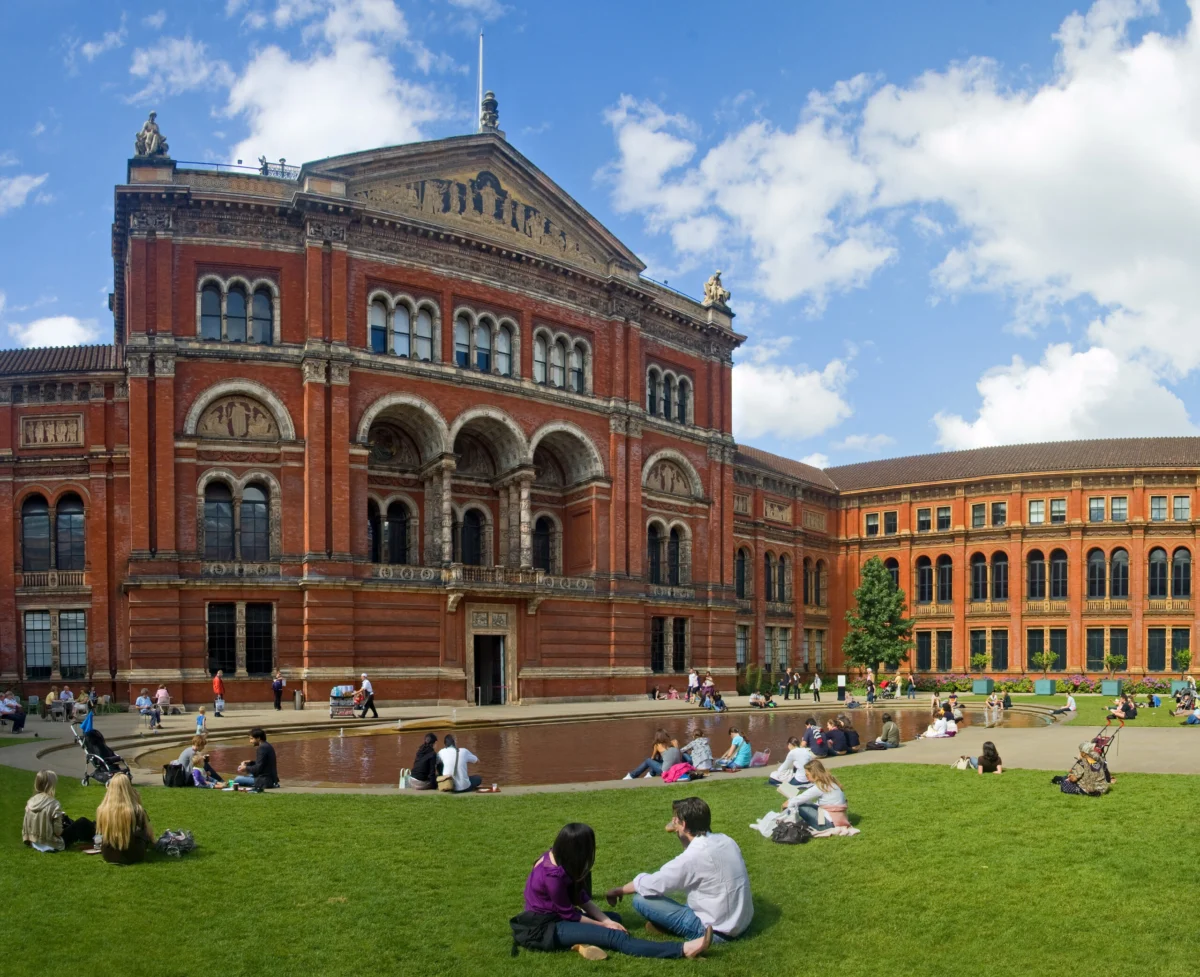
The festival is designed to occupy the entirety of Exhibition Road, the iconic thoroughfare that serves as the backbone of South Kensington’s cultural district. By integrating the spaces of the Victoria and Albert Museum (V&A), the Natural History Museum, the Royal Albert Hall, the Royal Geographical Society, the Royal College of Music, the Royal College of Art, the Science Museum, and the Royal Commission for the Exhibition of 1851, the organizers are creating a "living museum" experience.
This project is a high-profile partnership between the Great Exhibition Road Festival—spearheaded by Imperial College London—and Serendipity Arts, an influential Indian nonprofit. The festival will spotlight both emerging talents and globally recognized masters, offering a multidisciplinary program that breaks away from traditional gallery-bound formats. The festival is intentionally porous, utilizing concert halls, public squares, academic lecture theaters, and local cafés to ensure that the programming remains accessible and immersive.
Chronology: From Goa to the Global Stage
The genesis of this London event lies in the decade-long success of the Serendipity Arts Festival in Goa, India. Since its inception in 2016, the Goa-based event has become a cornerstone of the South Asian arts calendar.
- 2016: Serendipity Arts launches its inaugural festival in Goa, setting a new benchmark for multidisciplinary arts engagement in India.
- 2016–2024: Over the course of eight years, the organization expands its reach, supporting more than 10,000 artists and welcoming over one million visitors.
- 2025: The Serendipity Arts Festival marks its tenth anniversary, solidifying its reputation as a premier platform for creative expression.
- 2026 (October): Preliminary announcements are made regarding the London expansion, signaling a strategic shift toward international cultural diplomacy.
- June 19–27, 2027: The inaugural London South Asian Arts Festival is scheduled to take place, bridging the gap between South Asian creative hubs and European institutional powerhouses.
The decision to bring the festival to London is not merely a geographic expansion; it is a strategic maneuver to contextualize the diaspora experience within the historic heart of the former British Empire. By leveraging the infrastructure of South Kensington’s museums, the organizers intend to foster a cross-pollination of ideas that transcends colonial history and looks toward a future of collaborative artistic production.
Supporting Data: Curatorial Excellence and Artistic Scope
The festival’s intellectual framework is built upon the vision of six female curators, each a leader in their respective discipline. This deliberate focus on multidisciplinary curation ensures that the festival is not a static exhibition but a dynamic dialogue.
The Curatorial Team
- New Media: Veeranganakumari Solanki and Nancy Adajania, tasked with bridging the gap between traditional aesthetics and digital futures.
- Visual Arts: Latika Gupta, who will oversee the integration of contemporary Indian art within the storied halls of London’s major galleries.
- Dance: Preethi Athreya, focusing on the evolution of classical and contemporary movement.
- Music: Sneha Khanwalkar, known for her ability to fuse folk traditions with modern soundscapes.
- Culinary Arts: Elizabeth Yorke, who will curate the festival’s gastronomic footprint, framing food as a form of cultural heritage and social commentary.
The breadth of this programming is supported by the sheer volume of artistic output anticipated. With hundreds of participants expected, the festival will serve as a massive incubator for new work. The involvement of the Royal College of Art and the Royal College of Music ensures that the festival will also serve an educational function, providing students and young artists with direct access to mentors from the Indian subcontinent.
Official Responses: Redefining Cultural Boundaries
The partnership between the Great Exhibition Road Festival and Serendipity Arts is being heralded as a milestone in international arts cooperation. Shefali Munjal, co-founder and patron of Serendipity Arts, emphasized that the festival is designed to challenge outdated perceptions of South Asian art.
"South Asian creativity cannot be understood through a single discipline, tradition or geography," Munjal stated in an interview with The Art Newspaper. "It lives as much in food, sound, and movement as it does in a gallery."
This sentiment is echoed by the institutional partners in London. For institutions like the Victoria and Albert Museum and the Science Museum, the festival offers an opportunity to decolonize their collections and revitalize their engagement strategies. By inviting contemporary Indian artists to intervene in these historically charged spaces, the festival encourages a critical re-examination of history. The Royal Commission for the Exhibition of 1851, which oversees the legacy of the Great Exhibition, has signaled that this festival is in line with the mission of promoting "the advancement of science and art" in a globalized 21st-century context.
Implications: The Future of Cross-Cultural Exchange
The launch of this festival in London carries significant implications for the global art market and cultural tourism.
1. Institutional Transformation
For the museums of South Kensington, the festival represents a departure from traditional curatorial practices. By ceding control of their spaces to external curators and international nonprofits, these institutions are acknowledging that their future relevance depends on their ability to host voices that have historically been sidelined or relegated to specific, isolated galleries.
2. The Diaspora as a Cultural Bridge
The festival serves as a vital platform for the South Asian diaspora, which forms a significant demographic in the United Kingdom. It provides a space for the second and third generations of the diaspora to reconnect with their roots, not through a lens of nostalgia, but through the lens of contemporary, forward-looking art.
3. Economic and Cultural Tourism
London has long been a global hub for art, but the introduction of a festival of this scale specifically dedicated to South Asian arts will likely attract a new demographic of international tourists. The economic impact on the South Kensington area—from local cafés and restaurants to the retail sector—is expected to be substantial, mirroring the growth seen in Goa during the festival season.
4. A New Model for Collaboration
If successful, this festival could become a blueprint for how global cities manage cultural exchange. Rather than relying on sporadic, one-off exhibitions, the model of a sustained, multidisciplinary festival supported by an institutional coalition offers a more stable and impactful way to promote cultural literacy.
Conclusion: A Living, Breathing Legacy
As June 2027 approaches, anticipation is building for what promises to be a transformative nine days in London. By dissolving the barriers between different forms of human expression—from the precision of a classical dance move to the complex flavors of a modern culinary dish—the festival seeks to paint a more honest and vibrant portrait of South Asia.
The success of the Serendipity Arts Festival in India, which has grown from a local initiative into a national phenomenon, suggests that this London iteration is poised to become a fixture in the city’s annual calendar. Through this collaboration, London is not just hosting an event; it is participating in a necessary evolution of its own cultural identity, ensuring that the legacy of its museums remains as fluid and diverse as the world they aim to represent.
Ultimately, the festival is a testament to the power of art to facilitate understanding. By bringing the vibrant, chaotic, and beautiful realities of South Asian creativity to the structured corridors of South Kensington, the organizers are inviting the world to look, listen, and taste the future of a globalized cultural exchange.
