

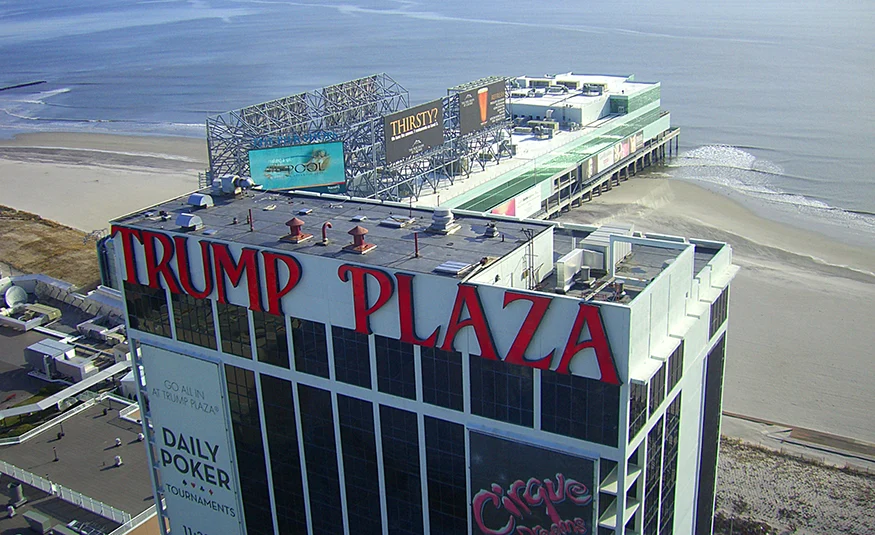
Atlantic City, NJ – A pivotal parcel of land on the iconic Atlantic City Boardwalk, once home to the storied Trump Plaza Hotel and Casino, has been acquired by influential South Jersey investor George Norcross. The $5 million purchase of this approximately 10-acre site, which was unceremoniously razed in 2021, marks a significant step in the ongoing revitalization efforts of the famed resort city. Strategically positioned within a designated Opportunity Zone and the vibrant Atlantic City Resort Commercial District, this acquisition signals a promising new chapter for a location steeped in both past glamour and future potential.
The former Trump Plaza, a once-prominent fixture of the Atlantic City skyline, has been vacant since its demolition three years ago. Its acquisition by Norcross, a figure with substantial investments across South Jersey, including within the healthcare sector, is being closely watched as a catalyst for renewed development. Norcross, in partnership with his adult children, Alessandra and Alexander, and other undisclosed investors, has secured a prime piece of real estate poised for transformation. This move underscores a growing confidence in Atlantic City’s long-term economic trajectory, particularly as the city diversifies beyond its traditional gaming-centric identity.
A Legacy of Landmarks: From Trump Plaza to Opportunity Zone
The story of the Trump Plaza site is intertwined with the rise and fall of Atlantic City’s casino industry. Opened in May 1984, the Trump Plaza Hotel and Casino was a symbol of ambition and a key player in the city’s entertainment landscape for three decades. It played host to numerous high-profile events and celebrities, cementing its place in the city’s cultural memory. However, like many of its contemporaries, the casino faced mounting financial challenges, ultimately leading to its closure in September 2014. This marked the fourth casino closure in Atlantic City that year, reflecting a broader economic downturn impacting the resort town.
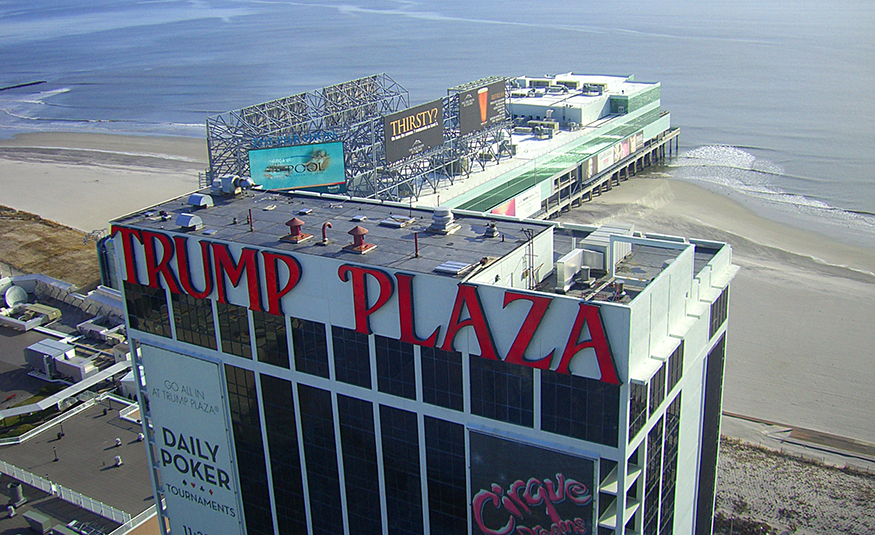
The property’s journey through bankruptcy proceedings and subsequent ownership changes added layers of complexity to its history. Carl Icahn, the billionaire investor, acquired the Trump Plaza through his entity Icahn Enterprises LP in February 2016, after taking over its parent company, Trump Entertainment Resorts, out of bankruptcy. The eventual decision to demolish the structure in 2021 paved the way for a blank slate, a crucial prerequisite for any ambitious redevelopment project. The image of the former Trump Plaza, once a beacon of entertainment, now stands as a stark reminder of past eras, while the cleared land represents a fertile ground for future innovation.
Strategic Location: The Power of Opportunity Zones
The significance of this acquisition is amplified by the property’s designation as a federal Opportunity Zone. This classification, established by the Tax Cuts and Jobs Act of 2017, incentivizes long-term investment in economically distressed communities. Investors who reinvest capital gains into Qualified Opportunity Funds (QOFs) can benefit from deferred, reduced, or even eliminated capital gains taxes, making these zones attractive for large-scale development projects. The Trump Plaza site’s inclusion within such a zone, coupled with its location in the Atlantic City Resort Commercial District (RCD), presents a compelling financial and regulatory landscape for potential investors.
The RCD itself is designed to foster a dynamic and diverse economic environment. City codes permit a wide array of uses within this district, including transient and tourist-oriented businesses such as hotels and casino resorts. Beyond gaming and hospitality, the RCD also encourages general and medical offices, entertainment venues, and mixed-use developments. Crucially, residential development is not only permitted but actively encouraged, with provisions for multi-family residential mid- and high-rises. This regulatory framework is specifically aimed at preserving and enhancing the family-resort character of Atlantic City, while seamlessly integrating specialized commercial activities with the broader community fabric. The former Trump Plaza site, with its expansive footprint and prime Boardwalk adjacency, is ideally situated to leverage these zoning allowances.
A Vision for Diversification: Beyond Gaming and Towards a Holistic Resort Experience
Atlantic City has been actively pursuing a strategy of diversification, aiming to reduce its reliance on gaming revenue and cultivate a more robust and multifaceted economy. This broader redevelopment effort encompasses a range of initiatives, from enhancing tourism and events to expanding dining and sports offerings. The recent investments by established casinos in their seaside resorts and the emergence of family-friendly attractions, such as the Island Waterpark at Showboat, reflect this commitment to broadening the city’s appeal. The acquisition of the Trump Plaza site fits squarely within this forward-looking vision.
The potential for mixed-use development on the site is immense. Imagine a vibrant complex that blends luxury hotel accommodations, modern residential units, upscale retail spaces, and diverse dining options, all while offering unparalleled views of the Atlantic Ocean and direct access to the iconic Boardwalk. The Opportunity Zone designation can provide the necessary financial impetus for such ambitious undertakings, attracting capital that might otherwise be directed elsewhere. Furthermore, the proximity to other entertainment venues and the potential for improved infrastructure can create a synergistic effect, drawing more visitors and residents to the area.
Official Responses and Community Expectations
While the specific development plans for the former Trump Plaza site remain undisclosed, the acquisition has been met with a degree of optimism from city officials and community stakeholders. Mayor Marty Small, who alluded to a high-profile buyer during a radio appearance, has consistently championed the need for strategic investment and redevelopment in Atlantic City. The arrival of an investor with Norcross’s track record and resources is seen as a significant endorsement of the city’s potential.
A spokesperson for Norcross confirmed the purchase to NJBIZ, stating that the businessman, along with his children and other partners, had acquired the property. This confirmation provided a definitive answer to speculation that had been circulating following the Mayor’s remarks. While the precise nature of the future development is yet to be unveiled, the emphasis on Opportunity Zones and the existing zoning regulations within the RCD suggest a focus on projects that will contribute to the city’s economic growth and community enhancement.
The Atlantic City Casino Association (ACCA) has also expressed enthusiasm for new development opportunities. In statements provided to the press, ACCA representatives have highlighted the importance of continued investment in the city’s infrastructure and attractions, underscoring how projects like this can invigorate the local economy and create jobs. They have emphasized that Atlantic City is evolving into a comprehensive destination, offering experiences beyond just gaming, and that new developments will play a crucial role in this evolution.
Broader Economic Implications and Future Outlook
The acquisition of the Trump Plaza site is not an isolated event but rather part of a larger trend of investment and redevelopment in Atlantic City. The city has witnessed significant activity in recent years, including substantial renovations and expansions by existing casinos, the development of new entertainment venues, and a growing interest in residential projects. The recent news of the Atlantic City Steel Pier hitting the market with an $85 million asking price, as announced by SERHANT, further illustrates the renewed dynamism and commercial interest in iconic Atlantic City properties.
The strategic advantage of the Trump Plaza site lies in its location, its history, and its potential. As a former casino resort, it possesses prime real estate on the Boardwalk, a highly sought-after location. The demolition of the structure has cleared the way for a fresh start, unburdened by the constraints of existing infrastructure that might be incompatible with modern development visions. The Opportunity Zone designation provides a powerful financial incentive, encouraging investors to undertake projects that might otherwise be deemed too risky or costly.
The long-term implications of this acquisition are profound. It has the potential to:
- Drive Job Creation: Large-scale redevelopment projects typically involve significant construction phases, followed by ongoing operational employment in hospitality, retail, and residential management.
- Boost Tax Revenue: New commercial and residential developments contribute significantly to the local tax base, providing essential funding for public services.
- Enhance Tourism and Visitor Experience: A revitalized property on the Boardwalk can attract new visitors and encourage longer stays, boosting the overall tourism economy.
- Attract Further Investment: Successful redevelopment of a prominent site can create a ripple effect, signaling confidence in the market and attracting additional investors to Atlantic City.
- Improve Quality of Life for Residents: The integration of new amenities, residential options, and improved public spaces can enhance the living experience for Atlantic City’s residents.
The narrative of Atlantic City is one of resilience and adaptation. From its origins as a seaside resort to its golden age as a casino capital, the city has continually reinvented itself. The acquisition of the former Trump Plaza site by George Norcross and his partners represents another pivotal moment in this ongoing transformation. As the city continues its journey beyond gaming, this strategically located parcel, empowered by Opportunity Zone incentives, stands as a beacon of renewed hope and a tangible symbol of Atlantic City’s enduring potential for growth and prosperity. The vacant lot, once a symbol of past struggles, is poised to become a testament to future innovation and a cornerstone of Atlantic City’s next chapter.
