

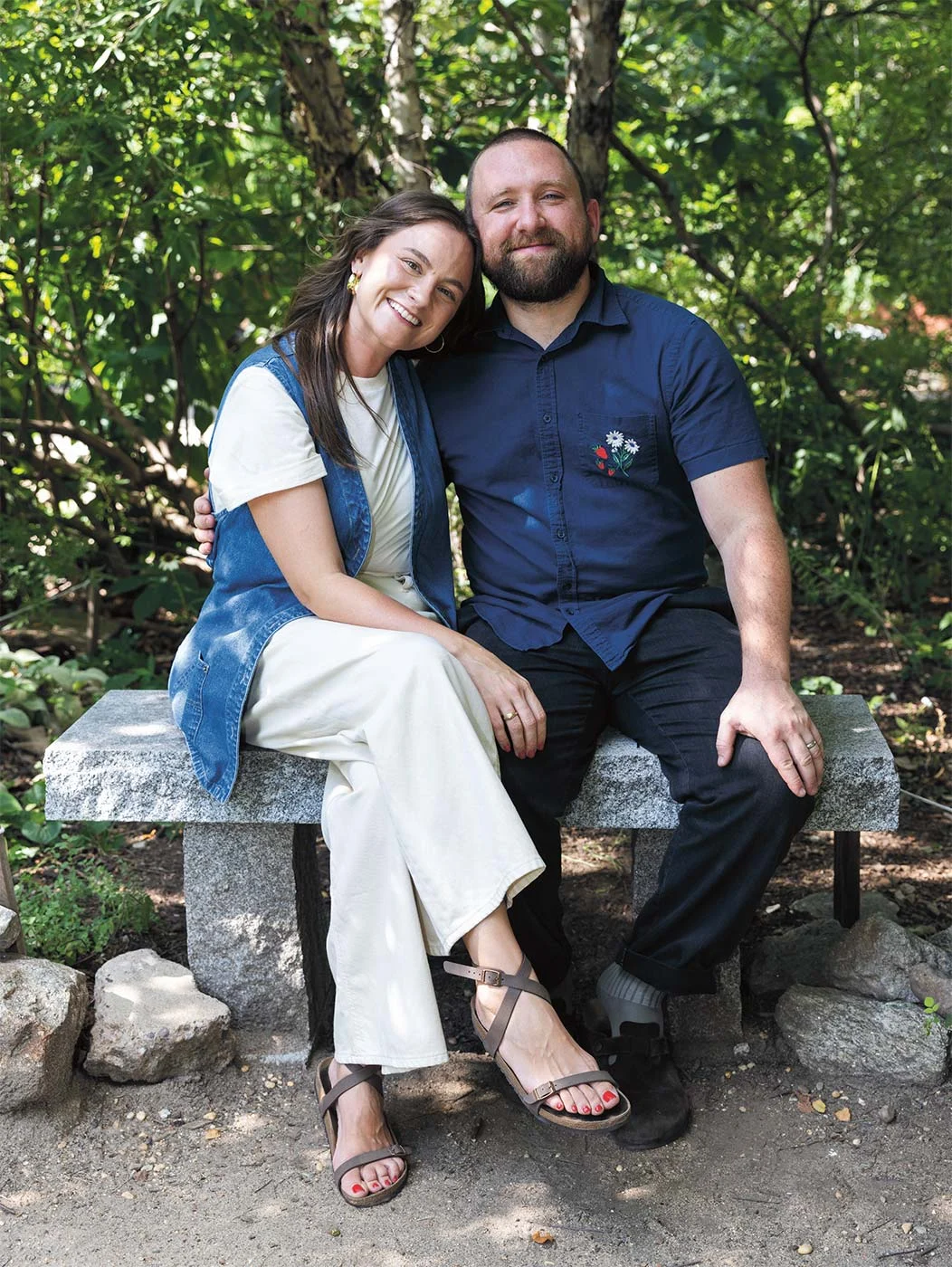
In the vibrant, evolving landscape of Northern Liberties, Philadelphia, a new culinary landmark is preparing to open its doors. Field Day, the brainchild of ethnobotanist and award-winning mixologist Danny Childs and his wife, Katie, promises to be more than just a watering hole. It is a physical manifestation of a decade-long journey, a space where the terroir of the Mid-Atlantic—from the salt-sprayed Jersey Shore to the verdant hills of Lancaster County—is distilled into a glass.
As the couple prepares for their autumn launch, the industry is watching closely. Field Day represents the next chapter of the "Slow Drinks" movement, an ethos that treats the cocktail as a narrative vessel, exploring the deep, often-overlooked connections between local botany, agricultural heritage, and human culture.
The Evolution of an Ethnobotanist: A Chronology of a Movement
The path to Field Day was anything but linear. In 2014, Danny Childs was not plotting a cocktail empire; he was a researcher fresh from postgraduate fieldwork in South America, where he studied how indigenous cultures interact with their native flora. Returning to the Marlton-Medford border of New Jersey, he found himself at the Farm & Fisherman Tavern in Cherry Hill.

"I needed money, and I thought maybe Farm & Fisherman would buy some of our vegetables," Childs recalls. The restaurant did indeed buy his produce, but his application for a bartending position was rebuffed—they needed a server. That humble entry point became a nine-year tenure, serving as the crucible for his future career.
The Seed of "Slow Drinks"
During his early years at the restaurant, the bar program was secondary. However, as Childs immersed himself in local agriculture, foraging, and the art of fermentation, his dual passions began to merge. He started bringing preserves and ferments into the kitchen for the chefs to sample. The resulting synergy led to the creation of the "Slow Drinks" movement, a philosophy rooted in the broader Slow Food movement, emphasizing biodiversity, sustainability, and the "weaving together of stories of people, place, process, and plants."
Recognition and Refinement
By 2018, the momentum was palpable. Childs launched a beverage column for Edible Jersey, a platform that allowed him to codify his voice and drink philosophy. He credits the late editor, Teresa Politano, with playing a pivotal role in his development, coaching him through the daunting process of writing his James Beard Award-winning book, Slow Drinks. This book acted as a manifesto, encouraging readers to see their own backyards—dandelions, garden herbs, and wild shrubs—as essential cocktail ingredients.

Supporting Data: The Anatomy of a Regional Bar
Field Day is not merely a restaurant; it is a research-backed hub for regional agriculture. The bar’s identity is anchored by its geography. Situated in Northern Liberties, it sits at the crossroads of a vast, nutrient-rich region.
The Sourcing Network
The menu at Field Day will rely on a sophisticated supply chain of local producers that Childs has spent over a decade cultivating:
- New Jersey Partnerships: D&V Organics (Swedesboro) and Robson’s Farm (Wrightstown) provide the backbone of the fresh produce, ensuring that every garnish and base infusion is as local as possible.
- Pennsylvania Connections: Teddy Moynihan of Plowshare Farms is cultivating specialty heirloom ingredients, while the team will also source grapes from the esteemed Blind Fox Vineyards in Bucks County.
- The In-House Advantage: A distinct feature of the location is its on-site garden, which will allow the staff to harvest fresh aromatics just steps from the shaker, effectively shortening the supply chain to a matter of yards.
A Culinary Partnership
The bar program will be supported by a menu designed by Chef Melissa McGrath of Sweet Amalia Market & Kitchen in Newfield. McGrath, a James Beard Award-nominated talent, is a long-time collaborator whose "unfussy, bright" culinary style mirrors the bar’s philosophy. The menu will move beyond standard "bar food," offering elevated snacks that mirror the cocktails: fermented chowchow, red beet eggs, and baked clams that serve as a love letter to the Jersey Shore.

Official Perspectives: The Philosophy of Field Day
"After years of studying and seeing culinary beverages and traditions proudly represented in their places, I thought it would be really cool to do that here," says Danny Childs. This sentiment is the core mission of Field Day. It is a rejection of the "globalized" bar menu in favor of a hyper-localized one.
The "Boundary-Pushing" Approach
Childs has signaled that the drinks menu will be experimental. With over 30 offerings planned, the bar will feature a "Director of Fermentation and Preservation" to oversee the creation of complex house-made ingredients.
One standout on the upcoming menu, the "Birch and Bourbon," utilizes homemade birch beer, black birch bark, wintergreen, and sassafras root, blended with Appalachian Fernet. Beyond the traditional, they are experimenting with ingredients like beeswax—a substance Childs describes as "absolutely mind-blowing"—to create unique mouthfeels and flavor profiles that cannot be replicated using mass-market ingredients.

Balancing Sophistication with Comfort
Despite the intellectual weight behind the drinks, Katie and Danny Childs are adamant that Field Day remain a "neighborhood bar." They envision a space where residents of Northern Liberties feel comfortable stopping by multiple times a week. It is a balance of "destination" and "local," where one can enjoy a serious, multi-day fermented cocktail alongside a plate of tomato pie or an eggplant sandwich.
Implications: Changing the Landscape of Philadelphia Dining
The opening of Field Day signals a shift in how urban cocktail bars engage with their surrounding rural environments. For years, the "farm-to-table" movement was largely confined to the dining room, while the bar program remained tethered to national liquor distributors.
Reimagining Regional Identity
By bringing the farm into the bar, Field Day forces a re-evaluation of what a "local" drink looks like. It challenges the consumer to consider the origin of their sassafras, the season of their grapes, and the history of the ferment in their martini. It elevates the bartender from a technician to a curator of regional botany.

A Sustainable Model
The implications for sustainability are significant. By prioritizing local farmers and foragers, Field Day reduces the carbon footprint associated with imported cocktail ingredients. Furthermore, by educating the public on the edible flora of the Mid-Atlantic, the bar acts as an educational institution, fostering a deeper appreciation for the local ecosystem.
The Future of the "Slow" Movement
As Field Day approaches its fall opening, it stands as the flagship for the next iteration of the Slow Drinks movement. If successful, it may serve as a blueprint for other bars across the country to adopt similar regional sourcing models. The project proves that one does not need to look across the ocean for complex, high-quality ingredients; one only needs to look toward the local landscape, cultivate relationships with the people who tend it, and have the patience to let the ferments do the work.
In a city defined by its culinary history, Field Day is poised to add a new layer of complexity to the Philadelphia scene. It is a bold experiment in geography, botany, and community, and come this fall, it will invite the public to pull up a seat and experience the taste of the region in a way that is entirely, and uniquely, their own.

FIELD DAY
Location: 923 N Second St, Northern Liberties, Philadelphia
Digital Presence: fielddayphilly.com
Anticipated Opening: Fall 2026
