

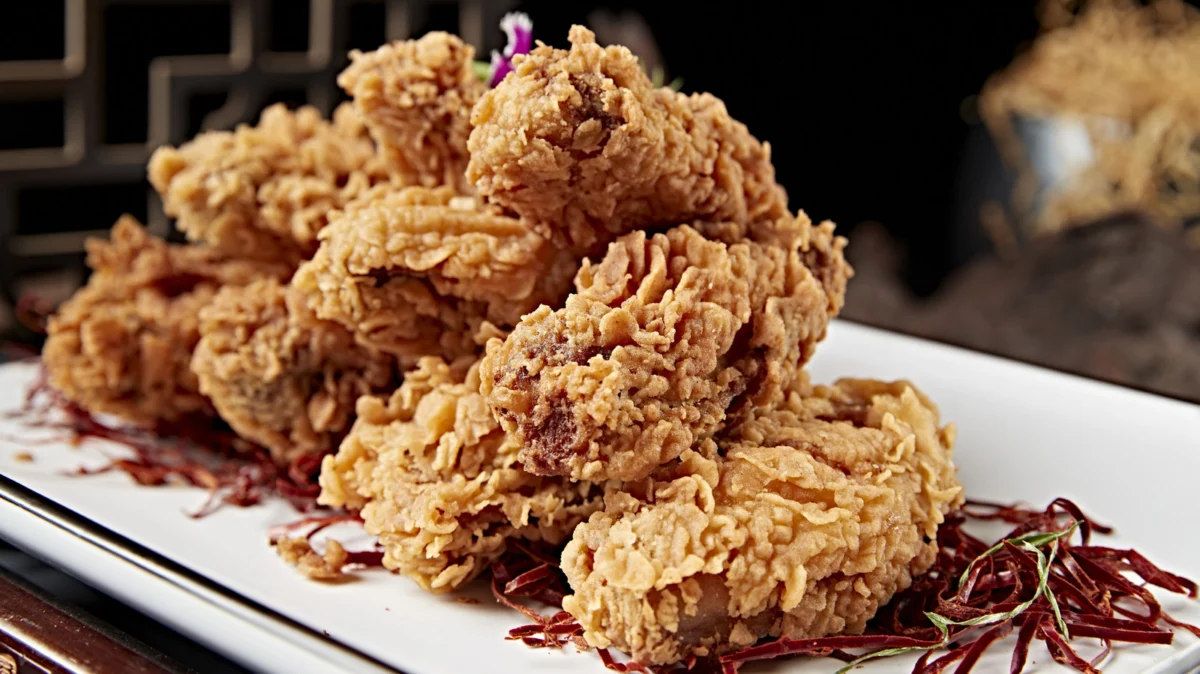
In the pantheon of comfort foods, few items command the near-universal adoration of crispy, golden-brown fried chicken. It is a dish that balances the primal satisfaction of a crunch with the tender, succulent interior of perfectly cooked poultry. Yet, despite its simplicity, achieving a professional-grade crust at home often feels like an elusive goal for the amateur cook. While temperature control and oil quality are frequently discussed, the most transformative secret to elevating your fried chicken may already be sitting in your pantry: a simple packet of ranch dressing mix.
By integrating the complex, savory profile of dehydrated ranch seasoning into your breading or marinade, you can achieve a depth of flavor that is difficult to replicate with individual spice cupboard staples. This article explores the mechanics of why this pantry hack works, how to implement it effectively, and why it is rapidly becoming a staple in home kitchens across the country.
Main Facts: The Anatomy of the "Ranch Hack"
At its core, fried chicken is a study in texture and seasoning. The success of the dish relies on the breading’s ability to adhere to the bird, maintain its integrity under high heat, and provide a salt-forward, aromatic exterior that contrasts with the meat’s natural juices.
The "Ranch Hack" works because the seasoning packet—most notably the iconic Hidden Valley Original Ranch Dressing Mix—is essentially a masterclass in flavor engineering. The mix typically contains a precise balance of salt, garlic powder, onion powder, dried herbs (parsley, chives, and dill), and monosodium glutamate (MSG).
When these ingredients are incorporated into a flour-based dredge, they undergo a transformation during the deep-frying process. The garlic and onion powders toast in the hot oil, releasing deep, savory aromas, while the MSG acts as a flavor enhancer, amplifying the chicken’s natural richness. The herbs provide a subtle, earthy contrast that cuts through the fat of the fried coating, preventing the chicken from feeling one-note or overly heavy.
Chronology: The Evolution of Dry Seasoning in Home Cooking
The transition of ranch dressing from a liquid condiment to a versatile dry ingredient is a relatively recent phenomenon in the history of home cooking, yet its impact has been profound.
- The Mid-20th Century: Ranch dressing, originally created by Steve Henson in the 1950s, was primarily known as a salad dressing served at his Hidden Valley Ranch guest ranch.
- The Commercialization Era: By the 1970s and 80s, the mass-market distribution of ranch seasoning packets allowed consumers to create the dressing at home by simply adding milk and mayonnaise.
- The Innovation Shift: As home cooks began experimenting with these packets beyond their intended use, a culture of "secret ingredient" cooking emerged. Online forums and recipe blogs in the early 2010s began touting ranch powder as a rub for roasted vegetables and popcorn seasoning.
- The Modern Fried Chicken Renaissance: Within the last decade, culinary influencers and restaurant chefs began incorporating dry seasoning mixes into breading procedures. This marked a departure from traditional seasoning methods, which usually relied on individual spices, toward a "pre-blended" approach that ensures consistency and bold, unmistakable flavor.
Supporting Data: Why the Chemistry Works
To understand why this method is effective, one must look at the science of the Maillard reaction and flavor layering.
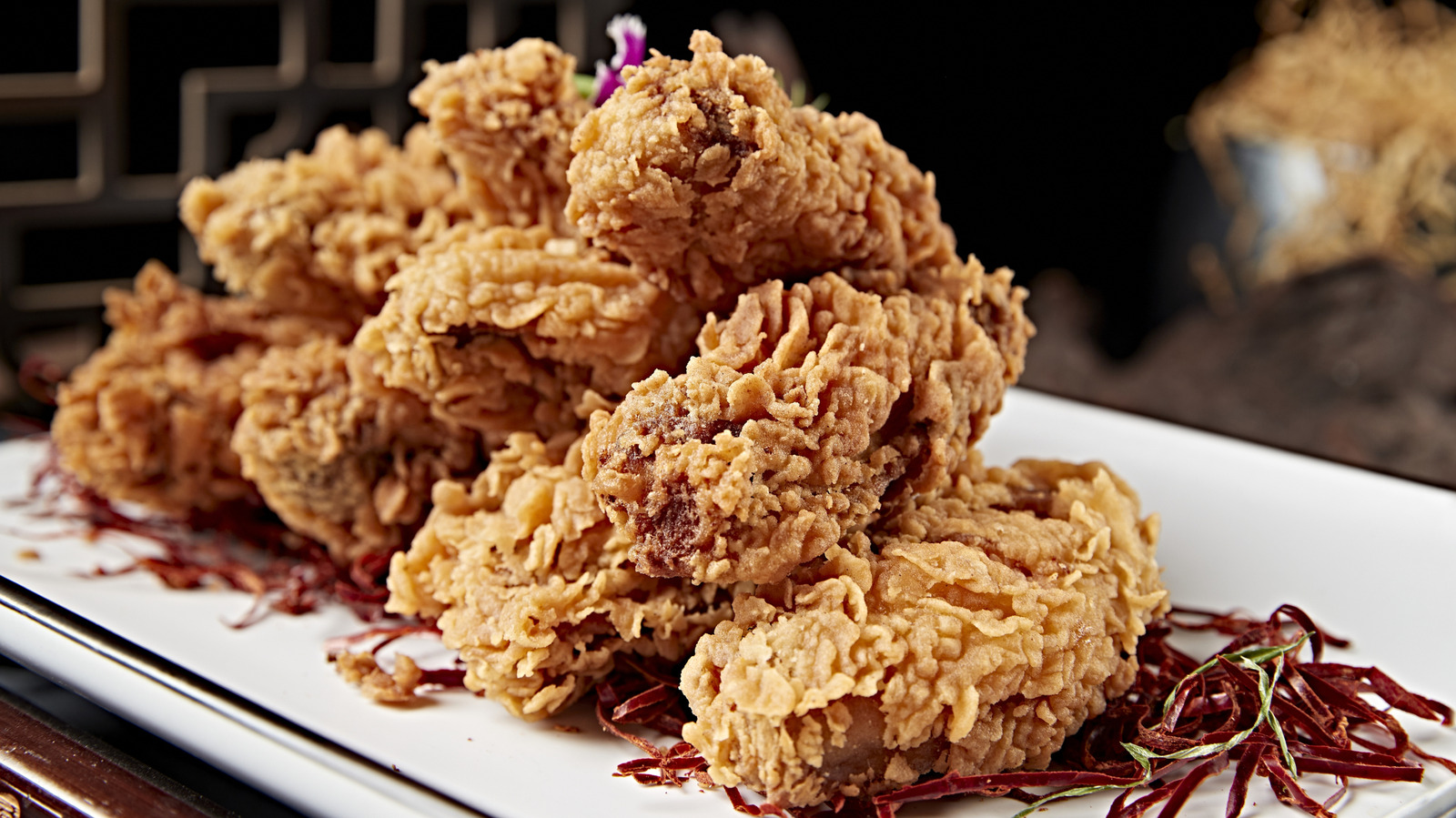
The Maillard reaction is a chemical process that occurs between amino acids and reducing sugars when exposed to heat, resulting in the browning of the food and the creation of complex flavors. By introducing the onion and garlic powders found in ranch mix into the flour coating, you provide additional sugars and sulfur-containing compounds that accelerate and deepen this browning process.
Furthermore, the salt content in the ranch mix acts as a brine. When you coat the chicken in a seasoned dredge, the salt draws moisture out of the surface of the meat. This moisture combines with the flour and seasoning to create a tacky, flavorful crust that seals to the chicken. As the temperature of the oil rises, this crust hardens, creating the iconic "shatter" that is the hallmark of superior fried chicken.
According to anecdotal evidence from amateur cooking circuits, the inclusion of MSG in these mixes is the "silent partner" in the recipe. MSG provides the "umami" sensation, which creates a lingering, savory mouthfeel that salt alone cannot achieve. This is why restaurant-style fried chicken often tastes "better" than homemade; professional kitchens have long understood the power of flavor enhancers that many home cooks are only now beginning to embrace.
Implications: Changing the Home Kitchen Landscape
The adoption of commercial seasoning mixes for culinary purposes has several significant implications for the home chef.
Efficiency and Consistency
The primary implication is the democratization of flavor. Creating a complex spice blend from scratch requires a significant inventory of spices—many of which go stale before they are fully used. A packet of ranch mix offers a pre-tested, balanced profile every single time. It removes the guesswork from the seasoning process, ensuring that even a novice cook can achieve a high-quality result.
The Rise of "Hybrid" Cooking
This trend is part of a larger movement toward "hybrid" cooking—a method where home cooks use high-quality, semi-prepared components to augment their scratch-made meals. It acknowledges that busy lifestyles necessitate shortcuts, but it refuses to compromise on the final quality of the meal.
Dietary Considerations
It is important to note that for those with specific dietary needs, such as low-sodium requirements or sensitivities to MSG, the ranch mix hack requires careful navigation. While effective, the sodium content in these packets is high. Cooks are advised to reduce the amount of additional salt added to the flour to compensate for the intensity of the seasoning mix.
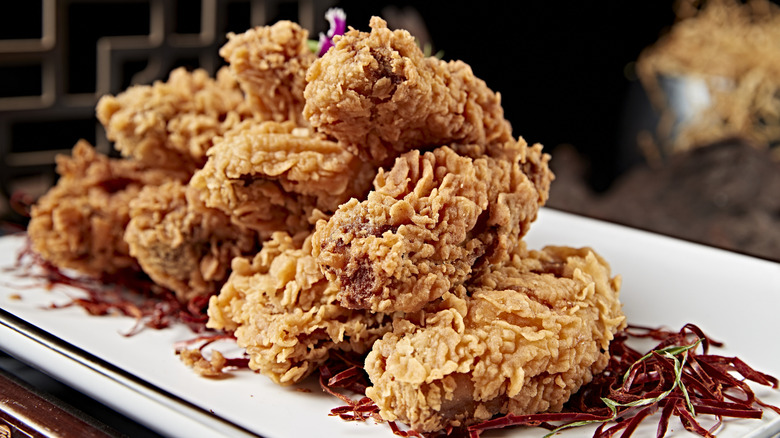
Practical Application: How to Incorporate Ranch into Your Cooking
To successfully integrate ranch seasoning into your next batch of fried chicken, consider the following methodology:
1. The Breading Ratio
A good rule of thumb is to use approximately 1.5 tablespoons of ranch seasoning for every cup of all-purpose flour. If you prefer a more subtle flavor, start with one tablespoon and taste-test a small piece of fried batter before committing to the whole batch.
2. The Marinade Technique
For an even deeper infusion of flavor, utilize the liquid form of the dressing. Marinating chicken pieces in ranch dressing for one to two hours before dredging them in the dry flour mix provides a two-stage flavor delivery system. The acidity in the buttermilk and sour cream base of the dressing helps tenderize the meat, while the herbs permeate the tissue.
3. Beyond the Chicken
The versatility of ranch powder extends well beyond poultry. It is an excellent addition to:
- Roasted Potatoes: Tossed in olive oil and dusted with ranch powder before roasting.
- Popcorn: A light dusting over buttered popcorn provides a savory snack that rivals any cinema experience.
- Roasted Salmon: Rubbing a small amount of ranch powder onto a salmon fillet before baking creates a delicious, herb-crusted finish.
Expert Perspective and Conclusion
Culinary professionals often emphasize that the best recipes are those that bridge the gap between tradition and innovation. While traditionalists may argue for a strictly "from scratch" approach, the reality is that the goal of cooking is to produce delicious food. If a pantry staple like a ranch dressing packet can elevate a home-cooked meal to a "tenfold" better experience, it deserves a place in every cook’s repertoire.
As the culinary landscape continues to evolve, the boundaries between store-bought and homemade will continue to blur. By embracing tools like ranch seasoning, the home cook is not "cheating"—they are curating. They are taking a classic, beloved dish and applying a modern, efficient technique to ensure that every bite is as flavorful and satisfying as possible.
The next time you find yourself craving that perfect, crispy, succulent fried chicken, do not hesitate to reach for that classic blue-and-yellow packet. Whether you are serving a crowd at a summer barbecue or simply looking to treat yourself on a weeknight, the inclusion of ranch seasoning is a small, low-effort step that yields massive, high-impact results. It is a testament to the fact that sometimes, the most delicious culinary revelations are hidden in plain sight, waiting in the very aisles we walk past every day.
