

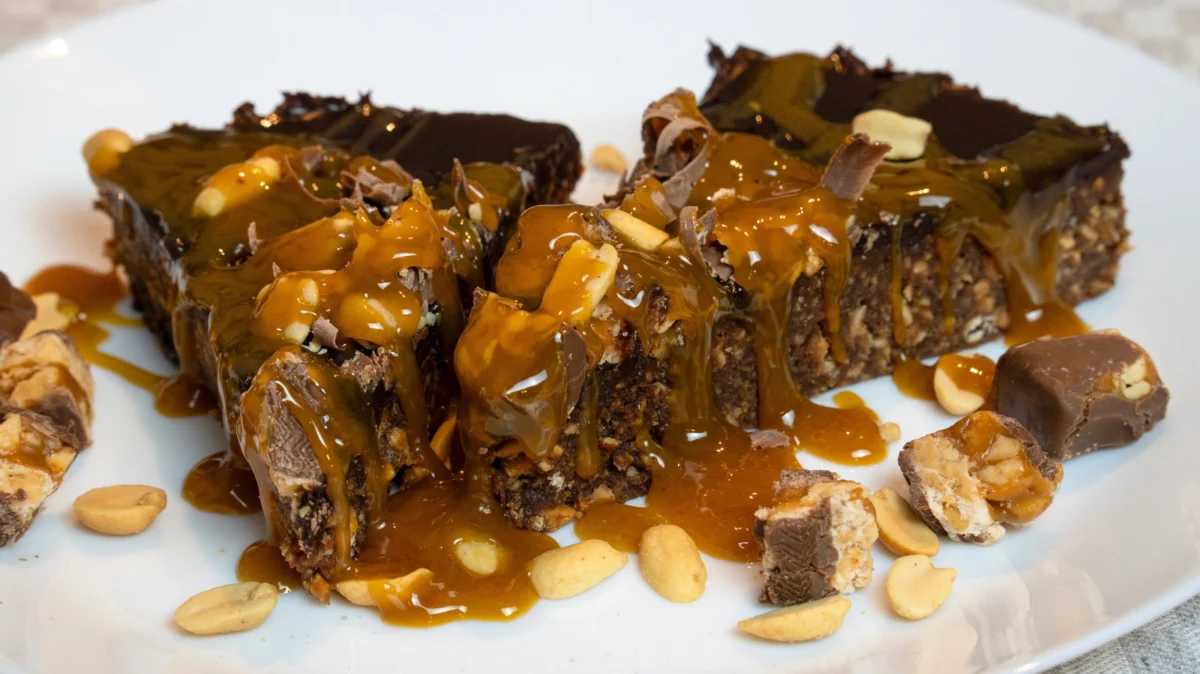
In the world of home baking, the humble box of cake mix is often viewed as a mere starting point—a blank canvas waiting for a stroke of culinary ingenuity. For the busy home cook or the last-minute party host, it represents the bridge between a craving and a finished, professional-looking dessert. By leveraging simple pantry staples, one can transform a basic chocolate cake mix into a sophisticated, multi-layered confection that mirrors the complex flavor profile of a Snickers candy bar. This transformation, known as the "poke cake," is not just a trend; it is a masterclass in texture, moisture, and flavor infusion that can be achieved in just 35 to 45 minutes.
The Science and Simplicity of the Poke Cake
The concept of the poke cake is elegant in its simplicity. After a cake is baked and while it is still warm, holes are punctured throughout the surface—typically using the handle of a wooden spoon. This creates a network of channels that allows a liquid medium to permeate the crumb.
Unlike traditional layer cakes, which rely on external frosting for moisture, the poke cake absorbs flavor from the inside out. When using a rich, chocolate-based cake mix, the infusion of a thick, buttery caramel sauce creates a moist, decadent base that mimics the soft nougat and caramel layers of a candy bar. This method effectively solves the common problem of dry boxed cakes, ensuring a luxurious mouthfeel that suggests hours of labor rather than a quick session in the kitchen.
Chronology of Preparation: A 35-Minute Timeline
Efficiency is the hallmark of this recipe. To achieve a high-quality dessert in under an hour, the process must be streamlined.
- 0–25 Minutes (The Bake): Prepare your standard chocolate cake mix according to the package instructions, incorporating eggs, oil, and water. Preheat the oven and ensure the pan is greased to prevent sticking. The baking time remains consistent with the package directions, usually around 20 to 25 minutes depending on your oven’s calibration.
- 25–30 Minutes (The Infusion): Immediately upon removing the cake from the oven, use the handle of a wooden spoon to poke uniform holes across the surface. While the cake is still steaming, drizzle high-quality caramel sauce over the top. The warmth of the cake thins the caramel slightly, allowing it to sink deep into the core. An offset spatula can be used to gently guide the sauce into the holes, ensuring an even distribution.
- 30–40 Minutes (The Cooling and Topping): Allow the cake to cool completely. This is the most crucial step; if the cake is too warm, the final layer of whipped topping will melt. Once cooled, spread a layer of light whipped topping (such as Cool Whip or stabilized fresh whipped cream) over the surface.
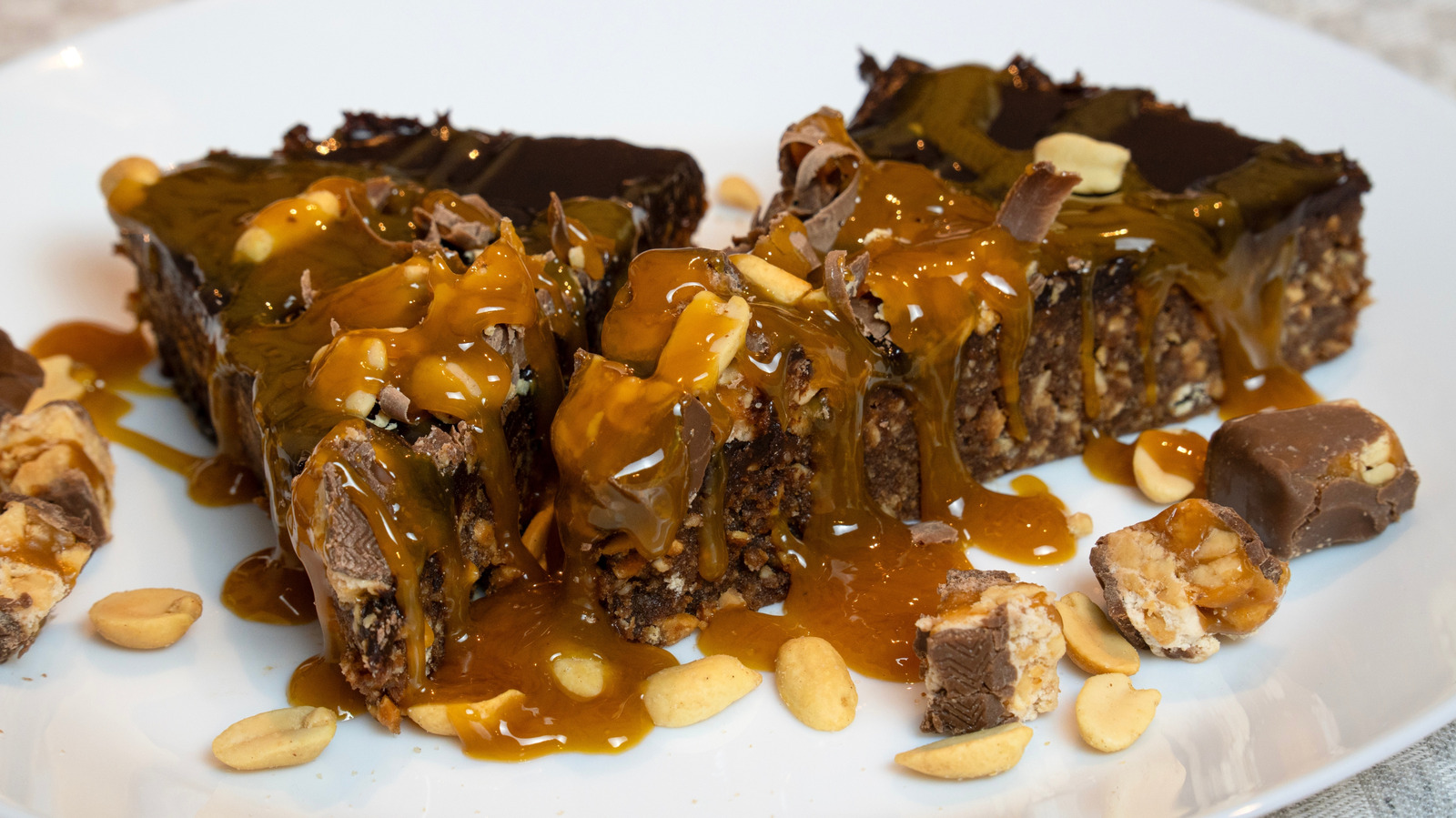
- 40+ Minutes (The Garnish): The final step involves the "Snickers treatment." Chop full-sized Snickers bars into bite-sized pieces and scatter them across the whipped topping. A secondary drizzle of caramel or chocolate sauce adds a professional, "bakery-style" finish.
Supporting Data: Why Pantry Staples Matter
The success of this dessert relies on the quality of the components added to the base mix. While the cake mix provides the structure, the flavor profile is dictated by the "add-ons."
The Role of Caramel and Chocolate
Market research and blind taste tests have consistently shown that the viscosity of the caramel sauce is paramount. Thinner, syrup-like sauces may soak into the cake too aggressively, turning it soggy, whereas overly thick sauces may sit on the surface. Utilizing premium brands—such as those identified in culinary rankings from outlets like Tasting Table—ensures that the caramel retains a buttery, complex note that balances the intense sweetness of the chocolate cake.
Textural Contrast: The "Snickers" Effect
A Snickers bar is defined by its trinity of flavors: salty peanuts, chewy caramel, and smooth milk chocolate. When replicating this in a cake, the inclusion of chopped peanuts is non-negotiable. If you find yourself without a candy bar, crushed roasted, salted peanuts are an excellent substitute. The salt content in the peanuts serves as a critical palate cleanser, cutting through the sugar of the cake and preventing the dessert from becoming cloying.
Official Culinary Perspectives on "Hack" Baking
Professional pastry chefs have long debated the merits of "semi-homemade" baking. While purists argue for scratch-made batters, the culinary industry increasingly acknowledges the utility of boxed mixes as a reliable base.
According to various food science experts, the emulsifiers and leavening agents found in commercial cake mixes are engineered for consistency, making them ideal for high-moisture recipes like poke cakes. When you introduce a heavy liquid—like caramel sauce—to a delicate scratch-made cake, it is more likely to collapse. The structural integrity of a high-quality boxed mix is often superior for this specific application, making it the preferred choice even in some professional kitchens looking for quick-turnover dessert solutions.
Implications for Modern Entertaining
The rise of the "35-minute dessert" reflects a shift in modern lifestyle and home entertaining. In an era where time is a premium commodity, the ability to produce a "wow-factor" dessert without the need for complex techniques like tempering chocolate or making custard from scratch is invaluable.
Accessibility and Inclusion
This recipe is highly democratic. It requires no specialized culinary equipment—only a mixing bowl, a whisk, and a spoon. By allowing for substitutions (such as using peanut butter as a flavor enhancer in the batter or swapping candy types), the recipe invites amateur cooks to experiment with flavor balancing. It encourages the "make it your own" mentality that has defined the recent boom in home cooking tutorials on social media platforms.
Economic Considerations
Beyond time-saving, the Snickers poke cake is an exercise in economic efficiency. A standard boxed cake mix, a jar of caramel, and a few candy bars cost a fraction of what one would pay for a specialty dessert at a restaurant or gourmet bakery. For families or those hosting large gatherings, this provides a way to serve a high-impact dessert that appeals to a wide demographic—from children who love the candy association to adults who appreciate the balance of chocolate and caramel—without breaking the budget.
Conclusion: Mastering the Art of the Shortcut
The Snickers poke cake is more than just a convenient treat; it is a prime example of how modern home cooks can leverage existing products to create something greater than the sum of its parts. By understanding the mechanical requirements of the poke cake—the timing of the infusion, the importance of the cooling phase, and the necessity of textural contrast—one can produce a dessert that satisfies the most demanding guests.
Whether you are a novice looking to build confidence in the kitchen or a seasoned baker seeking a stress-free solution for your next gathering, this recipe offers a reliable, delicious, and deeply indulgent path to success. The next time you find yourself staring at a box of cake mix in the pantry, remember that with a little caramel, a few candy bars, and thirty-five minutes of effort, you are not just making a cake—you are crafting a culinary experience.
