

In the corridors of art history, the concept of "late style" has long been dominated by the masculine gaze—a narrative of the aging male master retreating into abstraction or existential minimalism. But what happens when we shift the lens toward the women who have spent decades outside the spotlight, only to find the market and institutional gaze turning toward them well into their eighth or ninth decades?
The Prime of Your Life, a provocative exhibition currently on view at the Marc Straus Gallery in New York, attempts to dismantle the traditional, often narrow, definitions of artistic maturity. By gathering 18 women artists, all over the age of 75, the exhibition serves as both a curatorial challenge and a systemic critique of the art market’s selective memory.
The Theoretical Framework: Nochlin and the Architecture of "Late Style"
To understand the weight of this exhibition, one must return to the seminal work of feminist art historian Linda Nochlin. In her 2008 essay, Old-Age Style: Late Louise Bourgeois, Nochlin grappled with the evolution of an artist’s output over a seven-decade career. Drawing upon the literary theories of Edward Said, Nochlin argued that "late style" is rarely about the refinement of a craft. Instead, it is an abandonment of the "comforting segues and aesthetic connections" that previously held an artist’s career together.
Late style, in this view, is defined by "disconnects, abysses, unyielding dislocation, and unresolved contradiction." It is a disruption. The Prime of Your Life adopts this framework not as a celebratory retrospective of "elderly" artists, but as a critical inquiry into why society waits so long to grant these women the status of "prime."
Chronology of a Curatorial Inquiry
The exhibition is not a chronological march through history; it is a spatial conversation. The trajectory of the show begins with the fundamental tension between biography and aesthetic output.
- The Early Foundation: The works featured represent a cumulative knowledge base. These artists, having navigated the systemic exclusions of the 1960s, 70s, and 80s, now operate with a freedom that is often denied to younger, "market-ready" artists.
- The Mid-Career Struggle: Many of the artists in the show, including figures like Rose Wylie, spent decades in relative obscurity. Their "prime," by market standards, arrived only recently, forcing a re-evaluation of their earlier works through the lens of their current visibility.
- The Current Moment: The exhibition positions the present moment as the culmination of these disparate paths, asking viewers to reconcile the "early" work with the "late" output.
Supporting Data: The Market Paradox
The statistics regarding women in the art market are well-documented and grim. According to recent reports from the Art Basel and UBS Global Art Market Report, women artists remain significantly underrepresented in museum acquisitions and secondary market auctions.
When a woman artist finally achieves "blue-chip" status, it often happens at a point where the market can frame her as a "discovery." The Prime of Your Life challenges this framing. By placing these 18 women in one space, the exhibition highlights a critical data point: the "prime" of a woman artist is frequently manufactured by the market’s late-stage interest rather than an organic, sustained career trajectory.
For the artists involved, this creates a complex reality. The market value of a 75-year-old artist’s work is often tethered to the "novelty" of their survival. The gallery, by hosting this exhibition, invites a critique of its own industry: are we valuing the art, or are we consuming the narrative of the "survivor"?

Case Study: Marina Abramović and the Burden of Legacy
The exhibition’s inclusion of Marina Abramović’s Standing with Skeleton (2008/2016) serves as the show’s most contentious anchor. Placed near the entrance, the photograph depicts the artist in silhouette with an ivory skeleton draped over her back.
For an artist whose career was built on the visceral, high-stakes endurance of the body—most notably in her 2010 performance The Artist is Present—this photograph poses a difficult question: Does the work diminish in the context of her earlier, more "rigorous" feats?
If The Artist is Present was a zenith of human connection, Standing with Skeleton feels like a meditation on the inevitability of the void. Yet, because of her stature, the piece risks being read as a "comic pastiche" or mere Halloween-esque imagery. The exhibition uses this tension to ask: Does a "lesser" late work retroactively weaken the strength of an earlier, more provocative one? Or, perhaps more optimistically, are we witnessing the beginning of a new epoch in Abramović’s career—one that is not beholden to the expectations of her past performance art?
Official Perspectives and Critical Implications
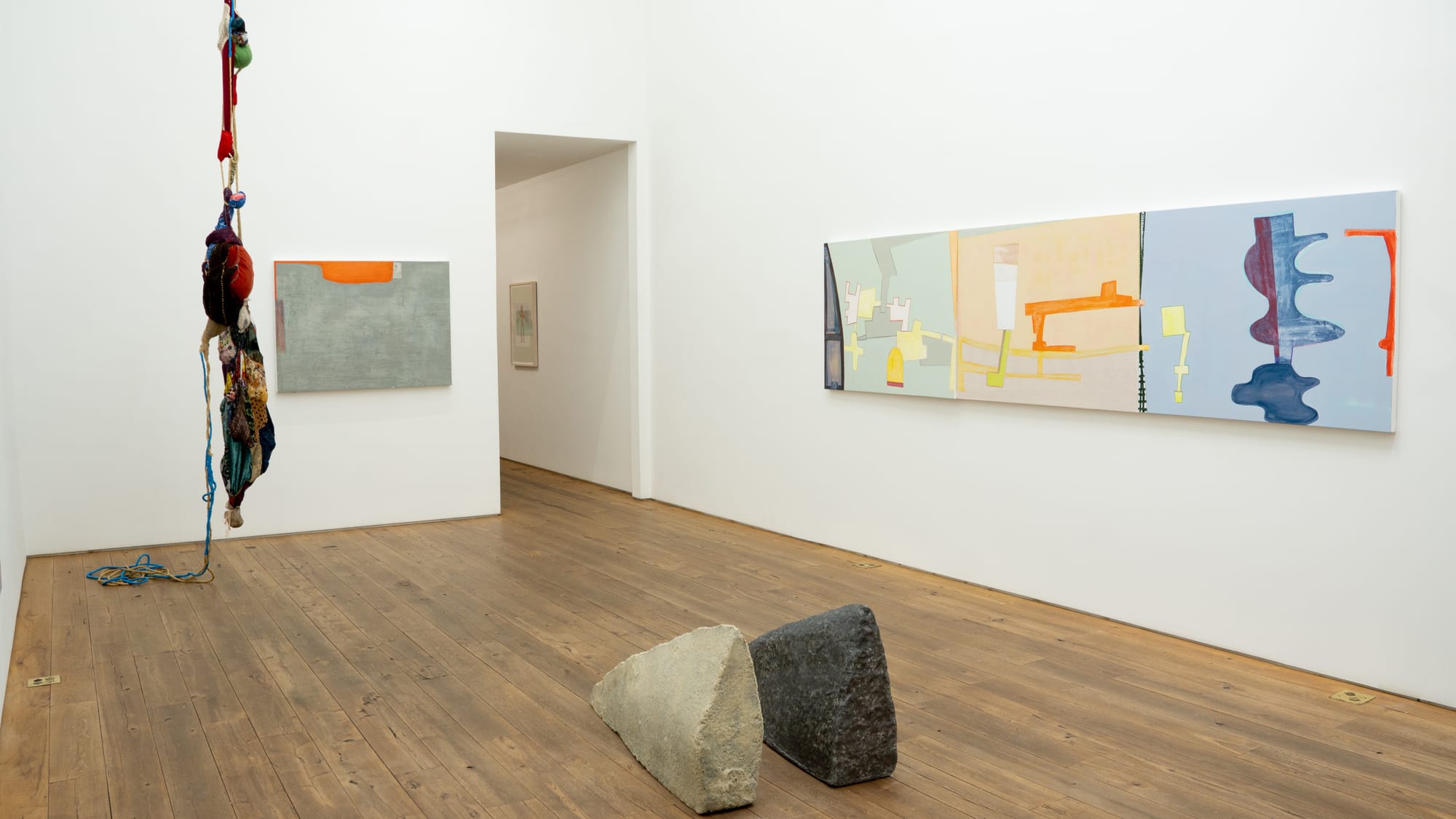
Marc Straus Gallery, in presenting this collection, has opted for a "cacophony" over "unified harmony." There is no single aesthetic thread; painting, sculpture, and installation exist as a series of calls and responses.
The implications of this curatorial choice are profound:
- Breaking the "Generational Statement": By refusing to present these women as a monolith, the gallery allows for individual agency. Each artist is not merely a representative of her age, but a distinct practitioner.
- Redefining "Prime": The exhibition forces a shift in language. If "prime" is usually associated with youth, energy, and peak fertility, this exhibition reclaims the term to describe a state of intellectual and aesthetic crystallization.
- Institutional Responsibility: The show acts as a mirror to institutions that have historically ignored these artists. It suggests that the "late style" of these women—often characterized by boldness and a lack of concern for market-pleasing aesthetics—is precisely why they are so vital to 21st-century art history.
The "Abyss" of Recognition
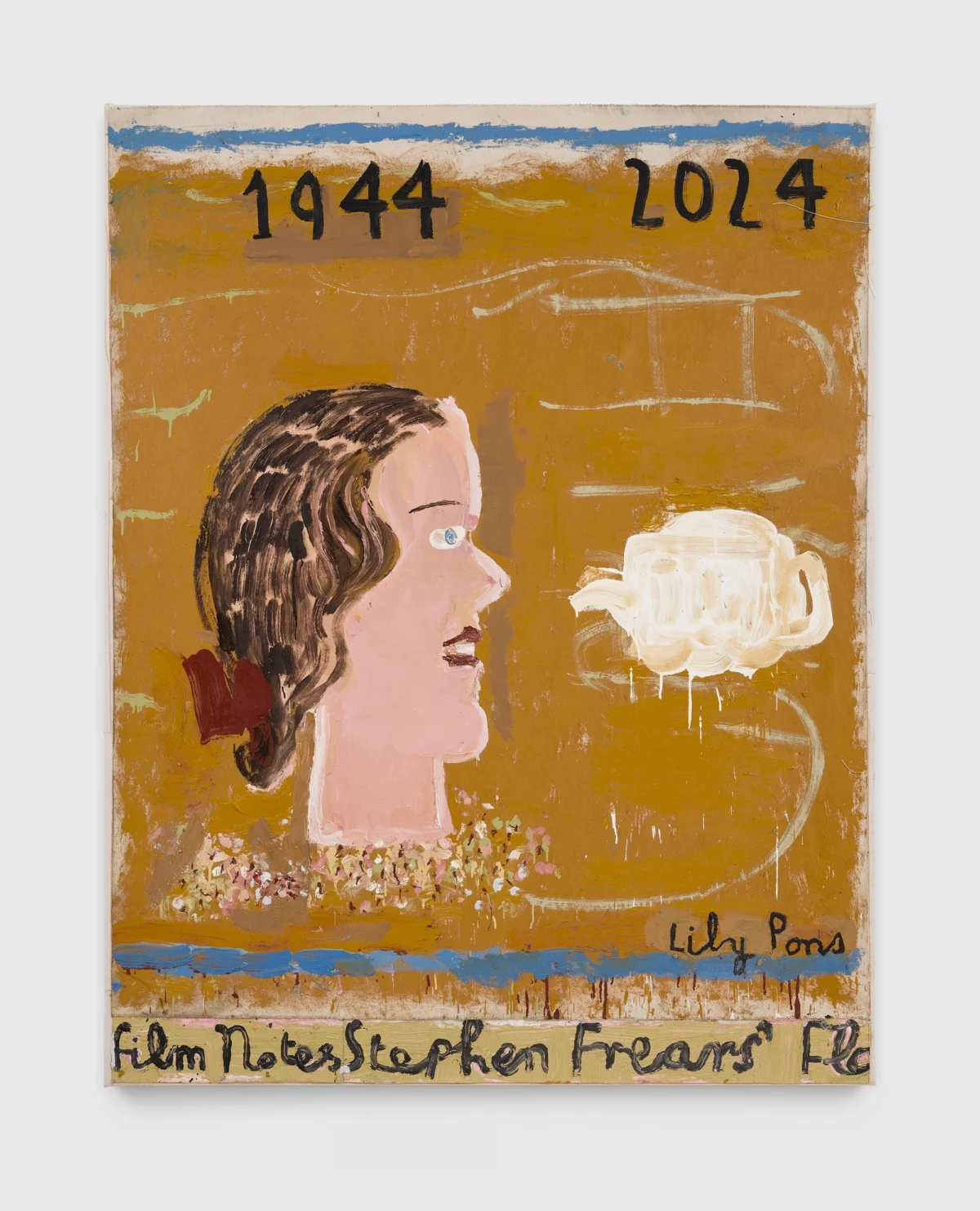
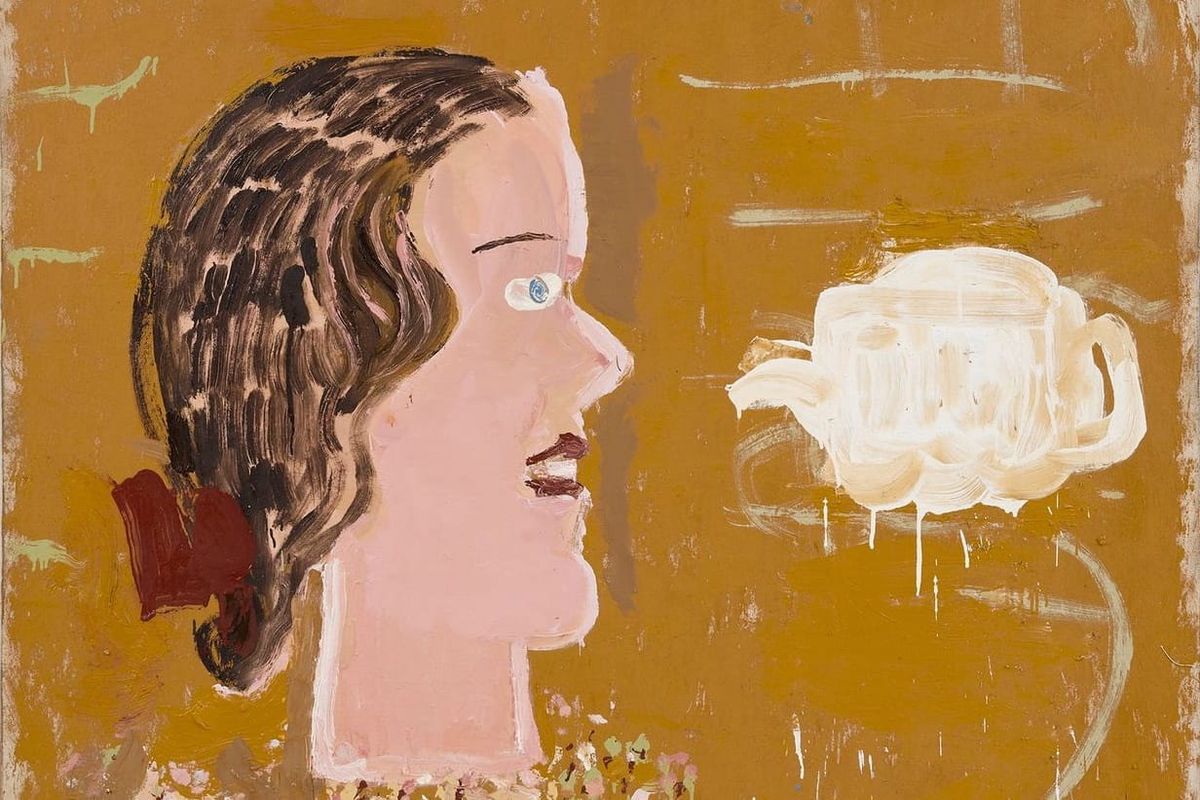
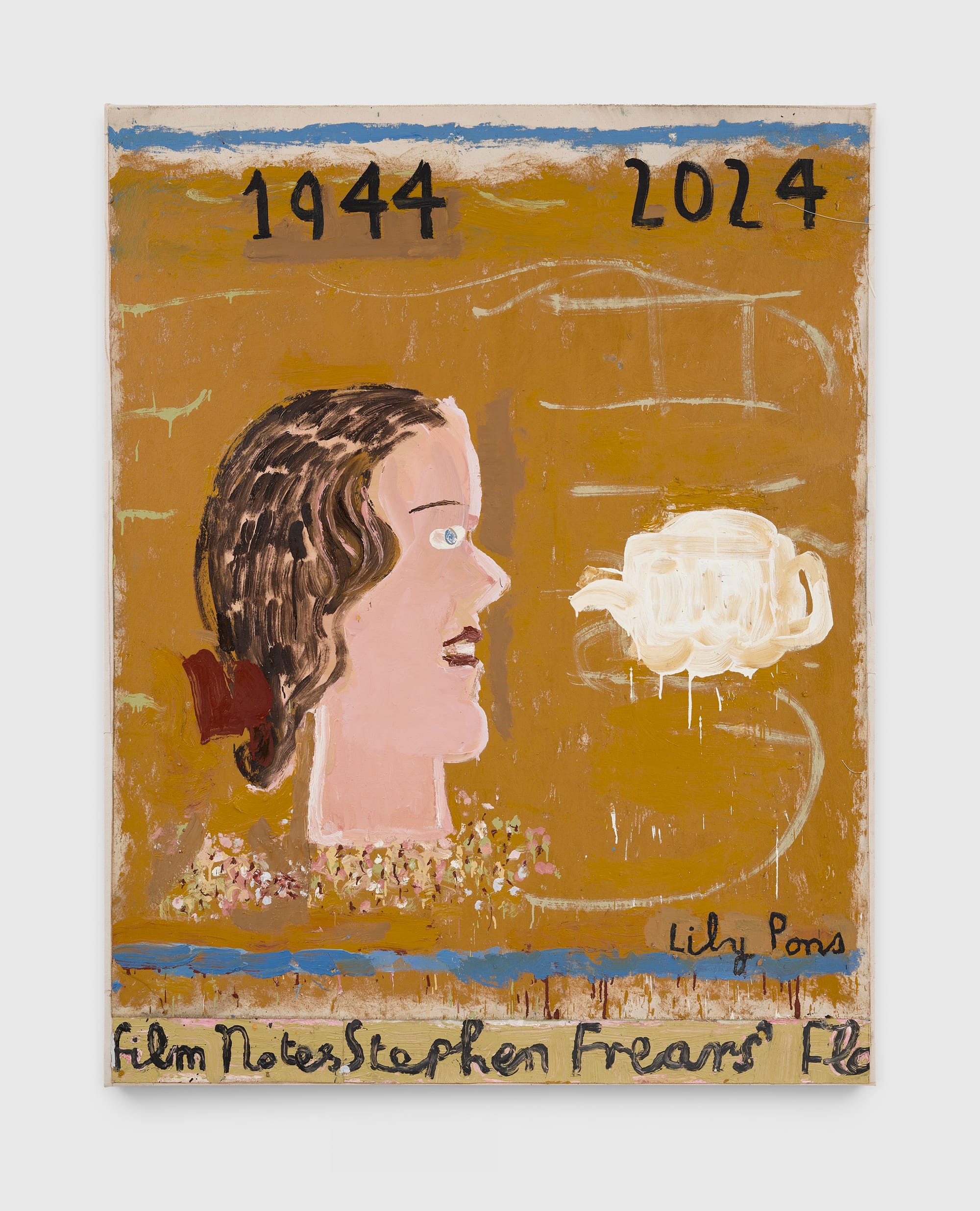
The "abyss" mentioned by Nochlin is present in every corner of The Prime of Your Life. It is in the raw, unapologetic brushwork of Rose Wylie’s Opera Singer and Teapot; it is in the conceptual weight of the installations that defy the delicate sensibilities often projected onto elderly women.
The exhibition ultimately suggests that we have been looking at "late style" all wrong. We view it as a conclusion, a winding down. But for the 18 women featured, this work is not a closing statement. It is a re-assertion of presence.
As we move further into the 21st century, the art world must reconcile with the fact that the most interesting, challenging, and "dislocated" work is often being produced by those who have nothing left to prove to the market. The "prime" of these artists is not a destination they have reached; it is a state of being that they have carved out of the silence of institutional neglect.
Conclusion: A Call for Future Re-evaluation
The Prime of Your Life is not just an exhibition; it is an interrogation of the machinery of fame. By placing these artists in conversation with one another, the Marc Straus Gallery has provided a space to witness the evolution of artistic courage.
Whether or not the market will continue to valorize these artists remains to be seen. However, the exhibition succeeds in its primary goal: it forces the viewer to confront the "unresolved contradictions" of a life spent in pursuit of art. As Nochlin might have suggested, the beauty here is not in the resolution of these careers, but in the glorious, messy, and uncompromising nature of their persistence. These are not women at the end of their story; they are women who have finally rewritten the terms of their own visibility.
