

As the crisp air of late autumn signals the end of the growing season, gardeners across the Northeast are bracing for the inevitable arrival of the first hard frost. For New Jersey-based garden designer Ellen Goldfarb, the impending cold front served as an urgent call to action. While Goldfarb has spent much of the week showcasing her sophisticated fall container designs, today we shift our focus to the heart of her property: a flourishing, highly productive cutting garden that has defied the odds to provide one last, vibrant bouquet of color before winter’s dormancy.
The Evolution of a Garden: From Shadow to Sunlight
The story of Goldfarb’s cutting garden is one of serendipity and strategic transformation. For years, the space that now hosts her prized dahlias and zinnias was a victim of excessive shade, cast by a massive, mature tree on the neighboring property. The area was largely unsuitable for the sun-loving annuals and perennials that characterize a classic cutting garden.
However, the landscape shifted dramatically when the neighbor removed the towering tree. "Sad for the tree, but good for me!" Goldfarb reflects. With the eastern exposure suddenly bathed in direct sunlight, the potential for a high-yield garden was unlocked. Now in its third year, the garden has become a centerpiece of her horticultural practice, demonstrating how quickly a space can be reclaimed and repurposed with the right light conditions.
Structural Integrity: The Foundation of Success
Goldfarb’s garden is defined by its robust, functional infrastructure. Eschewing traditional in-ground planting, she utilizes two substantial raised beds, each standing 17 inches high. The beds, measuring 4 feet wide and varying in length at 8 and 10 feet, are constructed from reclaimed railroad ties. This choice of material offers a rustic, grounded aesthetic while providing the necessary soil depth and drainage required for deep-rooted plants.
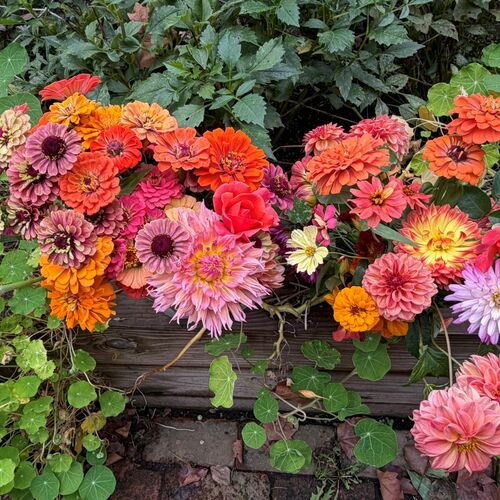
The southern exposure, combined with the elevated soil temperature offered by raised beds, has allowed Goldfarb to cultivate a diverse array of flora. Beyond the cutting flowers, the garden functions as a micro-farm. Her setup includes:
- The Bean Tunnel: A vertical structure supporting Phaseolus vulgaris, an annual favorite that maximizes space.
- Tomato Production: A dedicated space for 21 Solanum lycopersicum plants, ensuring a robust harvest throughout the warmer months.
- Fig Cultivation: A specimen Ficus carica, hardy in Zones 7–10, which adds an architectural, Mediterranean flair to the landscape.
The Chronology of the Final Harvest
The transition from a thriving summer garden to a winterized state is often a race against the thermometer. When meteorological reports signaled a looming frost, Goldfarb initiated an emergency harvest. This process is both a practical necessity and a bittersweet ritual for the gardener.
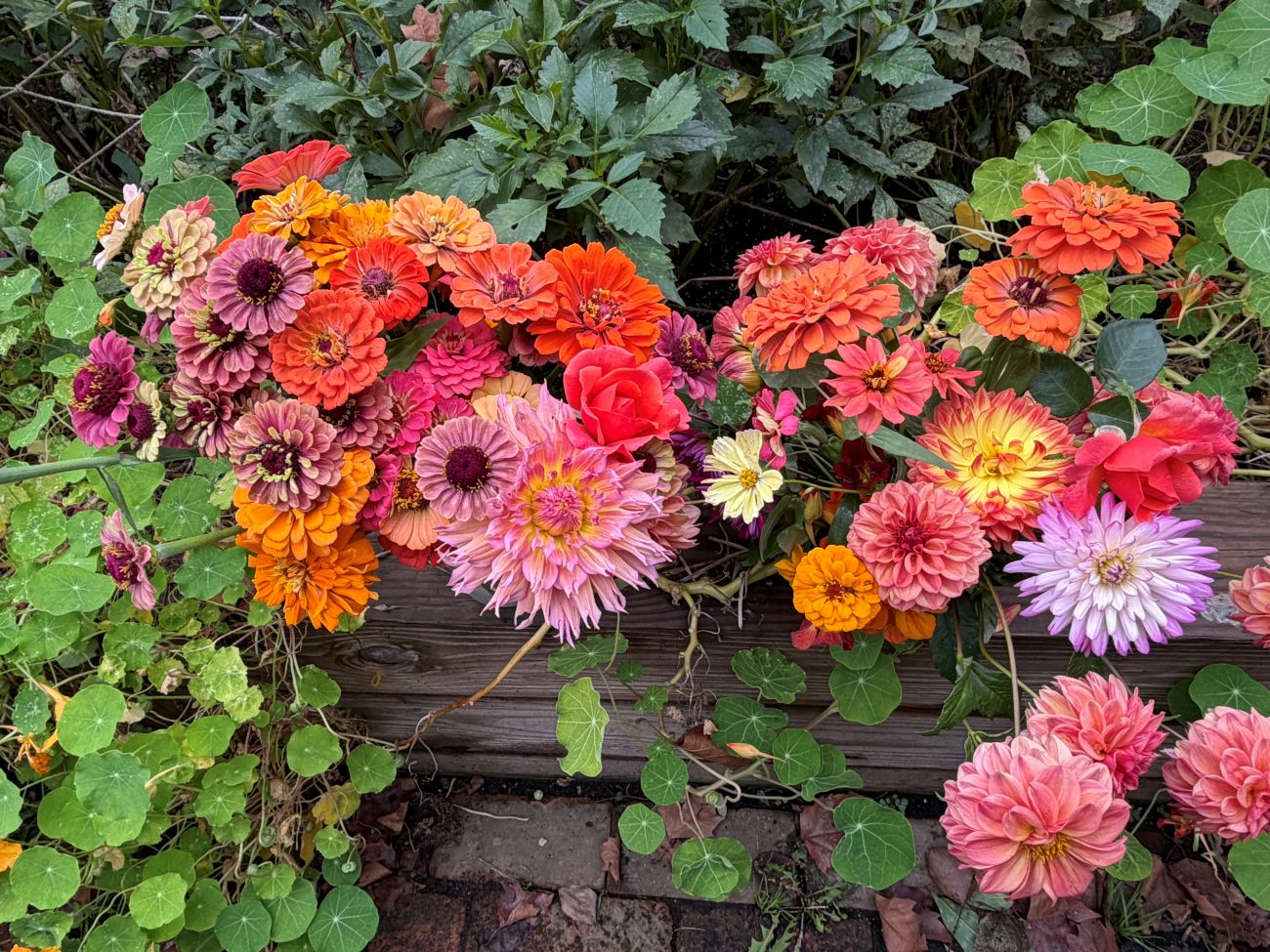
"I picked all my dahlias (Dahlia cvs., Zones 8–11), zinnias (Zinnia elegans), and roses (Rosa cvs., Zones 4–9) because we were expecting a frost that night," she explains. This final collection represents the culmination of a full season of care—deadheading, watering, and soil amendment.
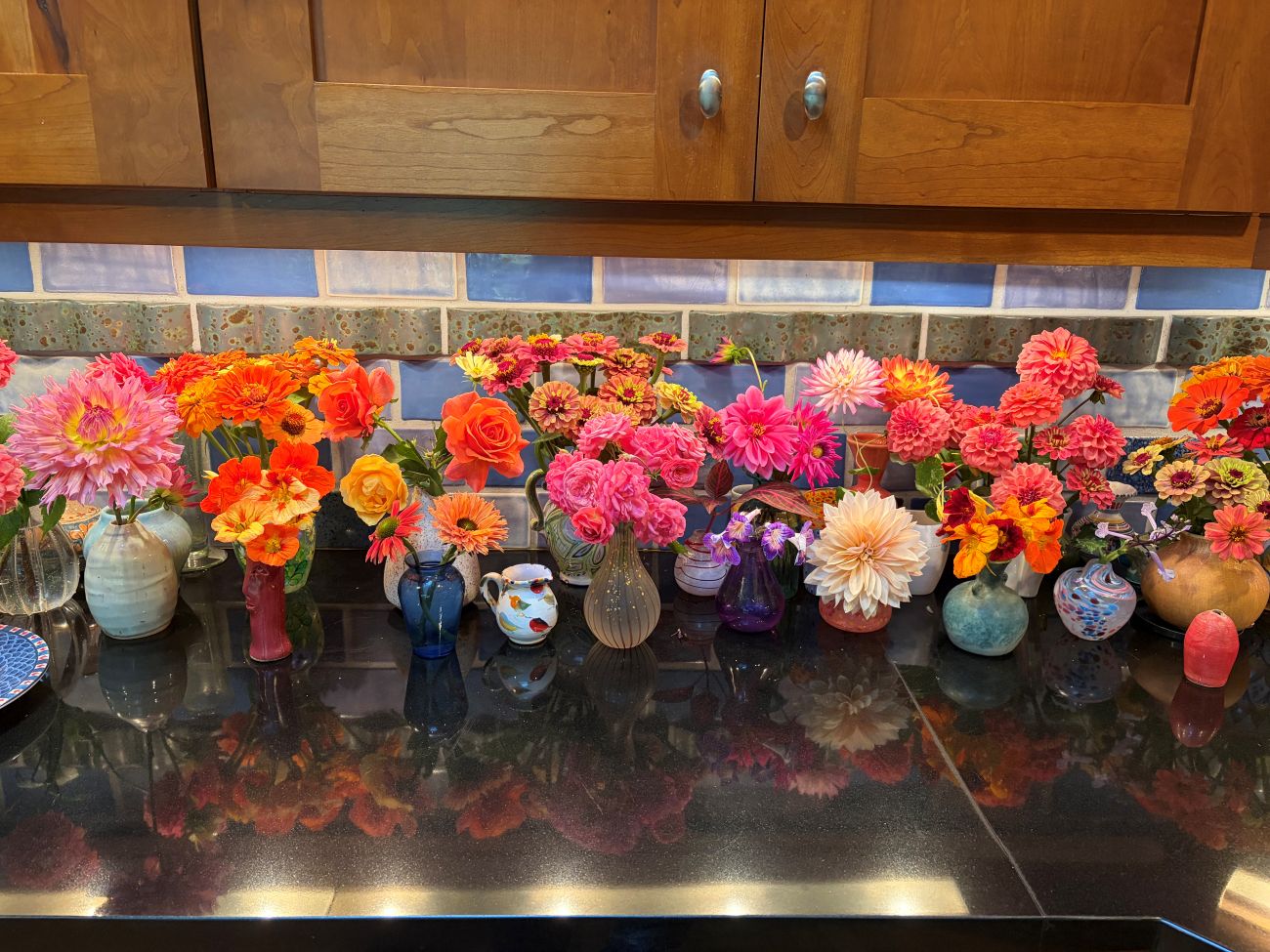
The harvest resulted in a stunning series of arrangements. By bringing these blooms inside, Goldfarb effectively "rescued" the fleeting beauty of the season. The process of arranging these stems into vases serves as a final audit of the year’s performance, allowing the designer to reflect on which varieties performed well and which failed to meet expectations.
Supporting Data: Understanding the Plant Selection
Goldfarb’s success in the garden is rooted in her selection of high-performance cultivars. Understanding the specific needs of these plants is critical for any designer aiming to replicate her results.
The Stars of the Cutting Garden
- Dahlias: Known for their complex, geometric blooms, dahlias require deep, well-draining soil—a need perfectly met by Goldfarb’s 17-inch raised beds. They are the undisputed stars of the late-summer and early-autumn garden.
- Zinnias: These annuals are arguably the most reliable producers in a cutting garden. They thrive on the "cut and come again" principle: the more you harvest, the more the plant branches out and produces new buds.
- Roses: The inclusion of roses adds a layer of sophistication and fragrance that few other cut flowers can match. By choosing varieties hardy to Zones 4–9, she ensures that her garden remains resilient even during colder-than-average seasons.
The Indoor Addition: A Bridge to Winter
Not every plant in her arrangements came from the outdoor beds. Goldfarb included a delicate, purple-flowering stem of cape primrose (Streptocarpus cvs.). Unlike her outdoor annuals, the cape primrose is a tender plant that Goldfarb had recently transitioned indoors to protect it from the encroaching winter. This practice of "bringing the garden inside" is a hallmark of an experienced gardener who understands the seasonal cycle of dormancy and protection.
Official Perspectives: The Value of Garden Documentation
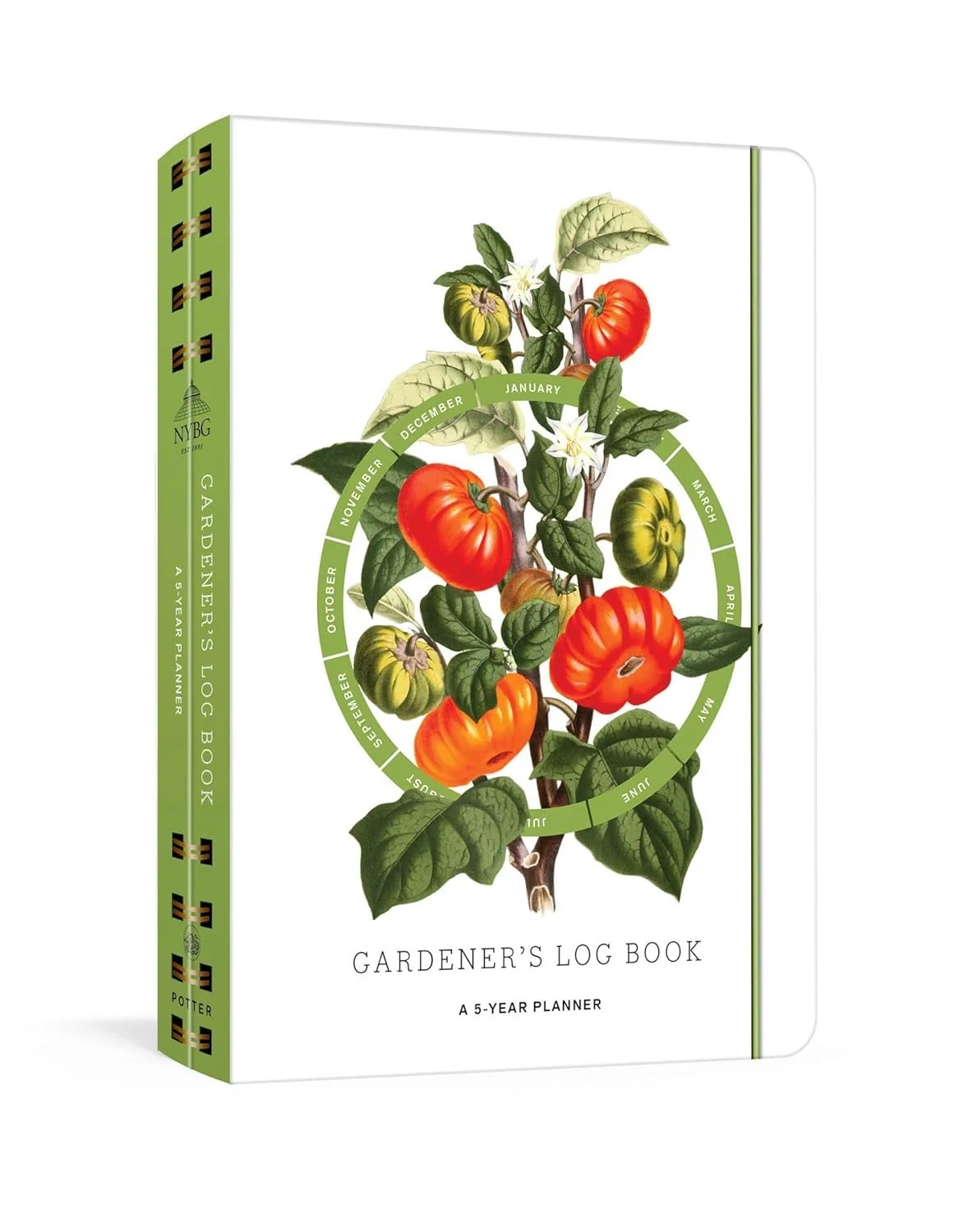
In the professional gardening community, the end of the season is not just about clearing beds; it is about data entry. Goldfarb’s approach highlights the importance of the "gardener’s log"—a practice heavily encouraged by horticultural institutions like the New York Botanical Garden (NYBG).
Maintaining a record of what was planted, when it bloomed, and how it survived the summer heat is essential for planning the following year. As the gardening industry moves toward more sustainable and data-driven practices, tools such as weatherproof logbooks have become standard equipment. These logs allow designers to track:
- Bloom Windows: Identifying when specific varieties peak to ensure continuous color.
- Pest and Disease Management: Noting which plants were susceptible to blight or insect damage.
- Soil Fertility: Recording fertilization schedules to ensure the soil remains nutrient-rich year after year.
Implications for Future Gardeners
The success of Ellen Goldfarb’s garden carries several implications for those looking to start or improve their own cutting gardens.
The "Fail Fast" Philosophy
Goldfarb’s openness about the trial-and-error nature of her work—noting that some plants make the list for next year while others are discarded—is a vital lesson. Gardening is an iterative process. A failure to produce flowers is not a personal failure, but a piece of information that dictates the next planting cycle.
Infrastructure Matters
The shift from shade to sun provided the opportunity, but the infrastructure of the raised beds provided the success. For urban or suburban gardeners with poor soil or limited space, constructing raised beds using durable, rot-resistant materials (or even modern alternatives like Corten steel) can provide the control necessary to grow high-maintenance flowers.
The Holistic View
Finally, the transition from garden design to "garden-to-vase" displays a holistic approach to the craft. A garden is not merely a collection of plants; it is a source of joy, a provider of food (tomatoes and beans), and a supplier of interior decor. By integrating these elements, Goldfarb demonstrates that the modern garden is a multifunctional space that enhances both the exterior and interior of the home.
Conclusion: Join the Conversation
As we close out our coverage of Ellen Goldfarb’s beautiful New Jersey garden, we are reminded that every plot of land holds the potential for transformation. Whether you are a master gardener or a novice with a single planter, your experiences contribute to the wider community of growers.
The editorial team at Fine Gardening invites readers to share their own horticultural journeys. Whether you have achieved a record-breaking harvest, designed a unique raised-bed configuration, or simply learned a valuable lesson from a season that didn’t go quite as planned, we want to hear from you. Submissions are currently open for the "Garden Photo of the Day," and we encourage you to include details about your location, your successes, and your hopes for the next growing season.
As we look toward the future, remember that every winter is simply the prologue to the next spring. With the right planning, the right soil, and a bit of trial and error, your garden—like Ellen’s—will be ready to burst into color when the sun returns.
