

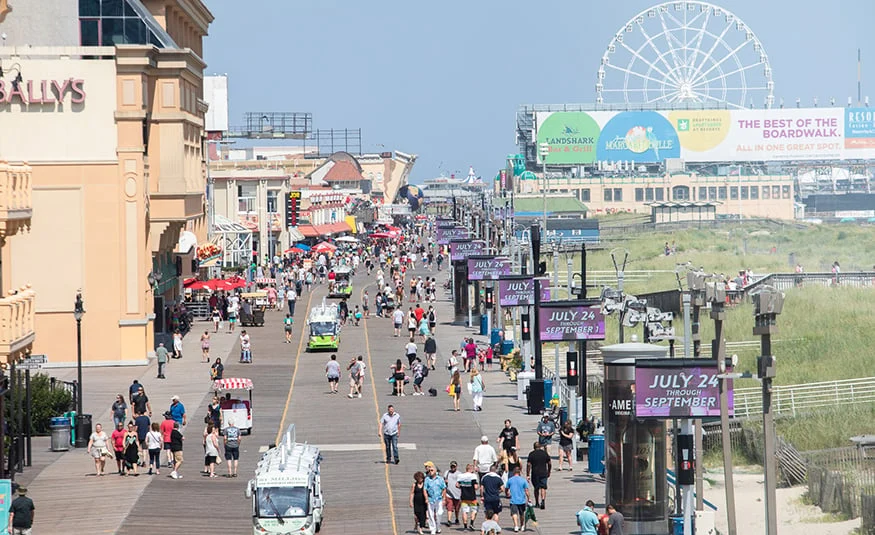
Atlantic City, NJ – The iconic, albeit long-dilapidated, site of the former Trump Plaza Hotel and Casino in Atlantic City has a new owner, and with it, a potential paradigm shift for the city’s future. South Jersey businessman George Norcross III, along with his adult children Alessandra and Alexander, and other partners, has acquired the prime boardwalk property for $5 million, a transaction that has ignited discussions about a broader revitalization strategy for the seaside resort. Norcross, a prominent figure in New Jersey’s business and political landscape, has articulated a vision that moves beyond the city’s traditional gaming-centric identity, emphasizing expanded housing opportunities, enhanced public safety, and a deliberate positioning of Atlantic City as a premier family destination.
The Genesis of a New Vision: Norcross’s Acquisition and Initial Thoughts
The sale of the former Trump Plaza, a site that has stood vacant and decaying for years, marks a significant turning point. Norcross, speaking exclusively to NJBIZ, offered a glimpse into his strategic thinking, hinting at a multifaceted approach to redeveloping the property and, by extension, contributing to the city’s overall resurgence. While not committing to definitive blueprints, his remarks underscore a belief in Atlantic City’s untapped potential and a desire to cultivate a more inclusive and appealing environment for residents and visitors alike.
"I think in that area, you need attractive housing, on the boardwalk," Norcross stated, drawing a parallel to other desirable coastal communities. "If you look at any community up-and-down New Jersey on the beach, you’re going to find substantial high-end, beautiful residential. I’d love to live in Atlantic City on the boardwalk." This sentiment reflects a personal connection to the city’s past, recalling fond childhood memories of the boardwalk. "When I was a kid, I walked it, I rode my bike, and I’d like nothing more to be living there, and so would a zillion other people who can’t find affordable housing or any housing on the beach in the Jersey Seaboard doesn’t exist."
This emphasis on residential development signals a departure from a singular focus on gaming. Norcross perceives the evolving regional entertainment landscape, with increasing competition from neighboring casinos, as an impetus for Atlantic City to diversify its appeal. The vision is one of a vibrant, year-round community, not solely reliant on the ebb and flow of casino tourism.
A Foundation of Safety: Addressing Public Security as a Prerequisite for Growth
A cornerstone of Norcross’s proposed revitalization strategy, and indeed a sentiment echoed by local leadership, is the paramount importance of public safety. Atlantic County Executive Dennis Levinson has been a vocal advocate for increased law enforcement presence, identifying it as a critical factor in attracting and retaining visitors.
"We have one of the highest debts in the whole country. A little moral there and get some cops in there and I guarantee one thing: If you feel safe, you’re going to come into the city and you’re going to come back," Levinson asserted during a recent Atlantic County Economic Alliance briefing on the future of the casino industry. He highlighted the city’s existing assets, stating, "We have the finest restaurants, finest chefs, finest entertainment, the beach, the boardwalk. But you want to be safe. You want your kids to go to Atlantic City. Now, right now. Get those police officers out there and make them visible. Very simple solution."
Norcross wholeheartedly endorsed this perspective. "One hundred percent – a place has to be safe and people have to feel safe," he affirmed. He acknowledged Levinson’s proposed approach, suggesting the possibility of leveraging county resources to enhance security across the Pacific Avenue to the ocean corridor. This collaborative approach to public safety underscores a shared understanding that a secure environment is fundamental to any successful redevelopment initiative.
Beyond immediate policing, Norcross also pointed to the need for comprehensive urban renewal. "You also need condemnation, demolition, you need a rebuilding of the several mile stretch of the boardwalk and the beaches," he stated. He further advocated for a resurgence in public education, drawing a parallel to the successful Renaissance school program implemented in Camden. "The Renaissance school program has produced amazing results; I think Atlantic City should take advantage of that." This holistic view encompasses not only physical infrastructure but also the social and educational fabric of the community.
Building a Family Destination: Tapping into Atlantic City’s Untapped Potential
Norcross expressed a strong belief in the current leadership of Atlantic City, including Governor Mikie Sherrill, and sees immense potential in transforming the city into a family-friendly resort. He cited the substantial annual visitor numbers, estimating "something like 36 million people visit Atlantic City on an annual basis," as evidence of the city’s inherent appeal.
"So, what you really need – and I think this governor is going to step up – is to present a plan in conjunction and partnership with Atlantic County, the city of Atlantic City and come forth with something that is going to launch it," Norcross urged. His vision is not to replicate other destinations but to carve out a unique niche.
"Camden doesn’t have an ocean and a beach and a boardwalk, and gaming, but it if it did, it’d be Milan, Italy," he mused, illustrating his point. "Atlantic City has so much potential, with the right leadership, the right bipartisan support, and transforming it into a family destination resort. It’s not going to be Las Vegas, it’s going to be family, and that is what I think will be the success." This strategic positioning aims to attract a broader demographic, capitalizing on the city’s existing amenities while fostering an environment conducive to family enjoyment.
Strategic Location and Zoning: A Favorable Environment for Development
The former Trump Plaza site benefits from its strategic location within designated economic development zones. According to LoopNet, the commercial plot is situated within an Opportunity Zone and the Atlantic City Resort Commercial District. These designations offer potential incentives and a framework for diverse development.
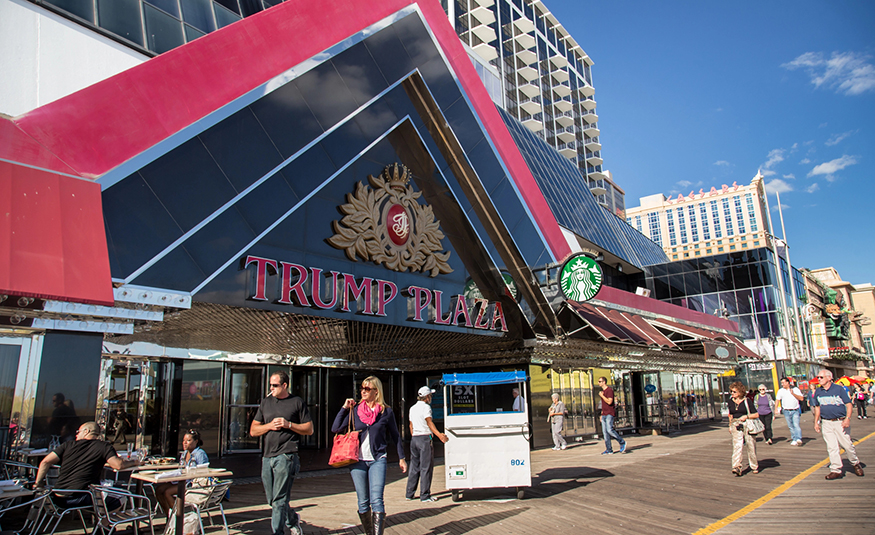
City code within the Resort Commercial District permits a wide array of "transient and tourist-oriented uses," including hotels, casino resorts, general and medical offices, and entertainment venues. Crucially, the code also "encourages residential development," specifically mentioning "multifamily residential mid- and high-rises." This is explicitly stated as being "for the purpose of preserving and enhancing the family-resort character of the City and integrating the specialized activities of the RCD with the rest of the community." This zoning provision aligns perfectly with Norcross’s stated intentions for the site, providing a clear regulatory pathway for the envisioned housing and mixed-use developments.
The broader context of Atlantic City’s ongoing redevelopment efforts further supports this forward-looking approach. The city is actively pursuing strategies that extend beyond its gaming industry, focusing on tourism, events, dining, and sports growth. Initiatives by organizations like the Casino Reinvestment Development Authority (CRDA), which has approved significant community grants, underscore a commitment to a diversified and sustainable future for Atlantic City. This comprehensive approach to urban renewal, encompassing both private investment and public sector initiatives, creates a fertile ground for the ambitious vision Norcross has for the former Trump Plaza site.
Supporting Data and Potential Impact: A Glimpse into the Future
The acquisition and subsequent vision for the former Trump Plaza site by George Norcross represent more than just a real estate transaction; they signify a potential catalyst for comprehensive urban transformation. The economic and social implications of such a redevelopment could be far-reaching, impacting not only the immediate vicinity but the broader Atlantic City landscape.
Housing Expansion and Economic Benefits: Norcross’s emphasis on attractive, potentially high-end residential development addresses a critical need for housing in the region. This could not only provide much-needed living spaces for residents but also attract a new demographic of homeowners and long-term renters, contributing to a more stable and diverse population base. Increased residential occupancy can lead to a sustained boost in local businesses, from retail and restaurants to service providers. Furthermore, the construction phase itself will generate temporary employment opportunities, injecting capital into the local economy.
Diversification Beyond Gaming: The strategic shift towards a family destination resort, with a strong residential component, directly tackles the challenge of over-reliance on the gaming industry. As regional competition intensifies and consumer preferences evolve, diversifying Atlantic City’s attractions is crucial for long-term economic viability. By focusing on amenities that appeal to families, such as enhanced entertainment options, recreational facilities, and a more welcoming atmosphere, the city can tap into new markets and generate revenue streams that are less susceptible to the volatility of the gaming sector.
Enhanced Public Safety and Community Well-being: The direct correlation drawn between public safety and economic vitality by both Norcross and Levinson is a critical insight. Visible and effective law enforcement, coupled with broader community improvement initiatives, can significantly alter the perception of Atlantic City. A safer environment will encourage more tourists to visit and spend time in the city, boosting businesses and tax revenues. Moreover, improved safety and the creation of desirable residential areas contribute to the overall quality of life for existing residents, fostering a greater sense of community pride and investment.
Leveraging Opportunity Zones and Redevelopment Districts: The fact that the Trump Plaza site falls within an Opportunity Zone and the Resort Commercial District is a significant advantage. Opportunity Zones are designated areas that allow investors to receive tax benefits for investing in economically distressed communities. The Resort Commercial District’s zoning provisions, which explicitly encourage residential development and diverse commercial uses, provide a clear regulatory framework for Norcross’s plans. This confluence of strategic location, favorable zoning, and potential tax incentives can significantly de-risk and accelerate the development process.
A Model for Future Redevelopment: The success of the Camden Renaissance school program, which Norcross highlighted, offers a tangible example of how targeted investments in public services can yield significant positive outcomes. If a similar approach to educational improvement is adopted in Atlantic City, it could create a virtuous cycle of enhanced social capital, improved workforce readiness, and a more attractive environment for families and businesses. This, in turn, could attract further investment and foster a more sustainable model of growth.
The "Family Destination" Proposition: The aspiration to position Atlantic City as a premier family destination is a compelling one. While the city boasts natural attractions like its beach and boardwalk, and man-made attractions like world-class dining and entertainment, the overarching perception needs to shift. By actively cultivating an environment that is perceived as safe, engaging, and family-friendly, Atlantic City can differentiate itself and capture a larger share of the leisure market. This requires a coordinated effort involving public infrastructure improvements, private sector investment in family-oriented attractions, and effective marketing strategies.
Official Responses and Stakeholder Perspectives: A United Front for Progress
The acquisition of the former Trump Plaza site and the subsequent articulation of a forward-thinking vision have garnered positive reactions from various stakeholders, signaling a potential for unified support for Atlantic City’s revitalization.
Atlantic County Executive Dennis Levinson has consistently championed the need for enhanced public safety as a prerequisite for any successful redevelopment. His emphasis on visible law enforcement and the creation of a secure environment aligns perfectly with Norcross’s stated priorities. Levinson’s commitment to leveraging county resources to bolster safety measures indicates a willingness to collaborate and support initiatives that promise to improve the city’s overall appeal. His earlier remarks at the Atlantic County Economic Alliance briefing underscored the idea that feeling safe is paramount for attracting visitors and encouraging return trips.
Governor Mikie Sherrill’s administration has been instrumental in fostering a dialogue around Atlantic City’s future beyond gaming. Norcross’s confidence in the governor’s willingness to "step up" suggests an expectation of proactive leadership and support for a comprehensive redevelopment plan. The state’s role in facilitating partnerships between Atlantic County, the city of Atlantic City, and private investors will be crucial in bringing Norcross’s vision to fruition. Initiatives aimed at economic diversification and infrastructure improvement are likely to receive state backing.

The City of Atlantic City itself stands to benefit immensely from a successful redevelopment of such a prominent site. Officials within the city government have expressed optimism about the potential for new housing, increased economic activity, and a renewed sense of purpose. The city’s zoning regulations, which already encourage residential development and mixed-use projects within the Resort Commercial District, provide a supportive legal framework for Norcross’s proposed plans. The emphasis on enhancing the "family-resort character" of the city, as outlined in municipal codes, directly aligns with the aspirations of the new property owner.
The Atlantic County Economic Alliance (ACEA), which hosted the briefing where Levinson spoke, plays a vital role in convening stakeholders and promoting economic development initiatives. The organization’s focus on the future of Atlantic City’s casino industry and broader economic landscape suggests an openness to innovative strategies that can create sustainable growth. Norcross’s vision, by proposing diversification and a focus on residential development, directly addresses the need for a more robust and resilient local economy.
The broader community also stands to gain from a revitalized Trump Plaza site. The prospect of new housing, improved public spaces, and a more vibrant city could attract new residents, boost local businesses, and enhance the overall quality of life for current inhabitants. The focus on creating a family-friendly destination suggests a desire to create a more inclusive and welcoming environment for all.
The collaborative spirit evident in these initial responses suggests a shared commitment to seeing Atlantic City thrive. The success of George Norcross’s ambitious plans will undoubtedly depend on sustained cooperation between private investors, local and state government, and the community at large. However, the early indications point towards a strong foundation of support for a new era of development and prosperity in Atlantic City.
Implications and Future Outlook: A Transformative Trajectory
The acquisition of the former Trump Plaza site by George Norcross III and his partners represents a pivotal moment for Atlantic City, signaling a potential departure from its traditional gaming-centric identity towards a more diversified and family-oriented future. The implications of this development are far-reaching, touching upon housing, public safety, economic diversification, and the very perception of the city.
A Shift in Development Paradigm: Norcross’s vision fundamentally challenges the long-held notion that Atlantic City’s primary economic engine must be casino gaming. By prioritizing attractive housing and positioning the city as a family destination, he is advocating for a more sustainable and broadly appealing model of urban development. This could serve as a blueprint for future investments, encouraging a move away from solely casino-focused projects towards mixed-use developments that cater to a wider range of needs and preferences.
The Housing Imperative: The emphasis on residential development directly addresses a critical need within Atlantic City. The creation of desirable housing options can attract new residents, retain existing ones, and foster a more stable and engaged community. This, in turn, can stimulate local businesses, increase property values, and contribute to a more robust tax base. The potential for high-end residential units on the boardwalk could also revitalize prime real estate and attract a demographic with significant disposable income.
Public Safety as a Cornerstone: The unwavering focus on public safety is not merely a security measure but a strategic economic imperative. As both Norcross and Levinson have articulated, a perception of safety is paramount for attracting visitors and fostering a positive community environment. Investments in law enforcement, coupled with broader urban renewal efforts, can transform the city’s image and encourage greater engagement from both tourists and residents.
Economic Diversification and Resilience: By aiming to create a family destination resort, Atlantic City can tap into new markets and reduce its reliance on the often-volatile gaming industry. This diversification strategy is crucial for long-term economic resilience. The development of non-gaming attractions, coupled with a strong residential base, can create a more stable and predictable economic ecosystem, less susceptible to external shocks and market fluctuations.
The Power of Public-Private Partnerships: The success of Norcross’s ambitious plans will likely hinge on effective collaboration between private investors, the city government, county officials, and the state. The alignment of Norcross’s vision with existing zoning regulations and the state’s broader redevelopment efforts suggests a fertile ground for such partnerships. Continued dialogue and a shared commitment to the city’s revitalization will be essential.
A Renewed Sense of Possibility: The acquisition of a prominent, albeit blighted, piece of Atlantic City real estate by a prominent businessman like George Norcross injects a renewed sense of possibility into the city’s future. It signals that significant investment is still possible and that a transformative vision can be championed. This can inspire further development and encourage other investors to explore opportunities within Atlantic City.
The road ahead for the former Trump Plaza site and for Atlantic City as a whole will undoubtedly present challenges. However, the clear articulation of a comprehensive vision, grounded in housing, safety, and family appeal, offers a compelling pathway towards a brighter and more sustainable future for this iconic seaside city. The successful execution of these plans could mark a turning point, ushering in a new era of prosperity and appeal for Atlantic City.
