

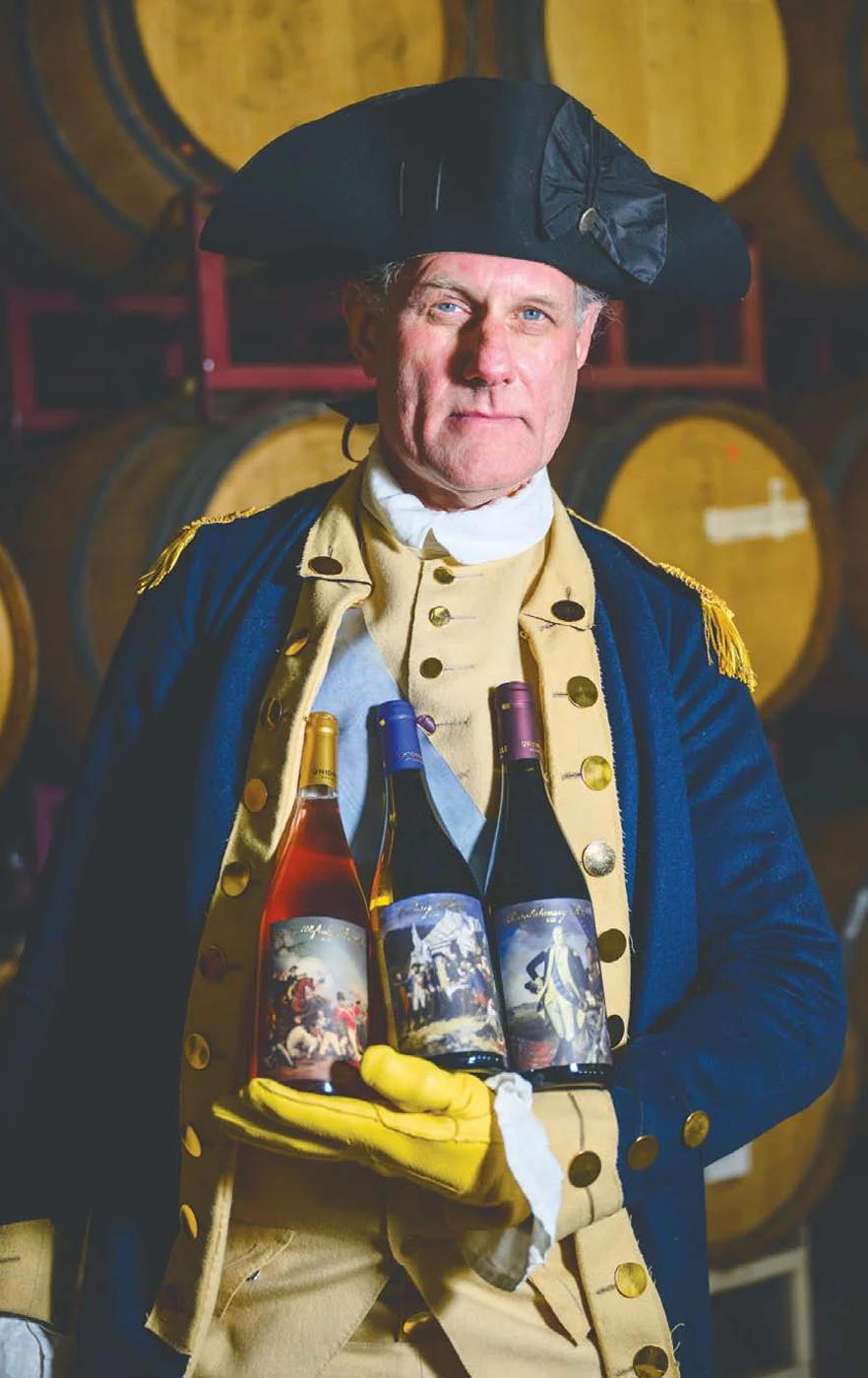
As the United States gears up for the monumental milestone of its 250th anniversary in 2026, the spirit of the American Revolution is being bottled—quite literally—in the rolling hills of Ringoes, New Jersey. Unionville Vineyards, a cornerstone of the Garden State’s viticulture scene, has officially unveiled its "Washington Collection," a trio of wines that serve as a liquid tribute to the nation’s foundational struggle for independence.
By linking its terroir to the tactical decisions of the Continental Army, Unionville is not merely selling wine; it is curating a sensory experience that invites consumers to drink in history.
The Intersection of Terroir and Tactics: Main Facts
The Washington Collection is the result of a deliberate effort to marry historical significance with premium winemaking. The collection, which launched in December, draws its thematic and historical inspiration from the Hunt House in Hopewell, New Jersey—a site of immense strategic importance during the Revolutionary War.
The most prominent link between the vineyard and the war is the Pheasant Hill Vineyard, the very soil that produces Unionville’s renowned Pheasant Hill Chardonnay. Visitors who sip this varietal are, in effect, consuming a product of the same earth that hosted one of the most consequential war councils in American history. The proximity of the vineyard to the Hunt House—a mere 50 yards from where the Chardonnay vines take root—provides a tangible bridge to 1778, the year the trajectory of the Revolutionary War shifted toward American victory.
A Chronological Journey: The Road to Monmouth
To understand the significance of the Washington Collection, one must look back to the sweltering summer of 1778. The American Revolution was at a precarious juncture. British forces were retreating across New Jersey, and General George Washington needed a decisive plan to strike at the enemy’s rear guard.
The Hunt House Council (June 24, 1778)
The Hunt House, constructed by the Hunt family prior to 1762, served as the setting for an emergency Council of War. On June 24, 1778, thirteen generals of the Continental Army gathered within those walls to debate the merits of attacking the British forces. It was a high-stakes deliberation, with the future of the revolution hanging in the balance.
The Planning of Monmouth
The consensus reached by the generals at the Hunt House directly precipitated the Battle of Monmouth. Shortly after the meeting adjourned, Washington and his troops mobilized. They intercepted the British rear guard, leading to the infamous engagement at Monmouth Court House.
"They encountered the rear guard of the retreating British, and that became the Battle of Monmouth," explained John Cifelli, General Manager of Unionville Vineyards, during the collection’s launch event. "So, it is not a stretch to say that the Battle of Monmouth was planned at the Pheasant Hill Vineyard."
This chronological narrative provides the backbone for the Washington Collection. Each bottle acts as a historical marker, commemorating the planning stages of one of the longest and most difficult battles of the war.
Supporting Data: Viticulture Meets History
The integration of historical narrative into the winery’s business model is backed by a commitment to quality that mirrors the gravity of the events they commemorate. Unionville Vineyards has spent years refining its viticultural practices at the Pheasant Hill site, ensuring that the terroir—defined by its unique soil composition and microclimate—is fully expressed in the final product.

The Pheasant Hill Chardonnay, which serves as the anchor for the collection, is recognized for its complexity, reflecting the intricate history of the land itself. By emphasizing the physical closeness of the vines to the historic Hunt House, Unionville has created a unique "provenance" that is rare in the American wine industry. While European wineries often trade on centuries of tradition, American wineries rarely have the opportunity to link their production to specific, localized revolutionary events. Unionville is capitalizing on this unique asset as the 2026 semiquincentennial approaches.
Official Responses and Reflections
The launch of the Washington Collection has been met with enthusiasm from local historians and wine aficionados alike. During the debut event, guests were treated to both a tasting of the new releases and a masterclass on the events of 1778.
John Cifelli’s sentiment—that the winery is a steward of history—reflects a broader trend in the hospitality industry: the rise of "experiential tourism." By framing the consumption of wine within the context of the American Revolution, Unionville is providing its customers with a deeper intellectual and emotional connection to the brand.
"We are not just producing a beverage," Cifelli noted. "We are preserving a legacy. When people drink these wines, they aren’t just tasting the grapes of New Jersey; they are tasting the ground where the generals stood and debated the survival of our democracy."
Implications: The 2026 Semiquincentennial and Beyond
The release of the Washington Collection is perfectly timed for the buildup to the United States’ 250th birthday. As the country prepares for the semiquincentennial in 2026, there is an increased appetite for localized, meaningful engagements with history.
The Great American Vineyard Cookout
Looking ahead, the winery has scheduled a flagship event: the Great American Vineyard Cookout on July 4th. This event serves as the next logical step in their marketing strategy, blending historical education with community celebration. Plans for the day include:
- Live Reenactment: A professional Thomas Jefferson reenactor will perform a dramatic reading of the Declaration of Independence.
- Patriotic Atmosphere: Curated music and traditional American picnic fare will set the tone for a festive, family-friendly environment.
- Educational Outreach: The event aims to draw families, with activities designed to bridge the gap between young people and the history of their state.
Cultural Impact
The implication of this initiative is significant for the New Jersey tourism sector. By leveraging historical landmarks, wineries can transform from simple producers into cultural hubs. The Washington Collection serves as a prototype for how small businesses can participate in national celebrations in a way that is both profitable and culturally enriching.
As we move closer to 2026, the story of the Hunt House and its proximity to the Pheasant Hill Vineyard will likely continue to attract visitors from across the country. It reinforces the idea that the story of the United States is not just written in textbooks, but is embedded in the very landscape—and the very vines—of the nation.
For those interested in securing a piece of this history, the Washington Collection is currently available for purchase both at the Unionville Vineyards estate in Ringoes and through their official website. As the nation prepares to look back on two and a half centuries of progress, Unionville Vineyards offers a refined way to toast to the past, while looking forward to the future of American winemaking.
Visit Unionville Vineyards
- Address: 9 Rocktown Rd., Ringoes, NJ
- Contact: 908.788.0400
- Website: unionvillevineyards.com
