

In the high-stakes world of automotive design, few brands carry the weight of heritage quite like Alpine. With the iconic A110 serving as a masterclass in lightweight, mid-engine agility, the French manufacturer is now at a critical juncture. As the brand accelerates its transition into an all-electric powerhouse, the design direction of its forthcoming four-seat 2+2 electric sports car has become the subject of intense internal scrutiny.
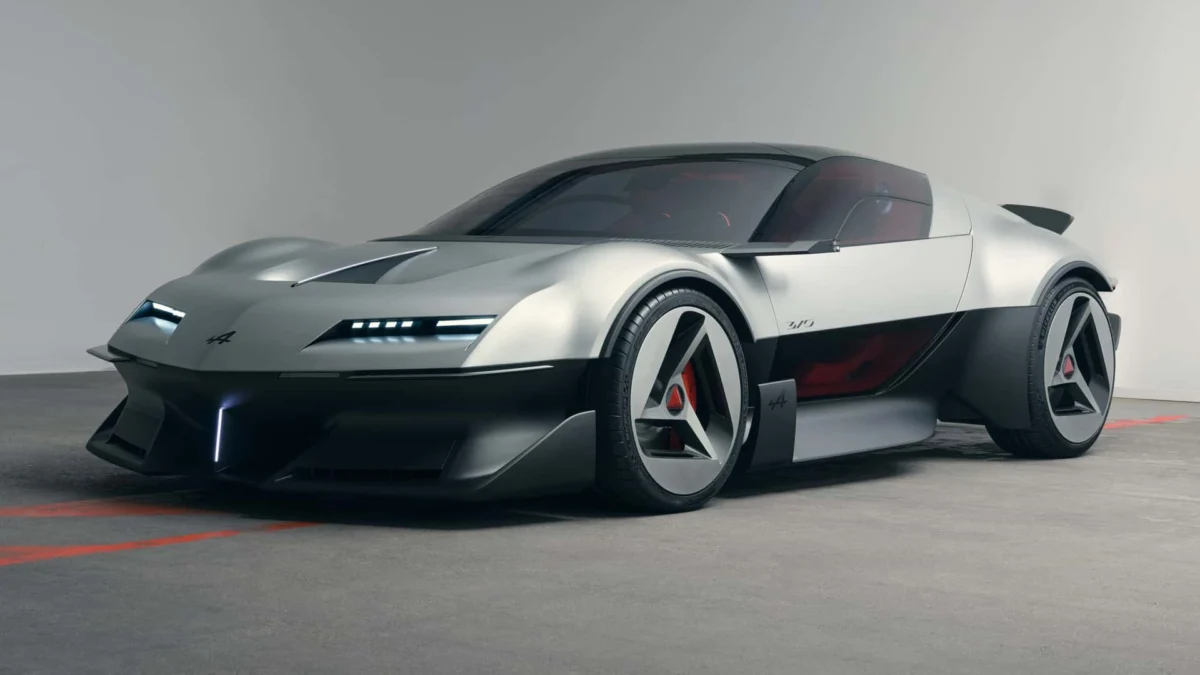
For months, an internal "tug-of-war" pitted proponents of historical homage against visionaries pushing for a clean-slate aesthetic. The debate centered on whether to leverage the wedge-shaped, angular nostalgia of the legendary 1970s and 80s A310 or to embrace a futuristic, aerodynamic language similar to the striking Alpenglow concept.
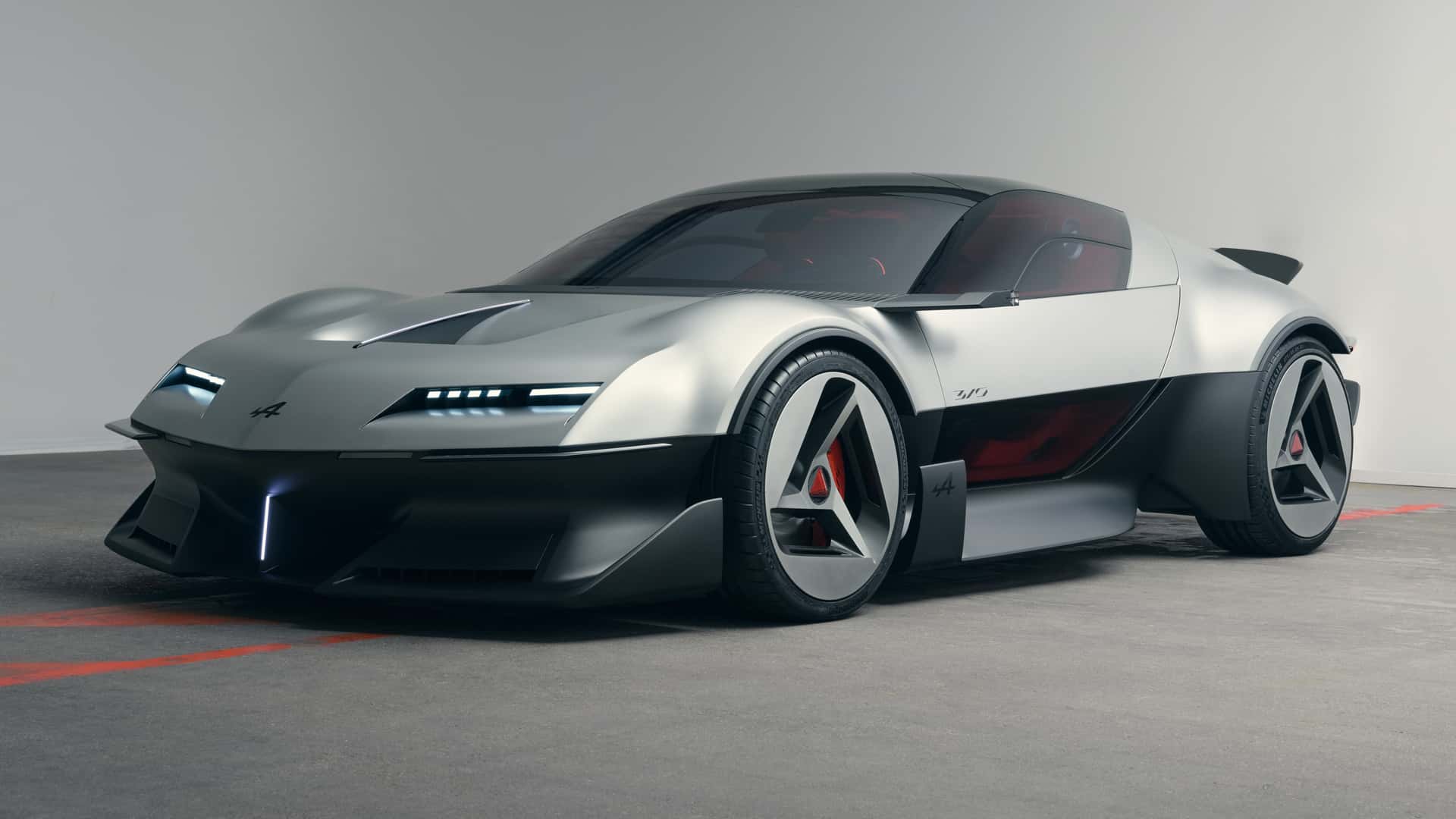
Alpine CEO Philippe Krief has officially put this debate to rest. The upcoming electric 2+2 will not be a retro-inspired revival of the A310, nor will it mirror the "A310 Vision" show car that captivated crowds at the Paris Motor Show. Instead, the production model will forge a completely new path, characterized by a design philosophy that Krief describes as "very, very modern."
The Strategic Shift: Moving Beyond Niche Nostalgia
The decision to abandon the A310 design cues is as much a business calculation as it is an aesthetic one. In a candid assessment, Krief explained the reasoning behind prioritizing a modern look over the beloved classic.
"If the A110 is recognized worldwide as an absolute timeless beauty, the A310 is loved by French guys and connoisseurs, but the appeal is more niche," Krief noted.
This perspective reveals the broader ambition for the Alpine brand. As it looks to expand its global footprint, particularly in markets where the brand is less established, Alpine requires a design language that resonates with a broad, contemporary audience rather than one that leans heavily on regional sentimentality. By choosing a "clean-sheet" approach, Alpine is signaling that it intends to be a brand defined by its future capabilities rather than its past achievements.
The Technological Foundation: The Alpine Performance Platform (APP)
At the heart of this upcoming 2+2 is the Alpine Performance Platform (APP). This highly modular, dedicated electric architecture is the cornerstone of the brand’s electrification strategy. Designed specifically for high-performance applications, the APP is engineered to support a variety of body styles and power outputs, ensuring that the driving dynamics—a non-negotiable hallmark of the Alpine badge—are preserved in an EV format.
The next-generation A110, expected to debut around 2027, will serve as the maiden voyage for this platform. By utilizing the same technical underpinnings as its sportier sibling, the 2+2 will benefit from significant R&D efficiencies, including advanced battery integration, weight-distribution management, and sophisticated thermal control systems.
While specific performance metrics remain under wraps, the flexibility of the APP suggests that Alpine is targeting a segment of the market that demands both daily usability and the visceral, engaging performance that the brand’s enthusiasts have come to expect.
Chronology of a Design Dilemma
The evolution of the 2+2 project has been a multi-stage process, marked by both public reveals and private deliberations:
- Initial Conception: Alpine engineers and designers began exploring the potential of a 2+2 configuration, recognizing a gap in the market for a more practical, yet still performance-oriented, sports car.
- The Vision Study: The company introduced the A310 Vision concept. While officially categorized as a "design study" to showcase the capabilities of the APP platform, its retro-futuristic aesthetic sparked intense public interest and internal discussions.
- The "Heritage vs. Future" Debate: Within the design studio, a rift emerged. Traditionalists argued for a direct lineage to the A310 to anchor the brand in its history, while forward-thinkers advocated for a design language that moved away from the "retro-futurism" trend currently permeating the industry.
- The Executive Decision: Philippe Krief, tasked with defining the long-term vision for Alpine, concluded that the production car must break away from the A310’s shadow. The directive was issued: focus on a modern, independent identity.
- The Current Phase: Development is ongoing, with the design team finalizing a look that is intended to be unmistakably Alpine, even without historical cues.
The Role of the "A310 Vision" Concept
If the A310 Vision isn’t the roadmap for the production 2+2, where does it fit into the company’s future? According to Krief, it remains a "creative study." Its primary function was to gauge public reaction and to prove that the APP platform could support an angular, low-slung, and performance-focused vehicle.
The concept essentially served as a "proof of concept" for the chassis, not the aesthetic. Krief has hinted that while a full-scale series production of an A310-inspired model is off the table, he has not entirely ruled out the possibility of a limited-run, niche model. He compared this potential future project to the A110 R Ultime, a low-volume, high-performance farewell special that focuses on brand prestige rather than mass-market profitability.
However, Krief was quick to manage expectations regarding such a venture: "You do not do this kind of car to make money: except Ferrari, nobody is making money." This comment underscores the pragmatic reality of the current luxury sports car market, where the cost of developing unique, low-volume platforms is rarely offset by sales volume alone.
Implications for the Brand
Alpine’s move toward a modern, non-retro design language has several long-term implications:
1. Global Brand Recognition
By avoiding designs that are only understood by a "niche" group of enthusiasts, Alpine is clearing the way to build a more accessible identity. A modern design is more likely to appeal to customers in North America and Asia, where the A310 might be an unknown quantity, but a sleek, high-performance electric sports car is highly desirable.
2. Distancing from "Retro-Futurism"
Many manufacturers are currently saturating the market with electric cars that look like their 1960s or 70s counterparts. By choosing to go "very, very modern," Alpine risks alienating purists but gains the opportunity to be seen as a leader rather than a follower. This could define the brand as an innovative, tech-forward manufacturer that isn’t afraid to leave its history in the rearview mirror when necessary.
3. Dealer Network Profitability
The timing of the 2+2’s arrival is intrinsically linked to the health of the dealer network. As the brand transitions to an all-electric lineup, the focus will be on ensuring that dealers have a profitable mix of high-volume and high-margin products. Krief’s strategy involves waiting for the new A110 to establish a baseline of success, ensuring that the 2+2 enters a market that is already accustomed to the brand’s new EV era.
Looking Ahead
The 2+2 represents a bold step for Alpine. It is not merely a new car; it is a declaration of the brand’s independence from its own past. By embracing the flexibility of the Alpine Performance Platform and resisting the urge to rely on the safety net of nostalgia, the company is positioning itself to be a distinct player in the electric sports car segment.
As we look toward the 2027 arrival of the new A110 and the eventual launch of the 2+2, the focus will remain on whether this "modern" approach can deliver the same emotional punch that made the original A110 a legend. If Krief and his team succeed, they will have achieved the rarest of feats in the automotive industry: evolving a heritage brand without becoming a prisoner of its own legacy.
The transition to electrification is often viewed as a period of homogenization, where cars lose their "soul." Alpine is attempting to disprove this by creating a future that is distinctly, undeniably, and—most importantly—unapologetically its own. Whether this path proves to be a masterstroke of branding or a departure too far from the brand’s roots remains to be seen, but one thing is certain: Alpine is not looking back.
