

By Arts & Culture Editorial Desk
Published: April 2, 2024
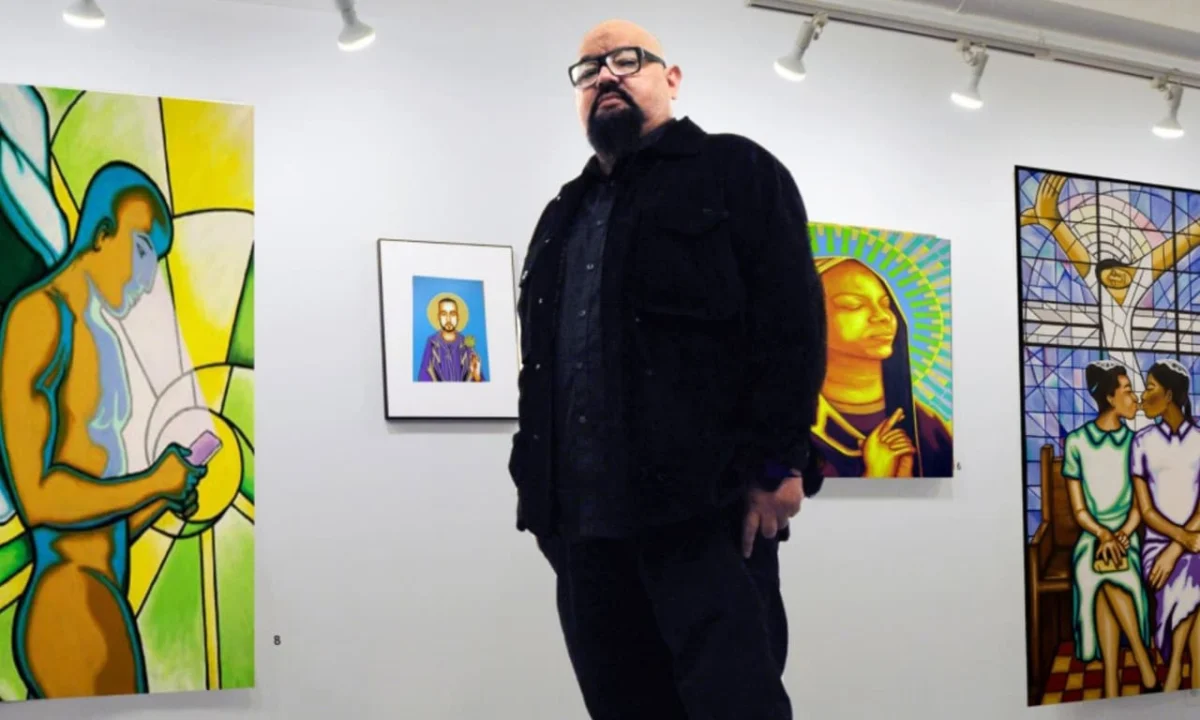
In the heart of New Jersey’s largest city, the Newark Museum of Art recently served as the stage for a compelling dialogue between the local community and one of its most evocative visual storytellers. Newark-based artist Jo-El Lopez took center stage in a recent presentation and Q&A session, offering attendees an intimate look into a portfolio that bridges the gap between traditional realism and the frantic, multidimensional pulse of the modern urban experience.
For those who follow the trajectory of New Jersey’s contemporary art scene, Lopez is a familiar name, but his recent appearance at the museum provided a fresh lens through which to view his thematic preoccupations: faith, familial resilience, and the grit of the city.
The Intersection of Faith and Modernity
At the core of Jo-El Lopez’s aesthetic lies a commitment to traditional realism—a medium he employs not merely to replicate reality, but to interrogate it. During his presentation, Lopez articulated his fascination with the inherent tension between ancient spiritual structures and the rapid, often disorienting, pace of 21st-century urban life.
“The visual language of the past provides a stable foundation,” Lopez noted during the Q&A session. “But when you apply that language to the contemporary Newark experience, you find that the sacred isn’t just found in cathedrals; it’s found in the struggle of the commute, the warmth of the dinner table, and the quiet resilience of the neighborhood.”
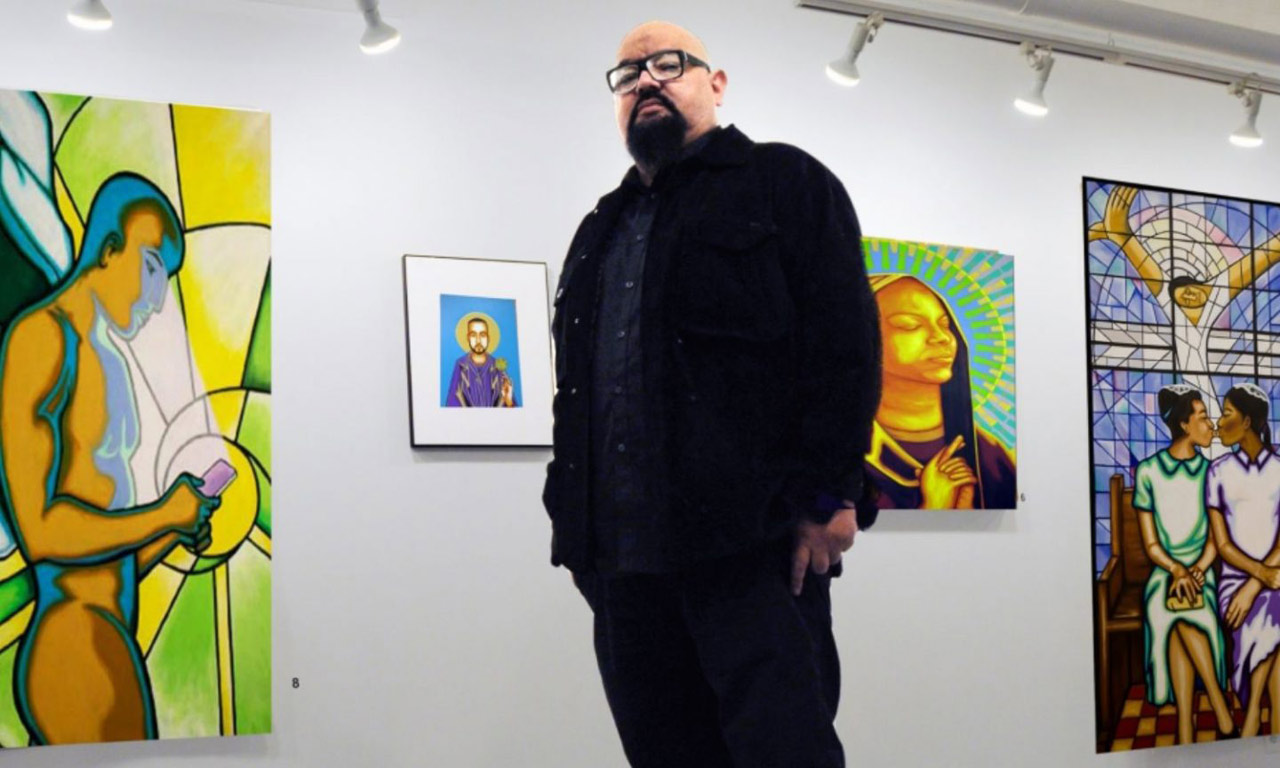
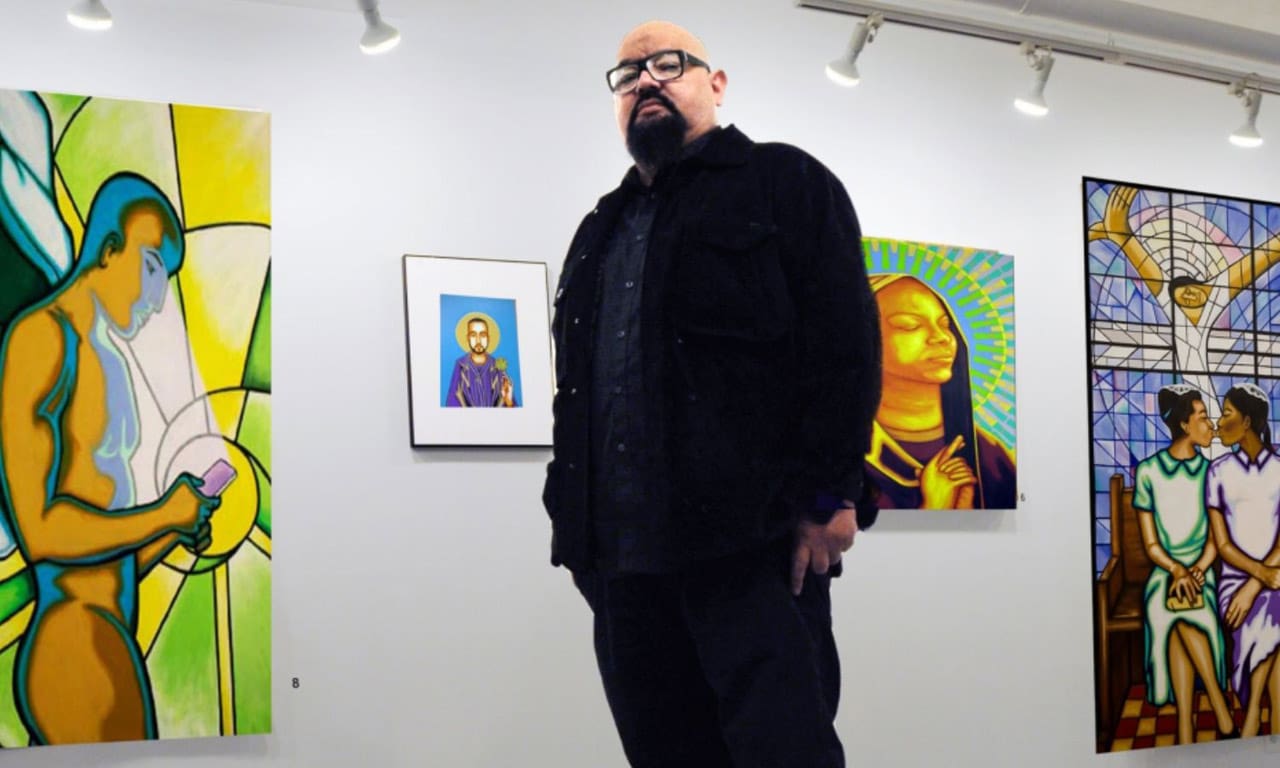
His work often features iconography that nods to the masters of the Renaissance, yet the subjects are unmistakably rooted in the streets of Newark. By juxtaposing the sublime with the mundane, Lopez forces the viewer to confront the sanctity of daily life. This "Urban Realism," as some critics have dubbed it, serves as a mirror to the city’s complex identity—a place where faith acts as a binding agent against the pressures of modernization.
Chronology: A Career Built on Observation
To understand the weight of Lopez’s recent talk, one must look at the evolution of his career. Born and raised within the cultural tapestry of the New York-New Jersey metropolitan area, Lopez’s artistic journey did not begin in a vacuum.
Early Formative Years:
Lopez spent his youth observing the visual stimuli of Newark. His early sketches were characterized by a focus on human interaction. He was, and remains, an artist of the "people," documenting the subtle shifts in community dynamics that others might overlook.
The Transition to Professionalism:
As he moved into his professional years, Lopez began formalizing his style. He leaned heavily into the technical rigor of realism. This period was marked by an intense study of lighting, composition, and the psychological weight of portraiture. He sought to move beyond the surface level of his subjects, aiming to capture the "emotional architecture" of their lives.
The Museum Residency and Recognition:
The last decade has seen a meteoric rise in his institutional standing. Through partnerships with regional museums and galleries, Lopez has transitioned from a local fixture to an artist of regional significance. The April 2024 presentation at the Newark Museum of Art was not merely a solo exhibition; it was a testament to his sustained relevance and his deep integration into the city’s cultural fabric.
Supporting Data: The Impact of Urban Art in Newark
The significance of an artist like Lopez cannot be overstated when considering the economic and cultural revitalization of Newark. Recent data from local arts councils indicates that public engagement with museum programming has seen a steady uptick, particularly for events that highlight local practitioners.
- Community Engagement: Programs featuring resident artists like Lopez have seen a 22% increase in attendance over the last two fiscal years. This suggests that the Newark public is increasingly seeking out art that reflects their own lived experiences.
- Educational Integration: The Newark Museum of Art has utilized Lopez’s work as a pedagogical tool. By integrating his paintings into educational workshops, the institution has successfully engaged younger demographics in discussions about history, sociology, and the arts.
- The "Faith in the City" Series: One of the most discussed segments of his recent presentation was his ongoing series exploring religious iconography in secular spaces. Studies conducted by the university art departments in the area suggest that this specific series has sparked more critical discourse among local student bodies than any other project by a regional contemporary artist in the past five years.
Official Responses and Curatorial Perspectives
The curators at the Newark Museum of Art have long championed Lopez, citing his ability to translate the abstract nature of "city living" into tangible, digestible, and deeply moving imagery.
"Jo-El doesn’t just paint people; he paints the aura of a place," remarked a museum representative during the post-presentation reception. "When you look at a Lopez canvas, you aren’t just seeing a face; you are seeing the history of the neighborhood, the echo of the local church bells, and the persistence of a family structure that refuses to yield to the pressures of an increasingly digitized world."
The Q&A session, which was facilitated by members of the museum’s outreach program, saw a diverse group of attendees—from established art collectors to local high school students. The dialogue touched upon the difficulties of maintaining a career as a full-time artist in an economy that often devalues creative labor. Lopez’s response—a candid admission of the grind behind the glamour—resonated deeply with those in the room. He spoke about the necessity of discipline, the importance of staying true to one’s vision, and the obligation he feels to his community to "get it right."
Implications for the Future of Newark’s Art Scene
What does the success of a presentation like this mean for the future of Newark? It suggests a shift in the hierarchy of the arts. For too long, local talent was often eclipsed by the gravity of the New York City art market. However, the current trend shows a pivot toward valuing localized, context-specific artistry.
The Rise of the Local Hero:
As urban centers across the United States grapple with gentrification and the loss of cultural identity, artists like Lopez serve as vital anchors. They provide a narrative that is authentic and unmanufactured. By anchoring his work in the Newark experience, Lopez ensures that the history of the city is documented by those who have lived it.
The Role of Institutions:
The Newark Museum of Art’s decision to host this retrospective dialogue signals a commitment to nurturing internal talent. This approach has profound implications for regional cultural policy. By providing a platform for local voices, the museum is not just displaying art; it is fostering a sustainable ecosystem where artists can thrive without needing to relocate to larger, more expensive coastal markets.
Looking Ahead:
As the audience exited the auditorium, the sentiment was palpable: there is a growing hunger for work that does not shy away from the complexities of modern existence. Lopez’s work is a testament to the fact that when art is accessible, relevant, and rooted in deep human empathy, it has the power to transform a museum from a passive repository of objects into a dynamic, living, and breathing community center.
In closing, the presentation of Jo-El Lopez at the Newark Museum of Art was more than just a chronological survey of his paintings. It was a reaffirmation of the role of the artist as a chronicler of the times. In a world that often moves too fast to notice the beauty in the struggle, Lopez invites us to slow down, look closer, and find the sacred in the streets we walk every day.
For more information on upcoming artist talks and exhibitions, visit the Newark Museum of Art website. All visitors are encouraged to review the museum’s accessibility guidelines, including options for high-contrast viewing, wide text spacing, and other features designed to ensure an inclusive experience for all patrons.
