

By Sara Karlovitch | June 4, 2026
The plant-based food industry is currently navigating a pivotal transition. For years, the sector focused primarily on convincing consumers to switch from traditional animal products to plant-based alternatives for ethical or environmental reasons. Today, the strategy has shifted toward taste parity and culinary versatility. Leading this charge is Flora Food Group’s Violife brand, which has officially launched its ambitious "Undairy the Craving" campaign—a multi-pronged marketing initiative designed to prove that dairy-free alternatives can hold their own against their traditional counterparts in the kitchen.
The Core Mission: Bridging the Flavor Gap
For many consumers, the barrier to adopting plant-based cheese is not necessarily ideological, but practical. Concerns regarding texture, melting capabilities, and flavor profiles have historically kept dairy-free products in a niche market. With "Undairy the Craving," Violife is attempting to dismantle these preconceived notions by meeting consumers exactly where they are: in the kitchen, looking for satisfaction.
The campaign is not merely a branding exercise; it is a direct challenge to the status quo. By positioning its products as a seamless "stand-in" for dairy cheese, Violife is leaning into the idea that consumers shouldn’t have to sacrifice their favorite recipes or indulgent cravings to enjoy a plant-based lifestyle.
A Market Poised for Explosive Growth
The timing of this campaign is strategic. According to industry analysis, the global plant-based cheese market is projected to skyrocket, reaching an estimated $9.9 billion by 2033. This represents a massive leap from the $3.5 billion valuation recorded in 2024. As inflation impacts the price of traditional dairy and consumer awareness regarding health and sustainability grows, the "flexitarian" demographic—those who are not strictly vegan but are actively reducing their dairy intake—has become the most lucrative target for brands like Violife.
The Mechanics of "Undairy the Craving"
Violife has structured its campaign around three primary pillars: risk-free trial, digital innovation, and culinary expertise.
1. The "Craving Credits" Initiative
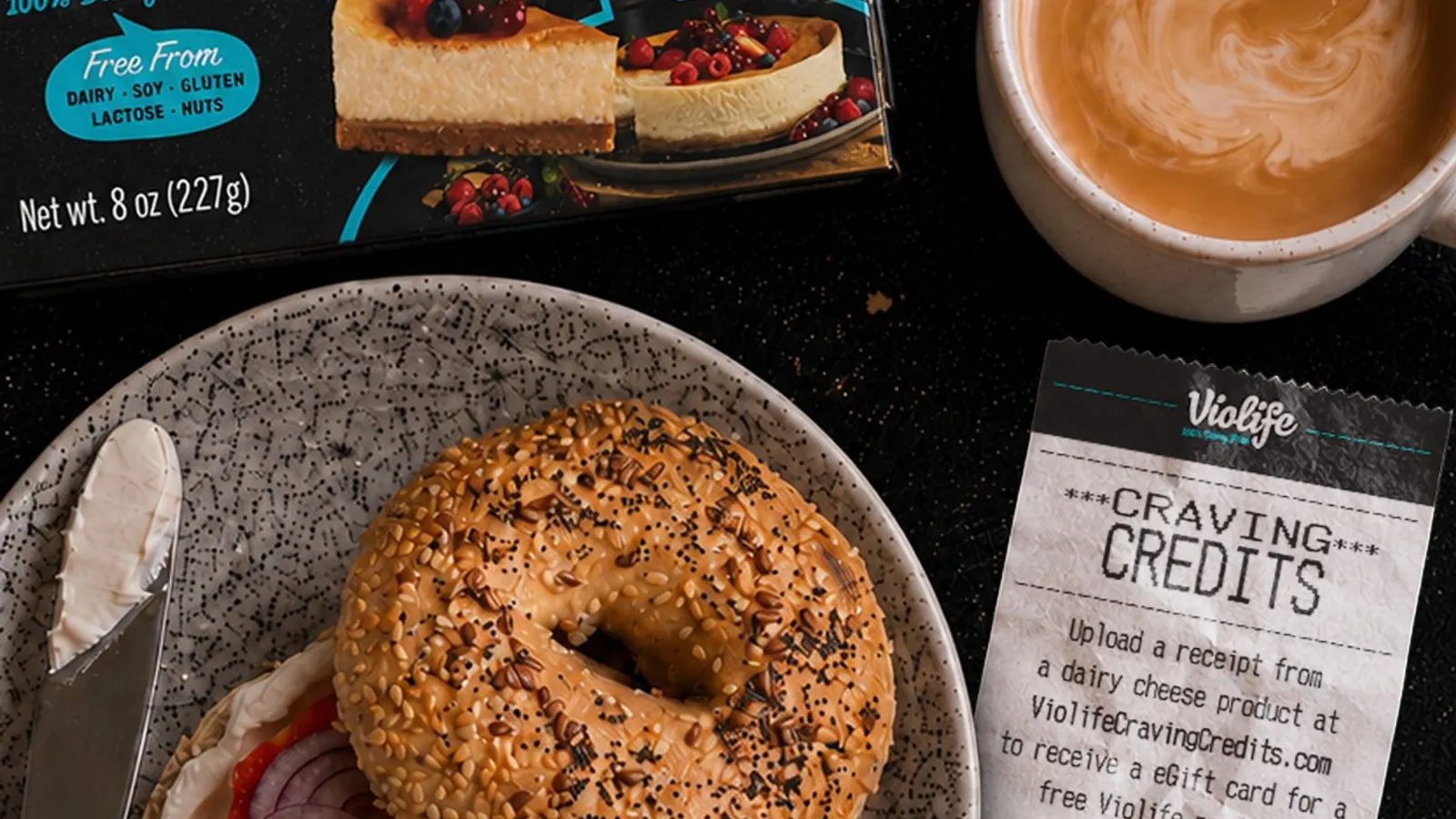
One of the most significant obstacles to consumer adoption of plant-based products is the "vegan tax"—the often-higher price point of alternatives compared to conventional dairy. Recognizing this, Violife has introduced "Craving Credits." This promotion invites consumers to upload a receipt for any traditional dairy cheese purchase and receive a $5.99 e-gift card to put toward a Violife product. By subsidizing the cost of the first purchase, the brand effectively removes the financial barrier for the "cautious curious" shopper.
2. AI-Powered Culinary Inspiration
Modern home cooking is increasingly influenced by digital tools. Violife has launched an interactive AI-powered recipe generator on its website, designed to show users how to integrate their plant-based spreads and slices into everyday meals. By providing specific, actionable recipes, the brand moves beyond the abstract idea of "plant-based" and into the practical reality of cooking.
3. The "Undairy Collective"
To ensure the brand maintains culinary credibility, Violife has formed the "Undairy Collective." This group includes acclaimed chefs such as Akhtar Nawab of Alta Calidad and Wayward Fare, Jenner Tomaska of Esme, and Yara Herrera of Hellbender. These industry leaders are tasked with creating original content, hosting menu takeovers, and developing recipes that showcase the versatility of Violife products.
Furthermore, the brand is looking toward the future of the industry through the "Undairy Grant," a collaborative effort with the Culinary Careers Program to provide mentorship and financial support to up-and-coming chefs who are interested in the intersection of plant-based cooking and professional culinary arts.

Chronology of Strategy: The Evolution of Social-First Marketing
The rise of the "Undairy the Craving" campaign follows a broader trend in the food industry: the dominance of social media as a primary driver of consumer behavior.
- 2024: The industry sees a surge in AI-driven food marketing, with campaigns like Avocados From Mexico’s "GuacAImole" demonstrating that consumers are willing to engage with AI tools if they provide immediate, personalized value.
- 2025: Plant-based brands increasingly begin to address price sensitivities, acknowledging the "vegan tax" discourse and experimenting with rebate models.
- Early 2026: TikTok solidifies its role as the primary engine for food trends. Viral hits—ranging from the obsession with "Dubai Chocolate" to the resurgence of cottage cheese—prove that brands can create demand overnight if they align with the right digital trends.
- June 2026: Violife launches "Undairy the Craving," synthesizing the lessons of the previous two years: use high-profile chefs to build authority, use AI to provide utility, and use financial incentives to drive trial.
Industry Implications: Why This Matters
The "Undairy the Craving" campaign is indicative of a maturing market. When brands like Violife invest in chef partnerships and high-tech recipe generators, they are signaling to retailers and consumers alike that plant-based cheese is no longer a "substitute"—it is a legitimate culinary ingredient.
The Power of Influencer and Professional Validation
By partnering with high-end chefs like Jenner Tomaska and Akhtar Nawab, Violife is bypassing the stigma of "processed" vegan food. When a respected chef incorporates a plant-based product into a professional menu, it acts as a "seal of approval" that carries more weight than any traditional television advertisement.
The Role of Digital Ecosystems
Violife is building an ecosystem where the consumer is encouraged to remain within the brand’s digital orbit. Between the recipe generator, the rebate program, and the content produced by the Undairy Collective, the brand is creating multiple touchpoints that sustain engagement. This is a far cry from the static marketing of the early 2010s.
Comparative Perspectives: Lessons from the Field
Violife is not operating in a vacuum. Other food giants have successfully navigated the "social-first" landscape. For example, Knorr’s #UnlockYourGreenFlag campaign, which utilized TikTok and Instagram to promote home cooking during the Valentine’s Day season, proved that brands can successfully position themselves as partners in the consumer’s lifestyle rather than just product providers.

The success of these campaigns lies in their ability to provide "value-add" content—recipes, tips, and inspiration—that consumers actively seek out, rather than content that is merely pushed upon them.
The Flora Food Group Portfolio Strategy
Violife operates under the umbrella of the Flora Food Group, a company with a significant footprint in the butter and spreads market. Brands such as Country Crock, I Can’t Believe It’s Not Butter!, and BlueBand are household names. The strategic shift toward plant-based alternatives is a natural evolution for a company whose core competency has always been the mastery of fats and emulsions. By leveraging the logistical and R&D prowess of the Flora Food Group, Violife is well-positioned to scale its operations to meet the projected $9.9 billion market demand.
Conclusion: The Road Ahead
As the plant-based industry continues to scale, the battleground will be defined by "taste and trust." Brands that can prove their products are not just "good enough for vegan cheese" but "great for cooking in general" will capture the lion’s share of the market.
Through its holistic approach—combining financial incentives to lower the barrier to entry, AI technology to provide practical usage, and professional culinary partnerships to ensure quality—Violife has set a new benchmark for how plant-based brands should communicate with a skeptical public. The "Undairy the Craving" campaign is more than just a series of ads; it is a blueprint for the future of the food industry, where the line between dairy and non-dairy is increasingly blurred by the pursuit of flavor.
As consumers continue to experiment with their diets, the success of this campaign will serve as a bellwether for the broader industry. If Violife can successfully convince the average household that their products are a staple rather than a specialty, the $9.9 billion projection for 2033 may prove to be a conservative estimate.
