

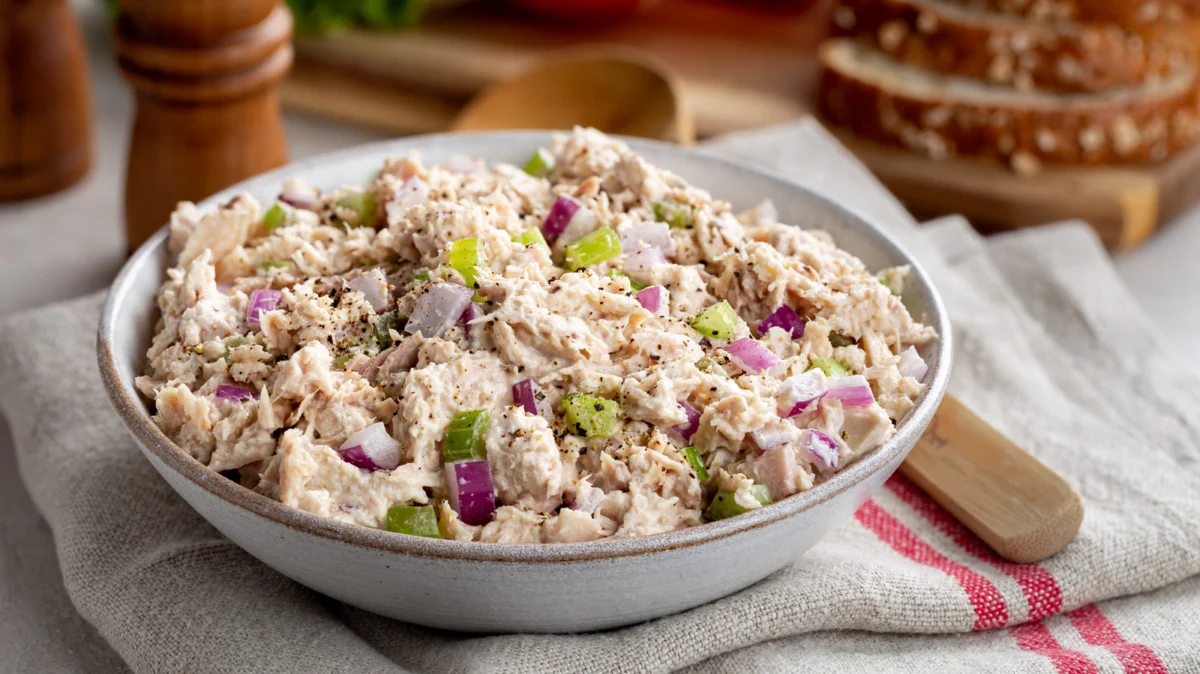
For decades, the culinary world has been divided into two distinct camps: the mayonnaise devotees who treat the emulsion as a sandwich essential, and the "mayo-skeptics" who find its texture, smell, and heavy oil profile off-putting. For the latter, the loss of creamy staples like tuna salad can feel like a significant culinary sacrifice. However, a growing trend in health-conscious kitchens and Middle Eastern-inspired cooking is challenging the hegemony of mayonnaise. Enter labneh—a thick, tangy, protein-dense yogurt cheese that is redefining the texture and nutritional profile of the classic tuna salad.
The Main Facts: What is Labneh?
At its core, labneh is essentially the "superfood" cousin of standard Greek yogurt. It is created by straining the whey out of yogurt until the resulting product reaches a spreadable, cheese-like consistency. Often referred to as "yogurt cheese," labneh is a cornerstone of Levantine cuisine, traditionally served as a dip, a spread for breakfast breads, or a topping for grilled meats.
Unlike mayonnaise, which is primarily a shelf-stable emulsion of oil, egg yolks, and an acid (like vinegar or lemon juice), labneh is a fermented dairy product. This fundamental difference is what makes it a compelling alternative. While mayonnaise provides fat and creaminess, it lacks significant nutritional density. Labneh, conversely, offers a substantial protein boost—averaging roughly 5 grams per ounce—and contains probiotics, making it a functional ingredient rather than just a binder.
The Evolution of the Tuna Salad: A Chronology of Change
The history of tuna salad is deeply rooted in the mid-20th-century pantry, where canned tuna and mayonnaise became synonymous with convenience. As the 1950s solidified the "sandwich culture" in the United States, mayonnaise became the default binder for canned fish.
However, the late 2010s and early 2020s saw a paradigm shift. As consumers became more cognizant of ultra-processed ingredients and high-calorie condiments, the hunt for "clean" alternatives began.
- 2018–2020: The rise of the Mediterranean diet as a health standard brought ingredients like hummus, Greek yogurt, and labneh into the mainstream Western grocery store.
- 2022–2023: Culinary influencers began experimenting with replacing mayo in chicken and tuna salads with Greek yogurt, though many complained of the "watery" consistency that often resulted from using unstrained yogurt.
- 2024: The "dry yogurt" trend—which went viral on platforms like TikTok—demystified the process of straining yogurt at home. This movement brought labneh into the spotlight, positioning it as the superior, thicker, and more flavorful alternative to standard yogurt or mayo.
Supporting Data: The Nutritional Advantage
When comparing standard store-bought mayonnaise to labneh, the nutritional disparities are stark. A standard serving of mayonnaise is almost entirely fat, often derived from refined vegetable or seed oils, with negligible protein or micronutrient content.
In contrast, labneh provides:
- Protein Density: With 5 grams of protein per ounce, labneh helps transform a standard tuna salad from a high-fat snack into a balanced, muscle-supporting meal.
- Gut Health: Because it is a fermented dairy product, labneh contains live active cultures (probiotics) that contribute to gut microbiome health—a benefit that mayonnaise cannot provide.
- Lower Caloric Density: While labneh is not "fat-free," its fat content is naturally occurring dairy fat rather than processed industrial oils, and it generally carries fewer calories per tablespoon than traditional mayonnaise.
Expert Recipe Tweaks: Master the Shift
Switching to labneh isn’t as simple as a one-to-one swap; it requires an understanding of how the ingredient interacts with the protein source.
The Oil-Pack vs. Water-Pack Debate
Mayonnaise contains oil, which provides the necessary lubrication for tuna packed in water. Because labneh lacks this added oil, a salad made with water-packed tuna can feel dry or chalky on the palate. To compensate, culinary experts recommend:
- Selecting Oil-Packed Tuna: The natural olive or sunflower oil in the tuna creates a silky mouthfeel when emulsified with the thick, tangy labneh.
- The Emulsification Technique: Break the tuna down into smaller flakes before adding the labneh. This allows the protein to better absorb the tang of the yogurt cheese, resulting in a more cohesive texture.
Flavor Profiling
Labneh’s signature tang acts as a blank canvas for aromatics. Unlike mayonnaise, which can sometimes mute the flavors of herbs and vegetables, labneh accentuates them.
- Zest and Acid: A splash of fresh lemon juice or a sprinkle of lemon zest brightens the labneh’s natural acidity, cutting through the richness of the tuna.
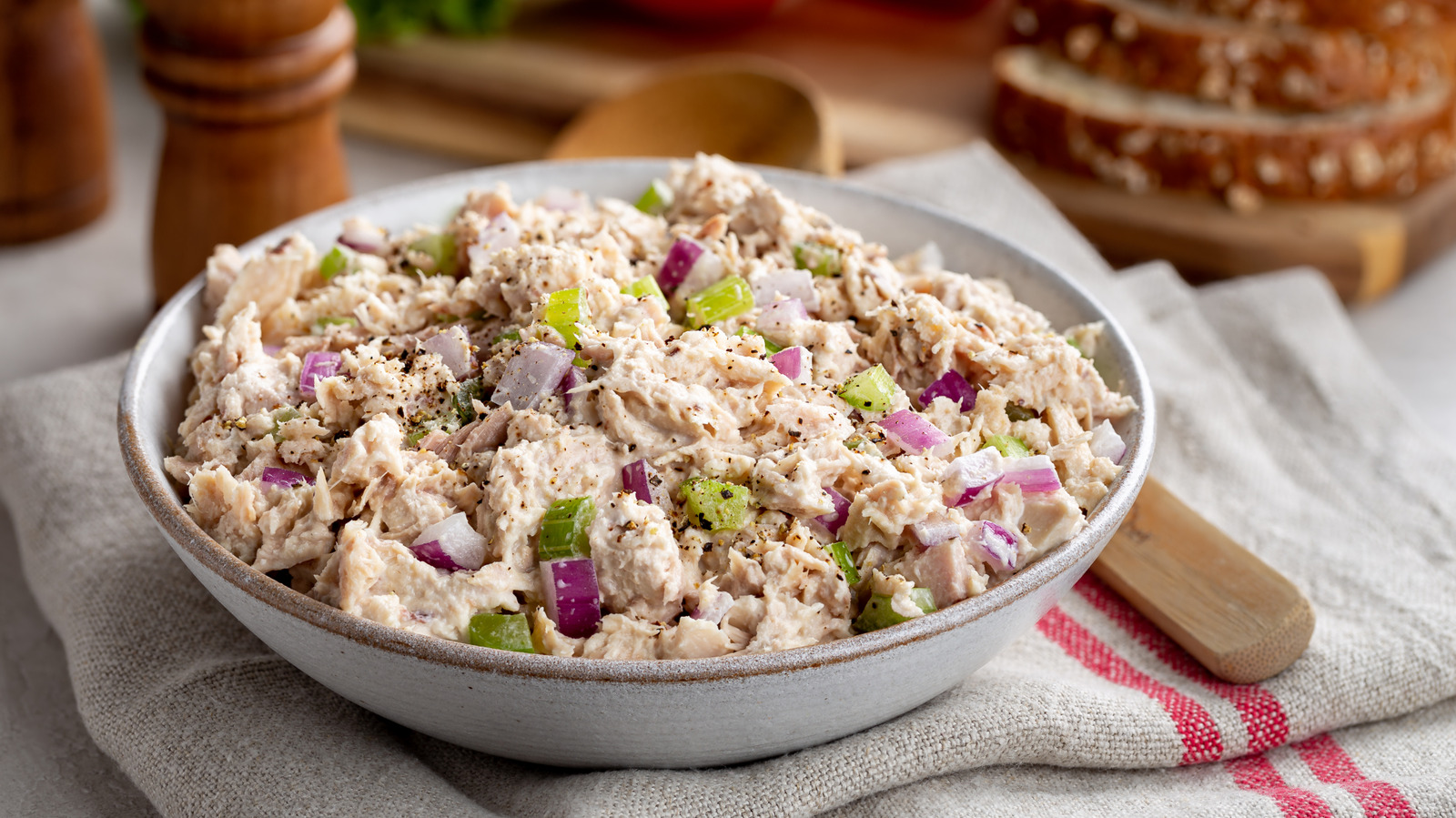
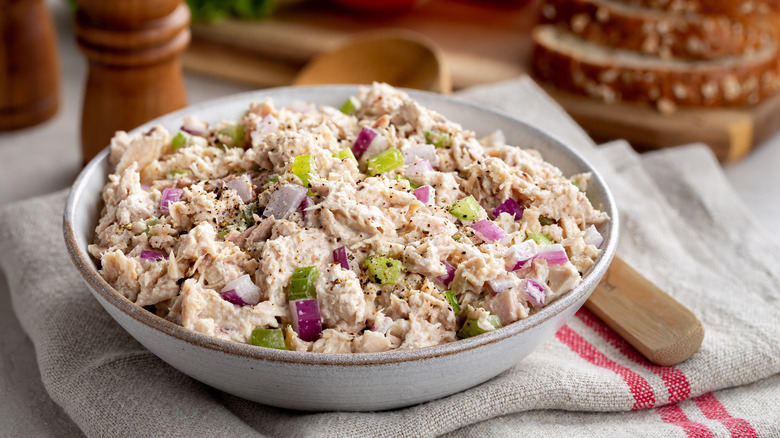
- Crunch Factor: Incorporate finely diced red onion, celery, or cornichons. These provide the necessary textural contrast to the dense, creamy labneh base.
- Herbal Infusions: Fresh dill, parsley, or even a hint of mint works exceptionally well with the Mediterranean profile of labneh.
The DIY Movement: Making Labneh at Home
One of the most compelling aspects of the labneh trend is its accessibility. While high-quality brands are increasingly available in supermarkets, the most authentic and cost-effective version is made at home.
The process is deceptively simple:
- The Base: Start with a high-quality plain, full-fat Greek yogurt.
- The Strain: Place the yogurt in a cheesecloth or a fine-mesh nut milk bag suspended over a bowl.
- The Wait: Place it in the refrigerator for at least 12 to 24 hours. The longer it strains, the firmer it becomes.
- Customization: Before mixing it into your tuna, you can stir garlic, fresh herbs, or sea salt directly into the labneh. This creates a "pre-seasoned" binder that elevates the entire dish.
Implications: A Broader Shift in Eating Habits
The transition toward labneh-based salads is part of a larger, systemic change in how consumers view "convenience foods." As the public moves away from ultra-processed shelf-stable products, we are seeing a return to "kitchen-crafted" staples.
Economic and Sustainability Impacts
Using labneh instead of mayonnaise encourages a more localized food supply chain. Many consumers are discovering that they can buy local yogurt from regional dairies and transform it into labneh, rather than purchasing mass-produced mayonnaise that relies on globalized, highly processed oil markets.
The "Flavor-First" Philosophy
The shift also signals a change in taste preferences. For years, the American palate was dominated by the mild, sweet-and-fatty profile of standard mayonnaise. The embrace of labneh indicates a growing appreciation for acidity, tang, and complex textures. It suggests that the modern eater is looking for depth of flavor—the kind that comes from fermentation—rather than just a bland, creamy filler.
Conclusion: A Culinary Upgrade
While mayonnaise may retain its place in history, it no longer has a monopoly on the tuna salad. Labneh offers a sophisticated, nutritionally superior, and undeniably delicious alternative. Whether you are a "mayo-hater" looking for a reprieve or a health-conscious cook seeking to optimize your protein intake, labneh is a versatile tool that belongs in every refrigerator. By embracing this simple, ancient ingredient, you can elevate a humble pantry staple into a meal that feels fresh, vibrant, and thoroughly modern.
Next time you open a can of tuna, set the jar of mayo aside. With a bit of labneh, a squeeze of lemon, and a handful of fresh herbs, you aren’t just making a sandwich—you are participating in a global culinary evolution.
