

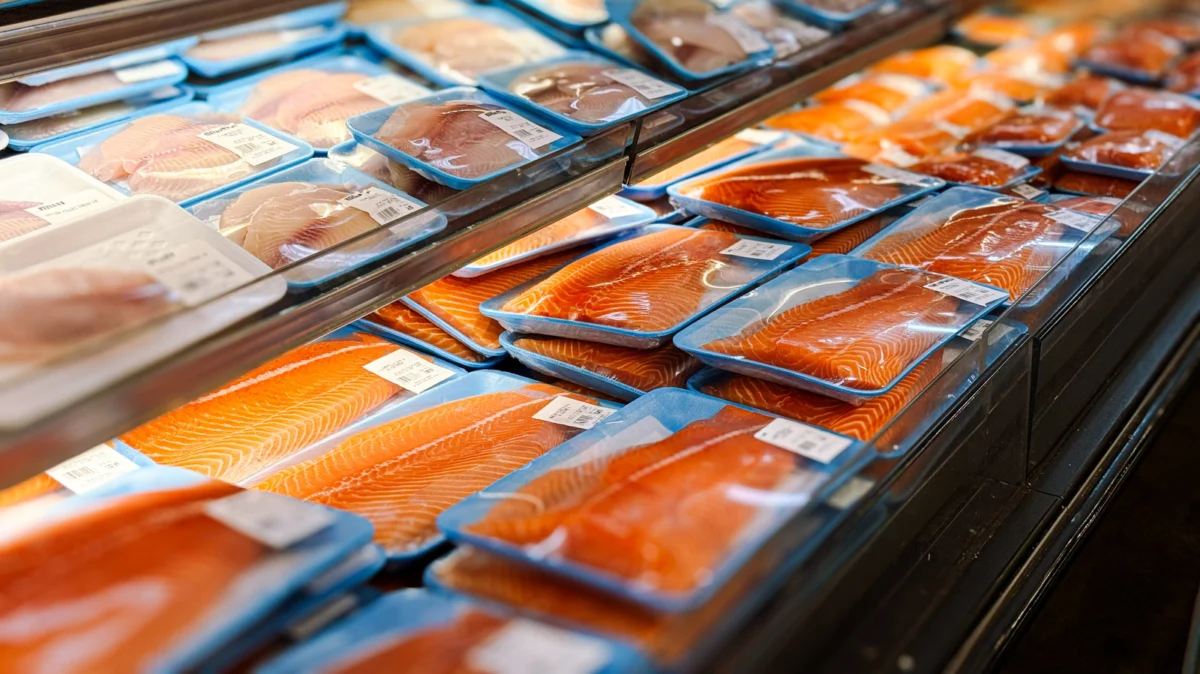
For decades, Atlantic salmon has reigned supreme in the global seafood market. Its ascent to culinary dominance began in earnest during the 1980s, driven by massive investments in aquaculture and a marketing narrative that positioned it as the ultimate "heart-healthy" protein. Today, salmon is a staple of Western diets, prized for its high-quality protein (boasting approximately 22 grams per 100-gram serving) and its rich profile of omega-3 fatty acids.
However, as consumer awareness regarding environmental impact and chemical usage in industrial farming grows, many are beginning to look for alternatives. Enter Arctic char (Salvelinus alpinus), a cold-water cousin to both salmon and trout that is rapidly emerging as a superior choice for the conscious consumer. Offering a milder flavor profile, fewer calories, and a more robust sustainability rating, Arctic char is not just a substitute—it is a significant upgrade for the modern dinner table.
The Evolution of the Seafood Market: A Chronology of Consumption
To understand why a shift toward Arctic char is necessary, one must look at the trajectory of the salmon industry.
- Pre-1980s: Salmon was largely a wild-caught commodity, with availability dictated by seasonal runs and geographical limitations.
- 1980s–1990s: The "Salmon Revolution" began. Advancements in net-pen farming technology allowed for the industrialization of salmon production. Prices plummeted, and consumption skyrocketed as salmon became an affordable, year-round grocery store item.
- 1999: The Monterey Bay Aquarium launched the "Seafood Watch" program. For the first time, consumers were provided with a science-based rating system to evaluate the environmental impact of their seafood choices.
- 2000s–Present: As the scale of salmon farming expanded, so did the environmental concerns. Issues such as sea lice outbreaks, chemical runoff, and the reliance on forage fish for feed led to the rise of alternative aquaculture species, including Arctic char.
The Nutritional Profile: Why Char Competes
Arctic char has long been a staple of the Inuit and other Indigenous peoples of the Arctic Circle, who have relied on its hardiness and nutritional density for centuries. When compared to the ubiquitous farmed salmon, the char offers several distinct advantages:
1. Caloric Efficiency
Farmed salmon, while nutrient-dense, is often high in fat—an intentional result of farming practices designed to maximize size and yield. Arctic char is generally leaner, offering a lighter caloric footprint without sacrificing the essential vitamins that make oily fish desirable.
2. The Vitamin D Powerhouse
One of the most striking nutritional statistics regarding Arctic char is its vitamin D content. A single serving can provide up to 77% of the daily recommended value, making it a critical dietary intervention for populations living in higher latitudes or those with limited sun exposure.
3. Culinary Versatility
Salmon is known for its distinct, assertive flavor. While this is a selling point for many, it can be polarizing. Arctic char is markedly milder, making it an excellent "gateway" fish for those who find salmon too "fishy." Its delicate texture allows it to absorb herbs, citrus, and spices without being overpowered, and it has the rare distinction of being one of the best proteins to cook directly from a frozen state, retaining its structural integrity far better than many other species.
Why Arctic Char Wins the Sustainability Race
The core argument for switching to Arctic char lies in the mechanics of its production. While both salmon and char often earn "Best Choice" ratings from organizations like Seafood Watch, the scoring nuances reveal a deeper story.
The Problem with Industrial Salmon Farming
Modern salmon farming is heavily criticized for its environmental externalities:
- Chemical Leaching: Large-scale net pens often require antibiotics and pesticides to manage disease outbreaks. These chemicals do not stay in the pens; they leach into the surrounding marine ecosystems, potentially impacting wild fish populations and local biodiversity.
- The "Feed" Dilemma: Farmed salmon are carnivorous. To produce one pound of salmon, aquaculture operations often require significant amounts of wild-caught fish (such as anchovies or sardines) to create fishmeal. This creates a "fish-in, fish-out" ratio that can strain marine food webs.
- Transparency and Data: The sheer size of the salmon industry makes data collection and monitoring difficult. Conversely, Arctic char production is often conducted in more controlled, land-based recirculating aquaculture systems (RAS) or smaller-scale operations that offer higher transparency and less impact on the immediate environment.
The Scoring Gap
According to current Seafood Watch data, while salmon holds a respectable 6.7 rating, Arctic char frequently scores a 7.0 or higher. This delta represents the difference between a system that is "trying to do better" and one that is inherently more compatible with ecological health.
Official Responses and Industry Shifts
Industry groups representing salmon farmers often point to improvements in technology, such as closed-containment systems, as proof that the sector is evolving. "We are moving toward a future where salmon farming is carbon-neutral and chemical-free," says a representative from a major aquaculture trade association. However, critics argue that the sheer scale of the industry makes these technological transitions slow and prohibitively expensive.
Conversely, conservationists point to Arctic char as the "Goldilocks" solution. Because char are native to cold, harsh environments, they are naturally resilient. They require less medical intervention and are often raised in facilities that do not interact with wild salmon populations, effectively eliminating the risk of disease transmission or genetic contamination—two of the primary criticisms leveled against salmon farming.
Implications for the Modern Consumer
What does this mean for the person standing in the seafood aisle?
- Demand Drives Change: The most powerful tool a consumer has is their wallet. By choosing Arctic char, consumers signal to retailers that there is a market for more sustainable, lower-impact protein sources.
- Broadening the Palate: Moving away from the "salmon-or-nothing" mentality encourages culinary creativity. Substituting char in traditional salmon recipes—whether it’s a simple lemon-dill bake or a more complex cedar-plank roast—offers a similar mouthfeel with a cleaner, more delicate taste.
- Long-term Food Security: Diversifying the species we eat is essential for global food security. Over-reliance on one or two species (like salmon and tuna) creates a vulnerable food system. By embracing Arctic char, we support a more robust, diversified, and resilient aquaculture industry.
Conclusion
The salmon industry has done much to provide affordable, healthy protein to the world, but it has reached a point of environmental saturation. The challenges of chemical usage, habitat degradation, and feed sourcing are becoming increasingly difficult to ignore.
Arctic char represents a more sophisticated approach to consumption. It delivers the same heart-healthy benefits, the same high-quality protein, and an even higher density of essential vitamins, all while operating within a more sustainable framework. As we move further into the 21st century, our food choices must reflect a deeper understanding of our impact on the planet. For those looking to make a meaningful change without sacrificing the quality or flavor of their meals, the answer may be found in the cold, clear waters where the Arctic char thrives. It is time to move beyond the pink filet and embrace a smarter, more sustainable choice.
