

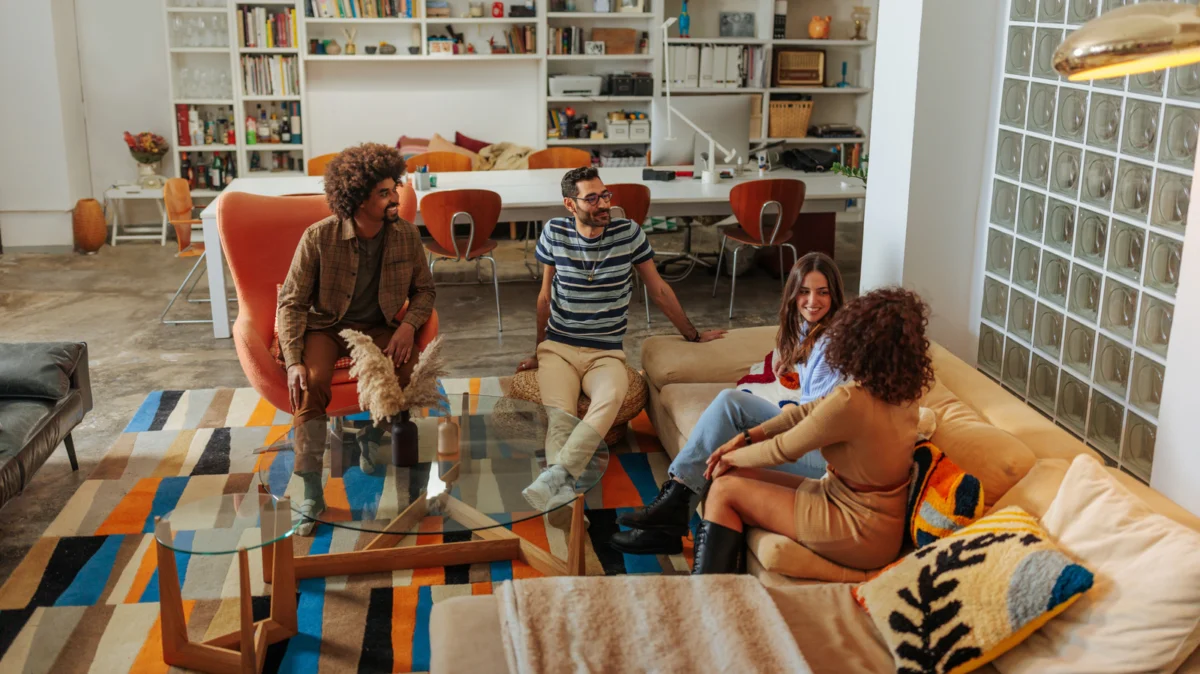
In the evolution of residential interior design, the living room has long served as the primary barometer for societal shifts. For the better part of the last three decades, this space was defined by a singular, immovable object: the television. However, a significant paradigm shift is currently underway. Driven by a desire for "human-centered" interiors, homeowners are moving away from screen-centric layouts in favor of the "conversation-first" design philosophy—a modern, flexible evolution of the iconic 1950s conversation pit.
The Main Facts: A Return to Human Connection
The core tenet of the conversation-first movement is intentionality. By prioritizing face-to-face interaction over passive digital consumption, interior designers are reclaiming the living room as a hub for connection. Unlike the literal "pits" of the mid-century era, which required major structural renovations, the modern approach relies on fluid furniture arrangement.
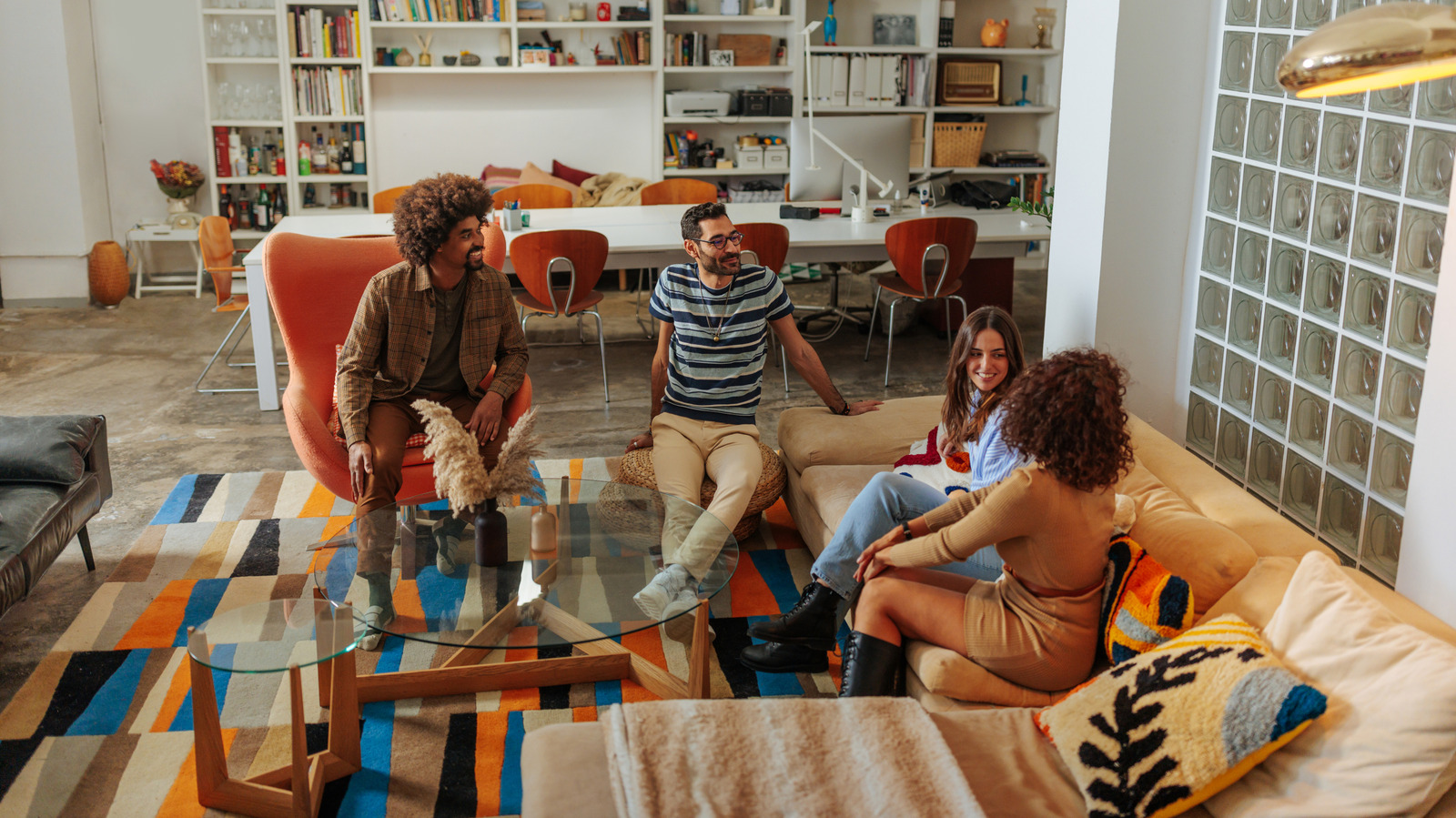
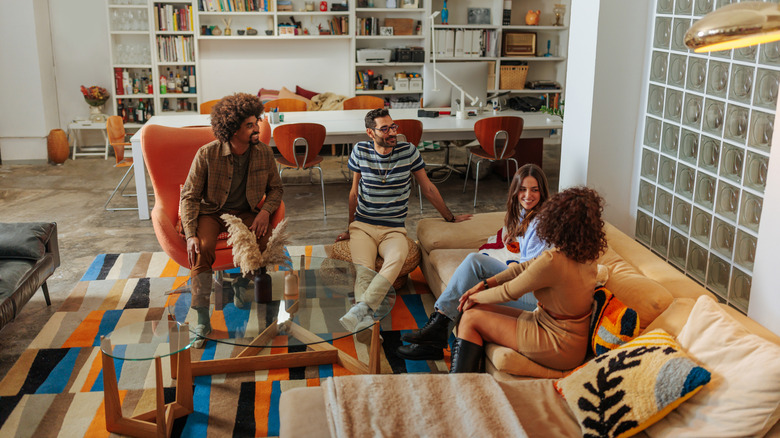
At its simplest, this design strategy involves rotating seating arrangements inward, away from the television and toward a central focal point—such as an area rug, a coffee table, or even a fireplace. This reconfiguration transforms the room from a passive viewing theater into an active social theater. As furniture expert Monika Puccio recently noted in an interview with House Beautiful, the goal is to design spaces that encourage residents and guests to connect with one another rather than gravitating toward a screen as the default focal point.
A Chronological Perspective: From Mid-Century Sunken Floors to Today’s Flexible Layouts
To understand the current trend, one must look back to the mid-20th century. The original conversation pit was a hallmark of the 1950s and 60s, popularized by architects like Eero Saarinen and Bruce Goff. These sunken, upholstered zones were designed to foster intimacy within open-plan homes, which were becoming increasingly popular at the time.
However, by the late 1980s and 1990s, the conversation pit fell out of favor. The rise of the home cinema, the ubiquity of cable television, and the practical challenges of sunken floors—which created structural limitations, mobility issues, and potential tripping hazards—led homeowners to fill them in or avoid them entirely.
For decades, the standard living room layout became rigid: a large sofa facing a wall-mounted TV, with secondary seating relegated to the periphery. Today, we are witnessing a "soft return." While the architecture remains flat, the psychology of the conversation pit has returned. Designers are now utilizing the same principles—intimacy, comfort, and inward-facing orientation—to achieve the same social benefits without the permanent structural burden of a sunken floor.
Supporting Data: Why We Are Unplugging
The shift toward conversation-first design is not merely aesthetic; it is backed by a growing cultural consensus regarding digital burnout. According to recent wellness trends in interior design, the "disconnected living room" is becoming a high-demand feature.
- The Socialization Gap: Interior design research suggests that U-shaped or inward-facing furniture arrangements increase the duration of social interactions by an average of 30% compared to linear, screen-facing layouts.
- Furniture Versatility: Market analysis shows a 40% increase in demand for modular sectionals and swivel chairs—pieces that allow users to pivot between a television-viewing mode and a social-facing mode.
- Well-being Metrics: Human-centered design advocates argue that reducing the visual dominance of screens in common areas helps regulate sleep cycles and lowers cortisol levels by decreasing the "always-on" anxiety associated with digital media.
Expert Perspectives: The Design Philosophy
Industry experts emphasize that "conversation-first" is less about the items you buy and more about the configuration of the space.
The Role of Focal Points
Architects and designers advise that the success of this layout depends on the "anchor." Without a television as the default focal point, the eye needs a landing spot.
- The Coffee Table: This remains the undisputed king of the social living room. It acts as a physical buffer and a shared space for refreshments and board games.
- Textiles as Anchors: Large, textured area rugs act as a "room within a room." When furniture is placed so that the front legs of the chairs and sofas sit on the rug, it creates a visual boundary that signals to guests that this is a defined zone for gathering.
Creating Natural Boundaries
One of the most effective ways to solidify a conversation-first layout is through the use of "soft barriers." By placing bookshelves, sideboards, or console tables behind floating sofas, designers can create a sense of enclosure. This mimics the cozy, protected feeling of a sunken pit while maintaining the versatility of a flat floor plan.
Implications for Modern Living
The adoption of conversation-first layouts has profound implications for how we live and interact in our homes.
The Death of the "Passive" Living Room
For years, the living room was a space where families sat in silence, mesmerized by glowing screens. The modern redesign demands a more active participation from the occupants. This layout forces a choice: if you want to watch TV, you may have to physically move or turn your head, making the act of watching a conscious decision rather than a passive habit.
Flexibility as the New Luxury
In real estate, permanent features are often a liability. A sunken conversation pit is difficult to renovate and limits the resale value if potential buyers view it as a quirk rather than a feature. The "furniture-first" approach is the ultimate form of sustainable design; it is non-destructive, cost-effective, and fully reversible. It allows homeowners to adapt their space for a dinner party, a book club, or a movie night in a matter of minutes.
The "Cozy" Factor
"Cozy" has become the buzzword of the 2020s, and the conversation-first design is its ultimate expression. By bringing furniture closer together—often creating a tight, inward-facing square or circle—designers reduce the "dead space" that often plagues large, empty living rooms. This closeness creates a sense of safety and intimacy that is essential for modern mental health.
Designing Your Own Space: A Practical Guide
If you are looking to pivot to a conversation-first model, start with these three steps:
- The Great Turn: Move your primary seating pieces away from the walls. Floating your furniture in the center of the room is the most effective way to break the "perimeter trap" where all furniture faces the wall.
- Angle for Intimacy: Instead of placing chairs perfectly parallel to the sofa, angle them slightly inward. This small geometric shift creates a more natural, human-scale flow of conversation.
- Zone Your Lighting: Avoid a single, harsh overhead light. Use floor lamps and table lamps to illuminate the conversation circle specifically. This creates a "glow" that invites people into the space and makes the rest of the room fade into the background.
Conclusion: The Future of the Home
The rise of the conversation-first living room is a reaction against the digital age. It represents a collective desire to reclaim our attention, prioritize our relationships, and find comfort in the physical environment. By looking to the past—specifically the social intimacy of the mid-century—and updating it for the modern era, we are finding that the most innovative way to design for the future is to simply face one another.
As we move forward, the living room will continue to evolve, but the fundamental need for human connection will remain constant. Whether you are living in a sprawling suburban home or a compact urban apartment, the conversation-first philosophy offers a roadmap for a home that is truly designed for the people who live in it.
