

In the quiet, sterile hallways of Disciplinary Alternative Education Programs (DAEPs) across Texas, the sound of learning is often replaced by the hollow echo of silence. For decades, these facilities—designed to house students removed from traditional classrooms due to behavioral infractions—have functioned less as schools and more as holding cells. However, one administrator’s tenure at the Del Valle Independent School District offers a radical, evidence-based rebuttal to the state’s “jail-like” disciplinary culture.
Jorge Meave, a veteran educator who took the helm of the Del Valle DAEP in 2015, arrived weeks before his official start date to find a system designed for containment rather than education. What he uncovered was not a school, but an assembly line of shame: students trapped in cubicles, isolated from peers, and assigned meaningless worksheets. By the time he retired, Meave had not only transformed the physical environment of the campus but had slashed disciplinary recidivism by 45 percent, proving that the gap between a warehouse and a school is measured not in budget dollars, but in human commitment.
The Anatomy of a Systemic Failure
To understand the scope of the crisis, one must understand the architecture of Texas Chapter 37. Under the Texas Education Code, students can be removed from their home campuses for a variety of infractions, ranging from mandatory placements for serious offenses to discretionary placements for behavioral disruptions. A fight lasting less than two minutes can trigger a 45-day removal.
The irony is profound: by removing a student at the start of the academic year, the system forces them to miss the critical six-week window during which classroom communities are built and foundational routines are established. When these students return, they are strangers in their own schools. Many never catch up; some spend their entire academic year in the DAEP, creating a cycle of exclusion that often begins as early as the first grade.
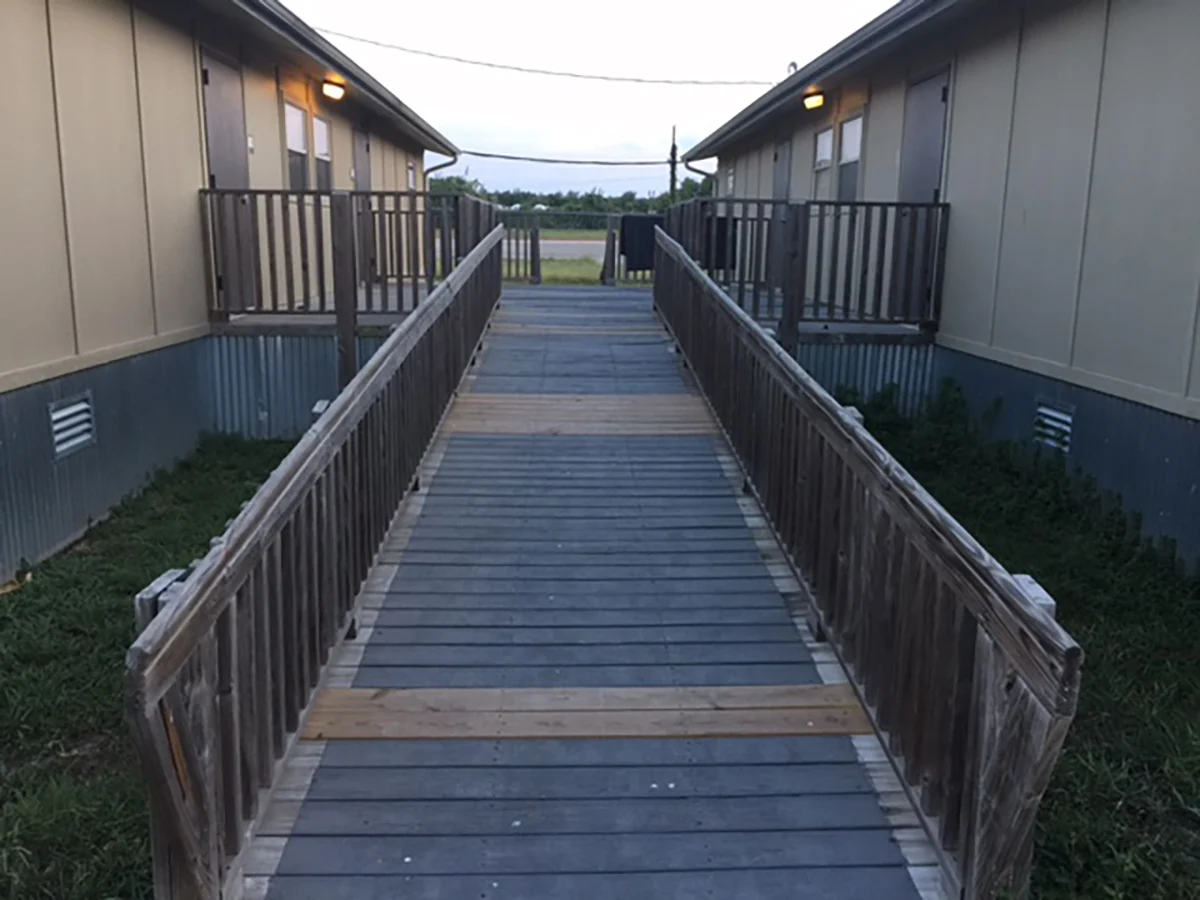
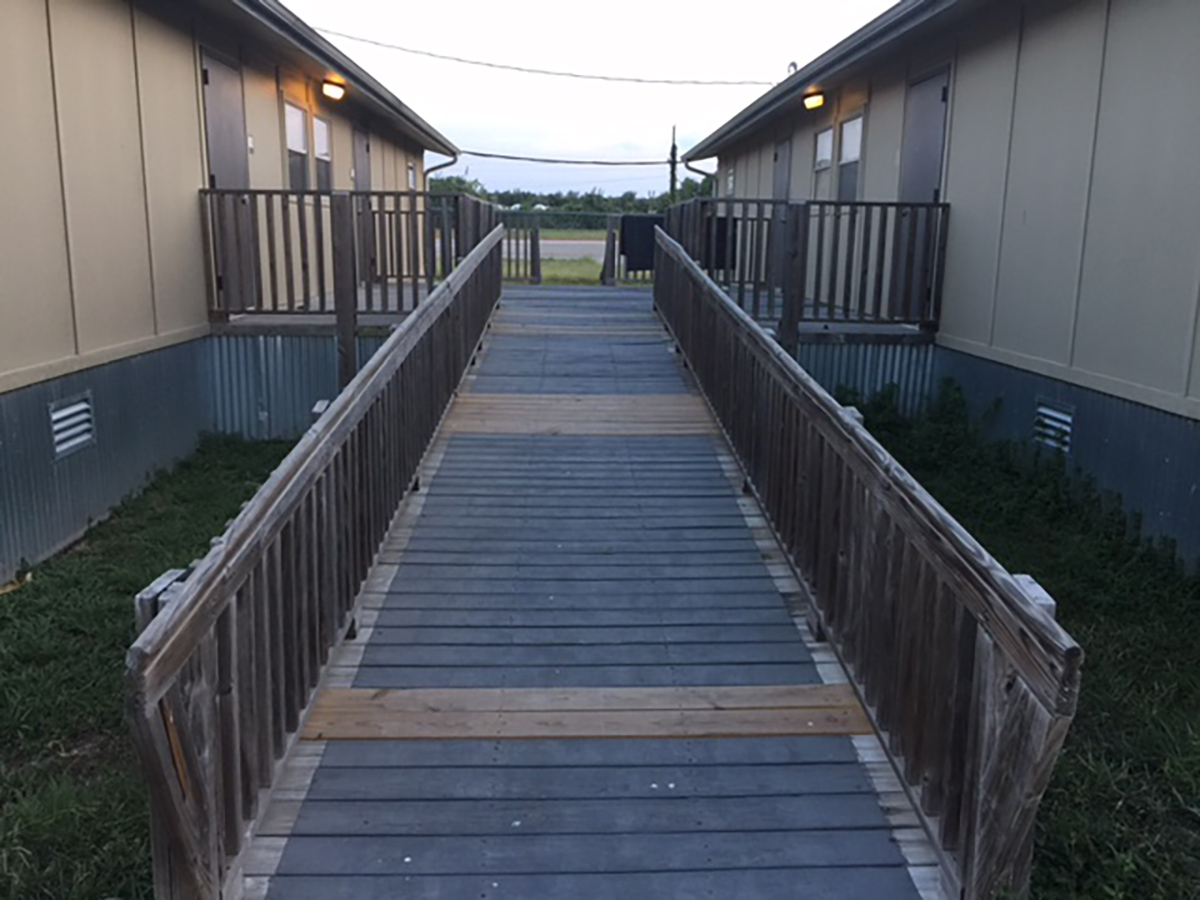
When Meave arrived at Del Valle, he found a program that had institutionalized this failure. Special education students—some of the district’s most vulnerable learners—were being taught by first-year instructors without specialized support. Elective courses like auto mechanics and computer training were reduced to stagnant packets of paper. Referrals were managed through archaic, manual data entry, and the physical infrastructure was crumbling. Perhaps most tellingly, there was no provision for basic dignity: students were often shamed for the state of their clothing, yet there was no facility on-site to wash them. Meave’s first act of reform was to secure a washer and dryer, a request that baffled administration but fundamentally changed the climate of the school. "A child who comes to school in dirty clothes is not ready to learn," Meave noted. "They are carrying shame. We were not going to let shame win."
Chronology of a Turnaround
Meave’s methodology was rooted in the philosophy that environment dictates behavior. His transformation of the Del Valle DAEP followed a distinct, three-phase trajectory:
1. Cultural De-escalation (2015–2016)
The immediate priority was the dismantling of the "prison model." The cubicles that enforced silence and isolation were removed. Teachers were positioned at entry points to greet every student by name. The goal was to establish a "normal" school morning—breakfast, social interaction, and access to technology—rather than a search-and-seizure routine. Meave specifically hired staff who shared the cultural and linguistic backgrounds of the students, prioritizing lived experience over mere credentials. He sought out educators who understood the neighborhoods and the history of feeling "unwanted" in the traditional school system.
2. Infrastructure and Support (2016–2018)
Once the culture shifted, the focus turned to academic and emotional resources. With the help of the district’s bilingual director, Meave secured funding for a leveled library that met students at their actual reading levels, rather than where state standards mandated they should be. Crucially, the school introduced "safe rooms"—portable units where students in emotional crisis could decompress and complete work without being issued a formal disciplinary referral. The objective shifted from "punishment" to "retention."
3. Institutional Buy-in (2018–Retirement)
The success of the program became undeniable during the 2015 district convocation. Meave, leading his small, stigmatized campus, prompted a gym full of hundreds of educators to join in a collective, symbolic act of solidarity during a spirit competition. This moment of unity served as the emotional foundation for the staff. The data eventually caught up to the morale: the school saw a 45 percent reduction in disciplinary referrals, and the presence of law enforcement on campus plummeted from a near-daily necessity to a rare occurrence.
The Data of Dignity: Supporting Evidence
The effectiveness of Meave’s approach is supported by more than just anecdotal success. According to the Texas Academic Performance Reports (TAPR) and local district data, the shift in climate led to a significant decrease in the recidivism of students who cycled through the DAEP.
When the Hechinger Report and the Texas Tribune conducted their extensive investigation into Texas DAEPs, they labeled the state’s approach "jail-like." Their findings highlighted that in most districts, these schools are merely holding cells. In contrast, the Del Valle model serves as a control group of sorts, demonstrating that when high-quality instruction and emotional support are prioritized over punitive isolation, students actually want to remain in the school setting. The most compelling evidence, however, came from the students themselves, many of whom told Meave they felt more supported at the DAEP than they did at their original home campuses.
Official Responses and Policy Implications
The broader educational establishment in Texas remains slow to adapt. While the Texas Education Agency (TEA) provides oversight, the implementation of disciplinary policy remains largely at the discretion of individual school administrators.
Critics of the current system argue that the "discretionary" nature of DAEP placements is where the most systemic harm occurs. Because the law gives administrators broad leeway in determining the length and nature of a placement, the outcome for a child often depends more on the philosophy of the school leader than the severity of the offense. Policy experts suggest that mandatory, standardized restorative justice training—rather than just "behavior management"—is the only way to ensure that schools like Del Valle are the norm rather than the exception.
However, the resistance to such change is often financial and bureaucratic. Critics of reform argue that DAEPs are inherently dangerous environments that require high-security measures. Meave’s response to such arguments is direct: "Safety is not negotiable. But the spirit with which you do something changes everything." He posits that "psychological cruelty" masquerading as discipline actually increases danger, as it fosters resentment and alienates students from the school community.

The Human Cost: A Legacy of Advocacy
Meave’s career, which spanned 27 years across various Texas districts, was deeply personal. Growing up in a migrant family, he moved constantly—McAllen, Oregon, Washington—and earned his degrees as an adult. He brought that perspective to the DAEP, viewing his students as reflections of his younger self.
The story of the student who assaulted an assistant principal the year before Meave’s arrival remains the most poignant example of his philosophy. That student, classified in records as "seriously emotionally disturbed," was not "fixed" by a punitive regime. He was reached through a process of restorative discipline—a process Meave describes as the "hardest work" he has ever done. By treating the student as a person capable of growth rather than a liability to be contained, the school was able to foster a different trajectory.
Implications for the Future of Education
The implications of Meave’s work are clear: the "warehouse" model of alternative education is a policy choice, not an inevitability. As Texas continues to face scrutiny over its disciplinary practices, the Del Valle model offers a blueprint for reform that does not require massive new funding, but rather a fundamental shift in administrative priorities.
The future of alternative education in Texas likely hinges on three pillars:
- Redefining Success: Moving away from recidivism-based metrics toward student-retention and emotional-well-being metrics.
- Staffing for Empathy: Prioritizing teachers with the emotional intelligence to navigate trauma, rather than just classroom management skills.
- Restorative Infrastructure: Investing in physical spaces that encourage learning and decompression rather than isolation.
As Meave observed upon his retirement, the adults in the system are the ones who decide whether a student is "worth the fight." In a state that has historically opted for the path of least resistance—warehousing its most difficult-to-reach students—the Del Valle DAEP stands as a testament to the power of human connection. The students are waiting to see what the adults will decide next, and as the evidence suggests, the cost of choosing "wrong" is a price that the state can no longer afford to pay.
