

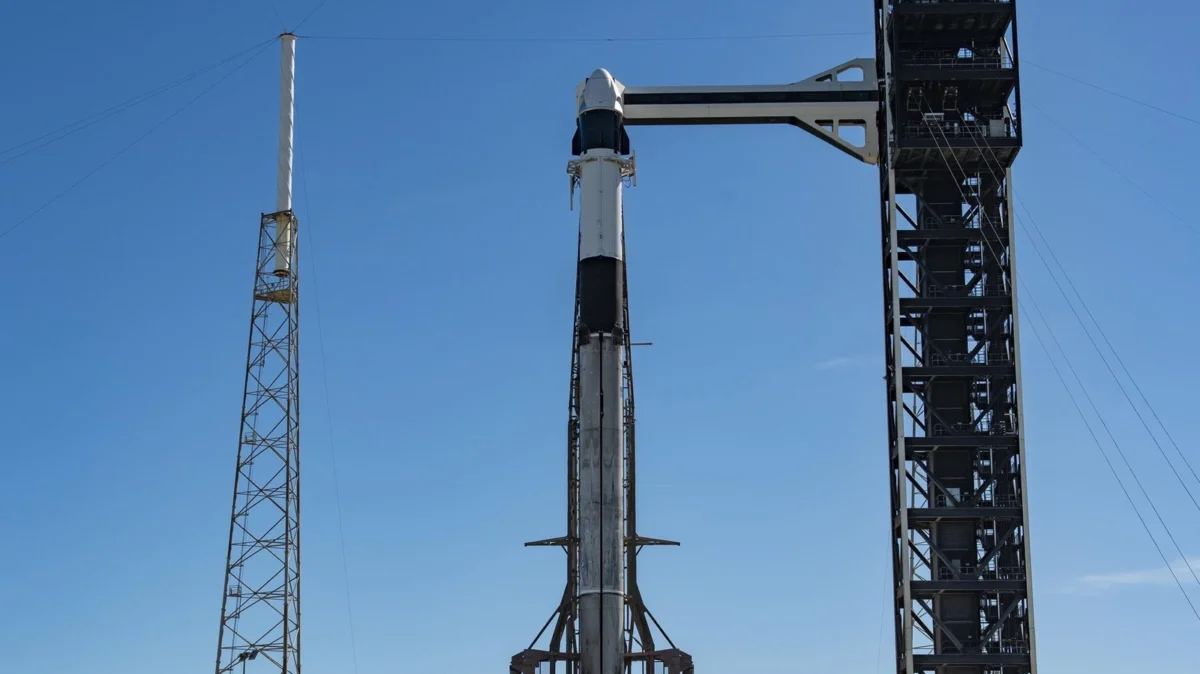
In a major milestone for commercial spaceflight and international cooperation, NASA and SpaceX are launching the Crew-13 mission today, October 1. A four-person crew—consisting of three astronauts and one cosmonaut—is set to lift off from the Cape Canaveral Space Force Station in Florida, marking another critical chapter in the ongoing operation of the International Space Station (ISS).
The launch, scheduled for 11:10 AM ET, represents more than just a routine crew rotation. It signifies a push for operational efficiency, with NASA targeting the fastest transit time from Earth to the ISS in the history of the U.S. space program. As the crew ascends into orbit, they carry with them the weight of scientific progress and the future of human exploration beyond low-Earth orbit.
The Mission Profile: A High-Speed Ascent
The Crew-13 mission is defined by its ambitious trajectory. NASA officials have confirmed that the spacecraft is planned to reach the space station in just seven hours and 50 minutes. This accelerated docking procedure is not merely a test of endurance; it is a tactical shift in how NASA manages crew transfers. By reducing the time astronauts spend in the confined quarters of the Crew Dragon capsule, the agency aims to minimize the physical toll of launch and maximize the crew’s readiness upon arrival.
The mission is commanded by Jessica Watkins, a seasoned geologist whose previous experience on SpaceX Crew-4 and her foundational work on the Curiosity rover science team provide a bedrock of expertise. Joining her is pilot Luke Delaney, a research pilot from NASA’s Langley Research Center. The crew is rounded out by Canadian Space Agency (CSA) astronaut Joshua Kutryk and Roscosmos cosmonaut Sergey Teteryatnikov. For Delaney, Kutryk, and Teteryatnikov, this mission represents a career-defining moment, as each is making their first-ever trip to space.
Chronology: From Launchpad to Orbit
The timeline for this mission is meticulously calibrated. Coverage begins at 9:20 AM ET, broadcast across a wide spectrum of platforms, including the NASA YouTube channel, NASA+, Netflix, Discovery+, X, and Amazon Prime Video.
Pre-Launch Sequence
- 09:20 AM ET: Live streaming coverage commences, providing viewers with technical briefings, weather updates, and final suit-up procedures.
- 11:10 AM ET: Liftoff from Cape Canaveral Space Force Station aboard a SpaceX Falcon 9 rocket.
- Post-Launch: The spacecraft will enter its orbital insertion phase, followed by a series of precise maneuvers designed to intercept the ISS.
Docking and Integration
Once the spacecraft successfully achieves orbit, it will begin its rapid transit. Upon arrival, the Crew-13 team will be welcomed by the current occupants of the ISS. The mission is tasked with a swift handover of responsibilities. This transition is particularly important, as the outgoing Crew-12 mission recently navigated a challenging period on the station, including an incident in June where the crew was forced to shelter in place due to a localized air leak. The arrival of Crew-13 will provide much-needed relief and a fresh set of hands to address ongoing station maintenance.
Supporting Data and Scientific Objectives
The core mandate of Crew-13 is to advance the "Moon to Mars" initiative. While the ISS serves as a laboratory for microgravity research, the specific investigations slated for this mission are geared toward preparing for long-duration deep-space travel.
Key Research Focus Areas:
- Life Support Systems: Testing hardware that could eventually be deployed on lunar surface habitats.
- Human Physiology: Monitoring the long-term effects of radiation and microgravity on the human body, providing data essential for the health of astronauts on multi-year missions to Mars.
- Technology Demonstrations: Conducting experiments in material science and combustion that are impossible to perform under the influence of Earth’s gravity.
The data gathered during this mission will flow directly into the planning for the Artemis program. As the international community watches, these experiments serve as the building blocks for the next generation of space exploration.
Official Responses and Strategic Context
NASA’s leadership has framed the Crew-13 mission as a testament to the reliability of the SpaceX partnership. In an official press release, NASA noted that the consistency of these launches is vital to maintaining a continuous human presence in space.
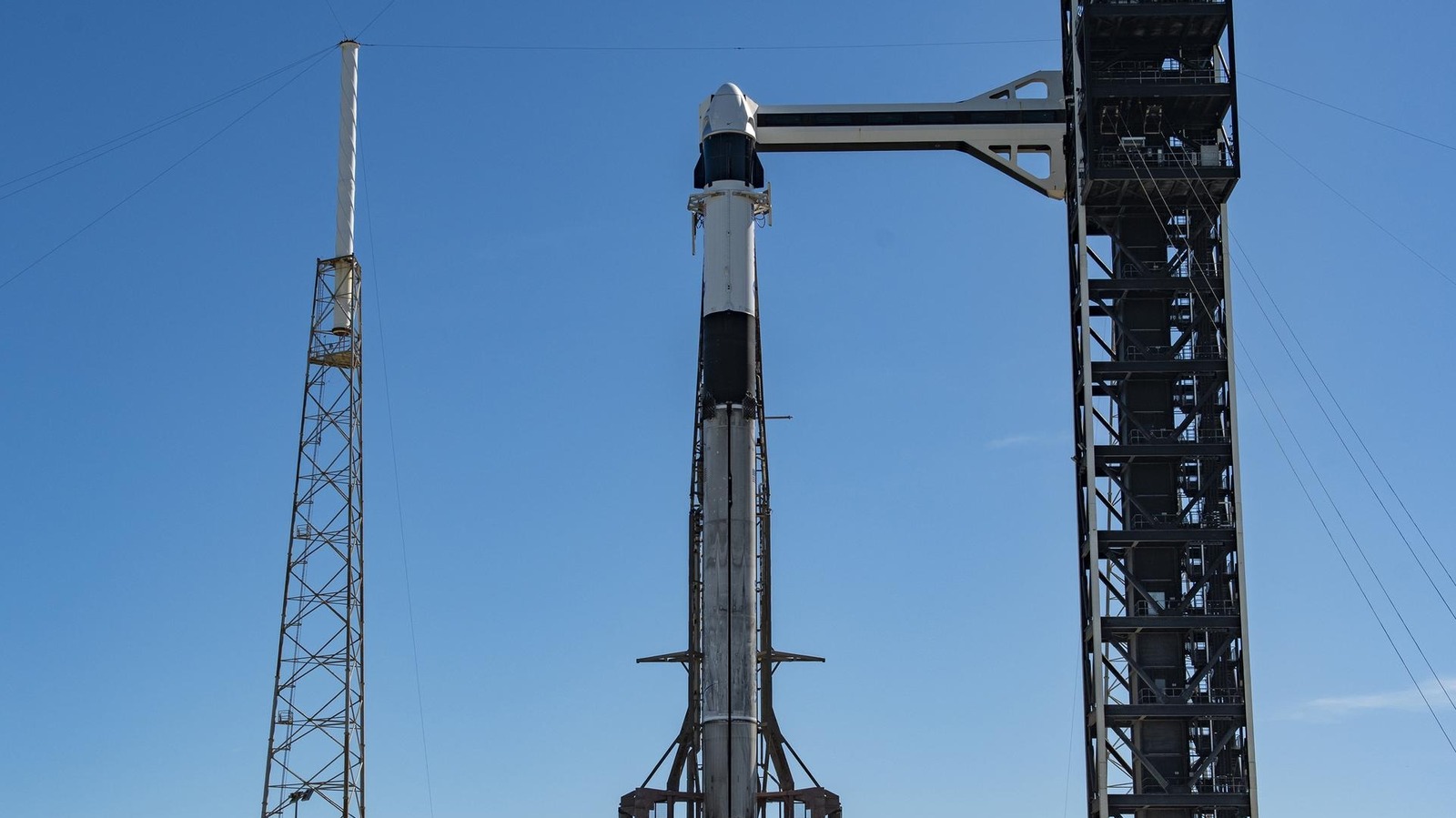
"The work being conducted by the Crew-13 team is essential," a NASA spokesperson stated. "Every minute spent on the ISS is a step toward refining the technologies we need to eventually establish a permanent presence on the Moon and, eventually, a landing on the surface of Mars."
However, the backdrop for this launch includes the broader, evolving timeline of the Artemis program. NASA recently overhauled its roadmap, pushing the goal for a crewed lunar landing to 2028. Despite the delay, the agency remains confident in the progress made since the successful Artemis II lunar flyby on April 10. The 2027 window remains the target for testing lunar landers developed by commercial partners Blue Origin and SpaceX, keeping the dream of a lunar return firmly in sight.
Implications: The Future of Deep Space Exploration
The implications of the Crew-13 mission extend far beyond the station’s walls. By perfecting high-speed docking and modular scientific research, NASA is effectively "stress-testing" its operational protocols.
Operational Resilience
The recent air leak on the ISS highlighted the inherent dangers of living in orbit. The ability for a crew to respond, adapt, and continue operations while under pressure is exactly the kind of resilience needed for a mission to Mars. By replacing the Crew-12 team, the Crew-13 members are not just continuing the mission—they are providing the continuity required to ensure the ISS remains a viable, safe, and productive facility for the next decade.
Commercialization of Space
The involvement of platforms like Netflix and Amazon Prime Video in the broadcast of this launch speaks to the changing nature of space exploration. It is no longer a closed-door government project; it is a public, global event that draws millions of viewers. This increased visibility is essential for sustained public and political support, which in turn secures the funding necessary for the massive infrastructure projects like the Lunar Gateway and future Mars transit vehicles.
International Collaboration
Despite geopolitical tensions on Earth, the inclusion of a Russian cosmonaut alongside Canadian and American astronauts highlights the unique, insulated nature of the ISS as a site of cooperation. The ability of diverse space agencies to integrate their personnel into a single, cohesive unit remains the gold standard for international diplomacy in the 21st century.
Conclusion
As the Falcon 9 rocket ignites, the Crew-13 mission stands as a bridge between the lessons learned in low-Earth orbit and the aspirations of deep-space exploration. The astronauts and the cosmonaut on board are not just operators; they are the precursors to the next generation of explorers who will walk on the lunar surface and eventually venture toward the Red Planet.
With a record-setting transit time and a heavy scientific agenda, the mission serves as a reminder that spaceflight, while dangerous and difficult, remains the most profound expression of human curiosity. As the world tunes in to watch the ascent, the legacy of the ISS continues to grow—a small, artificial star in the void, where the future of humanity is currently being written.
