


Introduction: A New Era of Museum Engagement
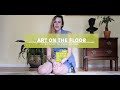
In the evolving landscape of 21st-century museology, the Newark Museum of Art (NMOA) has successfully pivoted to meet the challenges of digital accessibility and community engagement. Among its most innovative contributions is the "Art on the Floor" initiative—a series of educational digital resources spearheaded by Museum Educator Kirsten Mayer. Launched during a period when physical galleries faced unprecedented restrictions, this program has transcended its origins to become a permanent fixture in the museum’s educational toolkit. By translating the complex aesthetic and historical narratives of the museum’s world-class collections into accessible, hands-on activities, NMOA is redefining how institutions interact with their patrons.
Main Facts: Bringing the Collection to Life
The "Art on the Floor" project serves as a bridge between the curated, often untouchable treasures behind glass and the creative impulses of the home-based learner. The core philosophy of the project is simple yet profound: art is not merely an object to be observed; it is a language to be spoken.
Kirsten Mayer, a central figure in the museum’s educational outreach, acts as the primary guide for these workshops. Through high-quality video content, Mayer translates technical art-making processes—such as printmaking, stained-glass design, and structural assembly—into manageable segments for audiences ranging from students to lifelong learners. By utilizing everyday, household materials, the initiative democratizes art education, ensuring that the socio-economic status of a participant does not serve as a barrier to creative expression.
Chronology: The Evolution of a Digital Pedagogical Model
The journey of "Art on the Floor" began in earnest during the latter part of 2021, a year defined by the museum’s efforts to maintain cultural continuity amidst global health challenges.

- December 2021: The formal launch of the digital series. The museum cataloged several foundational workshops, focusing on techniques that mirrored the historical pieces held within the NMOA’s permanent collection.
- Early 2022: The expansion of the program. As the digital series gained traction, the museum began curating specific series, such as the "Arts of Global Africa" module, which contextualized traditional printing techniques with modern creative applications.
- Mid-2022 to 2023: Integration into the hybrid classroom. The series began to be utilized by regional schools as a supplemental curriculum, allowing teachers to provide students with a "museum-in-a-box" experience.
- Present Day: The initiative continues to serve as an evergreen digital library, providing thousands of viewers with asynchronous learning opportunities that remain relevant regardless of when they are accessed.
Supporting Data: The Mechanics of Accessible Education
A critical component of the NMOA’s strategy is its commitment to digital accessibility. The museum’s website features an extensive accessibility panel, which serves as a blueprint for how cultural institutions should present educational content to diverse user bases. By incorporating features such as high-contrast modes, dyslexia-friendly fonts, and adjustable text spacing, the NMOA ensures that the barrier to learning is minimized for individuals with visual or cognitive impairments.
Furthermore, the "Art on the Floor" video content is structured to address various cognitive learning styles. The technical breakdown of the binary jewelry project, for instance, provides a perfect example of STEM-integrated art (STEAM). By mapping binary code to physical materials, Mayer helps participants understand abstract mathematical concepts through the tangible medium of jewelry-making. This cross-disciplinary approach not only reinforces the value of art but also highlights its interconnectedness with logic, history, and social structures.
Official Responses and Educational Philosophy
The Newark Museum of Art has long maintained that its mission is to serve as a beacon of cultural education for the people of Newark and beyond. When asked about the impact of the "Art on the Floor" initiative, spokespeople for the museum have emphasized that the digital transition was not merely a temporary solution but a strategic evolution.
"Our goal is to foster a sense of ownership over the collection," one museum representative noted. "When a student creates a print inspired by the Arts of Global Africa, they are not just making a craft; they are entering into a dialogue with the history and the artists who preceded them. Kirsten Mayer’s approach centers the student as an active creator rather than a passive observer."

This sentiment reflects the broader pedagogical trend of "constructivism" in museum education, where the learner constructs their own understanding of the world through experience and reflection. By providing the tools and the inspiration, the museum abdicates the role of the "gatekeeper" and instead adopts the role of the "facilitator."
Implications: The Future of Cultural Accessibility
The success of "Art on the Floor" carries significant implications for the future of arts institutions worldwide.
1. The Democratization of Expertise
Historically, museum education was confined to those who could physically visit the museum. The shift toward high-quality, video-based instruction allows the NMOA to reach a global audience. Whether an individual is in a classroom in New Jersey or a living room in another country, the quality of instruction remains consistent and professional.
2. Bridging the Digital-Physical Divide
The NMOA has mastered the "phygital" (physical + digital) space. By requiring users to utilize physical materials to complete the tasks shown in the digital videos, the museum ensures that the screen remains a tool for instruction rather than the destination for the experience. This prevents "screen fatigue" and encourages the development of fine motor skills and tactile creativity.
3. Institutional Sustainability
The use of digital archives creates a sustainable model for the museum. Unlike temporary exhibitions that require significant physical resources and logistical planning, these digital workshops provide long-term value with a one-time production cost. This allows the museum to allocate resources toward future research and preservation while maintaining a constant stream of engagement.
Analysis of the Curriculum: From Printmaking to Binary Jewelry
The depth of the curriculum offered under "Art on the Floor" is noteworthy. Each module serves a specific thematic purpose:
- Printmaking and the Arts of Global Africa: This module encourages participants to examine the visual language of African textiles and carvings. By focusing on the "process" rather than the "product," Mayer teaches the importance of rhythm, repetition, and cultural narrative.
- Stained Glass Window Construction: This module introduces participants to the science of light and color. By using simple materials, the museum strips away the intimidating nature of traditional glass-blowing or leading, allowing participants to grasp the principles of architectural art.
- Binary Jewelry: Perhaps the most forward-thinking of the modules, this project bridges the gap between technology and traditional adornment. It serves as an entry point for young people to engage with computer science through a medium that feels personal and expressive.
Conclusion: A Model for Cultural Stewardship
The Newark Museum of Art has demonstrated that the most effective way to protect the future of art is to put the tools of creation into the hands of the public. Through the "Art on the Floor" initiative, the museum has moved beyond its physical walls, effectively embedding itself into the homes and schools of its community.
As we look to the future, the lessons learned from this initiative—the importance of accessibility, the power of cross-disciplinary learning, and the necessity of high-quality digital engagement—will undoubtedly influence how other institutions approach the task of cultural stewardship. The NMOA is not just preserving art; it is cultivating a generation of creators, thinkers, and historians, ensuring that the legacy of its collection remains vibrant, relevant, and accessible for years to come.

By continuing to prioritize the intersection of technology and human creativity, the Newark Museum of Art is securing its place as a leader in the global cultural community, proving that even when the doors of the museum are closed, the spirit of inquiry and creation remains wide open.
