

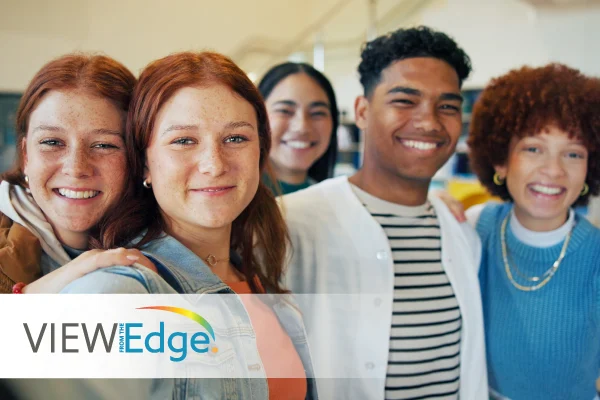
In an era where educational landscapes are increasingly diverse, educators are actively seeking strategies to ensure every student feels seen, supported, and valued. At the recent EdgeCon Spring conference, presenters Sierra and Oro offered compelling insights into the power of intentional course design and personalized student feedback as crucial tools for fostering inclusive learning communities. Their shared expertise underscores a fundamental shift in pedagogical thinking, moving beyond one-size-fits-all approaches to embrace a more human-centered, student-responsive educational experience, whether in traditional classrooms or online environments.
The core of their message revolves around a proactive approach to anticipating and addressing student needs. This philosophy, often termed "intentional course design," seeks to dismantle potential barriers to learning by making implicit expectations explicit and providing accessible resources. As Oro articulated, "While each group may have different needs, it’s essential to create a learning environment where students feel seen and that benefits everyone in the classroom. Whether you’re online or in a traditional classroom, everyone wants to feel valued for who they are."
This sentiment is echoed by Sierra, who emphasizes the importance of "removing the hidden curriculum." This concept refers to the unstated norms, expectations, and knowledge that some students may implicitly understand due to their background, while others may not. "It’s about unlocking those details that someone from a different background might not have been exposed to through no fault of their own," Sierra explained. "Sometimes we think we’re over-explaining, but having those details available helps everyone."
Deconstructing the Hidden Curriculum: Practical Applications
The presenters elaborated on tangible ways to implement this "de-hiding" of curriculum. Providing crystal-clear assignment instructions, detailing expectations with precision, and ensuring all course materials are readily accessible are paramount. For instance, the instruction for a "properly formatted paper" might be straightforward for some, but for first-generation college students or those with limited prior academic experience, it can represent an unacknowledged hurdle.
"The same approach applies to accessibility and flexibility," Sierra noted. For students with disabilities, humanizing a course might translate to ensuring all videos are captioned or that lecture slides are distributed in advance. For non-traditional students, who often juggle multiple responsibilities alongside their studies, offering flexibility in how assignments are completed can be a game-changer. The underlying principle, they stressed, is that while individual needs vary, a thoughtfully designed course that anticipates these differences ultimately benefits the entire learning cohort.
Building Trust Through Welcoming Practices and Ongoing Dialogue
Central to uncovering and addressing these diverse needs is the establishment of trust between instructors and students. Oro highlighted that the goal of gathering student information is not merely data collection but a genuine effort to foster deeper understanding. "Part of the approach is by being welcoming," Oro stated. This involves a proactive outreach, such as sending a message before the first day of class expressing enthusiasm for their presence and posing simple, yet revealing, questions. Examples include inquiries about name pronunciation, preferred appellations, and preferred methods of receiving feedback. These questions, though seemingly minor, signal a commitment to individual recognition and respect.
Sierra further champions the use of surveys as a continuous feedback mechanism. She advocates for regular check-ins, typically around the midpoint of the course and again at its conclusion. These surveys serve a dual purpose: they build trust by demonstrating that student input is valued and has a tangible impact, and they provide valuable insights for course refinement. "When students learn that the information they share is going to impact course discussions and content, participation goes up," Sierra observed. She also stressed the importance of transparency in how feedback is integrated, explaining which suggestions align with learning outcomes and which might not be feasible, thereby reinforcing the students’ role as active participants rather than passive recipients.
Extending Humanizing Principles Beyond the Digital Realm
While much of the discourse surrounding humanizing educational practices has historically focused on online learning environments, Oro pointed out that these principles are universally applicable. The insights gained from workshops on humanized online courses, she explained, have demonstrated their value in traditional classrooms as well. "We try to support faculty in thinking about how the learning management system (LMS) can be used, even if it’s a traditional class," Oro said. The LMS can serve as a centralized hub for organized and accessible course materials, mirroring the benefits of a well-structured online environment.
The establishment of clear expectations, the visibility of the hidden curriculum, and the cultivation of a community of learners are all elements that transcend the modality of instruction. For Oro, defining "expectations" is about helping students understand what constitutes success and how to meet the requirements of their academic tasks. This clarity demystifies the learning process and empowers students to engage more confidently.
Revolutionizing Feedback: The Power of Personalized Communication
A significant aspect of humanizing the learning experience lies in the transformation of how feedback is delivered. Moving away from sterile, perfunctory comments, instructors are encouraged to infuse their feedback with a personal and conversational tone. Sierra highlighted the utility of tools like Canvas Studio, which are often integrated into existing LMS platforms.
"Anything that’s already integrated into the LMS can be a great option," Sierra recommended. "With a screen capture, you can record yourself going through a student’s paper and use the annotation tools, much like if the student were physically sitting beside you." This approach allows instructors to not only identify areas for improvement but also to celebrate strengths and foster a genuine dialogue about the student’s work. Furthermore, the integration of dictation tools can enable more informal and less critical text-based feedback.
The Impact of Voice and Presence in Feedback Delivery
The nuanced nature of audio and video feedback becomes particularly evident when addressing more complex messages. Sierra drew a parallel to email, where tone and intent can easily be misinterpreted. "The message can be softened when you put your voice, face, and hand gestures into delivering the information," she explained. This human element can prevent misunderstandings and cultivate a sense of direct engagement, transforming a one-sided critique into a collaborative conversation.
However, the presenters acknowledged a potential disconnect: students, accustomed to traditional feedback methods, may not immediately recognize the value of personalized audio or video feedback. Oro shared her observations from student surveys. "When I’ve asked students how they prefer to receive feedback—written feedback, informal feedback in the classroom, or video or audio feedback—very few will select video or audio feedback," she reported. This preference, she mused, might stem from a lack of prior exposure rather than a genuine dislike.
The traditional "red pencil" critique, often perceived as punitive, can be significantly softened by the warmth and encouragement conveyed through an instructor’s voice. "But if you heard someone’s voice saying, ‘There are a lot of things that went well here, and for the next revision I’d like you to focus on this one area,’ that can completely change how a student receives that feedback," Oro emphasized. These seemingly small shifts in communication, she concluded, have a profound influence on a student’s connection to their learning and reinforce their status as valued members of the classroom community.
The insights shared by Sierra and Oro at EdgeCon Spring offer a compelling roadmap for educators striving to create more inclusive and effective learning environments. By embracing intentional course design and prioritizing personalized, humanized feedback, institutions can move towards a future where every student feels empowered to learn, grow, and thrive. The implications extend far beyond individual classrooms, promising a broader cultural shift in education towards greater empathy, understanding, and a genuine commitment to student success.
