

In an era where the digital landscape is increasingly fraught with sophisticated threats, the luxury of ignoring personal cybersecurity has vanished. Malicious actors are no longer relying solely on brute-force attacks; they are now weaponizing artificial intelligence to deploy hyper-realistic phishing campaigns, generate convincing deepfakes, and conduct automated, high-speed vulnerability scanning. For the average individual, the digital footprint is wider than ever, creating an expansive attack surface that requires a robust, proactive defense.
As the threat landscape evolves, so too do the solutions. Cybersecurity platforms have moved toward "all-in-one" models, attempting to simplify digital hygiene by bundling diverse protective tools into a single interface. Among these is IDX Complete, a service that promises to act as a digital bodyguard for individuals and families. But does this broad approach sacrifice quality for convenience? We put IDX Complete to the test to see if it stands up to the rigors of modern digital threats.
The Core Features: A Multilayered Defense
The IDX Complete bundle is designed to address the primary vectors of identity theft and privacy loss. By aggregating multiple security services, the platform aims to provide a comprehensive shield for the modern user.
1. ForgetMe: Data Broker Removal
Perhaps the most vital tool in the suite is "ForgetMe." Data brokers represent a significant privacy risk, as they aggregate personal information—from home addresses to shopping habits—and sell it to the highest bidder. IDX’s service scans over 100 data broker sites to identify where your information is hosted and sends automated removal requests. While this is effective, it is worth noting that some dedicated, specialized platforms monitor upwards of 500 sites. However, for most users, IDX covers the most egregious offenders, significantly reducing your public exposure.
2. Password Management and Breach Alerts
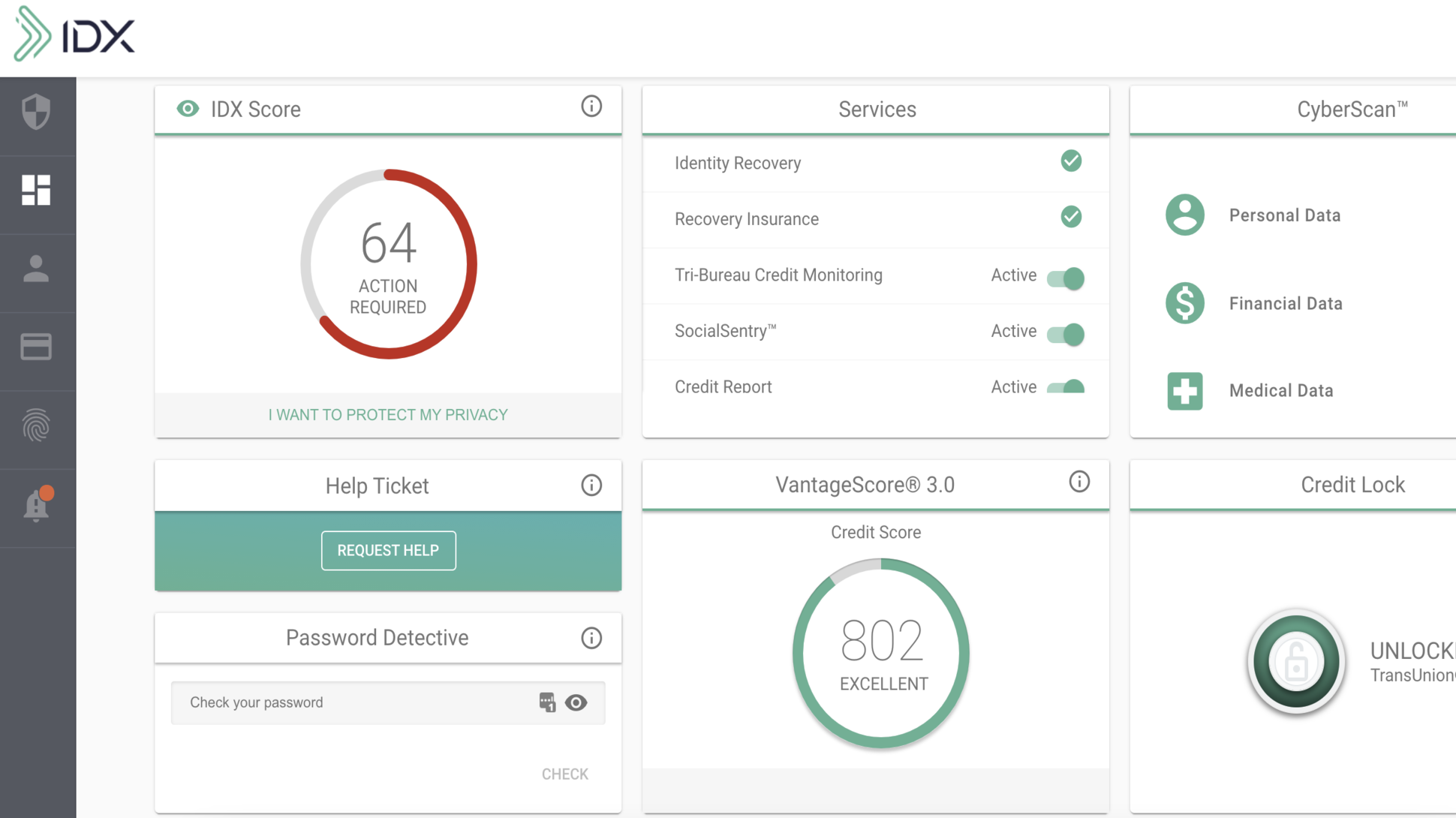
A password manager is the cornerstone of modern security. The IDX implementation not only stores credentials in an encrypted vault but also utilizes auto-fill technology to prevent the use of weak, reused, or compromised passwords. Furthermore, the tool cross-references your stored passwords against known data breach databases, providing real-time alerts if your credentials have been leaked. This proactive notification system is essential, as it allows users to reset passwords before a breach can be exploited.
3. Virtual Private Network (VPN)
The included VPN serves as a crucial layer of anonymity. By routing your internet traffic through encrypted remote servers, it masks your IP address from advertisers and malicious interceptors. This is particularly valuable when connecting to public Wi-Fi networks in coffee shops or airports, where local networks are notoriously insecure. While IDX offers roughly 20 server locations—a modest figure compared to industry leaders who provide hundreds—the performance remains consistent and reliable for standard browsing and privacy needs.
4. Identity Theft Recovery and Insurance
For U.S.-based subscribers, IDX provides a safety net in the form of identity theft recovery services. Should an account be compromised or an identity stolen, subscribers have access to expert guidance on the necessary corrective actions, such as freezing credit reports or closing fraudulent accounts. The addition of insurance coverage for damages provides a final, necessary layer of financial security that many standalone software tools lack.
Chronology of the Modern Threat Landscape
To understand why platforms like IDX have gained traction, one must look at the recent evolution of cyber-threats:
- 2018–2020: The rise of large-scale data breaches, such as the Equifax incident, made the public acutely aware of how vulnerable personal data is when stored in centralized, often insecure, databases.
- 2021–2022: The transition to remote work accelerated the need for personal VPNs and encrypted communication, as home networks became the new corporate perimeter.
- 2023–Present: The democratization of Generative AI has lowered the barrier to entry for cybercriminals. AI-generated phishing emails have become indistinguishable from legitimate corporate communications, leading to a massive spike in social engineering attacks.
IDX’s rise is a direct response to this chronology; it acknowledges that a single tool—like an antivirus or a simple password manager—is no longer sufficient.
Pricing and Value Analysis
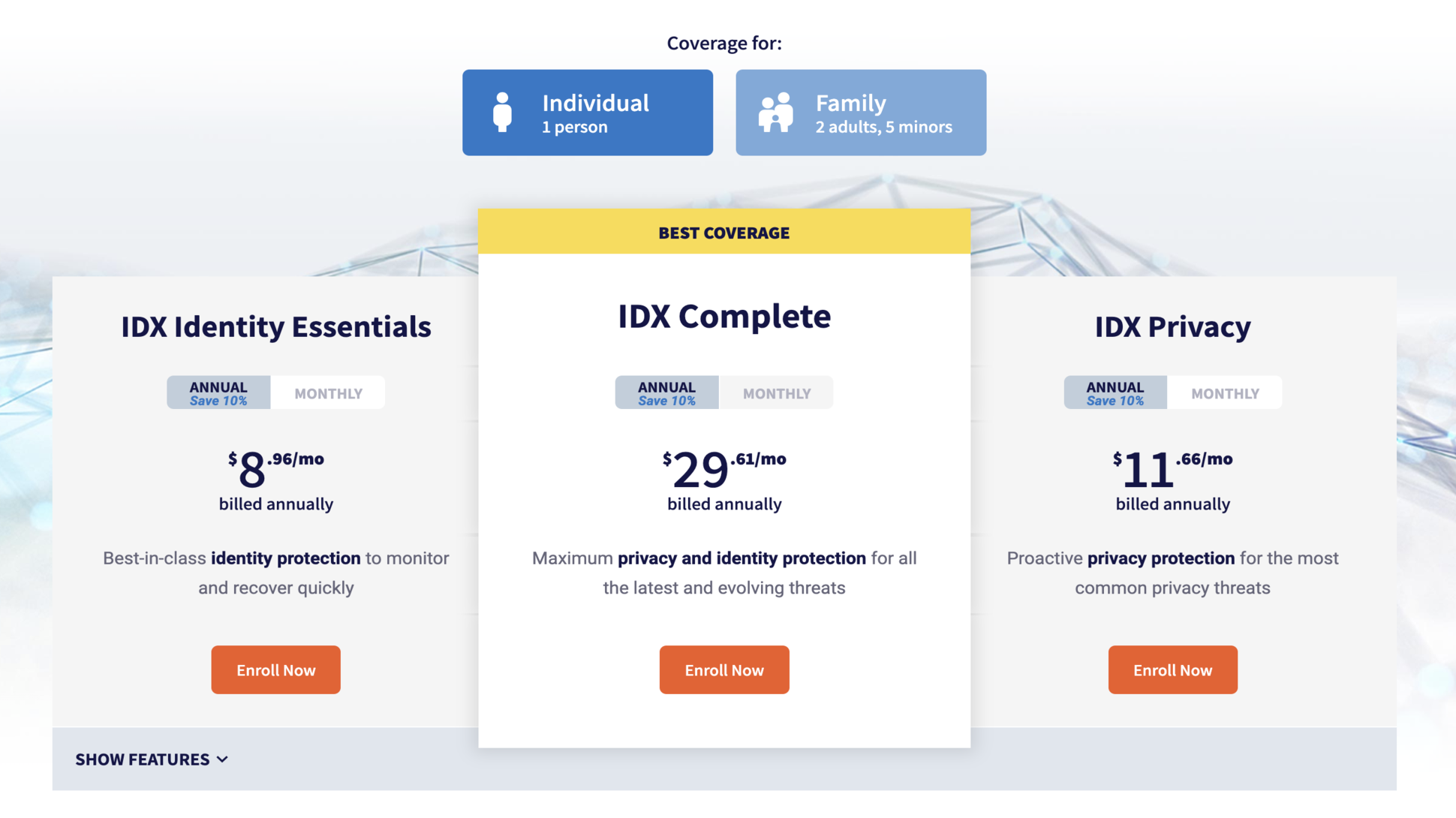
At $33 per month for the individual bundle, IDX is positioned as a mid-to-high-tier service. When analyzed on a modular basis, however, the value becomes clearer. Subscribing to a high-quality, standalone VPN, a reputable password manager, and a dedicated data removal service can easily exceed $100 per month.
The Annual Discount Discrepancy
While the $33 monthly fee is reasonable for the combined features, the annual payment incentive is underwhelming. IDX offers a 10% discount for those who commit to a year of service. In the competitive cybersecurity market, where 30% to 50% discounts for annual plans are the standard, IDX’s conservative pricing strategy feels slightly out of touch with consumer expectations.
Family Protection
The family plan, priced at $65 per month, supports two adults and five dependents. Unlike many competitors that allow for a flat number of devices or users, IDX explicitly limits the age of dependents. This demographic restriction is an anomaly in the industry and may be a point of friction for families with adult children or extended family members living under the same roof.
User Experience and Accessibility
The design philosophy behind the IDX interface is one of "minimalist functionality." It avoids the clutter of legacy software, opting for a clean, dashboard-driven experience. Whether accessed via a web browser or the mobile applications for iOS and Android, the navigation is intuitive.
However, there is a significant hurdle in the onboarding process: the "hard paywall." Unlike competitors such as PrivacyHawk, which allow users to perform free scans to see what data is currently exposed before asking for payment, IDX requires a full subscription commitment upfront. This lack of a "try-before-you-buy" model or a standard money-back guarantee is a notable disadvantage for users who are hesitant to commit without validating the service’s efficacy.
Supporting Data and Comparative Insights
In the current market, IDX faces stiff competition. The most direct comparison is PrivacyHawk, which retails at approximately $30 per month. PrivacyHawk’s edge lies in its more aggressive marketing of free diagnostic scans, which builds user trust before the transaction occurs.
| Feature | IDX Complete | PrivacyHawk |
|---|---|---|
| Monthly Price | $33 | $30 |
| Data Removal | 100+ Sites | Extensive |
| Free Trial | No | Yes (Limited) |
| Money-Back Guarantee | No | 30 Days |
While IDX lacks the flexibility of a trial, its integration of identity theft insurance provides a comprehensive safety net that is often absent in lighter privacy-focused tools.
Official Responses and Industry Implications
Industry experts have long argued that the "fragmented" approach to cybersecurity is the primary reason for high rates of identity theft. Consumers are often overwhelmed by the sheer number of tools they are told they need. IDX represents the industry’s attempt to solve this "tool fatigue."
While the company has not issued a formal statement regarding its lack of a free trial, the move suggests a focus on high-intent users—those who are already aware of their risk profile and are looking for a permanent solution rather than a quick, free check.
Final Verdict: Is it Worth It?
IDX Complete is a compelling, albeit imperfect, solution for individuals and families looking to consolidate their cybersecurity efforts. It is not the "best-in-class" for any single feature—its VPN is less robust than standalone providers, and its data broker removal list is shorter than some specialists—but its true strength lies in the synergy of the bundle.
Pros:
- Convenience: All-in-one management of privacy and security tools.
- Comprehensive: Includes identity theft insurance, which provides tangible financial protection.
- Interface: Modern, clean, and accessible across mobile and desktop.
Cons:
- Hard Paywall: The lack of a free trial or money-back guarantee is a significant barrier to entry.
- Pricing: The annual discount is thin compared to industry standards.
- Scope: Data broker coverage is sufficient but not exhaustive.
Ultimately, if you are looking to simplify your digital security without the headache of managing five different subscriptions, IDX Complete is a highly effective, albeit slightly expensive, choice. However, for those who value the ability to test a service before purchasing, the current lack of a trial policy may keep potential customers looking elsewhere.
