

By Martha Wilson
As an artist who spent the 1980s navigating the treacherous waters of the Reagan-era Culture Wars, I have often felt that history is not merely repeating itself—it is accelerating. My own organization, Franklin Furnace, was at the front lines of this battle fifty years ago. I vividly recall the vitriol of the Morality Action Committee, which waged a letter-writing campaign against us, claiming our exhibition Carnival Knowledge—a collection of works by women artists exploring sexuality—was exposing 500 children a day to pornography. It was a lie, but it was a potent one, designed to mobilize fear and extract political capital.
Today, as I watch a new generation of legislators and activist organizations target the arts with chilling efficiency, the need for a historical compass has never been greater. Enter Isaac Butler’s masterful new work, The Perfect Moment: God, Sex, Art, and the Birth of America’s Culture Wars (Bloomsbury, 2026). While Butler is younger than those of us who lived through the initial skirmishes, his analysis of the past provides a vital, urgent lens through which to view our current climate of censorship and artistic anxiety.
The Genesis of a Conflict: From Reagan to the Present
Butler’s narrative begins with the realization that the seeds of our current polarization were sown in the late 20th century. He traces the escalation from quiet moral hand-wringing to full-scale political warfare.
The book is sparked by an observation of a modern malaise: the 2020 postponement of a major Philip Guston exhibition by the Tate Modern, the Museum of Fine Arts (Boston and Houston), and the National Gallery of Art. These institutions, terrified that Guston’s depictions of the Ku Klux Klan might be misinterpreted by a modern audience, chose to silence the artist rather than engage with the complexity of his work. Butler correctly identifies this as a symptom of a larger, systemic fear of artistic expression—a fear that was carefully cultivated decades ago by pioneers of the conservative movement.
By examining the strategies of figures like Reverend Donald Wildmon, founder of the National Federation for Decency, Butler exposes the mechanics of the "outrage machine." Wildmon, for instance, turned mass-mailing into a weapon of mass disruption, successfully organizing Christian conservatives to lobby against perceived moral decay. This same playbook is visible today, as right-wing activists and politicians utilize social media and targeted legislative hit lists to threaten the funding and existence of cultural institutions like the Smithsonian.
A Chronology of Censorship
To understand the gravity of the current moment, one must look at the seminal events that defined the late 1980s and early 1990s. Butler provides a rigorous timeline of the conflicts that set the precedent for today’s artistic restrictions.
1987–1988: The War on Religious Depiction
Butler documents the immense pressure brought to bear on Martin Scorsese during the production of The Last Temptation of Christ (1988). The campaign against the film was not merely a critique of its artistic merit; it was a targeted effort to delegitimize the director and the studio, driven largely by Wildmon’s grassroots mobilization.
1989: The "Piss Christ" Catalyst
The struggle reached a fever pitch with Andres Serrano’s Piss Christ (1987), a photograph of a crucifix submerged in the artist’s urine. The image became a flashpoint for a nation grappling with the intersection of faith and contemporary art. The defining moment of this period occurred on the Senate floor, where then-Senator Alfonse D’Amato tore a reproduction of the catalog image in half. It was a performative act of destruction—a visual signal to the base that the halls of government were now a stage for the moral policing of art.
1989: The Corcoran Cancellation
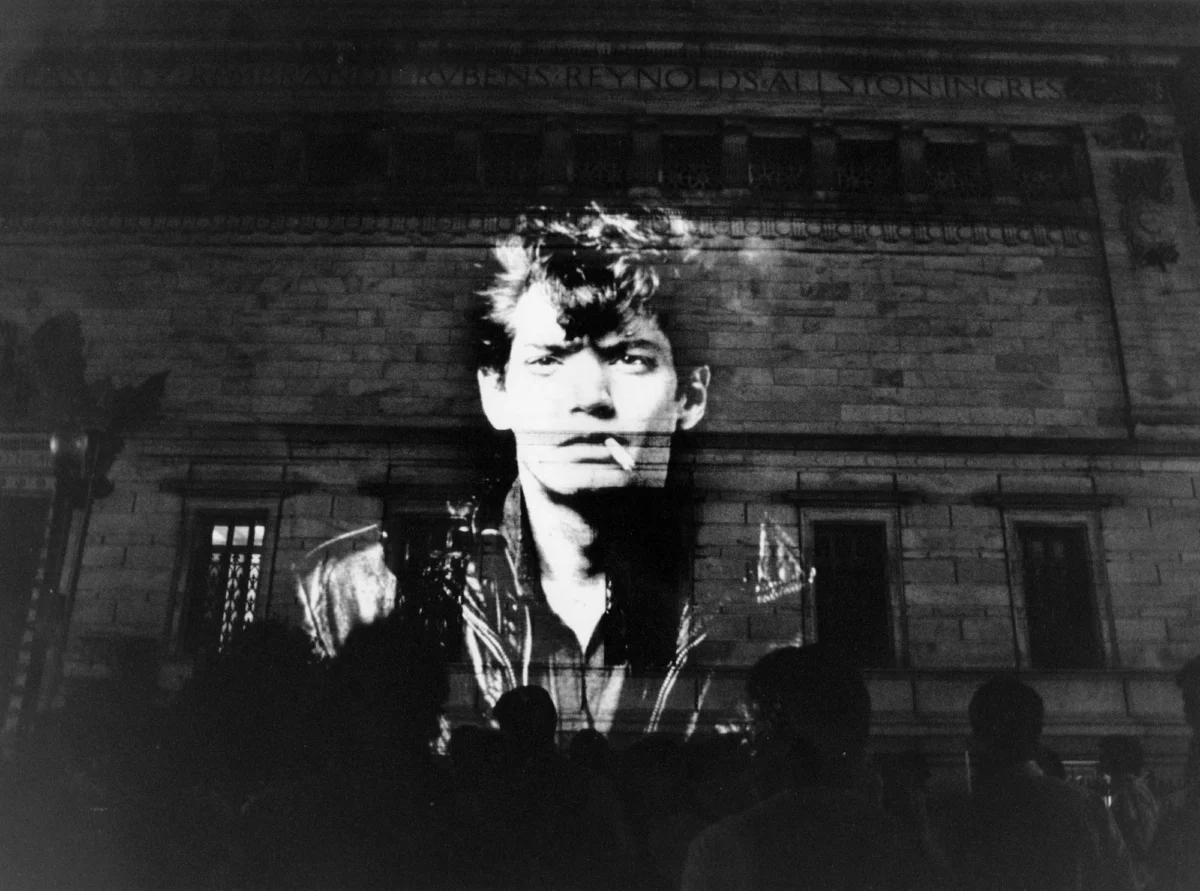
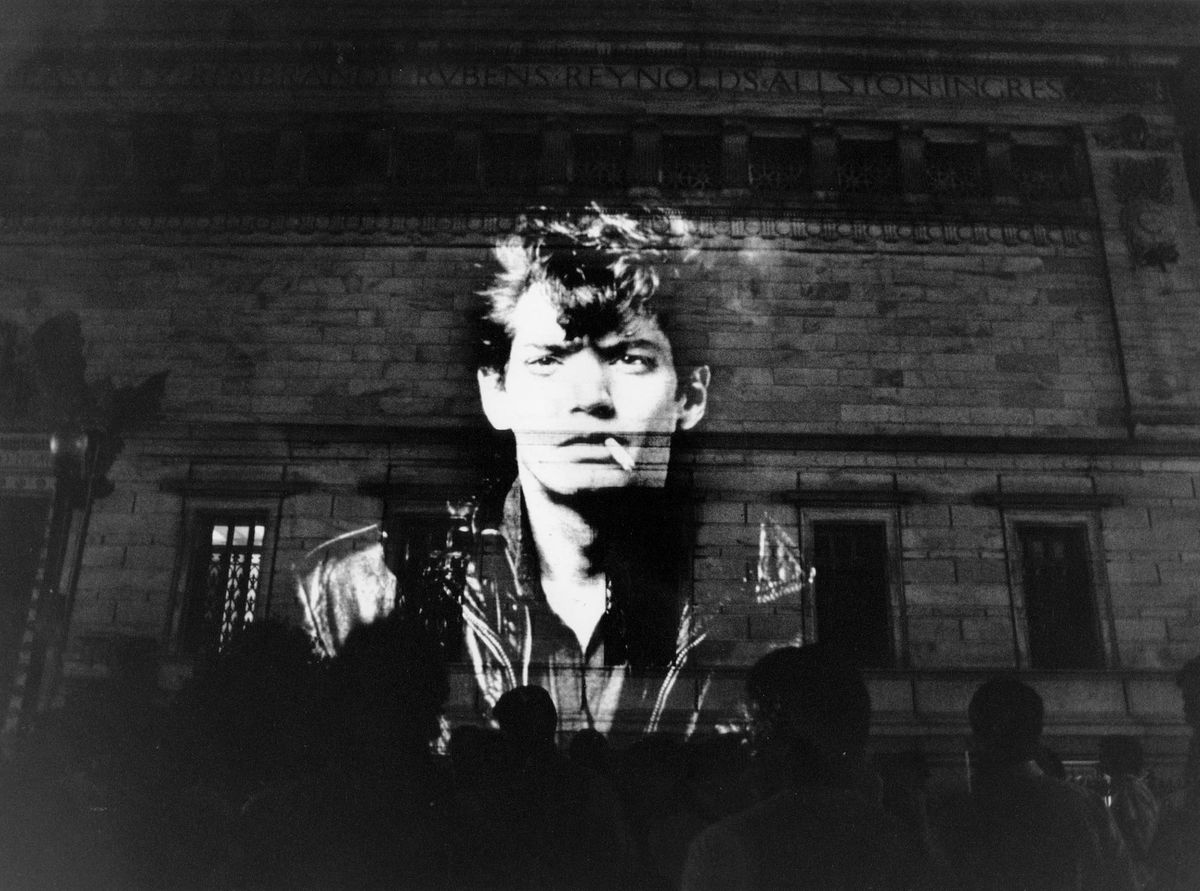
The book’s namesake, The Perfect Moment, refers to the Robert Mapplethorpe retrospective that was to be hosted by the Corcoran Gallery of Art in Washington, DC. Mapplethorpe, already battling the ravages of AIDS, had created a body of work that challenged the boundaries of identity, race, and sexuality.
The exhibition, which had traveled successfully through other cities, hit a wall in the capital. Fearing the backlash from conservative lawmakers, the Corcoran’s leadership blinked. On June 12, 1989, they canceled the show before it could open. This surrender did not appease the opposition; instead, it emboldened it, leading to a protracted and vicious battle between Senator Jesse Helms and Congressman Sidney Yates over the future of the National Endowment for the Arts (NEA).
Supporting Data: The Mechanics of the NEA Fight
Butler’s analysis of the NEA conflict is particularly instructive. He provides a balanced, granular account of how both sides mobilized their resources. For the conservative coalition, the goal was not just to criticize specific pieces of art, but to strip the government of its role as an arbiter of public culture. They successfully framed the NEA as an elitist institution that used taxpayer money to fund "obscenity."
This strategy relied on a few key pillars:
- Delegitimization: Characterizing artistic exploration as "pornography" or "anti-American."
- Economic Pressure: Threatening the budgets of institutions that dared to host controversial shows.
- Publicity Stunts: Using sensational imagery—like D’Amato’s Senate floor stunt—to ensure the story remained in the headlines.
The implications of this strategy were profound. It shifted the burden of proof onto the artist and the curator, who were forced to defend their work in courtrooms and committee hearings rather than through dialogue.

Official Responses and the Institutional Retreat
The institutional response to these attacks was mixed, and that, too, is a lesson for today. Many galleries and museums, like the Corcoran, succumbed to the pressure, fearing for their survival. Others, like those that fought for the right to show Mapplethorpe’s work, faced immense legal and financial strain.
Butler notes that the "chilling effect" is not an accidental byproduct of these culture wars; it is the primary goal. When institutions preemptively censor themselves—as we saw with the Guston exhibition—the censors have already won without having to fire a single shot. The modern trend of "safety-ism" in museums, while often masked as a desire to be inclusive or avoid harm, frequently mirrors the conservative censorship of the 1980s by prioritizing the comfort of the spectator over the integrity of the art.
The Implications for Creative Expression
As I read The Perfect Moment, I couldn’t help but see the ghosts of 1989 in the current headlines. When we look at the current targeting of LGBTQ+ history and the chilling lists of cultural organizations being scrutinized by federal oversight, we are seeing the maturation of the tactics Butler describes.
The danger, as Butler persuasively argues, is that we have lost the ability to have a good-faith debate about the role of art in a democracy. We are trapped in a feedback loop of performative outrage. The conservative movement of the 1980s understood that art is a powerful tool for shaping identity and challenging power structures; their successors understand this just as well.
Why We Must Remember
Isaac Butler’s book is more than a history of a specific era; it is a blueprint for survival. To defend creative expression today, we must understand that the battles being fought are not about the art itself. They are about the control of the public imagination.
- Protecting Institutions: We must demand that museums and galleries maintain their independence and resist the urge to self-censor.
- The Power of Narrative: Just as Wildmon and his contemporaries used the media to control the narrative, we must become more adept at framing the importance of art as an essential component of a healthy, pluralistic society.
- Historical Literacy: We cannot allow ourselves to be surprised by these tactics. By studying the fall of the Corcoran and the Senate attacks on the NEA, we gain the foresight to anticipate the next wave of censorship.
In conclusion, The Perfect Moment serves as both a warning and an inspiration. It reminds us that the fight for creative freedom is never truly won; it is a constant, iterative process of defense and defiance. As artists and citizens, our task is to ensure that when the next wave of outrage arrives, we are ready—not to cancel, not to retreat, but to stand our ground and make the case for the necessity of the difficult, the challenging, and the beautiful.
If you care about the future of art in America, you must read this book. It is the clearest guide we have to the ghosts of our past—and the challenges of our future.
