

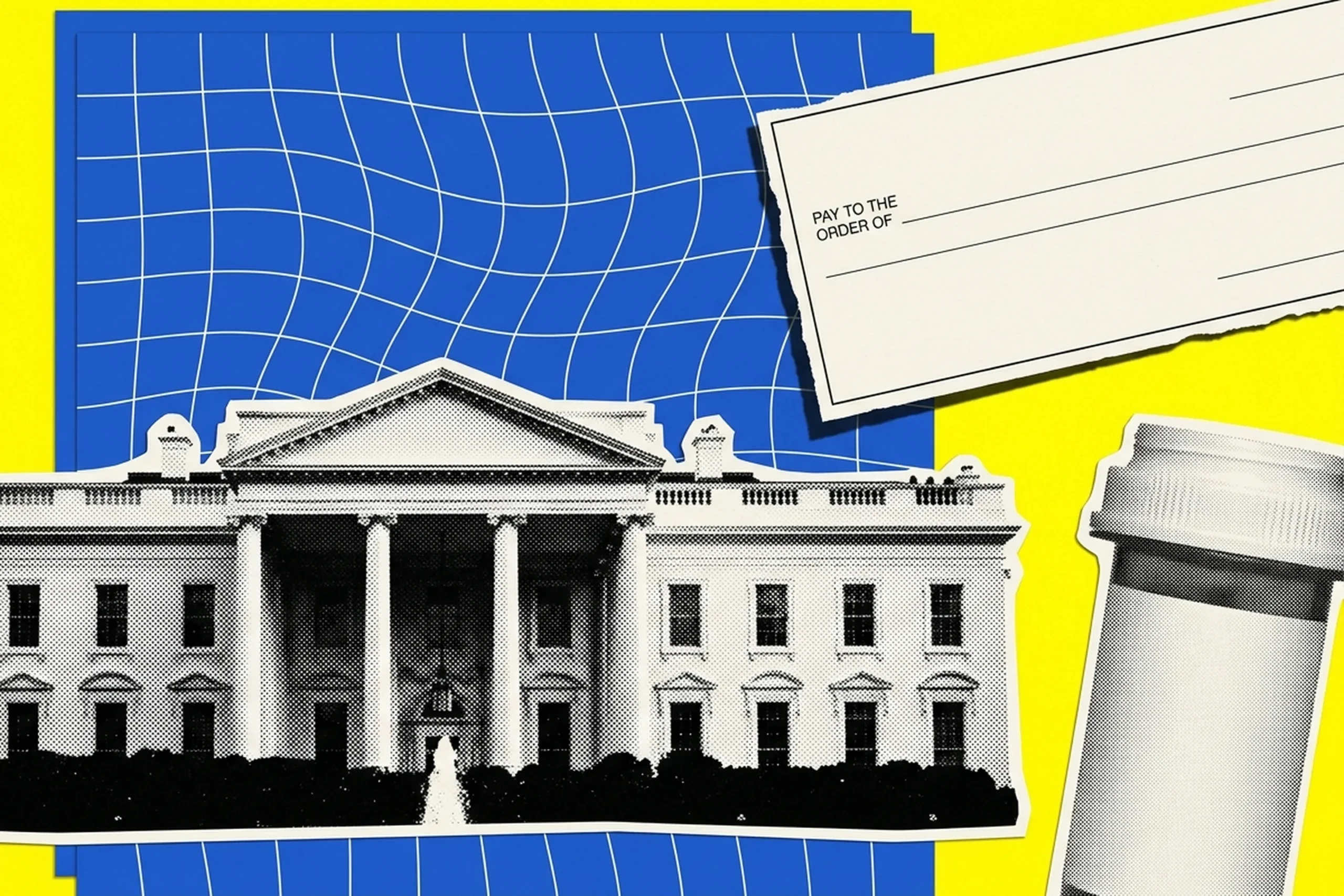
In a move that has ignited a firestorm of debate across Washington, the Trump administration has initiated the distribution of $90 "premium rebate" checks to over 20 million older adults enrolled in Medicare Part B. The payments, which began disbursement in early October, are being framed by the White House as a direct injection of financial relief for seniors grappling with the rising costs of healthcare. However, the timing of these payments—occurring just weeks before the November 3 midterm elections—has drawn sharp criticism from political opponents and fiscal experts alike, who argue that the policy blurs the line between legitimate administrative action and partisan electioneering.
The Anatomy of the $90 Medicare Rebate
The White House announced the plan on a Friday, confirming that the federal government would utilize the Medicare Improvement Fund to issue one-time, $90 payments to eligible seniors. According to an official White House fact sheet, the funds are intended to offset the cost of Medicare Part B premiums.
The logistical execution of the program is centralized through the Social Security Administration (SSA). Most recipients will receive the funds via direct deposit, mirroring the distribution methods used for standard Social Security benefits. For those without direct deposit information on file with the federal government, the SSA is mailing physical paper checks.
While the administration touts this as a "historic action," it is important to note the scope of the payment relative to the burden of healthcare costs. The standard monthly premium for Medicare Part B currently stands at $202.90. Consequently, the $90 rebate covers less than half of a single month’s premium, a fact that has led some analysts to question the long-term efficacy of the program in addressing systemic healthcare affordability. When pressed on the matter during recent media appearances, supporters like Senator Rick Scott (R-Fla.) conceded that while the amount is modest, "everything helps" in the current economic climate.
A Pattern of Direct Payments: Chronology of Recent Announcements
The $90 Medicare rebate is not an isolated incident; it represents the third significant announcement of direct payments to American citizens by the Trump administration in less than a month, creating a discernible pattern of fiscal intervention leading up to the midterms.
- September 9: President Trump pledged to distribute $5,000 "dividend checks" to every adult in the country, contingent upon the Republican Party maintaining control of both the House and the Senate. This proposal, carrying an estimated price tag of approximately $1 trillion, has faced stiff resistance from fiscal hawks within the GOP who are wary of the inflationary impact and the feasibility of funding such an endeavor through tariff-based revenue, as the President has suggested.
- September 10: The administration announced a $500 refund program for nearly 1 million Affordable Care Act (ACA) customers across 30 states. Similar to the Medicare rebate, this program was implemented without direct congressional approval, relying on existing administrative authorities.
- Early October: The Medicare Part B rebate checks began arriving in bank accounts and mailboxes, solidifying the administration’s "direct-to-consumer" fiscal strategy.
These actions, taken together, reflect a concerted effort by the White House to leverage government resources to provide immediate, tangible relief to specific voter demographics in the final sprint of the campaign cycle.
The Controversy of Funding Sources
A critical point of contention lies in the origin of the funds used for these payments. The $90 rebates are being drawn from the Medicare Improvement Fund, a mechanism established in 2008 that has been periodically adjusted by congressional legislation. The White House noted that the fund had been granted $2 billion by Congress specifically to improve the Medicare fee-for-service program, yet it had remained largely untapped until now.
By tapping into this fund, the administration has bypassed the standard congressional appropriations process, a maneuver that has drawn the ire of lawmakers on both sides of the aisle. Senate Minority Leader Chuck Schumer and other Democratic leaders have characterized the payments as a form of "bribery for votes," arguing that the distribution is designed to manipulate voter behavior rather than provide structural reform.
Furthermore, critics point to the distribution criteria as evidence of inequity. In the case of the $500 ACA refunds, the majority of enrollees receiving subsidies are ineligible, meaning the relief is concentrated among individuals with higher incomes (above $63,000). Similarly, the Medicare rebates exclude those whose premiums are already covered by Medicaid or who receive reduced-cost premiums based on income, raising questions about whether the most vulnerable segments of the population are being overlooked in favor of more politically active cohorts.
Implications for the Midterm Elections
The strategic timing of these payments cannot be viewed in a vacuum. Older adults are historically the most consistent voting bloc in the United States, and their participation in midterm elections often serves as the deciding factor in tight congressional races. By timing the distribution for October, the administration has ensured that the "benefit" of the policy is fresh in the minds of voters when they head to the polls on November 3.
This playbook, while unprecedented in its specific application by the Trump administration, is not entirely new to American politics. The Biden administration, for instance, faced significant backlash in 2024 for its efforts regarding student loan forgiveness, which critics also characterized as a move to bolster support among younger voters ahead of a general election. The recurring nature of these policy announcements suggests that both major parties have embraced the use of executive-led financial distributions as a tool for electoral influence.
Analyzing the "Healthcare Affordability Crisis"
While the administration claims the checks are "returning healthcare dollars back into the hands of the American people," the reality of the healthcare market is far more complex. The U.S. continues to struggle with high out-of-pocket costs, rising drug prices, and the increasing premium burden on seniors.
When the White House was asked if the rebate was a response to rising costs, the official statement remained vague, simply stating that the President is "returning healthcare dollars back into the hands of the American people to benefit them and their individual healthcare needs." This lack of specific policy justification—combined with the reliance on a rarely-used fund—suggests that the primary objective of the program is likely political rather than systemic.
Consumer Guidance and Eligibility
For those seeking clarity on their eligibility or the status of their payments, the federal government has provided specific channels for inquiry:
- Medicare Part B Enrollees: Individuals with questions regarding their eligibility for the $90 payment are encouraged to contact the Medicare hotline at 1-800-633-4227.
- Payment Tracking: Beneficiaries who are concerned about the status of their direct deposit or the delivery of their paper check should reach out to the Social Security Administration directly at 1-800-772-1213.
Conclusion: A New Era of Fiscal Policy?
As the nation approaches the November midterms, the $90 Medicare rebate stands as a potent symbol of the intersection between executive power and electoral strategy. Whether these payments will succeed in shifting the needle for the Republican Party remains to be seen. However, the precedent established by bypassing congressional oversight to fund direct-to-citizen transfers—regardless of the political party in power—marks a significant shift in how federal agencies interact with the electorate.
For voters, the challenge remains to separate the immediate relief of a small rebate from the broader, long-term implications of the administration’s fiscal choices. As the checks continue to land in mailboxes across the country, the debate over whether this is "government-led relief" or "election-year bribery" will undoubtedly continue to dominate the political discourse until the final ballot is cast.
