

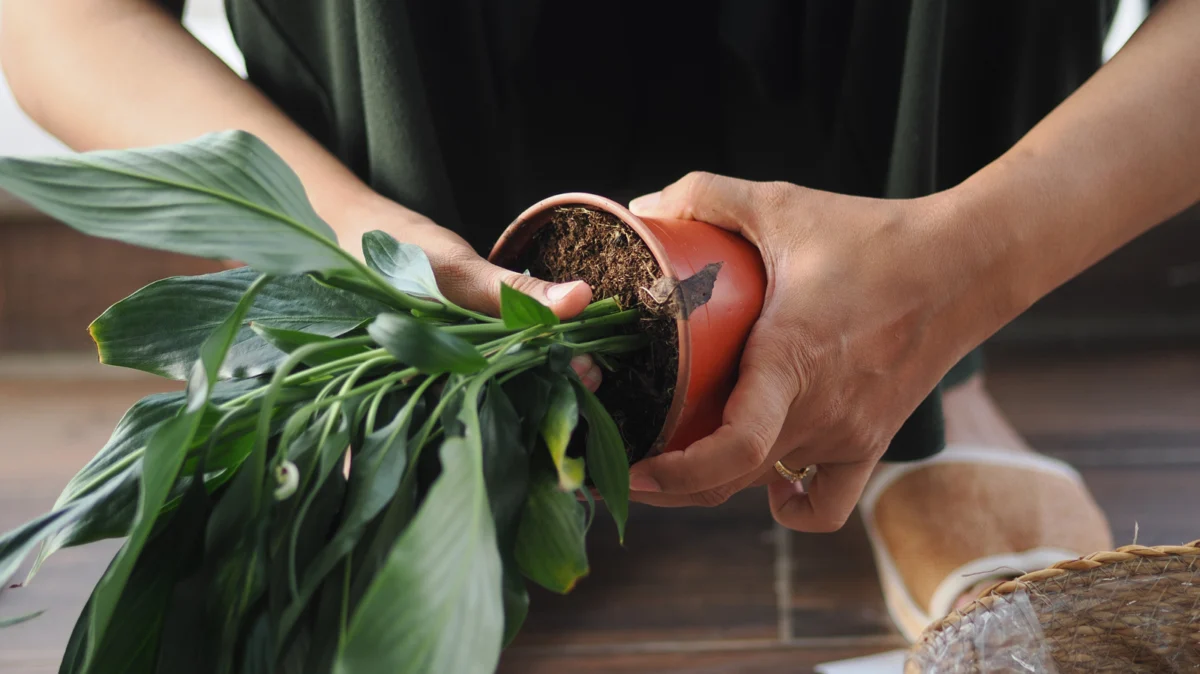
Every avid gardener knows the feeling: you’ve just brought home a haul of vibrant new perennials or hardy shrubs from the local nursery, and you’re eager to get them into the ground. But once the planting is finished, you are left with a mountain of flimsy, black plastic nursery pots. Most municipal recycling programs struggle to process these specific types of plastics, often leading to them languishing in landfills for centuries.
However, a creative wave of eco-conscious DIY enthusiasts is changing the narrative. Rather than tossing these containers, makers are transforming them into whimsical, stylish, and highly personalized wreaths. This project is not merely an exercise in waste reduction; it is an exploration of industrial design meeting domestic decor.
The Environmental Imperative: Why We Need to Repurpose Nursery Plastics
The environmental impact of plastic nursery containers is a growing concern in the horticultural industry. According to industry waste management reports, millions of pounds of high-density polyethylene (HDPE) and polypropylene (PP) nursery pots are discarded annually. Because these pots are often contaminated with soil or categorized as "low-grade" plastic, many recycling facilities turn them away.
The Life Cycle of a Nursery Pot
- Production: Millions are manufactured annually to support the commercial plant trade.
- Usage: Often used for only a few weeks or months before the plant is transferred to the earth or a permanent planter.
- Disposal: The majority end up in general waste streams, contributing to the growing crisis of non-biodegradable landfill mass.
By repurposing these containers into home decor, DIYers are effectively extending the life cycle of the plastic, delaying its inevitable journey to the landfill, and reducing the demand for new, decorative store-bought wreath materials.
Chronology of the DIY Wreath Movement
The trend of utilizing unconventional materials for wall decor has seen a significant shift over the last decade. Historically, wreaths were constructed from organic materials—dried vines, evergreen boughs, or straw.
- Early 2010s: The "Upcycling" movement begins to gain traction, with early adopters using repurposed household items like wine corks and old picture frames.
- 2018–2020: As sustainable living becomes a lifestyle pillar, interest in repurposing gardening supplies peaks. The focus shifts from merely recycling to "creative reuse."
- 2022–Present: Social media platforms like Pinterest and Instagram drive the popularity of "industrial-chic" garden decor, where the aesthetic of the nursery pot—once seen as purely utilitarian—is celebrated as a design element.
Technical Guide: Crafting Your Nursery Pot Wreath
To successfully execute this project, one must treat it with the same care one would apply to any professional home staging project.
Materials and Equipment
- Plastic Nursery Pots: Aim for 3-inch or 4-inch containers for a balanced look.
- Wreath Form: Wire, grapevine, or foam structures work best.
- Fastening Hardware: 20-gauge floral wire or heavy-duty zip ties.
- Adhesive: A high-temperature hot glue gun for decorative accents.
- Preparation Tools: A stiff scrubbing brush and mild dish soap.
- Decorative Elements: Faux succulents, preserved moss, spray paint (textured or matte), and ribbons.
Step-by-Step Assembly
1. Pre-Production Sanitation
Before any aesthetic work begins, the pots must be cleaned. Remove residual soil and root matter, as these can harbor pathogens or insects that could damage your indoor air quality or attract pests. A warm, soapy soak followed by a thorough rinse is essential.
2. Structural Planning
Lay your wreath form flat on a workspace. Arrange the pots around the perimeter. Do you want a symmetrical, uniform look, or an organic, clustered aesthetic? For those using a wire form, ensure the weight of the pots is distributed evenly to prevent the wreath from sagging once hung.
3. Attachment Techniques
Using the existing drainage holes at the bottom of the pots is the most efficient method for securing them. Thread your wire through the hole and wrap it tightly around the wreath frame. For added stability, consider using a dab of construction-grade adhesive where the pot rim touches the frame.
4. Filling the Voids
Once the pots are secured, you will likely notice gaps between them. Use preserved moss or artificial greenery to fill these spaces. This not only creates a professional, finished appearance but also masks the wire connections.
Implications for Interior and Exterior Design
The shift toward utilizing nursery pots as decorative art has profound implications for how we view "utility" in the home.
The Aesthetic Value
The plastic nursery pot, usually black and industrial, can be easily transformed. Through the application of textured spray paint (such as sandstone or metallic finishes), these items can mimic the look of expensive terracotta or aged metal. This allows homeowners to achieve a "high-end" look on a near-zero budget.
Sustainable Home Decor
When we choose to upcycle, we disrupt the cycle of consumption. By creating custom decor, we move away from "fast decor"—the industry trend of purchasing cheap, mass-produced items that are discarded after a single season. This wreath project encourages long-term use; as seasons change, the contents of the pots (e.g., silk flowers for spring, miniature pumpkins for autumn) can be swapped out, ensuring the wreath remains relevant year-round.
Expert Perspectives on Creative Reuse
Designers and sustainability experts often point to "the democratization of craft" as a key factor in the success of projects like this. By making high-design aesthetics accessible through household waste, individuals feel empowered to take control of their domestic environment.
"It’s not just about saving a few cents on a wreath," notes environmental designer Sarah Jenkins. "It’s about the psychological shift that occurs when we stop viewing our trash as waste and start viewing it as raw material. When you create something beautiful out of something that was meant for the bin, you change your relationship with consumption entirely."
Frequently Asked Questions (FAQ)
Can I use terracotta pots instead?
While terracotta is a beautiful, natural material, it is significantly heavier than plastic. If you choose to use ceramic, ensure your wreath frame is reinforced to handle the weight, as wire forms may buckle under the pressure.
How do I hang a heavy pot-filled wreath?
Standard wreath hooks are often insufficient for this project. Consider using a heavy-duty over-the-door hook or a reinforced wall-mounted screw anchor. Always ensure the mounting surface is capable of supporting the cumulative weight of the pots, wire, and decor.
What if I don’t like the look of plastic?
The beauty of this project is the surface area. Because these pots are made of high-density plastic, they accept spray paint very well. A light sanding with fine-grit sandpaper followed by a coat of plastic-bonding primer will allow you to paint them any color—from matte black for a modern look to a vibrant teal for a bohemian aesthetic.
Conclusion: A Greener Way to Decorate
The nursery pot wreath is more than just a clever DIY hack; it is a symbol of a more thoughtful, intentional approach to home living. As we become more aware of our environmental footprint, finding beauty in the discarded becomes a powerful tool. By turning a temporary gardening vessel into a permanent piece of home decor, we prove that sustainability and style are not mutually exclusive.
Next time you find yourself with a stack of plastic pots after a weekend in the garden, don’t let them become landfill filler. Instead, embrace the challenge of the craft, gather your wire and glue, and create a custom piece of art that tells a story of transformation. Your home—and the planet—will thank you for it.
