


As the autumn air turns crisp and the leaves begin their seasonal descent, homeowners across the country are looking for ways to infuse their living spaces with the whimsical, slightly spooky aesthetic of October. While the front porch is often the primary stage for Halloween theatrics, an emerging trend is moving the festivities indoors—specifically into the heart of the home: the kitchen.
The latest DIY sensation involves a transformation that is as budget-friendly as it is visually striking: repurposing the classic, plastic orange jack-o’-lantern candy bucket into custom pendant light shades. This project, which has gained significant traction on social media platforms, offers a clever, high-impact aesthetic change for the cost of a few dollars.
The Core Concept: Redefining Seasonal Decor
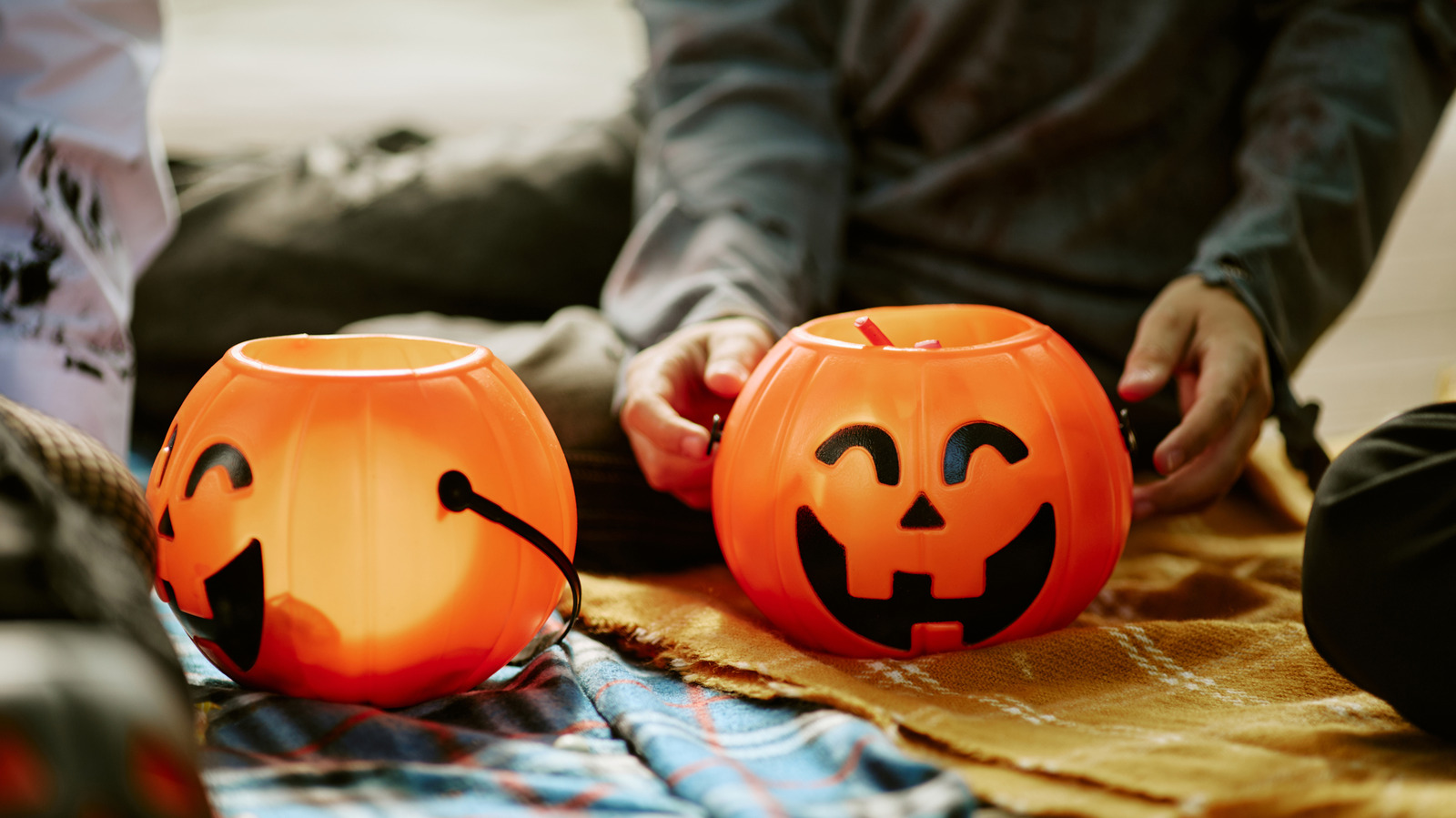
The premise is deceptively simple. For decades, the ubiquitous plastic pumpkin bucket has been the standard-bearer for childhood trick-or-treating. Available at virtually every big-box retailer and dollar store for $1 to $2, these lightweight containers have typically been relegated to the bottom of storage bins once the candy is distributed.
However, design-savvy homeowners have realized that the scale and translucency of these plastic buckets make them ideal candidates for light fixtures. By removing standard glass pendants and replacing them with these iconic orange shells, the kitchen is instantly bathed in a warm, festive glow. When illuminated from within, the classic smiling jack-o’-lantern face creates a silhouette effect that is both nostalgic and atmospheric.
A Chronology of the DIY Trend
The evolution of this trend mirrors the broader DIY movement that has characterized the post-2020 home improvement landscape.
- Early October 2022: Initial "hack" videos began appearing on platforms like TikTok and Instagram, showing users removing glass globes from kitchen island lights and substituting them with store-bought plastic buckets.
- Late October 2023: The trend achieved mainstream saturation. Major lifestyle publications and home decor influencers began documenting the process, focusing on the ease of assembly and the dramatic "before and after" impact.
- October 2024: The trend has moved into its "refinement phase." Users are now moving beyond the standard orange bucket, experimenting with painting techniques, gold-leafing, and even cutting custom shapes into the plastic to create unique light projections on their kitchen counters.
Supporting Data and Safety Protocols
While the aesthetic benefits are clear, the structural and safety implications of replacing glass with plastic are paramount. According to home safety experts, the success and safety of this project rely on two critical factors: the choice of lighting source and the integrity of the attachment mechanism.
The Thermal Threshold
The most important technical requirement for this DIY project is the use of LED bulbs only.
Traditional incandescent bulbs generate significant radiant heat, which can easily exceed the melting point of thin-walled plastic. Using an incandescent bulb in an enclosed plastic container poses a fire hazard and risks the release of toxic fumes as the plastic degrades. LED bulbs, by contrast, remain cool to the touch, making them the only viable option for this transformation.
Mechanical Integrity
The attachment method must be robust enough to withstand the vibrations of a kitchen environment. The standard method involves:
- Removal: Carefully unscrewing the glass pendant shade and storing it safely.
- Modification: Removing the plastic handle from the bucket.
- The Zip-Tie Harness: Threading two zip ties through the existing handle holes and connecting them to form an oval "cradle" that sits atop the existing light socket hardware.
- Security: Using electrical tape or high-temperature adhesive putty to ensure the bucket does not slip or rotate once hung.
Official Recommendations and Expert Guidance
Industry professionals in lighting and home decor have offered a measured response to the trend. While they appreciate the creativity, they emphasize the importance of following manufacturer specifications for any light fixture.
"The primary concern with any DIY modification is the ‘shade requirement’ of the fixture," notes interior designer Sarah Jenkins. "Most kitchen pendant lights are designed to dissipate heat generated by the bulb. When you swap a glass shade for a non-rated plastic container, you are altering the thermal performance of that unit. If homeowners strictly adhere to the use of low-wattage, cool-running LEDs, they mitigate most of the risk. However, they should never leave these lights on unattended for long periods, especially in the early stages of testing."
Furthermore, homeowners should inspect the electrical wiring of their pendants before beginning. If a fixture is older or shows signs of frayed insulation, the added weight and vibration of the DIY modification could exacerbate pre-existing electrical issues.
Implications for Seasonal Interior Design
The rise of the "pumpkin pendant" reflects a shift in consumer behavior toward "fast decor"—projects that provide high visual impact without the need for significant financial investment or permanent structural changes.
Accessibility and Democratization
This trend democratizes home styling. By using materials found in bargain bins, homeowners are able to participate in seasonal decorating without the high cost of luxury, pre-manufactured Halloween lighting. This inclusivity is a cornerstone of the modern DIY movement, where social media acts as a catalyst for sharing and iterating on simple ideas.
The "Cozy" Aesthetic
Beyond the holiday itself, there is a psychological component to the trend. The warm, diffused light provided by the orange plastic filters creates an ambiance that aligns with the "cozy" (or hygge) trends popular during the autumn months. The kitchen, often a sterile or purely functional space, becomes a focal point of comfort and playfulness.
Expanding the Creative Horizon
As the trend matures, many are looking to personalize their setups. The versatility of the plastic bucket is limited only by the user’s imagination:
- Custom Finishes: Those who find the bright orange too garish have turned to matte black, metallic copper, or deep plum spray paints. A matte black finish, for instance, allows the light to spill out only through the carved eyes and mouth, creating a more sophisticated, moody silhouette.
- Custom Expressions: Using a hobby knife, some users are cutting their own patterns into the buckets to create stars, geometric shapes, or abstract patterns that cast intricate shadows across the kitchen backsplash.
- Mixed Media: Incorporating moss, faux fall leaves, or twine around the rim of the bucket can elevate the look from "kitsch" to "rustic farmhouse," allowing the pendants to blend more seamlessly into a permanent kitchen decor scheme.
Conclusion: A Spooky Success Story
The transformation of ordinary pendant lights into jack-o’-lantern lanterns is a testament to the power of creativity. It takes an object associated with the fleeting joy of childhood candy-gathering and elevates it into a functional piece of home decor.
However, as with all DIY projects, the intersection of electricity and flammable materials requires a cautious approach. By prioritizing LED technology, ensuring secure mounting, and respecting the original hardware of the kitchen fixtures, homeowners can enjoy a festive, atmospheric kitchen that captures the spirit of the season.
As we look toward the future of home design, it is likely that these "micro-trends" will continue to flourish. They offer a rare combination: a project that is cheap enough to try on a whim, safe enough to execute in an afternoon, and distinct enough to leave a lasting impression on guests. This Halloween, the most magical part of your kitchen may just be the lighting—proving that you don’t need a large budget to make a big, spooky impact.
