

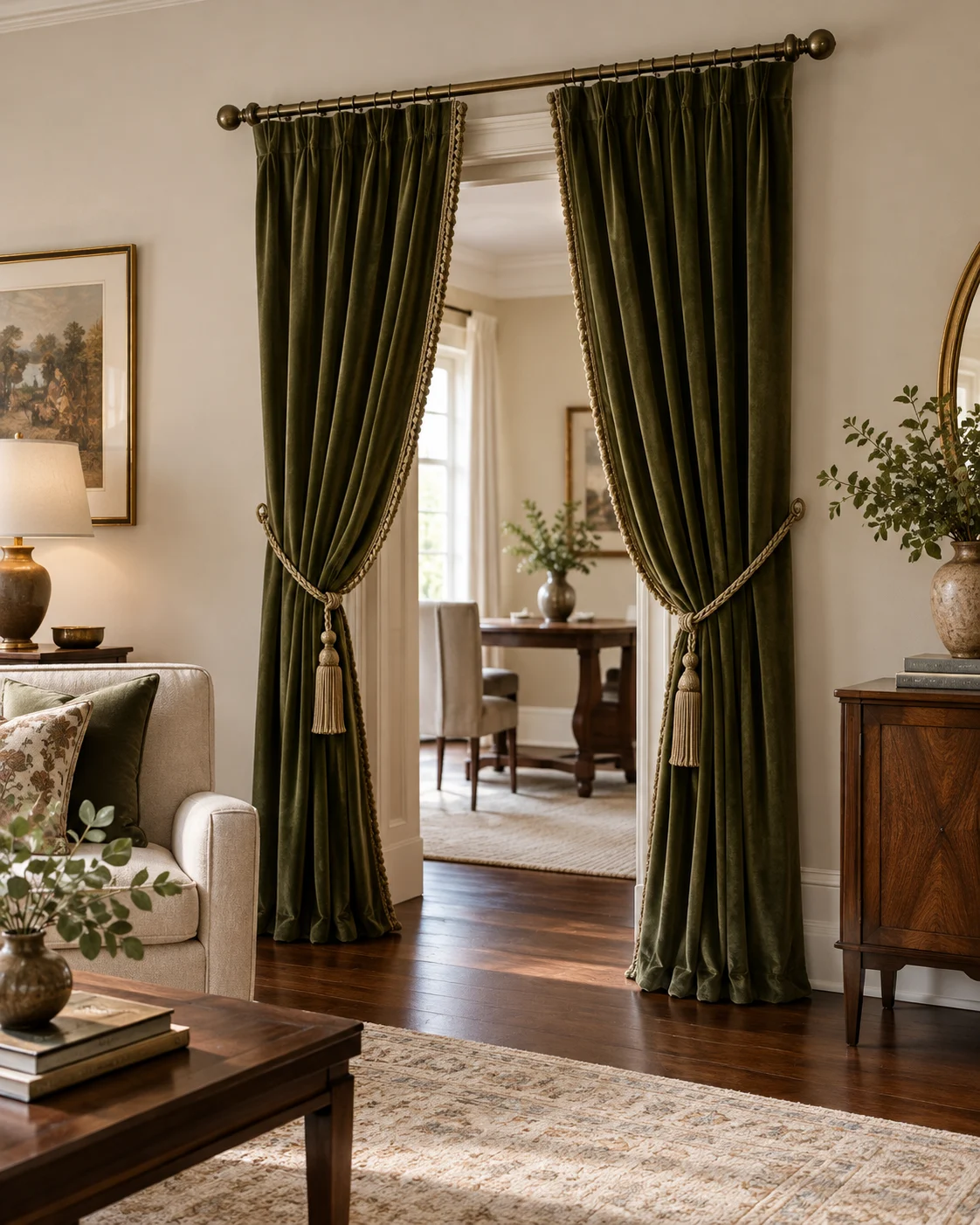
In the evolving landscape of interior design, there is a recurring tendency to look backward to move forward. As modern floor plans increasingly favor open-concept layouts that prioritize connectivity, homeowners are simultaneously discovering a newfound need for flexibility. Enter the portiere—a sophisticated, heavy-duty door curtain that has transitioned from a draft-blocking necessity of the 19th century to a stylish, architectural solution for the modern home.
Often dismissed as a relic of a bygone era, the portiere is currently experiencing a renaissance. By blending the aesthetic charm of the Aesthetic Movement with the practical demands of modern living, this classic feature offers an elegant alternative to permanent walls and clunky, space-consuming doors.
The Historical Genesis of the Portiere
To understand the resurgence of the portiere, one must first look at its etymological and historical roots. Derived from the French word porter—meaning "to carry" or, in this context, "doorkeeper"—the portiere emerged as a staple of European interior design during the late 19th century.
During the Victorian and Aesthetic eras, homes were characterized by a complex series of rooms separated by large, open doorways. These high-ceilinged, often drafty properties required a method to retain heat and provide acoustic separation without the permanent commitment of a swinging door. The portiere, a heavy, often opulent drapery, served this function perfectly. It was a functional, yet highly decorative, element that signaled the transition between public and private spheres of the home.
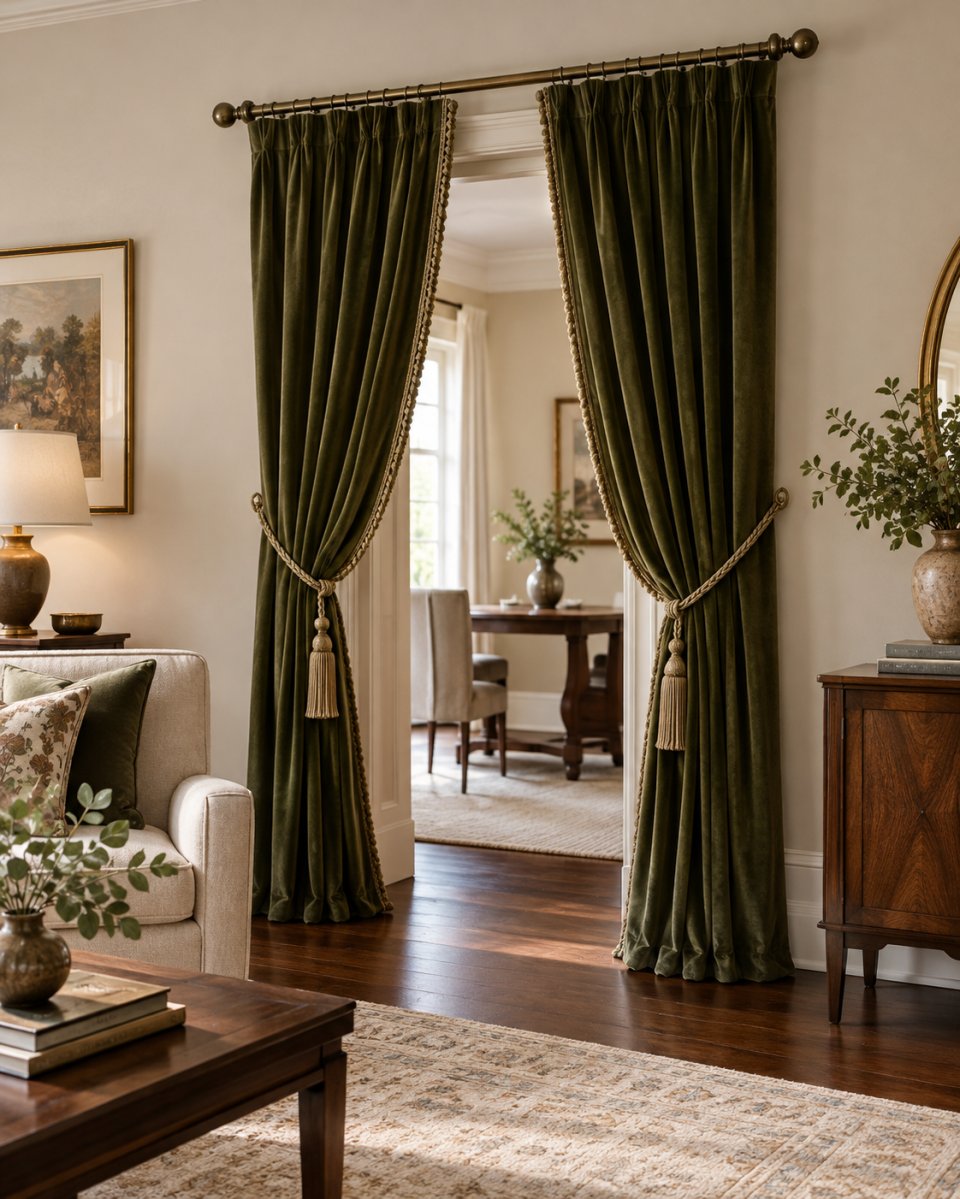
While the original versions were frequently constructed from heavy velvets, tapestries, or woolen blends—often adorned with tassels, fringe, and elaborate tie-backs—the core concept remained simple: a textile barrier that could be easily engaged or retracted.
Supporting Data and Design Philosophy: Why It Works
The modern fascination with the portiere is not merely nostalgic; it is driven by a functional shift in how we inhabit our homes. According to Swati Goorha, founder and principal designer of Swati Goorha Designs, the portiere acts as a "soft architectural" element.
"I really enjoy using portieres because they add softness to architecture in a nonpermanent way," Goorha explains. "In today’s open-floor-plan homes, we often find that while we love the light and the flow, we occasionally crave a ‘room’ that feels like a room."
The Psychological and Spatial Implications
Data from interior design trends suggest that homeowners are moving away from the "all-open" floor plans that dominated the early 2000s. The psychological need for "zoning"—the ability to mentally and physically separate a workspace from a living space—has become a priority.
- Acoustic Softening: While a portiere will not provide the same sound-dampening qualities as a solid wood door, the heavy fabric of a traditional portiere significantly reduces the echo of sound waves between rooms, creating a more intimate atmosphere.
- Thermal Regulation: In older homes, energy efficiency is a constant concern. A properly installed, heavy-weight portiere acts as a thermal buffer, preventing heat loss in winter and keeping cooler air contained in summer, effectively lowering the reliance on HVAC systems.
- Spatial Flexibility: Unlike a pocket door or a barn door, which requires significant wall space and professional installation, a portiere is a low-impact installation. It can be hung on a rod or track, providing the ability to "close off" a room in seconds without sacrificing square footage.
Official Design Perspectives: Expert Insights
Designers like Sheeja Nair of Raashi Design emphasize that the portiere is a tool for enhancing both form and function. "The most desirable advantage of using a portiere is the ability to create a private space—like a home office or a reading nook—while still being able to connect those spaces at any time by simply opening the curtains," says Nair.
When interviewing experts, a common theme emerges: the modern portiere is less about Victorian opulence and more about "clean-lined" elegance. The modern iteration prioritizes:
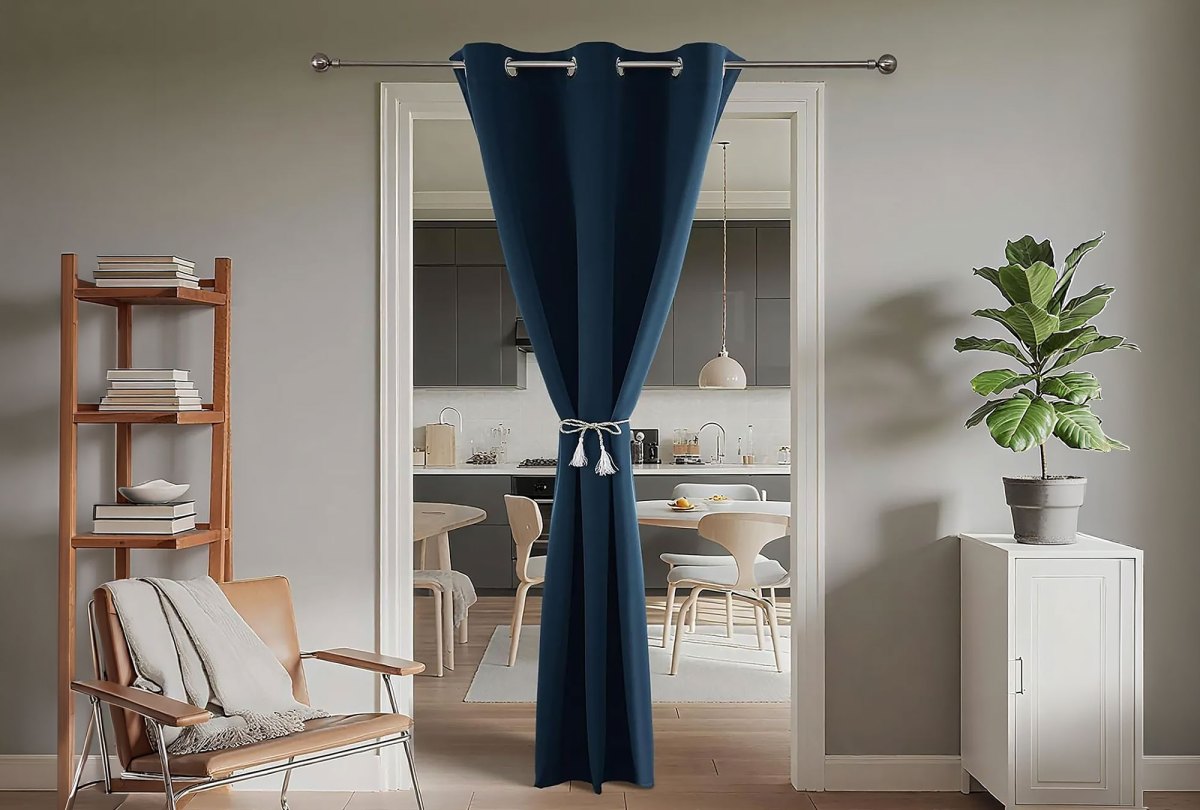
- Hardware: Using low-profile, matte-black, or brushed-nickel rods rather than the ornate, gilded poles of the 1890s.
- Textiles: Incorporating high-performance linens, heavy cotton blends, or modern eco-friendly velvets that offer both durability and a tactile, inviting finish.
- Installation: Ensuring the drapery is mounted close to the ceiling to create a sense of height, rather than just within the door frame.
How to Successfully Implement a Portiere
Integrating a portiere into a contemporary home requires a delicate balance between style and utility. Below is a guide to adopting this trend for the 21st-century interior.
1. Selecting the Fabric
For a portiere to function effectively, the weight of the fabric is paramount. Thin, sheer, or lightweight materials will fail to act as a proper divider. Designers recommend:
- Velvet: The gold standard for heat retention and noise reduction.
- Tweed or Heavy Wool: Ideal for homes with a rustic or industrial aesthetic.
- Double-Sided Linings: Because both sides of a portiere are visible as you pass through a doorway, the curtain must be "finished" on both sides. A high-quality lining also adds the necessary "heft" to ensure the curtain hangs straight and blocks drafts.
2. Strategic Hardware Placement
The mounting style dictates the flow of the room.
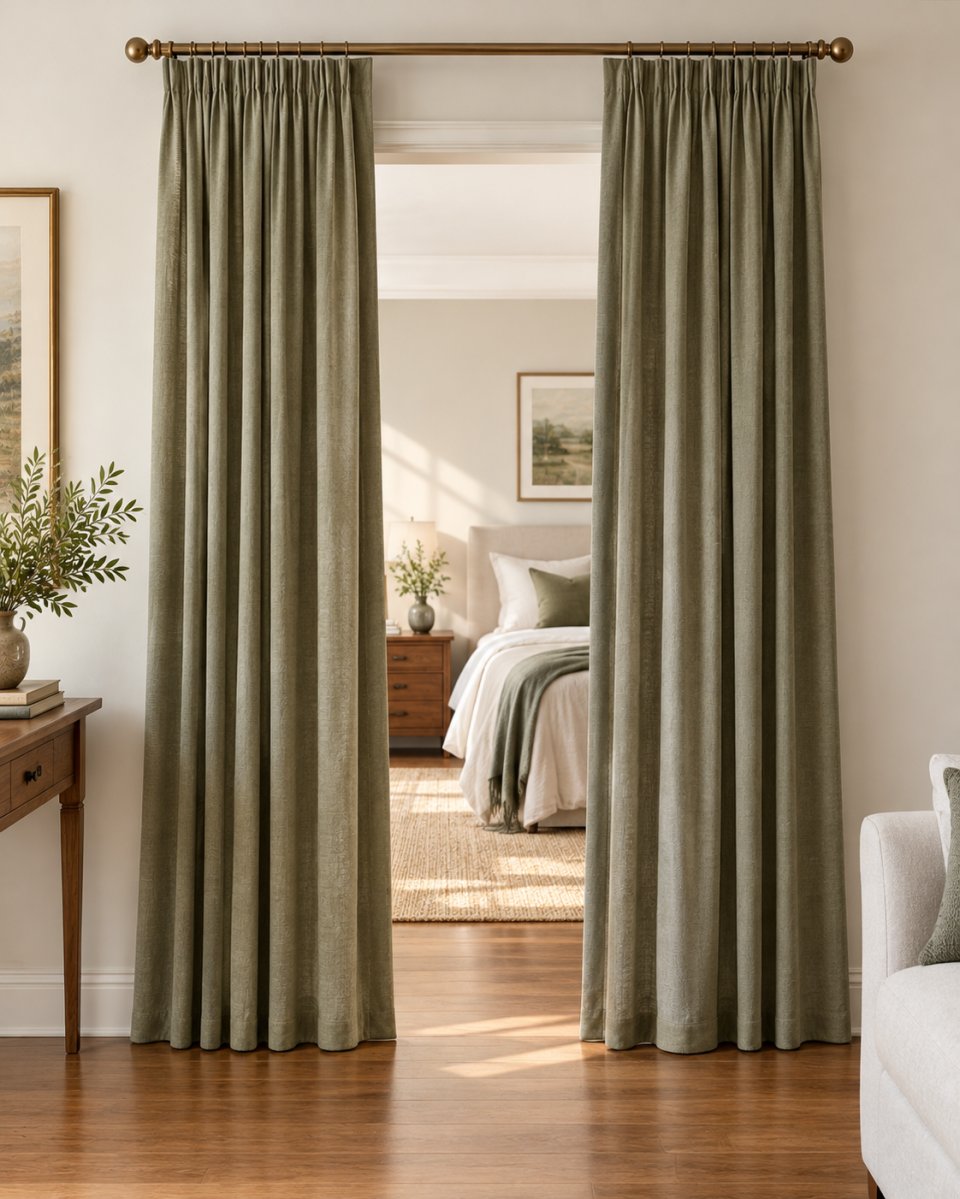
- Recessed Mounting: For a sleek look, mount the rod inside the door frame. This keeps the wall space clear and gives the appearance of a built-in feature.
- Wall-Mounted: For a more dramatic effect, mount the rod above the door frame and extend it slightly wider than the opening. This allows the curtain to be pushed entirely to the side, exposing the full width of the doorway.
3. The "Modern" Aesthetic
To avoid the space feeling like a museum, focus on color palettes that integrate with your existing furniture. A monochromatic portiere—matching the wall color—creates a seamless, architectural look, whereas a contrasting, bold color can serve as a "statement" piece of decor.
Implications for Modern Architecture
The resurgence of the portiere speaks to a broader shift in residential architecture. We are currently in an era where "flex-space" is the most requested feature in home design. As remote work becomes a permanent fixture for millions, the ability to delineate between "office hours" and "home life" is essential.
The portiere represents a low-cost, high-impact design intervention. It does not require a contractor, it does not involve dust or permits, and it can be swapped out with the seasons—much like changing a rug or a set of throw pillows.
Furthermore, as we look toward more sustainable living practices, the portiere offers a "low-tech" solution to energy conservation. By creating a physical barrier to airflow, homeowners can reduce their energy footprint without sacrificing the architectural integrity of their homes.
Conclusion: A Feature That Stood the Test of Time
The portiere is more than just a piece of fabric in a doorway; it is a testament to the fact that good design is cyclical. By acknowledging the challenges of the open-plan home—noise, draftiness, and a lack of privacy—the portiere offers a sophisticated, adaptable solution.
Whether you are looking to add a touch of Victorian charm to a historic renovation or seeking a clever way to divide a modern loft, the portiere is a versatile tool. It reminds us that sometimes, the most effective way to improve our living spaces is to look back at the solutions that served our ancestors so well. With the right fabric, the right hardware, and a touch of intentionality, the portiere can transform any doorway from a mere transition into a defining feature of your home.
As we continue to navigate the intersection of tradition and modernity, it is clear that the "doorkeeper" is here to stay, keeping our spaces cozy, our privacy protected, and our homes uniquely beautiful.
