

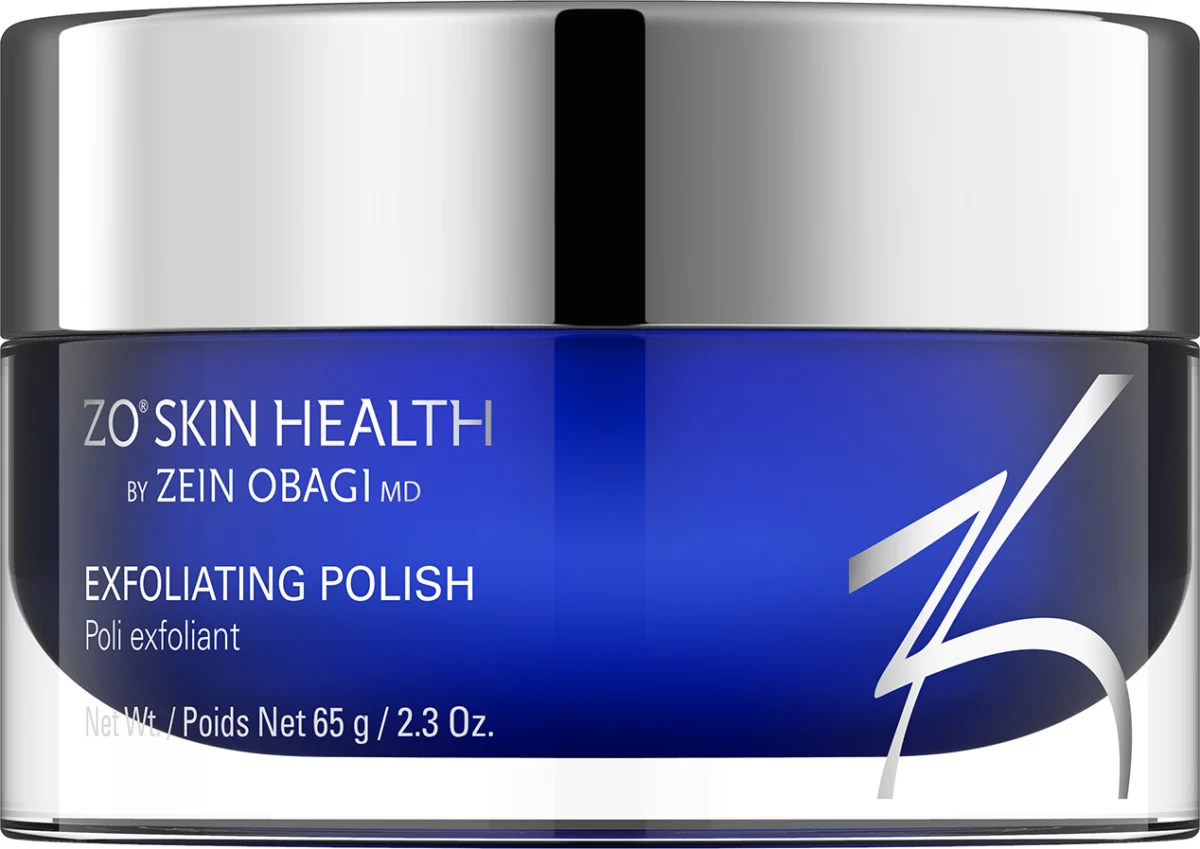
PARIS — In a landmark move that signals a seismic shift in the competitive landscape of dermatological aesthetics, the Swiss-based global giant Galderma has announced a definitive agreement to acquire ZO Skin Health. Valued at $1.5 billion, the all-cash transaction represents a significant consolidation of power in the rapidly expanding medical-grade skincare market. By folding the Irvine, California-based ZO Skin Health—founded by the legendary dermatologist Dr. Zein Obagi—into its corporate architecture, Galderma is cementing its status as a powerhouse in both the clinical and commercial spheres of dermatology.
The deal, which will see Galderma acquire 100 percent of the company from shareholders including the Obagi family and investment funds managed by Blackstone through its Tactical Opportunities segment, is expected to close between late 2026 and early 2027.
The Strategic Vision: A New Era for Galderma
For Flemming Ornoskov, Chief Executive Officer of Galderma, this acquisition is not merely an expansion of the product catalog; it is a calculated effort to curate the world’s most formidable dermatology portfolio. Galderma, already known for its ubiquity in skincare through the Cetaphil brand and its robust injectables business, views ZO Skin Health as the "missing link" in its premium medical-grade strategy.
"This acquisition is another important step towards building the world’s most innovative dermatology portfolio," Ornoskov stated in a press release. "ZO Skin Health brings strong clinical credentials, a distinctive protocol-based approach, and a trusted position among dermatologists and plastic surgeons."
The synergy between the two entities is rooted in their complementary offerings. While Galderma’s Alastin brand excels in peptide-based regenerative solutions for pre- and post-procedure care, ZO Skin Health specializes in high-potency, protocol-driven regimens centered on retinol and advanced acid-based treatments. Together, they form a holistic ecosystem that serves the entire spectrum of patient needs—from basic daily maintenance to specialized clinical interventions.
Chronology: From Clinical Roots to Global Corporate Asset
The trajectory of ZO Skin Health is a testament to the influence of its founder, Dr. Zein Obagi. A pioneer in skin health restoration, Dr. Obagi shifted the industry paradigm by moving away from superficial beauty treatments and toward a rigorous, protocol-based approach to skin physiology.
- Founding Years: Under Dr. Obagi’s leadership, the brand established itself as a premier physician-dispensed line, operating on the philosophy that healthy skin is the result of science-backed, disciplined daily care.
- Expansion Phase: Throughout the 2010s and early 2020s, the brand moved from a niche clinical secret to a global contender, building a network that currently spans over 16,500 physicians, medical spas, and authorized online retailers across more than 40 countries.
- The Blackstone Era: The involvement of Blackstone’s Tactical Opportunities segment provided the capital and operational structure necessary for the company to scale aggressively. During this period, ZO Skin Health successfully doubled its annual revenue, reaching approximately $330 million in net sales for the 12-month period ending in June.
- The Transition (2026–2027): With the acquisition by Galderma, the company is set to enter a new chapter, transitioning from a private-equity-backed entity to a core pillar of a global, publicly traded organization.
Supporting Data: The Dermocosmetics Boom
The timing of this acquisition is no coincidence. The dermocosmetics sector has become one of the most lucrative segments in the global beauty industry, experiencing an unprecedented surge since the onset of the COVID-19 pandemic. According to industry estimates, the segment has nearly doubled in value, growing from approximately 14.3 billion euros in 2019 to 28.2 billion euros in 2024.
This growth trajectory, which outpaces the broader beauty market by roughly 2 percentage points, is driven by a heightened consumer focus on "science-backed" beauty. As the population ages and the awareness of dermatological conditions grows—with an estimated 2.1 billion people worldwide suffering from various skin pathologies—the demand for high-efficacy products that bridge the gap between over-the-counter creams and pharmaceutical treatments has hit an all-time high.
For Galderma, the acquisition is a hedge against future volatility and a play for long-term growth. The company has publicly outlined a roadmap to reignite ZO’s growth through intensified commercial investment during the first year of ownership, with the aim of stabilizing the investment by 2028.

Official Responses and Corporate Sentiment
The sentiment from both sides of the deal is one of mutual admiration and shared heritage. Dr. Zein Obagi, who has spent decades building the brand that bears his name, expressed deep satisfaction with the transition.
"Galderma is an organization I have long admired for its complete dedication to dermatology and its partnership with healthcare professionals around the world," Dr. Obagi said. "ZO Skin Health has been my life’s work, and I could not be prouder to see it join a company that shares our commitment to science and the providers who trust us every day."
From the investor perspective, Shary Moalemzadeh, senior managing director at Blackstone, highlighted the success of their tenure. "We are proud to have partnered with Dr. Obagi and the ZO Skin Health team during an important period of growth when the company more than doubled its revenue. We are confident ZO Skin Health is well-positioned to continue advancing its mission moving forward together with Galderma."
Implications: The Future of Medical-Grade Skincare
The implications of this $1.5 billion deal are far-reaching.
1. Market Consolidation
As large conglomerates like Galderma, L’Oréal, and Estée Lauder continue to scoop up high-performing clinical brands, the "medical-grade" space is becoming increasingly consolidated. This makes it harder for independent brands to compete on commercial scale, but it also elevates the standards for product efficacy and clinical validation across the board.
2. The Power of "Physician-Dispensed"
By acquiring ZO, Galderma is effectively doubling down on the "physician-dispensed" model. In an era of rampant misinformation on social media regarding skincare, the trust associated with products that require a consultation with a dermatologist or aesthetician is becoming a premium asset. Galderma’s investment proves they believe the future of high-end skincare lies in the office of the medical professional, not just on the shelves of big-box retailers.
3. Financial Outlook
Galderma has been transparent about the financial mechanics of the deal. While the transaction is expected to be slightly dilutive to its core EBITDA margin in 2027, the company anticipates that the integration will be EPS neutral within the first full year of closing. This signals to shareholders that while the immediate costs of acquisition are high, the long-term revenue potential of the combined portfolio justifies the expense.
4. Innovation and R&D
The primary goal stated by the leadership team is to "reignite growth through investment in innovation." This likely means that Galderma will pour resources into the R&D labs at ZO Skin Health, potentially leading to a new generation of products that marry ZO’s established protocols with Galderma’s proprietary technological advancements in skin health.
Conclusion
The acquisition of ZO Skin Health by Galderma is a decisive move that reshapes the competitive architecture of the dermatology sector. By combining the massive global reach of the Swiss multinational with the deeply respected, physician-first brand identity of ZO, the companies are positioning themselves to dominate the medical-grade segment for the next decade. As the line between medical procedures and daily skincare continues to blur, this partnership ensures that both companies remain at the center of that convergence, catering to a sophisticated consumer base that demands nothing less than clinical results.
