

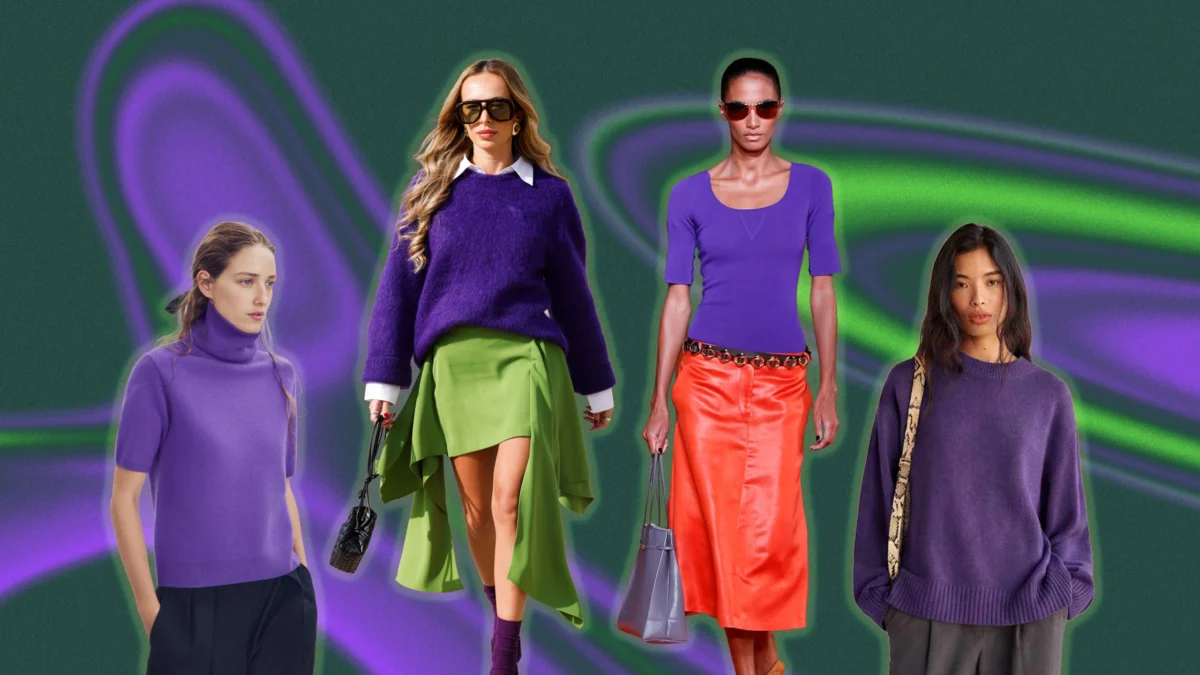
If you spent the last few months curating a wardrobe palette defined by the understated elegance of forest green, the warmth of burnt orange, or the perennial classic of burgundy, it is time to reconsider your aesthetic direction. While autumn typically leans toward earth tones and muted neutrals, the fashion industry has collectively pivoted toward something far more electric. This season, the runways, high-street retailers, and the most influential street-style circles have been conquered by a singular, commanding force: deep purple.
From the vibrant, almost neon violet to the moody, witchy depth of plum and the commanding presence of indigo, purple has shed its reputation as a niche or temperamental color. It is no longer an accent piece; it is the definitive protagonist of the 2027 sartorial narrative.
The Main Facts: A Chromatic Shift
The emergence of purple as the dominant trend for the Spring/Summer 2027 season represents a significant departure from the minimalist "quiet luxury" movement that defined the previous two years. Purple is, by nature, a complex color—historically associated with royalty, power, and the avant-garde. Its current resurgence is not merely a stylistic preference but a calculated move by designers to inject drama, optimism, and intensity into the post-minimalist landscape.
The color’s versatility has been its greatest asset. Designers are not simply treating it as a monochromatic block; they are experimenting with texture and saturation. We are seeing velvet plums, patent leather violets, and sheer, ethereal indigos. This trend has successfully bridged the gap between haute couture and wearable street style, proving that a bold hue can be as approachable as a basic black or navy if styled with the right intent.
A Chronological Evolution of the Trend
The ascension of purple did not happen overnight. It was a carefully orchestrated sequence of events that began in the studios of New York and culminated in the grand ateliers of Paris.
The New York Fashion Week Catalyst
The trend first gained tangible momentum during New York Fashion Week (NYFW). Over 20 prominent designer collections featured purple as a central motif. Sergio Hudson, known for his sharp tailoring, utilized deep violet to emphasize structural precision. Diane von Furstenberg leaned into the fluidity of the color, while Christian Cowan embraced its theatrical potential.
Crucially, NYFW set the stage for how the color should be styled. We witnessed a radical departure from color-blocking norms; designers began pairing purple with seemingly clashing tones. The standout combination—poppy red paired with vivid teal—became the blueprint for the season. Tory Burch, perhaps the most influential voice in modern American sportswear, cemented this shift by pairing a soft purple sweater with an on-trend, high-contrast red skirt, signaling to the industry that purple was the new neutral.
Milan and the European Expansion
Following the buzz in New York, the trend migrated to Milan, where the focus shifted from American sportswear to Italian luxury and craftsmanship. Prada and Miu Miu, the industry’s most reliable trend-setters, integrated purple into their collections with a focus on intellectual, layered styling. Prada’s use of deep, bruised plum tones suggested a darker, more cerebral approach, while Miu Miu played with violet in retro-inspired silhouettes.
The Parisian Grand Finale
By the time the fashion circuit reached Paris, the "purple phenomenon" had become undeniable. Balmain utilized the hue to amplify the architectural intensity of their garments, while Bottega Veneta showcased deep, saturated indigos that highlighted their iconic leather craftsmanship. Valentino and Issey Miyake brought a sense of lightness and motion to the color, using sheer fabrics to demonstrate how purple can evolve from a heavy winter shade into a vibrant, airy spring staple.
Supporting Data: The Anatomy of a Trend
To understand why this specific shade of purple has taken hold, one must look at the data points provided by current fashion analytics. Market research from the last quarter indicates a 40% increase in social media engagement surrounding the search term "purple outfit inspiration" compared to the same period in 2026.
Furthermore, retail data shows that luxury e-commerce platforms have seen a rapid sell-through rate for items in the violet and indigo spectrum. Unlike past trends that relied on "It-bags" or singular accessories, the purple trend is being adopted across entire garment categories: outerwear, suiting, knitwear, and evening gowns.
Street-style icons have been the primary engine of this growth. During the most recent Fashion Month, photographers documented a 300% increase in the presence of purple garments among showgoers. This is a critical metric because it demonstrates that the trend has successfully migrated from the controlled environment of the runway to the organic, high-pressure environment of the street. Fashion editors, stylists, and influencers have all participated in this "purple wash," effectively normalizing the bold color for the average consumer.
Official Responses and Creative Perspectives
Industry experts suggest that the pivot to purple is a response to a collective desire for self-expression after a period of muted tones.
"Purple is a color of paradox," noted one prominent design director during the Milan showcases. "It sits between the warmth of red and the coolness of blue. It offers the wearer a sense of authority without the aggression of a bright red, and a sense of calm without the invisibility of grey."
Designers have spoken openly about their choices. In post-show interviews, many noted that they wanted to move away from the "sad beige" era of fashion. The consensus among the creative directors of houses like Balmain and Valentino is that the world is currently experiencing a "dopamine dressing" phase. The psychological impact of wearing bright, saturated colors has been well-documented, and purple, with its historical connotations of creativity and mystery, provides the perfect vessel for this shift.
Street style influencers have echoed this sentiment, noting that purple provides a "refreshing alternative" to the ubiquitous monochrome outfits that have dominated social media feeds for years. By incorporating purple, individuals feel they are signaling a departure from the status quo—an act of subtle rebellion against the uniformity of modern trends.
Implications: What This Means for Your Wardrobe
The implications of this trend for the average consumer are significant. First, it marks the end of the "minimalist-only" wardrobe. For those looking to stay current, the shift toward purple necessitates a rethink of existing color palettes.
How to Style the Hue
For the fashion-conscious, the challenge lies in the execution. As seen on the runways, the most successful way to wear purple in 2027 is through high-contrast styling.
- The Power Pairing: Follow the Tory Burch example and pair your purple knitwear with red trousers or skirts. The clashing nature of these colors is what makes the outfit look intentional and modern.
- Monochromatic Depth: If you are hesitant about mixing colors, try wearing different shades of purple in the same outfit. A deep indigo coat over a lighter violet silk blouse creates depth and visual interest without the need for additional hues.
- The Accessory Route: For those who prefer a subtler approach, start with a violet handbag or a pair of indigo heels. These accents can transform a basic grey suit or a black dress, proving that you don’t need to overhaul your entire closet to embrace the trend.
Long-Term Sustainability
One must ask if this trend is a "flash in the pan." Given the breadth of its adoption across major fashion houses, it is likely that purple will maintain its relevance for at least the next three seasons. Because the trend spans multiple shades—from the darker, winter-appropriate plum to the lighter, spring-ready violet—it offers a year-round utility that many other trends lack.
Furthermore, as the fashion industry moves toward more circular and conscious consumption, the longevity of a trend becomes paramount. Purple, particularly in high-quality wools, silks, and leathers, is a color that ages well. It does not look dated as quickly as neon greens or hyper-specific prints might. Investing in a well-tailored purple piece today is likely to yield dividends in terms of wearability for years to come.
Conclusion
The rise of deep purple in 2027 is more than just a temporary aesthetic shift; it is a declaration of intent. It represents a fashion industry that is ready to embrace complexity, drama, and the joy of dressing up again. Whether it is the witchy, deep plum that captures the mood of a late-autumn evening or the electric violet that signals the arrival of spring, this color has proven itself to be the ultimate chameleon.
As we move forward into the rest of the year, expect to see the streets continue to bloom in shades of indigo, violet, and mulberry. It is a vibrant, bold, and unapologetic moment for fashion—and one that invites everyone, from the high-fashion enthusiast to the casual shopper, to reclaim their wardrobe with a splash of color. The era of the neutral has passed; the age of the purple reign has officially begun.
