

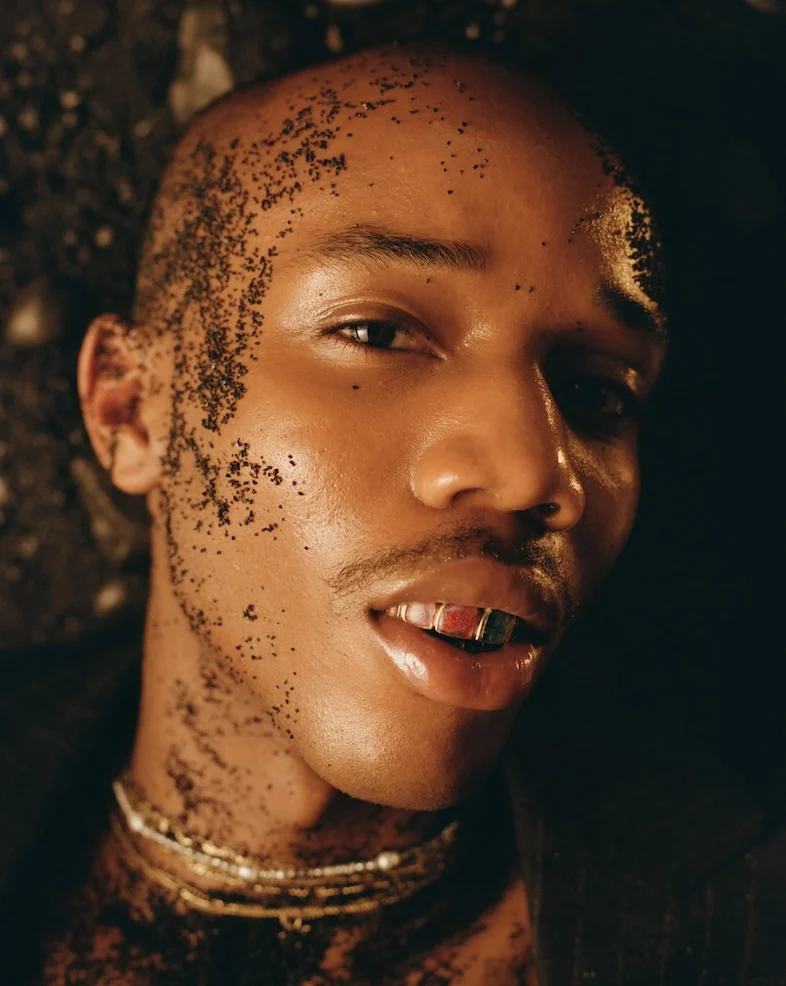
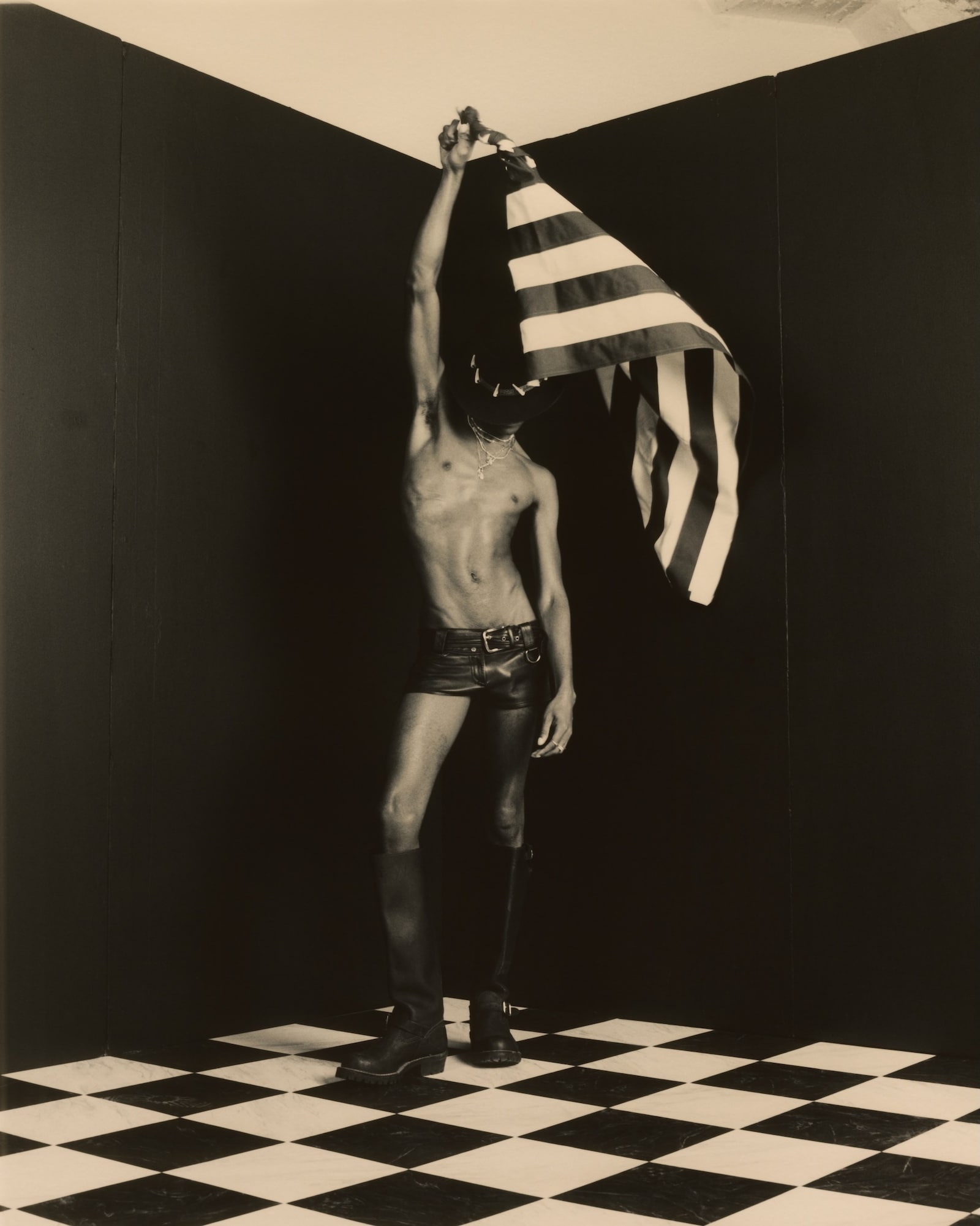
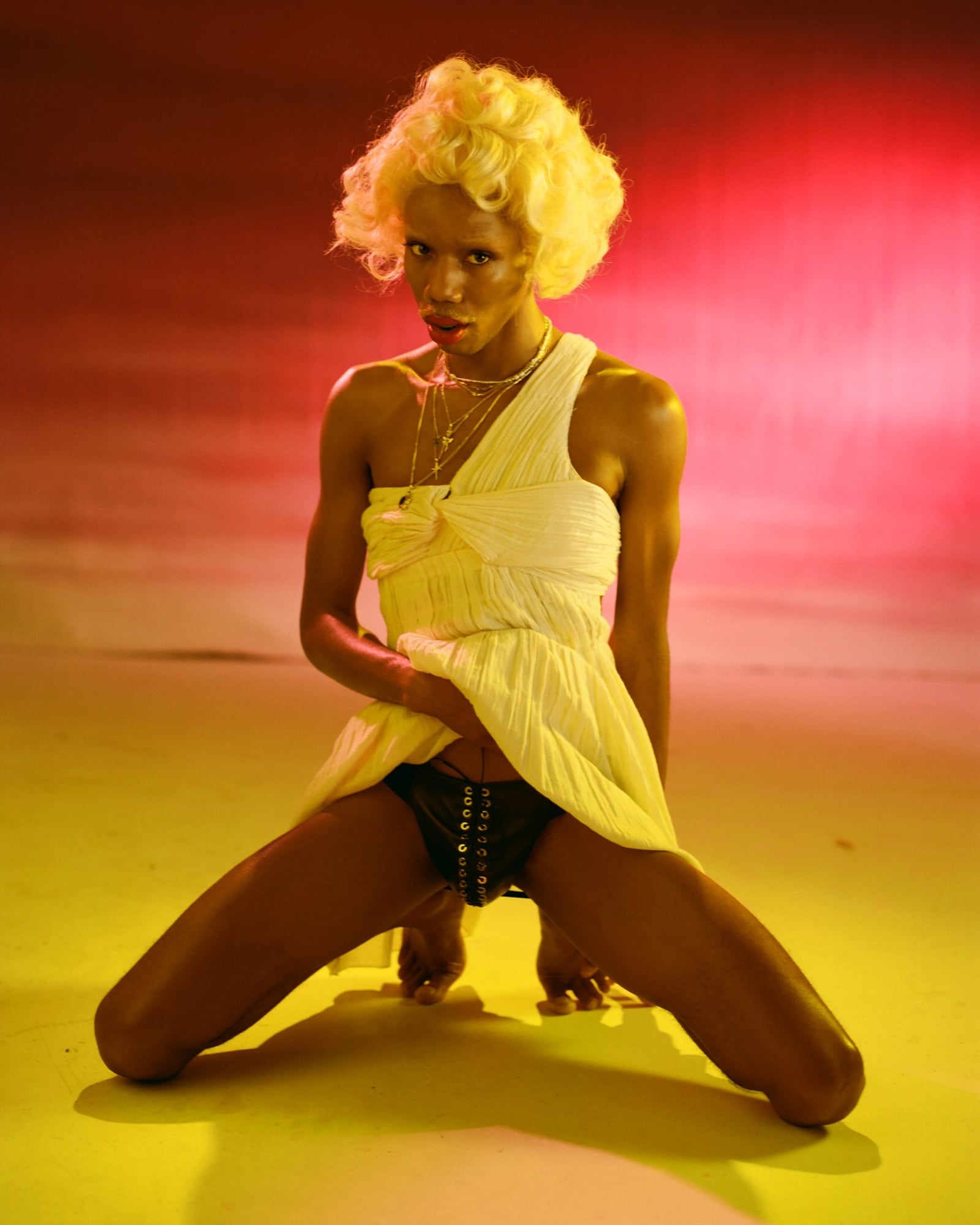
To mark the long-awaited publication of Quiladelphia, a career-spanning monograph tracing ten years of his evocative photographic practice, New York and Los Angeles-based photographer Quil Lemons sat down with the pioneering British lensman Ajamu X. The resulting conversation is a profound meditation on the evolution of Black masculinity, the power of the queer archive, and the shifting politics of representation across two continents.
The Intersection of Eras: Defining the Black Queer Experience
The dialogue between Ajamu X—a Brixton-based artist whose practice has been a cornerstone of UK Black queer documentation since the 1980s—and Quil Lemons, a defining voice of the Gen Z generation, highlights a critical lineage in photography. While their geographical and generational contexts differ, their work is united by a shared mandate: to document the nuances of Black masculinity, intimacy, and desire outside the rigid confines of the mainstream gaze.
For Ajamu, the encounter with Lemons’ work was a moment of recognition, having first seen the younger photographer’s breakout exhibition, Glitterboy, in Toronto in 2018. Conversely, Lemons sought out Ajamu’s extensive archive while conducting research for Quiladelphia. Lemons, driven by an urgent need to engage with the queer canon, noted that he wanted to "see everything" to discern what his own voice could contribute to the ongoing conversation.
A Geography of Identity: From Leeds to Philadelphia
The roots of these two artists are inextricably linked to the cities that shaped them. For Ajamu, the journey began in the working-class estates of Huddersfield and Leeds, England. Growing up in a post-punk, New Romantic subculture, he navigated the intersections of white racism and Black working-class homophobia.
"I was dealing with very fixed ideas around gender and what I was meant to be as a Black male," Ajamu recalls. His move to London—specifically Peckham and Brixton—provided the essential infrastructure to synthesize his Jamaican heritage with his artistic voice. London allowed him to transition from mere observation to active documentation, providing a community of Black queer activists and artists that validated his creative direction.
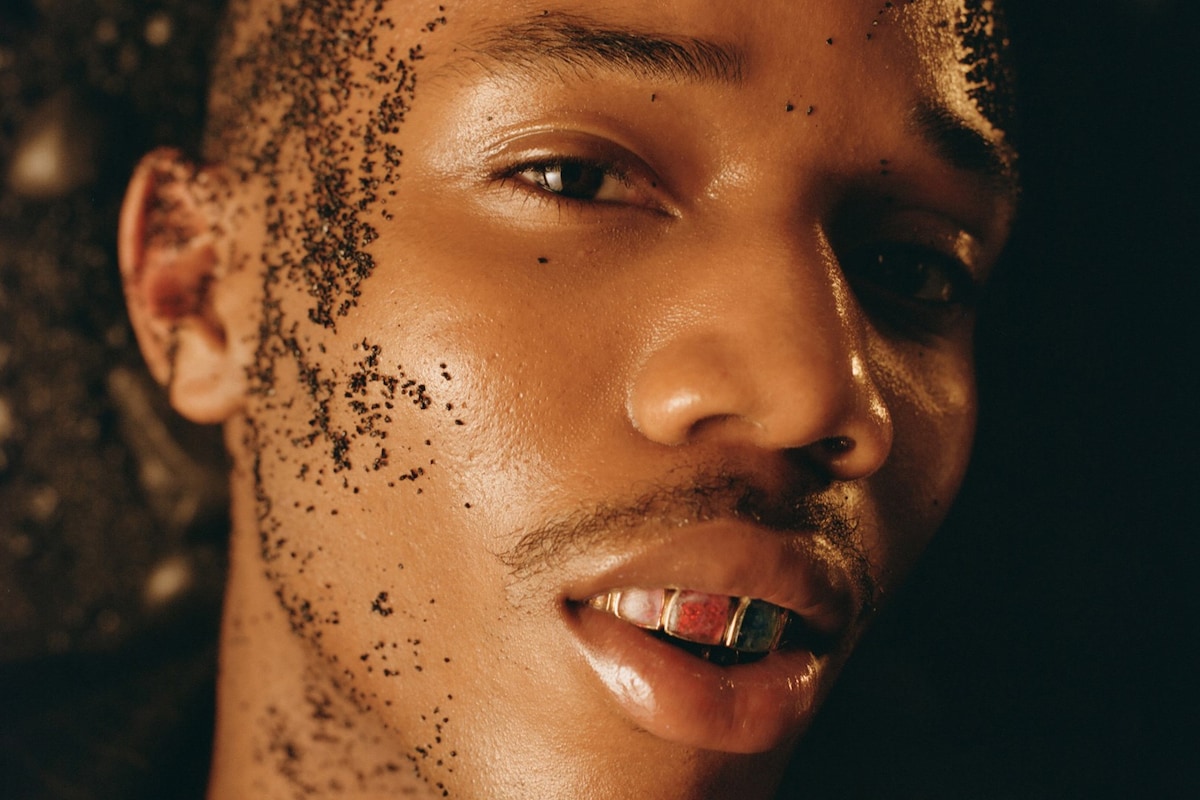
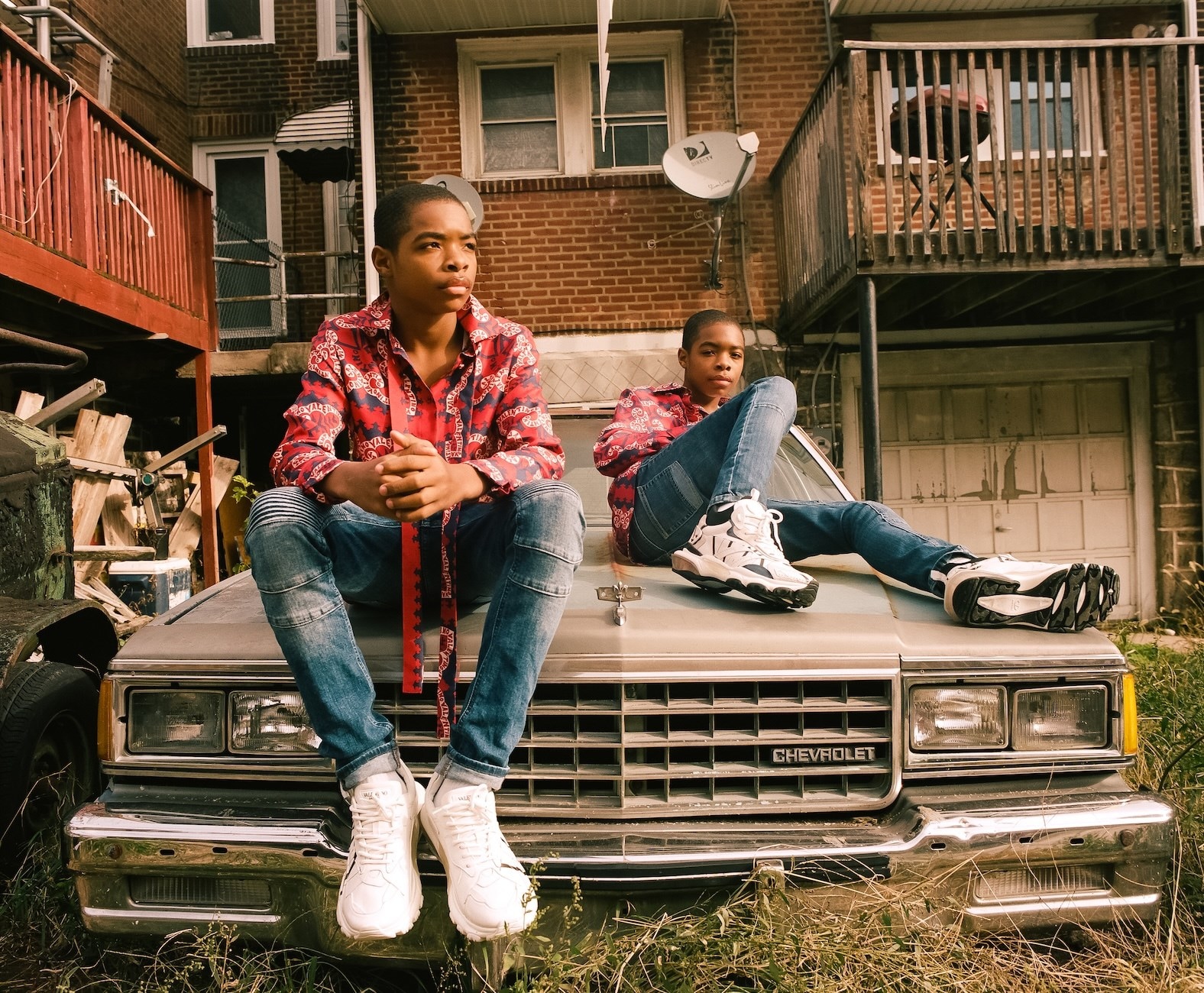
In contrast, Quil Lemons’ upbringing in Philadelphia offers a distinct, yet resonant, narrative. "Philly is a decidedly Black space," Lemons explains. Raised by a lineage of influential women, he describes his home city as a place that is simultaneously "rowdy and pretty." His work seeks to reconcile these binaries, moving away from the monolithic portrayals of Black men that often permeate American media. Interestingly, Lemons notes that his recent travels to Lagos, Nigeria, revealed a striking familiarity: "This hood ain’t no different than the one I know."
The Chronology of an Archive
The trajectory of both photographers reflects a conscious effort to build a visual history where one was previously neglected.
The 1980s: Ajamu X and the Necessity of Print
Ajamu’s entry into photography was not a premeditated career path but a necessity born from a lack of representation. In the 1970s and 80s, the visual language of gay life in the UK was dominated by white subjects, while Black men were systematically relegated to the tropes of "thugs and pimps."
"I didn’t set out to be a photographer," Ajamu says. "I fell into it because I created a magazine called BLAC. I love exhibitions, but print media does something very different. When there are Black queer exhibitions, if there is no print media, they literally disappear from history." For Ajamu, the monograph and the magazine serve as vital vessels for preventing the erasure of Black queer existence.
The 2010s-2020s: The Digital Generation and Quiladelphia
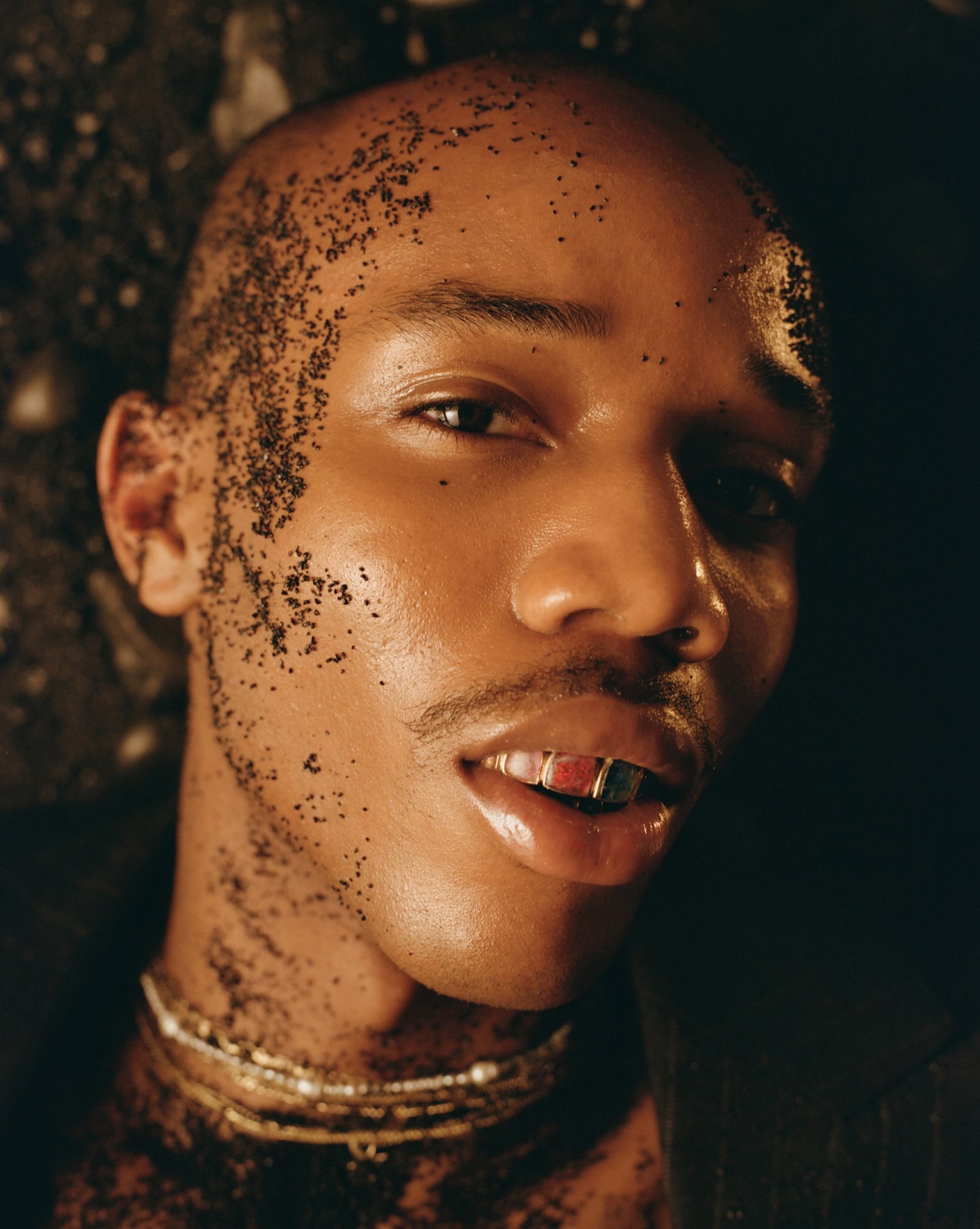
Lemons, raised during the "Obama optimism" era, entered the field with a different sense of possibility. His work serves as a platform for Black queer thought, leveraging the digital age to circulate images that challenge traditional stereotypes. Quiladelphia represents the culmination of ten years of this practice.
"Quiladelphia took about six years to make," Lemons shares. "I really wanted to push Black thought to a new space. The main question of my youth was: ‘What does a Black man like? What am I supposed to be?’" His monograph captures the multiplicity of the American Black male experience, moving fluidly between fashion, fine art, and raw portraiture.
Supporting Data: The Politics of the Gaze
The conversation between the two artists underscores a shared, critical rejection of the "fear, threat, and fascination" that has historically framed the Black body.
- The Subversion of Pornography: Both artists identify early pornography as a primary, albeit flawed, space for seeing Black men with other Black men. They view their work as an evolution of this visual consumption, moving from the voyeuristic gaze to one of intimacy.
- The Role of New Media: Lemons highlights the impact of platforms like OnlyFans, which have changed the power dynamic of the "porn star." By photographing subjects who exist in these spaces, he brings a layer of agency and personal narrative to the image, shifting the viewer’s relationship from distant consumer to an observer of real, complex humans.
- Intimacy vs. Performance: Ajamu notes that despite progress, there remains a "missing image" regarding the true, un-staged intimacy of Black men. His current work seeks to hold the tension between the performance of masculinity and the quiet, private reality of the human subject.
Official Perspectives: The Evolution of Desire
When discussing the state of current discourse, both photographers expressed concerns about how younger generations engage with sexuality.
Lemons, observing his own generation, expresses a paradox: "Gen Z is watching porn but not having sex. I get scared about that in terms of rape culture, because what they’re seeing in porn is always really violent and aggressive." He believes that art must step in to provide alternative, healthier visual languages for intimacy.
Ajamu agrees, emphasizing that the dialogue between generations is the only way to ensure the sustainability of the archive. "It’s key that Black queer photographers across generations and across the diaspora are in dialogue," he asserts. "I love when our ideas collide, and then we’re just dancing around each other."
Implications for Future Representation
The publication of Quiladelphia and the ongoing practice of Ajamu X serve as essential pillars for future artists. Their work suggests that the "Black gaze" is not a static concept but a living, evolving methodology.
- Breaking Binary Frameworks: Both artists move beyond the thin/femme or strong/masculine binaries, opting instead to explore the "grey area" of human experience.
- The Sovereignty of the Archive: By moving from ephemeral digital content to the permanence of a monograph, artists ensure their work survives the rapid-fire consumption of social media.
- Cross-Generational Mentorship: The conversation highlights the necessity for emerging artists to engage with the pioneers who built the foundation for contemporary queer art.
As Quiladelphia prepares to hit shelves this October, it stands not just as a collection of photographs, but as a critical contribution to the visual history of the Black queer experience. It invites the viewer to look beyond the surface, to recognize the humanity in the frame, and to participate in a history that is, at long last, being written by those who lived it.
