

By Sara Karlovitch | July 9, 2026
In the high-stakes theater of the 2026 World Cup, where the tension on the pitch is matched only by the fervor of the global audience, The Kraft Heinz Company has executed a tactical masterstroke. By hijacking the most recognizable symbols of refereeing authority—the red and yellow card—the condiment giant is transforming a source of sporting frustration into a culinary solution.
The "Penalty Packets" campaign, a social-first initiative, arrives at a moment when the sport is experiencing an unprecedented surge in officiating scrutiny. By addressing the universal consumer grievance of insufficient portion sizes in standard condiment packets, Heinz has effectively positioned itself as the "unofficial" champion of the fan experience, proving that even a brand without official tournament sponsorship can command the spotlight.
The Core Concept: Redefining the Penalty
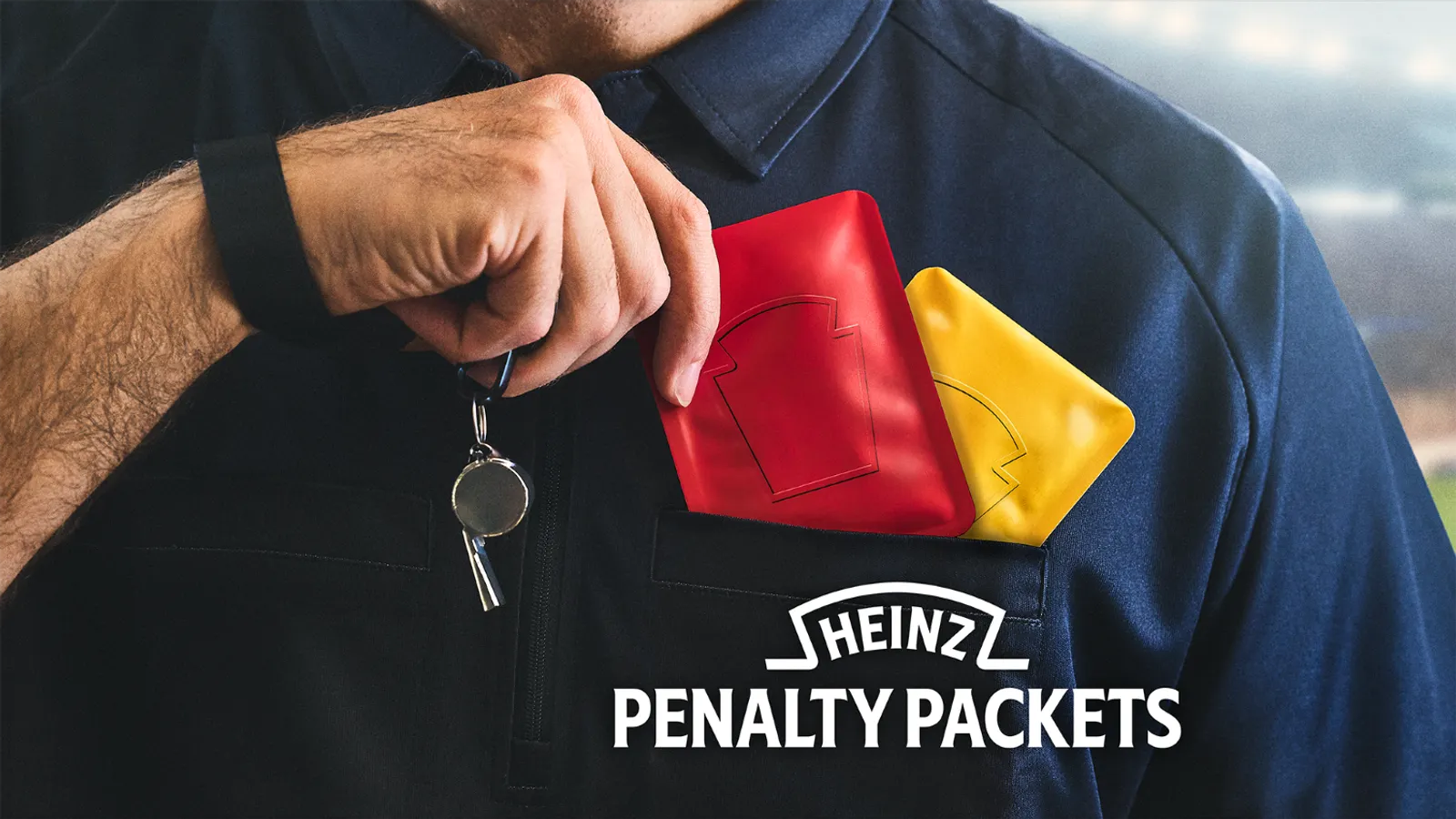
The heart of the campaign is a clever, multi-platform play that taps into the zeitgeist of the tournament. The "Penalty Packets" are designed to mimic the aesthetic of a referee’s disciplinary kit. When a consumer encounters a meal—such as a dry burger or a lackluster hot dog—that is lacking in flavor, they are encouraged to "call a foul" on their food.
By utilizing a red or yellow condiment packet, the consumer acts as the official, pulling the "card" from their pocket and dispensing a generous serving of Heinz ketchup or mustard to "rectify" the situation. This interactive, user-generated content (UGC) strategy encourages fans to share their "officiating" moments on social media using the hashtag #PenaltyPackets, turning a mundane lunch break into a participatory sporting event.
Chronology of a Viral Strategy
The journey to this campaign began long before the first whistle of the 2026 World Cup.
- March 2026: Heinz formalizes its pivot toward the "Away From Home" food service sector by securing a landmark five-year partnership with the NFL. This signaled a strategic shift, indicating that the company intended to dominate the sports-adjacent dining experience.
- Early July 2026: As the World Cup progressed, the tournament saw a record-shattering number of red cards—13 by July 5 alone. This statistical anomaly provided the perfect narrative backdrop for Heinz’s creative team.
- July 7, 2026: Social media channels began featuring high-energy videos of fans "flagging" their meals. The rollout included a strategic microsite launch, where the limited-edition kits were made available to the public.
- July 9, 2026: The campaign hits its stride, coinciding with the peak of public discourse regarding controversial referee decisions, including the highly publicized case involving U.S. striker Folarin Balogun.
Supporting Data: Why the Timing is Impeccable
The efficacy of the Heinz campaign is rooted in its alignment with current tournament trends. The 2026 World Cup has seen more red cards handed out than in the 2018 and 2022 tournaments combined. This saturation of "red card" imagery in news cycles, social media memes, and broadcast television has made the symbol omnipresent.
Furthermore, the brand’s pricing strategy is a masterclass in subtle brand reinforcement. The "Penalty Packet" kits retail for $1.57—a deliberate nod to the legendary "57 Varieties" branding that has been a cornerstone of Heinz’s marketing identity for over a century. By including "substitutions" (extra packets) in every kit, the brand mirrors the language of the sport, further embedding itself into the vernacular of the average soccer fan.
Official Responses: "Calling a Foul on No Flavor"
The creative direction behind the campaign was led by Simon Au, Executive Creative Director at The Kitchen, the in-house creative agency for Kraft Heinz.
"In the world’s biggest game, red and yellow are synonymous with wrongdoing," Au stated in press materials. "We wanted to flip that meaning, and Heinz Penalty Packets do just that. They’re the first-ever sauce packets that let fans call a foul on no flavor, and resolve it in real-time with more Heinz."

The brand’s ability to pivot toward the "clean stadium" policy controversy is perhaps its most impressive feat. Because FIFA mandates that non-sponsors must mask their branding within tournament venues, fans have been treated to the sight of taped-over condiment bottles. Rather than shying away from this, Heinz Canada leaned in, rebranding their masked bottles as the "unofficial stadium ketchup." This cheeky acknowledgment of their "outsider" status has garnered significant goodwill and viral traction, proving that an agile social media presence can often outperform multi-million dollar official sponsorships.
The Broader Implications for Sports Marketing
The success of the "Penalty Packets" initiative highlights a shifting paradigm in how CPG (Consumer Packaged Goods) companies engage with major sporting events.
1. The Death of the "Official Sponsor" Monopoly
For years, the gold standard for sports marketing was the exclusive, high-cost official sponsorship. However, Heinz demonstrates that through "ambush marketing" or "guerrilla-lite" tactics, a brand can maintain high levels of relevance by aligning with the cultural experience of the sport rather than just the logo rights.
2. Influencer and UGC Integration
By inviting consumers to participate in the act of "penalizing" their food, Heinz has shifted the consumer from a passive viewer to an active participant. The use of the #PenaltyPackets hashtag serves as a tracking mechanism for the brand to measure engagement, while simultaneously turning every user into an unpaid brand ambassador.
3. Addressing Consumer Pain Points
The campaign succeeds because it solves a real problem: the inadequate size of traditional sauce packets. By gamifying the solution to this "flavor foul," Heinz has transformed a negative consumer experience into a moment of brand loyalty.

4. The Influence of Political and Cultural Context
The involvement of the White House in the Folarin Balogun suspension case proves that the 2026 World Cup has become a nexus of sports, politics, and culture. By timing their campaign to coincide with such heated national conversations, Heinz ensures that its name remains part of the wider narrative, rather than being relegated to a standalone advertisement.
Future Outlook: What’s Next for Kraft Heinz?
As the World Cup moves into its final stages, the "Penalty Packets" campaign serves as a blueprint for future sports marketing initiatives. We can expect to see Kraft Heinz continue to leverage its "Away From Home" strategy, likely integrating more interactive elements into its NFL partnership in the coming autumn season.
The brand has successfully navigated the "clean stadium" policy, turning a restrictive regulation into a badge of honor. As other brands look to emulate this success, the lesson is clear: in the modern digital arena, the most effective marketing isn’t necessarily the one with the biggest budget, but the one with the best sense of humor.
By capturing the spirit of the game—the fouls, the substitutions, and the intense passion of the fans—Heinz has proven that the best way to win the World Cup is to play along with the fans, even if you weren’t invited to the opening ceremony. The "Penalty Packets" will likely be remembered as one of the most clever, cost-effective, and culturally resonant campaigns of the 2026 tournament, cementing Heinz’s status not just as a condiment maker, but as a permanent fixture in the global sporting conversation.
