

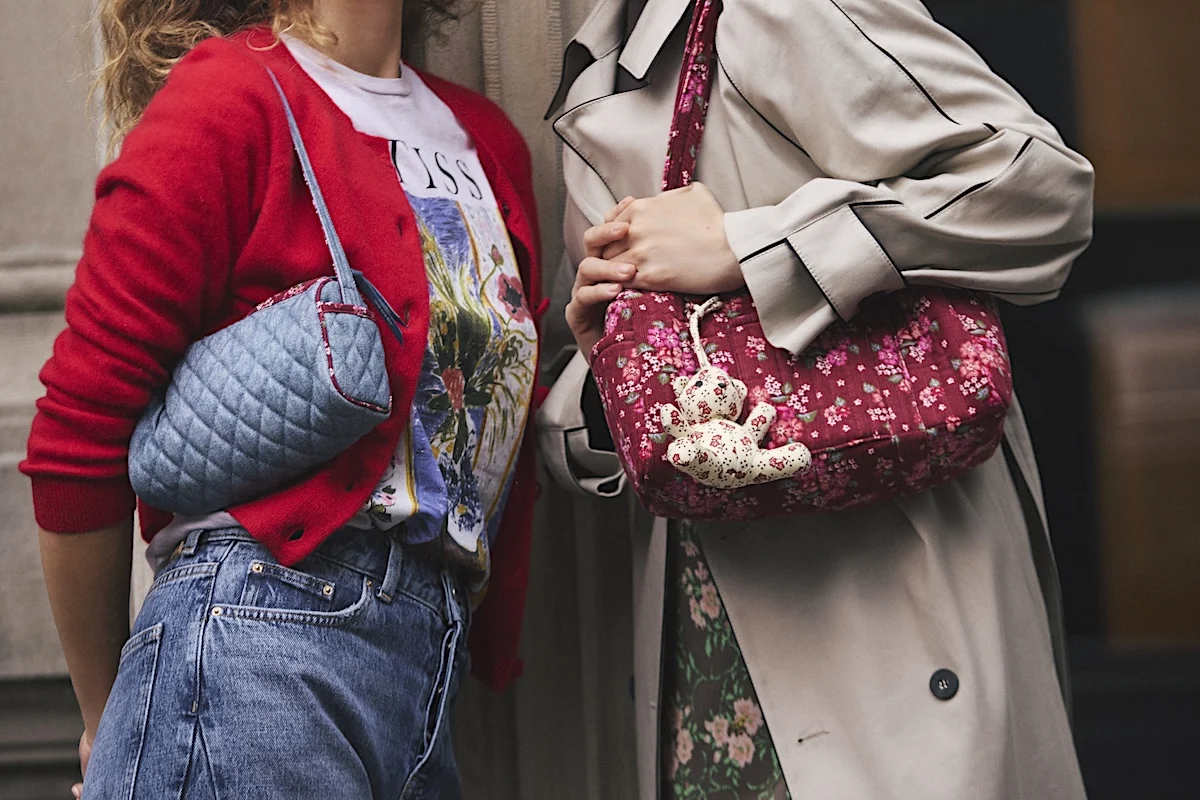
For the past several years, the retail landscape has been littered with legacy brands struggling to find their footing in a post-pandemic, digitally saturated economy. Few stories, however, are as instructive as that of Vera Bradley. After a series of missteps that threatened to dilute its unique market position, the 44-year-old accessories giant appears to have cracked the code. By pivoting away from a sterile modernization effort and leaning back into its "DNA," the brand has finally secured its first quarterly revenue growth in nearly five years—a milestone that suggests the second, more focused turnaround plan, dubbed "Project Sunshine," is gaining real traction.
The Chronology of a Corporate Pivot
Vera Bradley’s journey to its current state of stability has been anything but linear. The brand’s recent history is defined by two distinct strategic phases: the ill-fated "Project Restoration" and the current, more successful "Project Sunshine."
In 2024, management initiated "Project Restoration," a comprehensive strategy aimed at updating the brand’s image for a younger, modern consumer. This initiative involved a complete overhaul of the brand’s visual language: new logos, updated store aesthetics, and a push toward diverse materials like leather and solid-colored fabrics. While well-intentioned, the strategy backfired. It alienated the brand’s core demographic—loyalists who had spent decades collecting the signature colorful, floral, and paisley-printed cotton accessories that made the brand a household name. The backlash was swift, and the anticipated sales momentum failed to materialize.
Recognizing the disconnect, the board acted decisively. By late 2025, a new leadership team was in place, and the company began shifting its focus. The launch of "Project Sunshine" marked a departure from the "rebranding" mentality of the previous year. Instead of trying to become something it wasn’t, the brand decided to rediscover what it was. By 2026, the company began scaling back the leather focus, reintroducing its hallmark cotton fabrics, and prioritizing the whimsical, joyful aesthetic that defined its peak years.
Supporting Data: The Numbers Behind the Turnaround
The efficacy of this shift is no longer speculative; it is reflected in the balance sheet. Following the implementation of "Project Sunshine," Vera Bradley reported its first quarterly revenue growth in nearly half a decade during the summer of 2026.
By September 2026, the company confirmed its second consecutive quarter of year-over-year growth, with revenue reaching $71.6 million—a 1.1% increase compared to the previous year. While a 1.1% increase may seem modest to some, in the context of a retail sector plagued by volatility, it represents a significant stabilization point.
Furthermore, the brand’s digital and social engagement metrics provide a clearer picture of its reach. As of late October 2026, the brand had successfully moved over 24,000 units through TikTok Shop alone. This data point is crucial, as it validates the brand’s ability to convert "digital-first" viewers into actual purchasers, signaling that the "Project Sunshine" focus on social and digital channels is successfully capturing the attention of Gen Z and Gen Alpha consumers.
Official Perspectives: Sharpening the Brand DNA
The shift in strategy has been driven by a deliberate effort to synthesize the brand’s heritage with contemporary consumer desires. Melinda Paraie, who joined as Chief Brand Officer in late 2025, has been instrumental in this process.
"We’ve gone back to our DNA and where we see strength and what made us unique, which is joyful optimism, our colors, and our prints," Paraie noted in an interview with Modern Retail. According to Paraie, the goal was never a total rebranding, but rather a "sharpening" of the brand for the current retail environment.
CEO Ian Bickley has been equally candid about the previous failures. In a March 2026 address, Bickley admitted that the brand had lost its way, becoming "indistinguishable from other brands" and over-reliant on discounting. By moving away from aggressive promotions and refocusing on product quality, the leadership team has sought to restore the brand’s premium perception. As the company’s former Chief Administrative and Legal Officer, Mark Dely, put it during an earnings call, the strategy is about "building from our DNA, not rebranding."
The "Anemoia" Factor and Modern Consumer Trends
One of the most fascinating aspects of Vera Bradley’s revival is its accidental alignment with a burgeoning trend among younger consumers: "anemoia"—a longing for a past one never actually lived.
Teens and twenty-somethings, exhausted by the cycle of fast fashion and the hyper-minimalism of the early 2020s, are increasingly turning to vintage aesthetics as a form of self-expression. Vera Bradley’s archive of "ditsy" prints and classic, whimsical patterns fits perfectly into the "grandmacore" and "coastal grandma" aesthetics currently trending on platforms like TikTok and Instagram.
The brand has capitalized on this by launching a "Remix Collection," which pulls directly from its archives to satisfy this hunger for authentic, vintage-inspired design. "This younger generation is really inspired by our vintage prints and smaller ditsy patterns," Paraie explained.
Beyond aesthetics, the brand is also leaning into the "personalization economy." Modern consumers, particularly younger ones, desire items that feel bespoke. When Vera Bradley released a limited, bespoke collection of 50 bags based on its "Original 100" design, the entire stock sold out in under three minutes. The current focus on bag charms—miniatures in the shape of cookies, bears, and tiny totes—is another strategic play to capture this desire for customization.
Implications for the Future of Retail
The implications of Vera Bradley’s current success extend well beyond the accessories market. The brand’s trajectory offers several key takeaways for legacy retailers:
1. The Perils of Over-Modernization
Many legacy brands fall into the trap of trying to shed their history in favor of "clean," modern aesthetics that ultimately strip the brand of its soul. Vera Bradley’s failure with "Project Restoration" proves that consumers often form deep, emotional bonds with a brand’s original identity. When a brand attempts to pivot too far from that identity, it risks losing its most loyal advocates.
2. The Power of "Organizational Alignment"
"Project Sunshine" is not just about product design; it involves a fundamental restructuring of the company’s go-to-market strategy. By aligning its organizational structure with a digital-first mandate, the company has managed to streamline how it interacts with influencers and platforms like TikTok. This operational efficiency is what allows the brand to react quickly to trends, such as the "Strawberry Girl Summer" activation, which combined in-store events with digital social media pushes.
3. The Hybrid Experience
While the brand is leaning heavily into TikTok and digital sales, it is not abandoning the physical retail space. On the contrary, it is using its brick-and-mortar footprint as a hub for community engagement. Events like the collaboration with "Little Words Project" or the "Strawberry Girl" in-store activations demonstrate that physical retail still serves a critical function: providing a tangible, tactile experience that digital channels cannot replicate.
4. Niche Appeal to Gen Z
By focusing on smaller shoulder bags and personalization, Vera Bradley has successfully identified the specific needs of the younger shopper. Acknowledging that today’s youth carry less (as most essentials are now stored on a smartphone) and prioritize small, distinct, and accessorized bags, the brand has effectively pivoted its product pipeline to meet these behavioral shifts.
Conclusion: Looking Ahead
As Vera Bradley moves into the next phase of its evolution, the challenge will be to maintain this momentum without over-saturating the market. The brand’s current strategy—playing into nostalgia, prioritizing its core "joyful" aesthetic, and fostering a digital-first ecosystem—has proven to be a winning combination.
Whether this growth can be sustained long-term will depend on the brand’s ability to remain "relevant today" through consistent innovation while honoring the "brand truths" that first made it a cultural icon. If the current trajectory is any indication, Vera Bradley has successfully navigated the most dangerous phase of its corporate lifecycle, proving that sometimes the best way to move forward is to look back at what made you special in the first place. By staying true to its DNA while embracing the tools of the modern digital era, the company has provided a blueprint for how legacy brands can thrive in an increasingly fragmented market.
