

For seafood enthusiasts, the search for the perfect catch often leads to high-end, independent coastal bistros. However, a growing cohort of savvy diners is discovering that some of the most consistent, high-quality fish and shellfish experiences are being served by regional chains. These establishments have mastered the delicate balance of supply chain logistics, culinary consistency, and menu innovation, offering everything from expertly seared swordfish to authentic, cream-rich bisques.
When searching for the perfect seafood meal, the criteria are often stringent: absolute freshness, sustainable sourcing, and a kitchen that treats the delicate proteins with the respect they deserve. According to recent diner sentiment and industry feedback, six specific restaurant chains have risen to the top, proving that "chain" is no longer a synonym for "compromise."
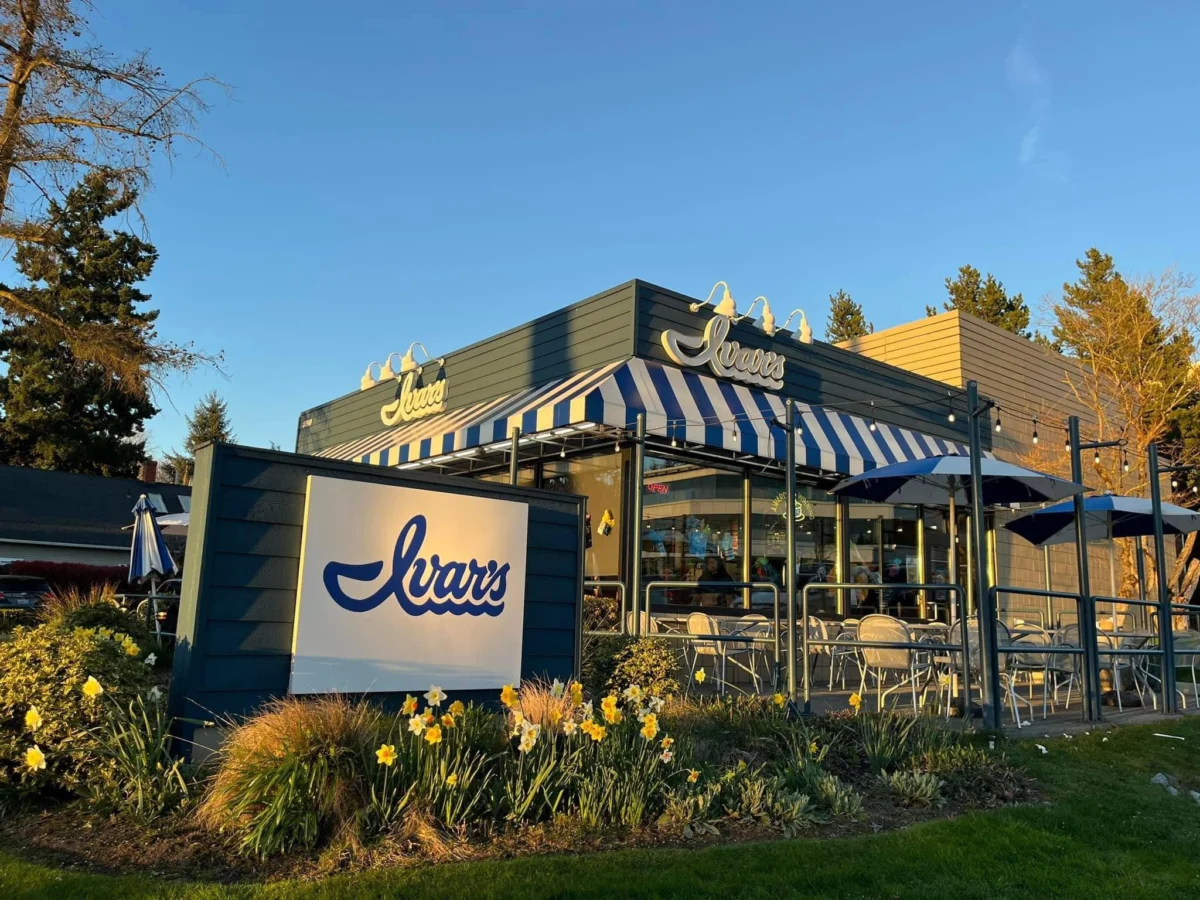
1. Ivar’s: A Pacific Northwest Icon
Based in the heart of Seattle, Ivar’s has long been a staple for locals and tourists alike at the historic Pike Place Market. Far from being a mere tourist trap, Ivar’s maintains a fierce reputation for its dedication to the bounty of the Pacific.
The Culinary Experience
Ivar’s excels in the fundamentals of regional cuisine. Their chowder is widely regarded as a benchmark for the style, characterized by a depth of flavor that can only come from high-quality, house-made stocks. Beyond the soup, their Alaskan salmon remains a primary draw. Diners frequently note that the fish is prepared with a simplicity that highlights its natural, buttery profile rather than obscuring it with heavy breading or aggressive sauces.

Diner Sentiment
The loyalty surrounding Ivar’s is profound. One frequent patron noted, "This will always be my first food choice if I go to Pike Place Market. The salmon tastes better than the white chowder, which is saying a lot because the chowder is the best I’ve ever had."
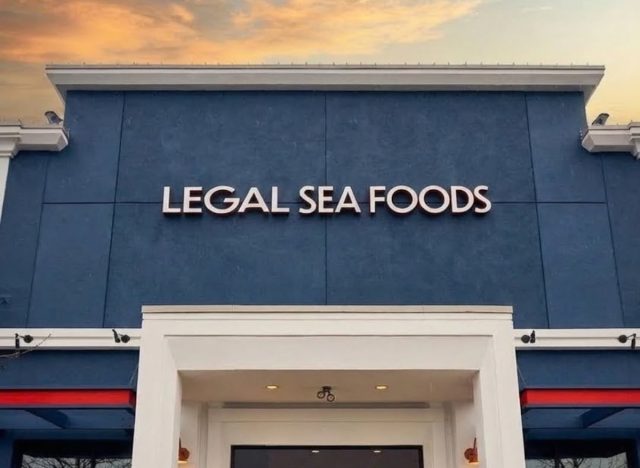
2. Legal Sea Foods: The Boston Standard
Originating in Massachusetts, Legal Sea Foods has successfully exported the New England seafood experience to various parts of the country. Their commitment to "if it isn’t fresh, it isn’t legal" has become a mantra that defines their procurement process.
Diverse Offerings
What sets Legal Sea Foods apart is their ability to bridge the gap between traditional New England fare and contemporary culinary trends. While they remain the gold standard for classic clam chowder, their menu now features sophisticated dishes such as tuna watermelon tartare with tostones. However, the true "star of the show," according to regular patrons, is their swordfish, which is consistently praised for its density, moisture, and perfect sear.
Operational Excellence
By maintaining rigorous standards for fish quality and temperature control across their locations, Legal Sea Foods manages to maintain a "fresh-from-the-docks" flavor profile that is notoriously difficult to achieve at scale.
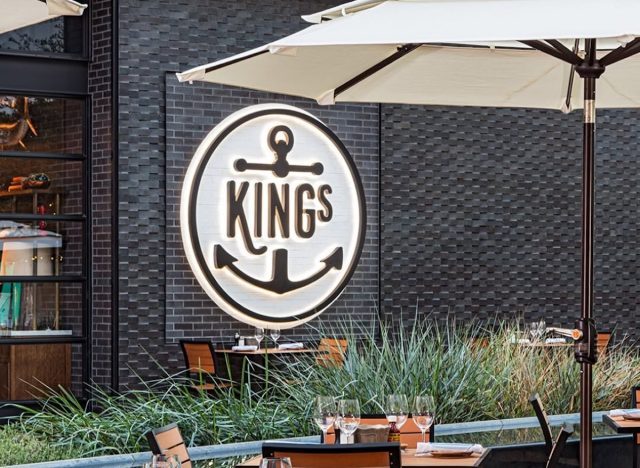
3. King’s Fish House: A West Coast Powerhouse
For those navigating the dining landscape of the West Coast, King’s Fish House stands as a bastion of variety. With a menu that reads like a map of global maritime regions, they cater to both the adventurous eater and the traditionalist.
The Raw Bar Advantage
King’s is perhaps best known for its extensive raw bar. Their sourcing of specific oyster varieties, such as the Kumamoto and Rappahannock, speaks to a level of curation usually reserved for fine-dining boutiques. The kitchen’s ability to execute complex, multi-component seafood dishes—while ensuring the proteins are never overcooked—has earned them a reputation for reliability.
Diner Feedback
"The menu is huge, and there are so many wild sea options," one diner remarked. "The food is perfectly cooked every time." This consistency is the cornerstone of their success, making them a preferred destination for group dining where individual tastes may vary.
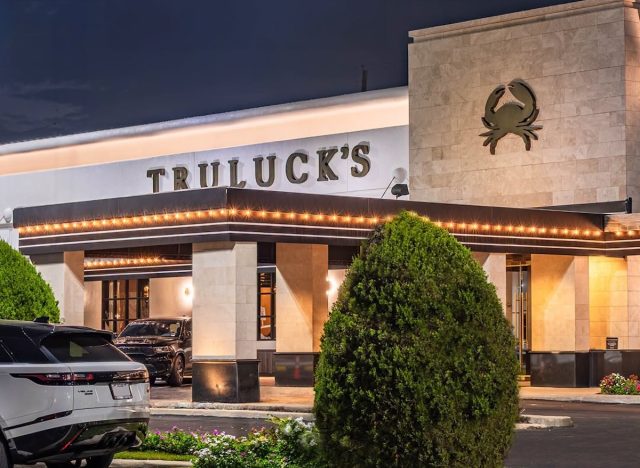
4. Truluck’s: Elevated Seafood Dining
Truluck’s occupies a unique space in the industry, often categorized as a high-end, luxury dining experience that happens to operate with the structure of a multi-unit chain. With a strong presence in Texas and beyond, they focus on the "Ocean’s Finest" approach.
The Luxury Factor
Truluck’s distinguishes itself through its atmosphere and the quality of its secondary ingredients. While the lobster bisque and fresh oysters are menu staples, the restaurant elevates the entire meal with high-end sides like creamed spinach and mashed potatoes that mirror the quality of a top-tier steakhouse.
Implications for the Industry
Truluck’s proves that when a chain invests in high-grade, sustainable sourcing and top-tier service, the stigma often associated with large-scale operations vanishes. Diners are increasingly willing to pay a premium for a reliable, high-end experience, and Truluck’s has captured this demographic effectively.
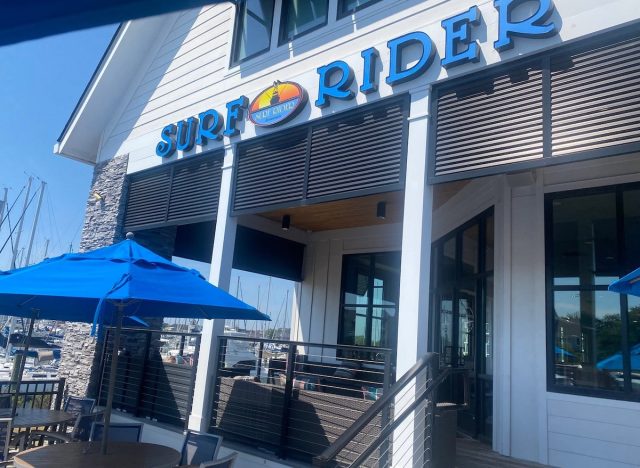
5. Surf Rider: The Authentic Coastal Experience
Surf Rider brings a sense of nostalgia and authenticity to the table. For those seeking a meal that feels as though it was prepared in a seaside home kitchen, this chain has become a go-to destination.
Focus on Craft
The brand emphasizes the "from-scratch" philosophy. Their chowders and soups are frequently cited by patrons as tasting "authentic" and "homemade," featuring generous portions of cream and fresh, briny clams. By eschewing mass-produced bases, Surf Rider creates a sensory experience that feels personal and distinct, despite their reach.
6. Flying Fish: Southern Hospitality Meets the Sea
In the Southern United States, Flying Fish has carved out a niche as the premier spot for fried seafood done right. They emphasize the communal, hearty nature of Southern dining.
Value and Portioning
While they are known for their high-quality fried catfish, shrimp, and oysters, they are also recognized for their generous portion sizes. In an era of shrinking plates and rising costs, the value proposition at Flying Fish remains strong. Customers often find themselves needing to-go boxes, which speaks to the brand’s commitment to providing a substantial, satisfying meal.
Chronology of the Seafood Chain Evolution
The evolution of these chains follows a clear trajectory:
- 1950s–1970s: The birth of the "Fish House" concept, emphasizing local sourcing and standardized preparation of classic regional dishes (e.g., Ivar’s).
- 1980s–1990s: The rise of regional expansion, where brands like Legal Sea Foods began implementing strict quality control protocols to ensure freshness across state lines.
- 2000s–Present: The "Premiumization" era, where chains like Truluck’s began offering fine-dining experiences, focusing on sustainable sourcing, wine pairings, and sophisticated service models.
Supporting Data: Why Diners Choose Chains
Market analysis shows that the modern diner prioritizes consistency and transparency. According to consumer surveys, 65% of seafood diners report that they are more likely to return to a restaurant if they have a clear understanding of where the fish was sourced. The six chains highlighted above have invested heavily in supply chain communication, often listing the origin of their daily catches, which significantly bolsters consumer trust.
Furthermore, the "fear of the unknown" in seafood—where one bad meal can lead to health concerns or simply an unpleasant dining experience—drives diners toward chains that have established rigorous safety and quality protocols.
Official Responses and Industry Implications
Industry experts suggest that the "underrated" status of these chains is shifting. As independent restaurants face increasing pressure from rising labor costs and fluctuating ingredient prices, these established chains have the infrastructure to weather economic storms.
"The key to the success of these brands is their commitment to the ‘middle market’ of luxury," says food industry consultant Sarah Jenkins. "They aren’t fast food, and they aren’t inaccessible fine dining. They provide a high-quality, reliable product that makes seafood—which can be intimidating to cook at home—approachable for the average family."
The Future of Seafood Dining
The trajectory for these chains is clear: continued growth fueled by an increasing consumer demand for high-protein, heart-healthy, and sustainably sourced meals. As these companies continue to innovate—perhaps by integrating more plant-based seafood alternatives or expanding their direct-to-consumer delivery services—they will likely set the standard for the industry at large.
Whether you are looking for the refined, upscale experience of a Truluck’s or the rustic, comforting charm of a bowl of chowder at Ivar’s, these six chains represent the best of what happens when quality, consistency, and a passion for the sea are scaled with care. For the diner, the message is simple: you don’t have to sacrifice quality for the convenience of a familiar name. The next time you find yourself craving the ocean’s best, look for these brands—you might just find your new favorite meal.
