

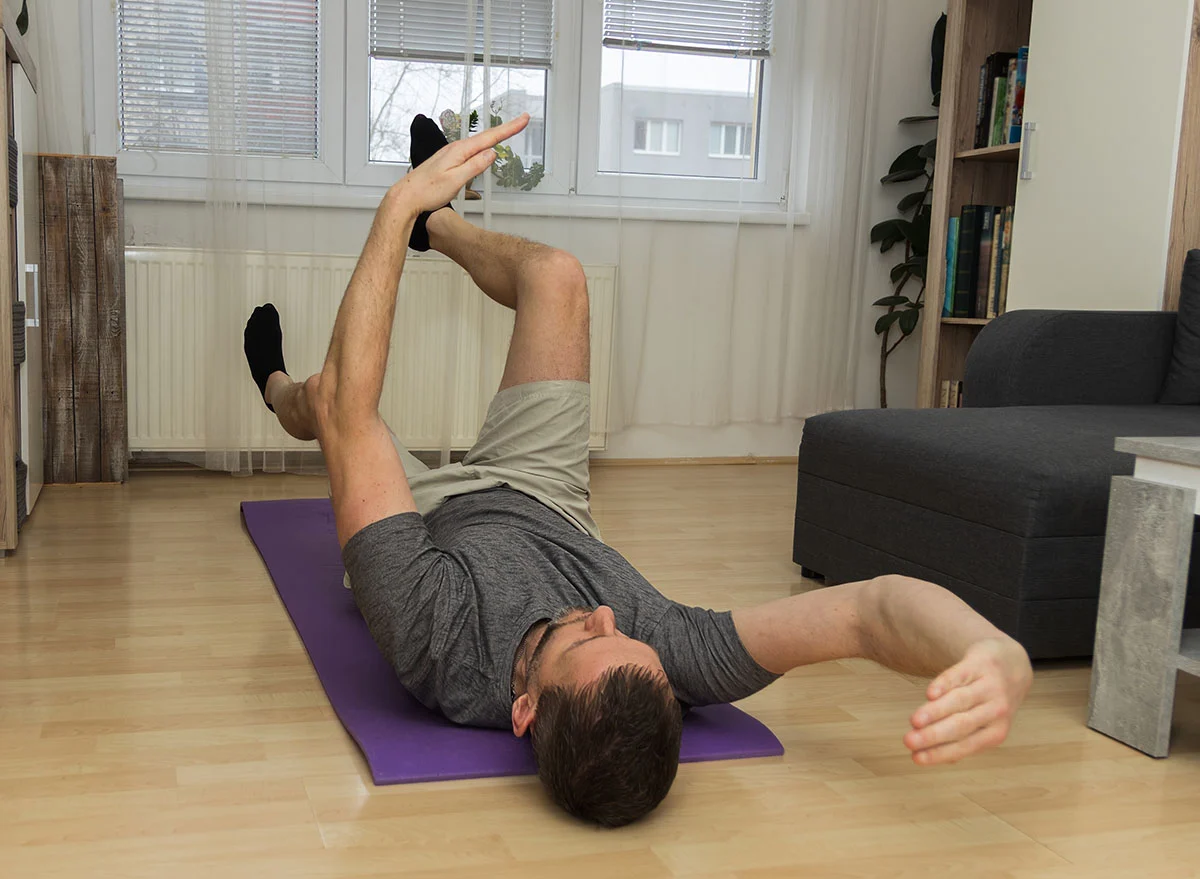
For decades, the fitness industry has centered on the "static hold"—the plank—as the gold standard for abdominal strength. While the plank remains a foundational movement, many adults over the age of 55 find that long-duration isometric holds often lead to shoulder fatigue and lower-back discomfort long before the core muscles have been effectively stimulated.
As we age, the philosophy of core training must shift from "how long can I hold this?" to "how well can I control this?" Modern physical therapy and exercise science suggest that the true function of the midsection is to act as a stabilizing bridge between the upper and lower body. To maintain independence, posture, and back health, we need a core that is responsive, dynamic, and resilient.
The Core Philosophy: Why Movement Beats Stillness
The core is not merely the "six-pack" muscles seen in fitness magazines. It is a complex cylinder of muscles—including the rectus abdominis, obliques, transverse abdominis, and the multifidus—that protects the spine. Research published in the National Institutes of Health (NIH) database confirms that core training after 55 works best when the movements are simple, repeatable, and functional.
When you hold a static plank for two minutes, you are training endurance, but you are not necessarily training the core to handle the forces of daily life, such as carrying groceries, reaching for a high shelf, or pivoting to catch a balance slip. By incorporating movement into your core routine, you teach your abs to stay engaged while your limbs are in motion. This "dynamic stability" is the secret to a stronger, more supportive trunk.
Chronology of a Smarter Routine
To build a sustainable habit, consistency is more important than intensity. This five-move protocol is designed to be performed three to five times per week.
Phase 1: The Foundation (Weeks 1–2)
Begin with two rounds of each exercise. Focus exclusively on form. If you feel your lower back arching, you have exceeded your current capacity. Regress the movement—shorten the range of motion—until you can perform the exercise with perfect, pain-free execution.
Phase 2: The Consolidation (Weeks 3–6)
Once the movements feel fluid, focus on increasing your "time under tension." Instead of rushing to add more repetitions, slow down the eccentric (lowering) phase of each move. Add a third round to your circuit.
Phase 3: The Maintenance (Week 7 and beyond)
Integrate these movements into your broader lifestyle. Because these exercises require no equipment, they are the ideal "travel routine." By now, you should notice improved posture and a greater sense of "tightness" in your midsection during walking or standing.
The Five Essential Bodyweight Movements
1. The Alternating Dead Bug
The Dead Bug is the antithesis of the "crunch." It is a masterclass in spinal protection. By keeping your lower back pressed firmly against the floor, you force your deep core muscles to stabilize the pelvis while your limbs move independently.
- The Science: This exercise eliminates the neck strain common with sit-ups.
- Pro-Tip: If your lower back starts to peel off the floor, simply reduce the distance your legs and arms travel.
2. The Reverse Crunch
While traditional crunches can put excessive pressure on the lumbar discs, the reverse crunch shifts the focus to the lower abdominals by curling the pelvis toward the ribcage.
- The Science: It creates a targeted contraction without the "swinging" momentum that often makes abdominal work ineffective.
- Pro-Tip: Think of pulling your belly button toward your spine rather than kicking your feet toward the ceiling.
3. Flutter Kicks
Flutter kicks introduce the element of endurance. By keeping your legs in constant, small-range motion, you challenge the core to maintain tension over time, which is essential for walking and jogging mechanics.
- The Science: This builds the "stiffness" in the core required to prevent lower back pain during aerobic activities.
- Pro-Tip: Keep the kicks small. Large, sweeping kicks often shift the load to the hip flexors rather than the abdominals.
4. Bear Hold with Shoulder Taps
Moving from the back to the floor changes the gravitational demand on your core. The "Bear" position mimics a crawling posture, which is one of the most natural, primal positions for human stability.
- The Science: This forces the obliques to fire to prevent the hips from rotating when you lift one hand to tap the opposite shoulder.
- Pro-Tip: Imagine a glass of water on your lower back. Your goal is to move your hands without spilling a drop.
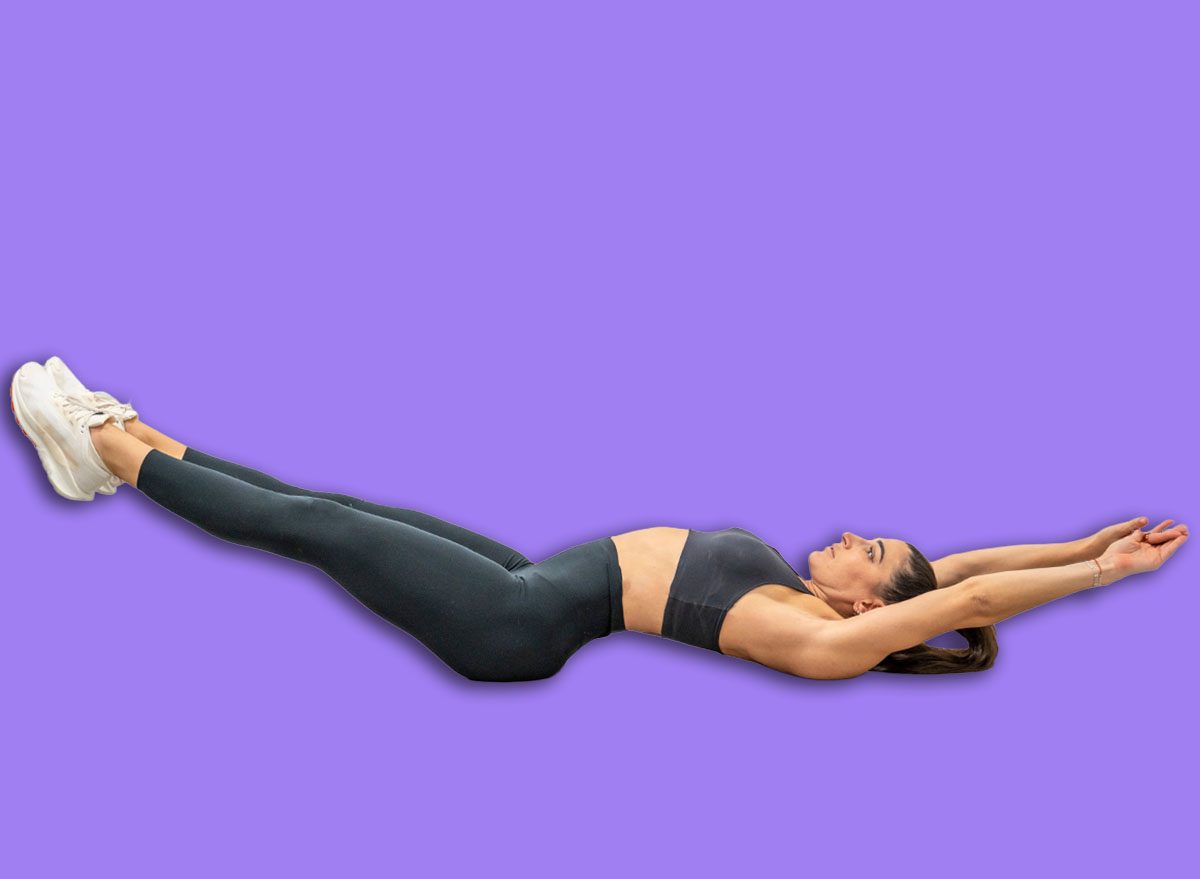
5. The Hollow Hold
The ultimate "finisher," the hollow hold teaches you how to create total-body tension. By pressing the small of your back into the floor and extending your limbs, you are engaging every muscle in the front of your core.
- The Science: This is a high-demand, low-impact move that yields massive results for core rigidity.
- Pro-Tip: If you cannot hold the position with straight legs, bend your knees to a 90-degree angle to reduce the lever length until you gain the necessary strength.
Supporting Data: Why "Less" is "More"
A study in the Journal of Strength and Conditioning highlights that individuals over 55 see the greatest improvement in core-related back pain when they prioritize motor control over sheer volume. Older adults are at a higher risk for spinal disc compression; therefore, exercises that encourage a neutral, supported spine—like the Dead Bug and Bear Hold—outperform high-repetition sit-ups in clinical settings.
Furthermore, the integration of these moves into a 15-minute daily window has been shown to improve "functional reach"—the ability to lean forward without losing balance. This is a primary metric for preventing falls, which is the leading cause of injury in the 55+ demographic.
Implications for Longevity
The implications of this routine extend far beyond a toned midsection. A strong core is a protective mechanism for the entire skeletal system. By training the muscles that wrap around your spine, you are essentially creating an internal "weightlifting belt" that you wear 24/7.
When you strengthen the core through these five movements, you are:
- Reducing Lower Back Load: Properly engaged abs take the pressure off the vertebrae.
- Improving Gait Mechanics: A stable trunk allows for a more efficient stride, reducing hip and knee strain.
- Enhancing Daily Autonomy: Simple tasks like putting on shoes, gardening, or lifting light objects become significantly less taxing.
Professional Guidance and Final Recommendations
While these exercises are safe for most healthy adults, they should be performed with mindfulness. If you have a history of hernia, severe disc herniation, or chronic hypertension, consult with a physical therapist or physician before beginning a new regimen.
The Golden Rules of Execution:
- Breathe: Never hold your breath. Exhale during the "effort" phase of the movement.
- Consistency over Intensity: It is better to do 10 minutes, five days a week, than 60 minutes once a week.
- Listen to the Spine: If you feel pain in your lower back, stop. It is a sign that your deep core is fatigued, and your spine is compensating.
Building a core that lasts is a marathon, not a sprint. By moving away from the static, punishing planks of the past and embracing these dynamic, controlled movements, you are investing in a future of movement, balance, and freedom from pain. Your body is capable of change at any age—all it requires is the right stimulus and the patience to progress correctly.
