

TOPEKA, KS – In a move that has sent ripples through the agricultural and mechanical sectors, a landmark antitrust settlement between the Federal Trade Commission (FTC) and agricultural giant John Deere has provided a significant tailwind for the "Right to Repair" movement. For Kansas small business owners, the settlement is not merely a legal footnote; it is a catalyst for legislative action that could reshape how independent repair shops operate across the Sunflower State.
Dan Murray, the Kansas State Director for the National Federation of Independent Business (NFIB), has characterized the development as a watershed moment. As the organization pivots to address the inequities faced by independent technicians, the focus has shifted toward mandating that manufacturers open their proprietary data and diagnostic tools to the public.
The Core Conflict: Why Access Matters
At the heart of the "Right to Repair" debate is a fundamental question of ownership: When a business or farmer purchases a piece of heavy machinery, do they truly own it, or are they merely licensing the use of hardware that remains tethered to the manufacturer’s digital ecosystem?
For years, manufacturers have implemented software locks that prevent third-party mechanics from performing even routine repairs. By restricting access to diagnostic software, companies like John Deere have historically funneled repair work toward authorized dealer networks. While manufacturers cite safety and intellectual property protections, independent business owners argue that these policies create artificial monopolies, inflate costs, and force unnecessary downtime for those whose livelihoods depend on functional equipment.
The FTC’s recent enforcement action against John Deere serves as a validation of the claims long held by the NFIB and other small business advocates: that repair restrictions are not just a matter of company policy, but a form of anti-competitive behavior that harms the broader economy.
Chronology of the Right to Repair Movement
The struggle for repair autonomy did not emerge in a vacuum. It is the culmination of nearly a decade of grassroots advocacy and legal maneuvering.
- 2016–2018: The early stages of the movement gained traction as farmers began utilizing pirated software to circumvent digital locks on tractors. This period highlighted the growing tension between modern agricultural efficiency and the restrictive nature of "smart" machinery.
- 2021: The FTC issued a scathing report titled Nixing the Fix, which concluded that there was scant evidence to support manufacturers’ justifications for limiting repair access. This report became the foundational text for legislative efforts across the United States.
- 2023–2025: Several states began introducing "Fair Repair" bills. Kansas, as a powerhouse of the agricultural industry, found itself at the epicenter of the debate. Advocacy groups argued that the state’s rural economy was being stifled by excessive service fees and long wait times for repairs.
- July 2026: The FTC reached a formal settlement with John Deere, mandating the company provide independent shops with access to diagnostic software and tools. This development has provided the necessary leverage for advocates like the NFIB to push for state-level statutes that codify these rights into law.
Supporting Data: The Economic Toll on Small Business
The economic implications of current repair restrictions are profound. Independent repair shops serve as the backbone of rural communities, providing quick, cost-effective services that keep local businesses running. However, without access to "Level 3" diagnostic software—which allows mechanics to clear error codes and calibrate sensors—these shops are effectively paralyzed.
Recent industry surveys indicate that:

- Cost Inflation: Small businesses that are forced to rely exclusively on authorized dealerships report repair costs 20% to 40% higher than those utilizing independent service providers.
- Productivity Loss: During peak harvest seasons, the time required to transport machinery to a distant dealership—or wait for a technician to travel to the site—can result in thousands of dollars in lost productivity per day.
- Market Stagnation: The barriers to entry for new, independent repair businesses have risen, as the initial capital investment in proprietary tools is often prohibitively expensive for small startups, effectively discouraging competition.
For a state like Kansas, where agriculture is a primary economic driver, these figures are not just statistics; they represent a direct threat to the financial viability of family-owned farms and small mechanical service firms.
Official Responses and the Path Forward
Dan Murray of the NFIB has been vocal about the necessity of turning the FTC’s victory into a permanent legislative reality in Kansas. "This settlement is a huge win for farmers, independent repair shops, and all small businesses who rely on John Deere products in some aspect of their business," Murray stated. "Now, we have the chance to build on this incredible momentum and bring the same access to independent auto and electronic repair shops."
The NFIB is currently working with Kansas lawmakers to draft legislation that mirrors the success seen in other states. The goal is to move beyond a single-company settlement and create a comprehensive framework that forces all manufacturers to provide "fair, reasonable, and non-discriminatory" access to the tools needed to fix modern machinery.
Legislators in Topeka have begun to take notice. While the pushback from large manufacturing lobbies remains strong, the bipartisan support for small business interests provides a path forward. The argument is increasingly framed as a "free-market" issue: a true market requires that the consumer, not the manufacturer, has the final say on how a product is maintained.
Implications: A New Era of Mechanical Autonomy
The implications of this shift extend far beyond the tractor repair shop. If the "Right to Repair" becomes standard in Kansas, it could set a precedent for:
1. Consumer Electronics and Vehicles
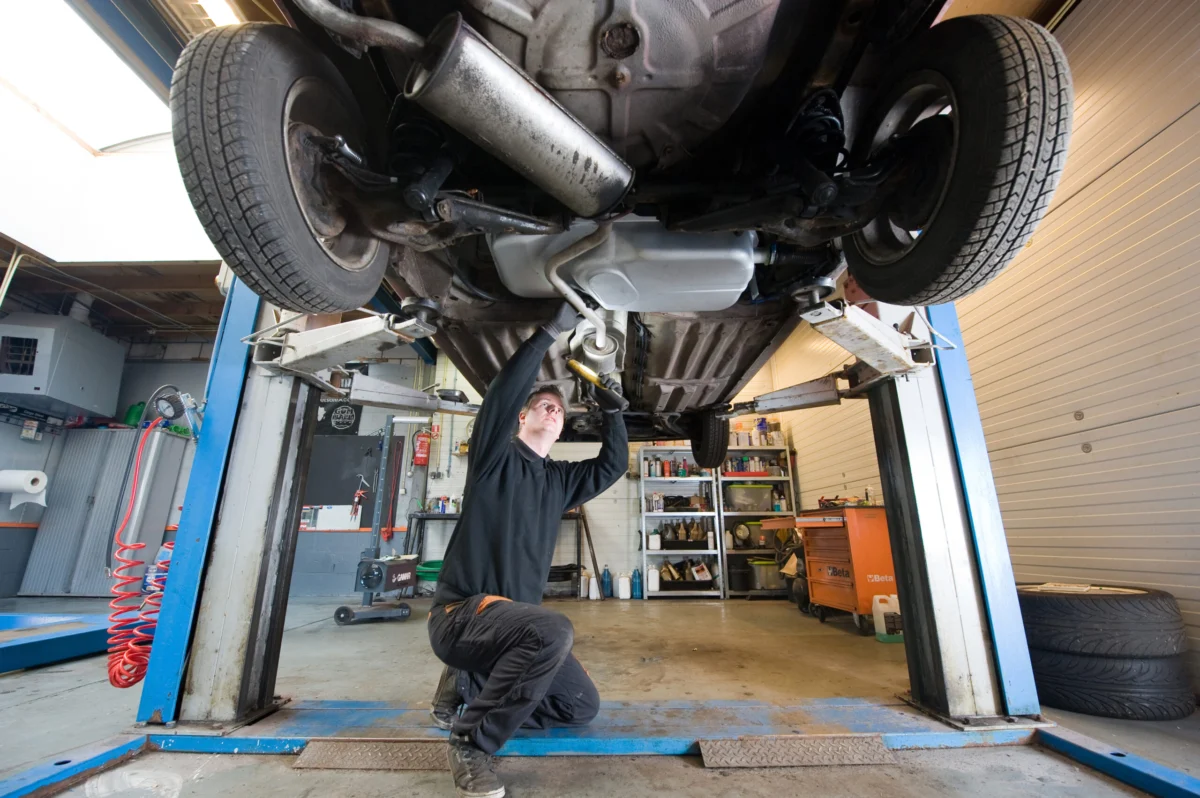
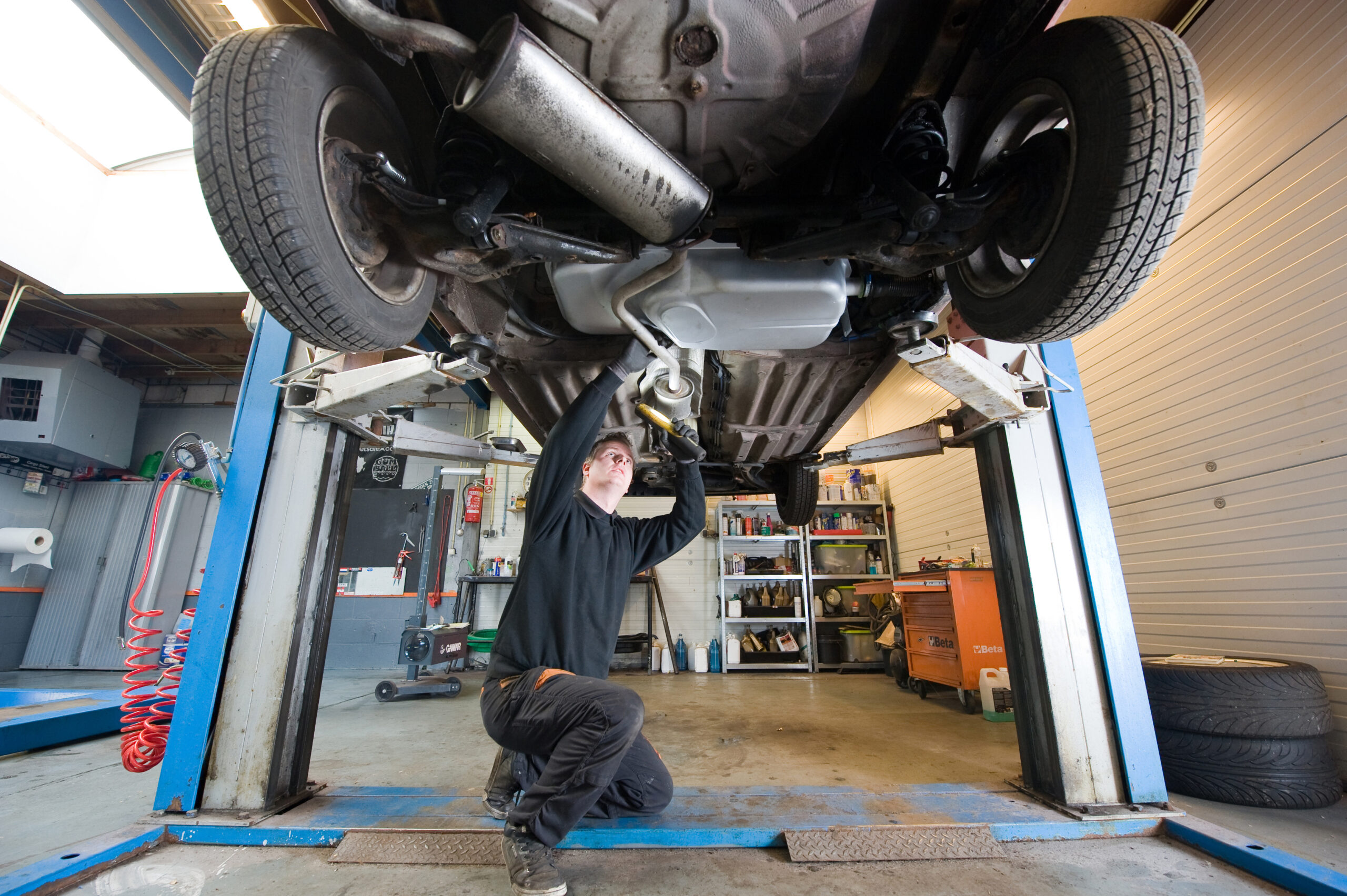
The logic applied to farm equipment is equally applicable to the automotive and technology sectors. As cars become more computerized and household appliances become "smarter," the risk of monopolistic repair practices increases. A victory for farmers is a victory for every independent mechanic and small IT business owner.
2. Environmental Sustainability
Restricting repairs often leads to "planned obsolescence." When a device is difficult or impossible to repair, it is more likely to be discarded and replaced, contributing to the growing crisis of electronic and industrial waste. By making repair more accessible, the state is effectively promoting a more sustainable, circular economy.
3. Strengthening Rural Infrastructure
By empowering local, independent repair shops, the state is essentially investing in its own infrastructure. These shops are locally owned, pay local taxes, and keep capital circulating within the community. When these businesses are allowed to compete on a level playing field, the entire rural economic ecosystem becomes more resilient.
Conclusion: The Road Ahead
The John Deere settlement is a landmark victory, but it is not the final word. For Kansas small business owners, the real work lies in the upcoming legislative sessions. The momentum is clearly in their favor, but the legislative process is notoriously slow.
As the NFIB and other advocacy groups continue their work, the message to Kansas lawmakers remains clear: The technology may have changed, but the fundamental right to own and maintain one’s property remains a bedrock of the American small business dream. The path forward involves clear, enforceable legislation that ensures that no manufacturer can use software as a gatekeeper to hold the Kansas economy hostage.
The "Right to Repair" is not merely about fixing a broken tractor or a malfunctioning sensor; it is about ensuring that the competitive spirit of the American entrepreneur is not curtailed by the digital walls erected by multinational corporations. As the debate moves from the courthouse to the Statehouse, the future of Kansas’s independent small businesses hangs in the balance.
