

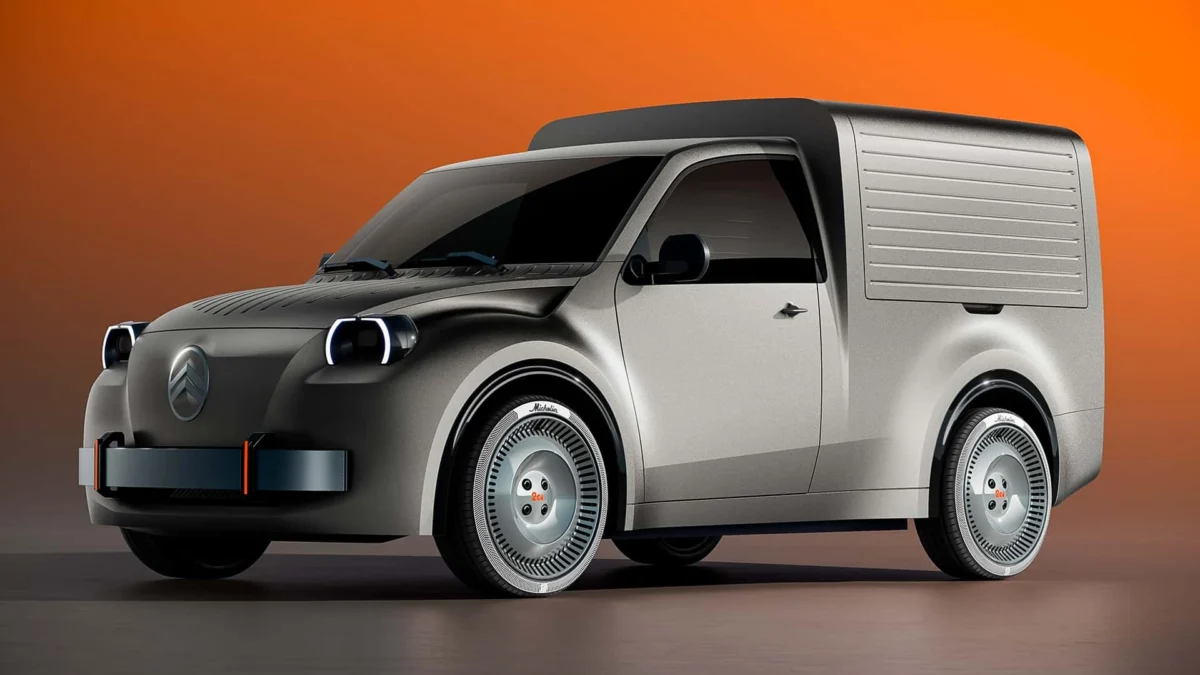
In a move that blends deep-rooted French nostalgia with the cutting-edge imperatives of the Stellantis electrification strategy, Citroën has pulled the curtain back on the 2CV Fourgonnette Concept. Unveiled at the Paris Motor Show, the vehicle serves as a companion piece to the recently announced 2CV electric passenger concept. While the automotive industry is currently dominated by aerodynamic, high-tech SUVs and aggressive crossovers, Citroën’s latest offering is a defiant, whimsical, and deeply practical nod to the utility vehicles that motorized post-war Europe.
The 2CV Fourgonnette Concept is not merely a modern aesthetic exercise; it is a profound exploration of how a legendary nameplate can be repurposed for a world that demands zero emissions but still craves character.
A Legacy Reimagined: The Evolution of an Icon
To understand the weight of the 2CV Fourgonnette Concept, one must first look at the lineage of its ancestor. The original 2CV Fourgonnette—affectionately known in France as the "Petite Fourgonnette"—was the commercial backbone of small businesses across the continent throughout the 1950s, 60s, and 70s. It was the vehicle of choice for bakers, florists, and tradespeople who needed a reliable, low-maintenance workhorse that could navigate the tight, cobblestone streets of Paris as easily as the unpaved paths of the French countryside.
The design of the new concept stays remarkably faithful to this spirit. From the front bumper to the B-pillar, the vehicle is essentially identical to the passenger-focused 2CV concept. It features the same friendly, round headlights and the distinctive, slightly bulbous bonnet that defined the original aesthetic. However, where the passenger version features a sloping roofline and rear seating, the Fourgonnette replaces the rear cabin with a high-roofed, boxy cargo area.
This design choice creates a silhouette that is instantly recognizable yet functionally distinct. It is a masterclass in modular automotive design: keeping the "face" of the brand consistent while drastically altering the utility profile of the rear.
Chronology of a Revival: From Sketch to Showroom
The road to this concept began long before the Paris Motor Show. As the automotive industry underwent a radical shift toward battery-electric vehicles (BEVs) over the past five years, Stellantis began a systematic review of its historical portfolio to identify which iconic nameplates could be successfully "electrified."
- 2023: Initial design studies for a "modern, sustainable, and affordable" 2CV begin under the leadership of Citroën’s design team.
- Early 2024: The internal "Passion Project" mandate is signed, allowing designers to pursue a commercial van variant without the immediate pressure of a production timeline.
- Late 2024 (Paris Motor Show): The public unveiling of the 2CV Electric Passenger Concept.
- Current Phase: The simultaneous reveal of the 2CV Fourgonnette Concept, intended to gauge public reaction and corporate appetite for a potential 2028/2029 release.
This progression reflects a calculated approach. By launching the passenger version first, Citroën is effectively testing the "nostalgia market." If the public response to the 2CV’s return is as robust as early projections suggest, the Fourgonnette will be positioned as a logical, utility-focused sibling.
The Technical Reality: Why Small is Sustainable
While Citroën has remained tight-lipped regarding the specific kilowatt-hour capacity of the battery or the exact output of the electric motor, the technical profile of the 2CV Fourgonnette is expected to prioritize efficiency over high-performance metrics.
In the current landscape of electric mobility, the focus has shifted toward "right-sizing" vehicles. The 2CV Fourgonnette is a prime example of this philosophy. By maintaining a compact footprint, the vehicle avoids the need for massive, heavy battery packs, which in turn reduces the overall carbon footprint of manufacturing—a key component of the European Union’s evolving environmental regulations.
Key Anticipated Specifications:
- Range: Likely to sit between 120 and 150 miles on a single charge. While this may seem low compared to high-end luxury EVs, it is more than sufficient for the "last-mile" delivery services and urban logistics for which this van is designed.
- Architecture: Expected to utilize a modular platform shared within the Stellantis family, allowing for significant cost-sharing and streamlined production lines.
- Charging: Optimized for AC urban charging, with a focus on quick turnarounds in business districts.
The decision to limit the range in favor of weight reduction and affordability is a direct nod to the original 2CV’s design philosophy: minimalism. As industry experts note, the future of urban transport is not found in 500-mile range behemoths, but in small, maneuverable, and affordable electric vehicles that can operate in dense, regulated city centers.
Official Stances and the "Soul" of the Machine
Xavier Chardon, CEO of Citroën and DS Automobiles, has been the most vocal proponent of this project. His comments during the reveal highlight a shift in how legacy automakers view their history.
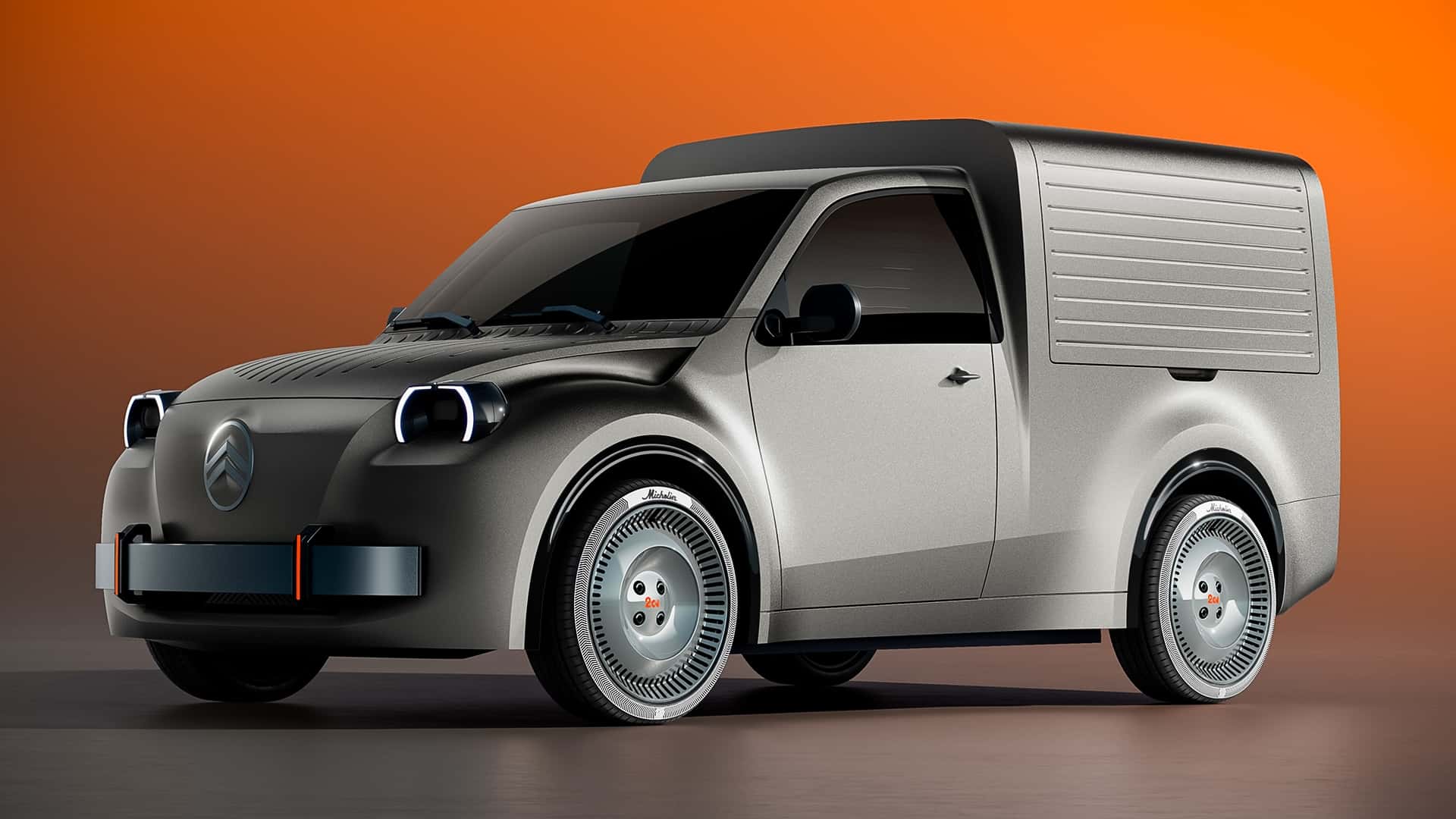
"The 2CV Fourgonnette was more than just a work tool. It was part of everyday life," Chardon stated. "Simple, ingenious, and accessible, it above all possessed something few commercial vehicles have: a soul. That is the spirit we are bringing back to life today. Because being useful should never mean being ordinary."
This sentiment is echoed by the design team, who describe the van as a "passion project." Despite the romantic language, there is a pragmatic business layer beneath. Citroën has explicitly stated that the Fourgonnette "does not preview a future production model in the short term." However, in the automotive world, such statements are often placeholders for "we are waiting to see how the market reacts."
If the 2CV passenger model hits its target price of approximately €15,000, it would effectively redefine the entry-level EV segment. A Fourgonnette version, if produced, would likely compete in the burgeoning market for electric micro-vans, a segment currently being eyed by everyone from startups to industry giants.
Implications for the Future of Urban Logistics
The implications of a production-ready 2CV Fourgonnette go far beyond nostalgia.
1. The Rise of "Fashionable" Logistics
Businesses are increasingly looking for ways to distinguish their delivery fleets. A van that looks like a modern-day 2CV offers immense brand-building potential for boutiques, bakeries, and urban service providers. The vehicle becomes a moving billboard, leveraging the goodwill associated with the original 2CV.
2. Regulatory Alignment
With many European cities planning to implement "Zero Emission Zones" (ZEZs) by the end of the decade, small, affordable electric vans will become a necessity. The 2CV Fourgonnette, with its optimized size and lower price point, is perfectly suited to meet the regulatory requirements of these zones while keeping operating costs low for small business owners.
3. The "No-Frills" EV Movement
The automotive industry is currently grappling with a "price gap" in the EV market. Most EVs are positioned as premium vehicles. By leaning into a design that is intentionally simple—devoid of complex digital clutter and oversized luxury features—Citroën is attempting to prove that electric vehicles can be the "people’s car" of the 21st century, just as the original 2CV was for the 20th.
Conclusion: A Gamble on Character
The 2CV Fourgonnette Concept is a reminder that the transition to electric power does not have to be sterile. By tapping into the emotional reservoir of the brand’s history, Citroën is attempting to make the electric transition feel less like a forced march and more like a welcome evolution.
Whether the Fourgonnette reaches the assembly line remains to be seen. Its fate is inextricably linked to the success of the passenger version of the 2CV, which is slated for a 2028 arrival. If that model succeeds in capturing the public’s imagination—and wallets—the Fourgonnette will almost certainly follow, providing a charming, practical, and highly visible solution to the challenges of modern urban logistics.
For now, it stands as a testament to the fact that while technology changes, the human need for machines with personality remains a constant. Citroën isn’t just selling a van; they are selling a piece of cultural identity, wrapped in a sustainable, modern package. As the industry moves toward a cleaner future, it is refreshing to see that one of the oldest names in the business is ensuring that "being useful" doesn’t have to mean "being ordinary."
