

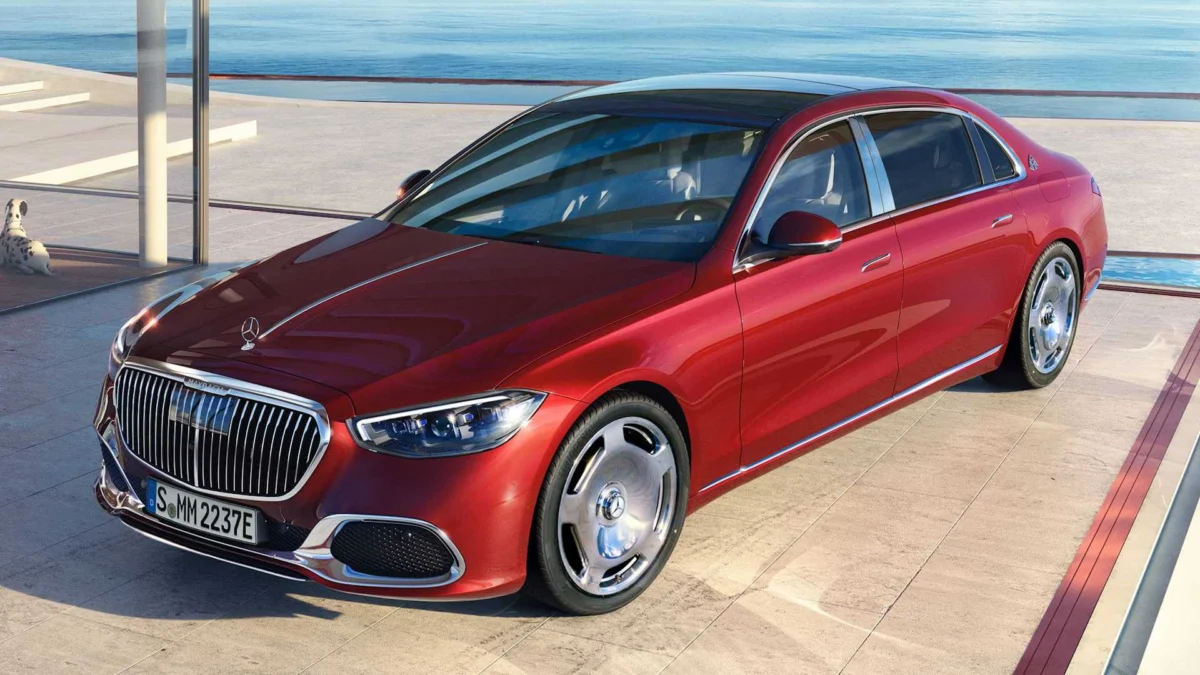
In a significant move affecting a wide swath of its flagship luxury lineup, Mercedes-Benz has announced a recall of 30,064 vehicles in the United States. The recall, which targets specific high-end sedans from the 2022 through 2025 model years, centers on a potential mechanical failure within the front brake hoses. While the automaker has reported no accidents, injuries, or property damage linked to the issue thus far, the severity of a compromised braking system has prompted a comprehensive service campaign to address the defect.
The Core Issue: Mechanical Stress and Fluid Loss
The safety recall, identified by the National Highway Traffic Safety Administration (NHTSA) under campaign number 26V638, highlights a failure mode that could compromise the stopping capability of the affected vehicles. According to engineering analysis provided to federal regulators, the front brake hoses in these models are susceptible to premature degradation.
Over time, these components are subjected to both thermal and mechanical stress during daily operation. This cycle of stress can cause the structural integrity of the hose material to weaken. If left unaddressed, the material may eventually rupture. A rupture in a brake hose leads to the rapid escape of hydraulic brake fluid. Because the vehicle’s braking system relies on pressurized fluid to engage the calipers, a significant leak directly results in a loss of hydraulic pressure.
In a real-world driving scenario, this means a driver may experience a dramatic increase in stopping distances, which poses a substantial risk to road safety. The NHTSA filing notes that drivers are unlikely to receive any advance warning before a rupture occurs. While a red brake fluid warning light may illuminate on the dashboard, it typically only activates once the system has already lost a critical amount of fluid, leaving the driver with limited time to maneuver the vehicle to safety.
Affected Models and Manufacturing Timeline
The scope of the recall is extensive, covering a variety of premium trims across the S-Class, Mercedes-Maybach, and Mercedes-AMG families. The vehicles involved were produced between February 2021 and November 28, 2024.
The distribution of the affected units underscores the popularity of the S-Class variants:
- S580 4Matic: The largest segment, totaling 16,881 units.
- S500 4Matic: 7,143 units.
- S580 e 4Matic (Plug-in Hybrid): 2,277 units.
- AMG S63 E Performance: 1,746 units.
- Maybach S680 4Matic: 1,070 units.
- Maybach S580 4Matic: 947 units.
Mercedes-Benz reports that it successfully identified the root cause of the failure and implemented a manufacturing correction in late November 2024. Consequently, any vehicles produced after November 28, 2024, feature an updated, reinforced hose design and are not subject to this recall.
A History of Escalation: The Chronology of the Recall
This recall represents an expansion of a previously smaller campaign that began in February 2025. Initially, Mercedes-Benz monitored field reports concerning brake hose performance. As additional data points and reports from the field trickled in, the manufacturer opted to widen the scope of the investigation.
By analyzing the failure rates and the specific manufacturing windows of the components, the automaker determined that the issue was not isolated to a single batch of parts but was instead a broader design or material-related concern. This proactive expansion reflects an effort to capture all potentially impacted vehicles before a serious safety incident occurs. The transition from an internal investigation to a formal, wide-reaching recall illustrates the rigorous regulatory oversight maintained by the NHTSA to ensure that luxury vehicle owners receive the same safety standards as those driving mass-market passenger cars.
The Repair Process: What Owners Need to Know
Mercedes-Benz is treating this as a high-priority service issue. Owners of the affected vehicles can expect to receive official notification letters from the manufacturer by November 27, 2026. Given the long lead time for notifications, the automaker encourages owners who suspect their vehicle might be affected—or those who have noticed changes in their brake pedal feel—to check their Vehicle Identification Number (VIN) on the official NHTSA website or via the Mercedes-Benz recall portal.

The repair protocol is straightforward but critical. Authorized Mercedes-Benz dealers are instructed to replace the front brake hoses entirely. This service will be provided free of charge to the owner. Because the procedure involves the hydraulic brake system, it is considered a specialized repair; dealers must ensure the system is properly bled of air and that all connections are torque-verified to meet factory specifications. Owners are advised to contact their preferred dealership once they receive their notification to schedule an appointment, as the replacement of parts for over 30,000 vehicles will require coordinated logistics and labor hours across the nationwide dealer network.
Broader Implications for the Automotive Industry
The recall of the S-Class and its variants highlights a recurring theme in modern automotive engineering: the delicate balance between high-performance capability and component longevity. The Mercedes-Benz S-Class, particularly the AMG and Maybach variants, is engineered for significant power and weight, placing immense physical demands on the braking system.
When high-performance components are pushed to the limit, the margins for material fatigue become thinner. This incident joins a growing list of industry-wide recalls involving brake systems, such as recent inquiries into GM’s eBoost braking and Ford’s Super Duty pedal assemblies. These recalls serve as a stark reminder that even the most prestigious engineering programs are not immune to the realities of mechanical wear and tear.
For the automotive industry, the lesson is clear: long-term durability testing must account for a wider variety of driving conditions, including extreme heat and high-stress scenarios that may not appear in short-term testing cycles. As vehicles become heavier due to electrification—a factor clearly present in the hybrid and PHEV variants of the S-Class included in this recall—the stress on traditional braking components like hoses and fluid lines only increases.
Maintaining Trust in Luxury Standards
For Mercedes-Benz, maintaining the "best or nothing" brand reputation is paramount. Handling a recall of this size with transparency and efficiency is vital for retaining customer loyalty. By acting before any reported injuries have occurred, the company is attempting to mitigate the potential for litigation and brand damage.
However, the fact that the recall involves the flagship S-Class—a vehicle that serves as the technological vanguard for the rest of the brand’s lineup—is significant. The S-Class is designed to showcase the pinnacle of Mercedes-Benz’s safety and innovation. Consequently, any defect in this model line draws heightened scrutiny from both the public and industry experts.
Conclusion and Recommendations
While the thought of a brake system failure is undoubtedly alarming to owners of these high-performance sedans, it is important to place the recall in context. There have been no reported crashes or injuries, and the solution is a proven, factory-authorized replacement of the affected parts.
If you own an S-Class, Maybach, or AMG sedan produced within the specified timeframe, the best course of action is to:
- Stay Informed: Monitor your mailbox for the official notification letter expected in late 2026, or check your VIN on the NHTSA website immediately.
- Monitor Your Vehicle: Pay attention to any changes in brake pedal "sponginess," unusual noises, or the illumination of dashboard warning lights.
- Take Action: If you experience any degradation in braking performance, contact your local authorized Mercedes-Benz service center immediately rather than waiting for the formal notification letter.
By proactively addressing the recall, owners can ensure their vehicles continue to operate with the level of safety and reliability expected of the Mercedes-Benz name. As the industry moves toward more complex electrified platforms, the importance of these rigorous safety checks becomes increasingly critical to ensuring that the future of mobility remains safe for everyone on the road.
