

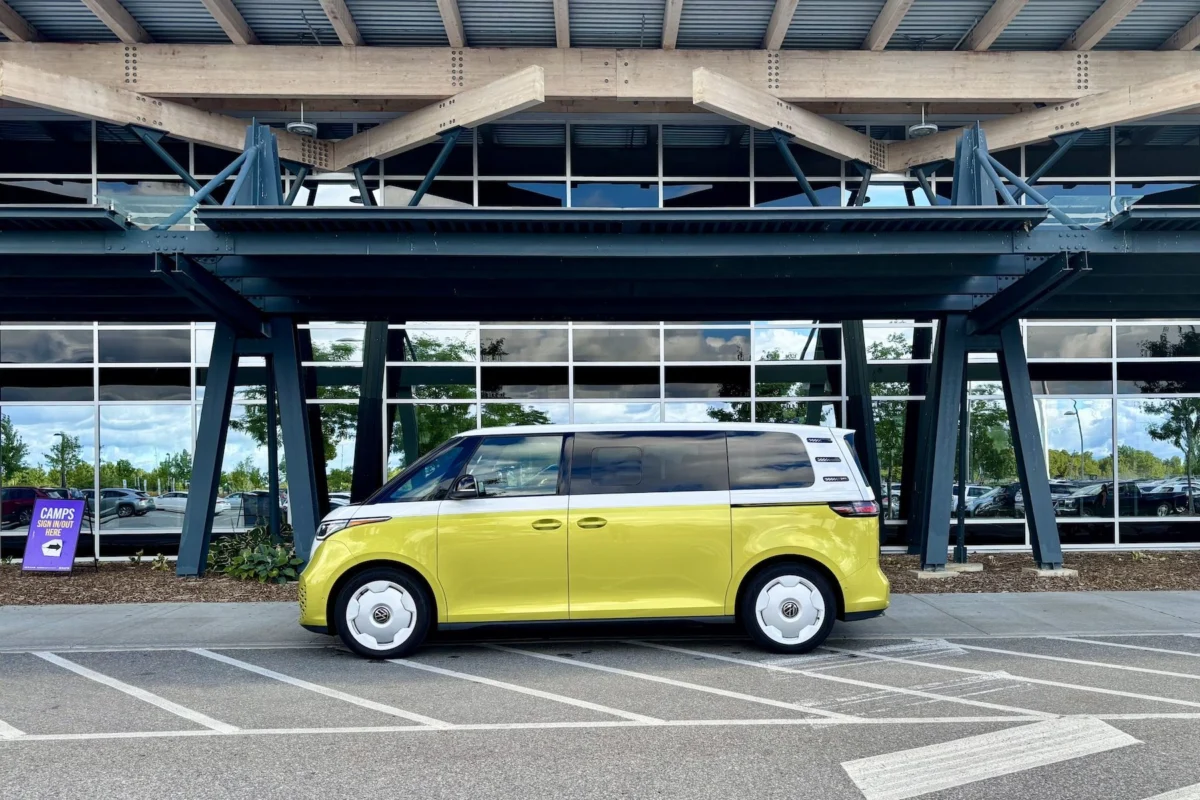
The Volkswagen ID. Buzz has undeniably captured the global automotive imagination. By blending the nostalgia of the legendary Type 2 Microbus with the cutting-edge requirements of modern electric mobility, Volkswagen has managed to create a vehicle that is as much a cultural statement as it is a practical mode of transportation. However, as the initial excitement surrounding the launch of the 2025 ID. Buzz begins to settle, industry analysts and Volkswagen executives alike are already looking toward the horizon to determine the future of this electric icon.
The Foundation: Transitioning to the Scalable Systems Platform (SSP)
The most significant revelation concerning the next generation of the ID. Buzz is the confirmed transition to Volkswagen’s new Scalable Systems Platform (SSP) architecture. This shift represents a fundamental change in how the company approaches vehicle manufacturing.
The SSP architecture is designed as a modular powerhouse. Unlike previous iterations that required distinct platforms for different vehicle segments, the SSP utilizes a “common platform” strategy. By employing various standardized modules, Volkswagen can theoretically create a vast “yaffle” of variants—ranging from compact city cars and rugged crossovers to family-oriented minivans—all while sharing the same underlying electrical and structural backbone.
For the ID. Buzz, this move is transformative. The SSP architecture is engineered to support advanced software integration, faster charging cycles, and higher energy density battery packs. While the current model is a significant achievement in EV engineering, the transition to SSP suggests that the next generation will offer substantially improved range and significantly reduced charging times, addressing two of the most common consumer hesitations regarding electric vehicle ownership.
A Chronology of the ID. Buzz: From Concept to Reality
The journey of the ID. Buzz is a masterclass in modern product development, spanning nearly a decade of anticipation and iterative design.
- 2017 – The Concept: Volkswagen first unveiled the ID. Buzz concept at the North American International Auto Show in Detroit. The design language, heavily influenced by the classic T1 Microbus, received immediate and overwhelming positive feedback, signaling that there was a massive market for a modern electric revival of the brand’s most iconic shape.
- 2022 – The Global Debut: Following years of development, the production version of the ID. Buzz made its world premiere. It promised to bring the retro-futuristic aesthetic to the modern era, leveraging the MEB (Modular Electric Drive Matrix) platform.
- 2024/2025 – North American Rollout: The North American market, a region with a deep-seated historical attachment to the original bus, saw the arrival of the 2025 ID. Buzz. This launch focused on longer wheelbase configurations and, crucially, the 4Motion all-wheel-drive system, tailoring the vehicle to the specific demands of Canadian and American road conditions.
- The Future (Post-2026): With the confirmation of the SSP architecture, the focus is now shifting toward the second generation of the platform. Volkswagen is currently working to streamline production efficiency to ensure that future iterations can be brought to market faster and with more localized customization options.
Supporting Data: Understanding Market Performance
The success of a vehicle is measured by more than just its design; it is measured by its adoption rate in a competitive marketplace. According to automotive industry analyst Tim Cain, the performance of the ID. Buzz in Canada provides a fascinating case study for the luxury-electric van segment.
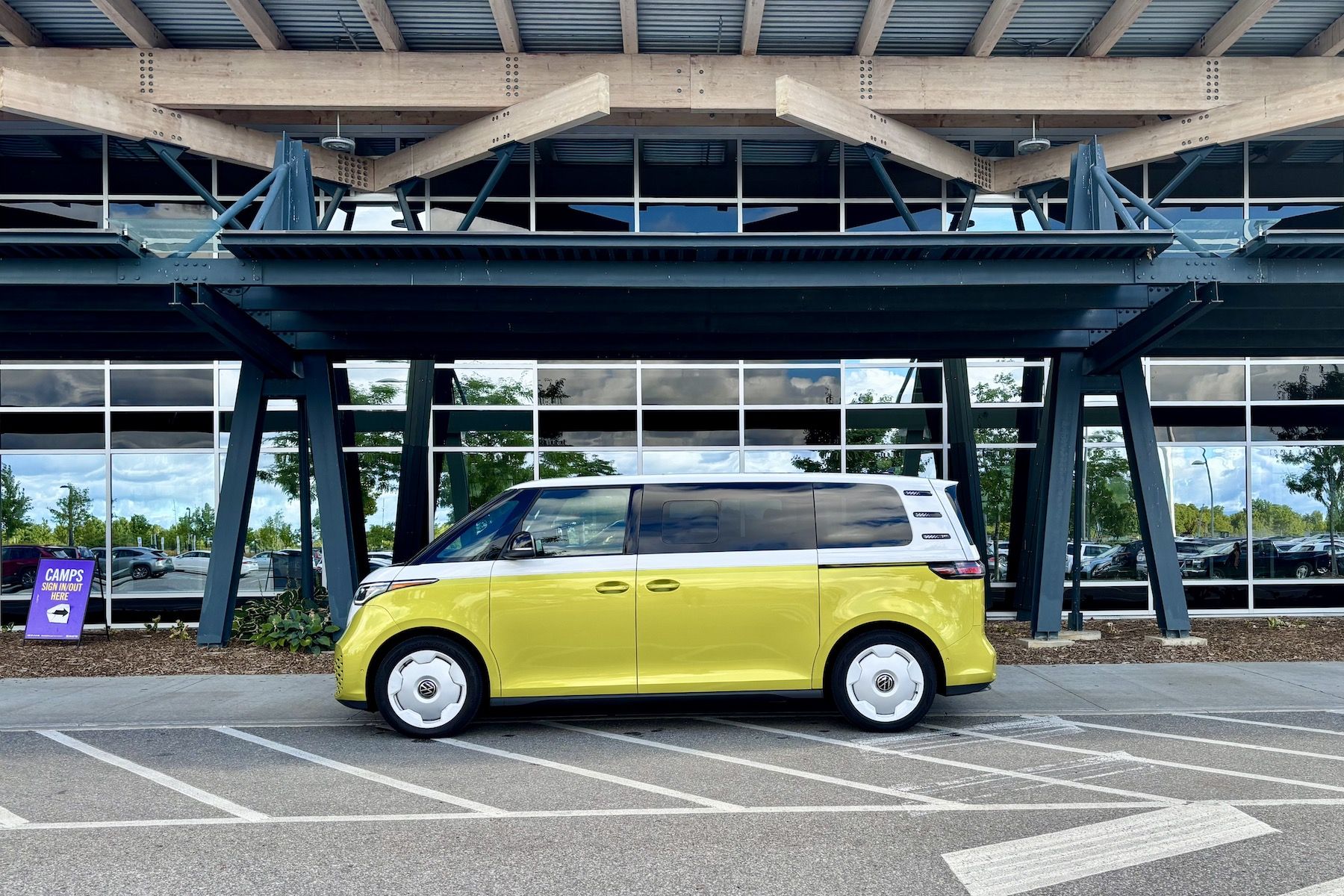
During the first half of the current calendar year, Volkswagen Canada reported the sale of 620 ID. Buzz units. While this figure might seem modest when compared to high-volume stalwarts like the Honda CR-V or Toyota RAV4, it is essential to contextualize these numbers. The ID. Buzz is a premium, niche-market vehicle that occupies a unique intersection of lifestyle branding and utility.
Sales data reveals that the ID. Buzz appeals to a demographic that values form as much as function. It is a “halo” vehicle—a product that draws customers into showrooms and enhances the brand image of Volkswagen’s entire electric lineup. However, as the market matures and the charging infrastructure improves, analysts expect this sales volume to scale upward, particularly as the vehicle becomes more accessible through subsequent model years and potential entry-level trim configurations.
Official Perspectives: Balancing Heritage and Innovation
A central challenge for Volkswagen’s design and engineering teams is the inherent tension between nostalgia and progress. Andreas Mindt, Volkswagen’s head of design, has been vocal about the company’s strategic caution regarding retro-styling.
Mindt has frequently cited the Der Neue Beetle as a cautionary tale. While the modern Beetle debuted to immense fanfare and served as a crucial bridge during a period of brand transition, it eventually struggled to evolve, leading to its eventual retirement. The fear is that relying too heavily on the "nostalgia well" can lead to stagnation.
"We are mindful of going back to a particular well one too many times," Mindt noted in recent discussions. The design philosophy moving forward, therefore, is to capture the spirit of the original Microbus—its sense of freedom, space, and community—rather than simply replicating its silhouette. The goal is for the next ID. Buzz to stand on its own merits as a technological leader, ensuring that the vehicle’s identity is not tethered solely to the past.
Implications for the Future of the Segment
The shift toward the SSP architecture and the continued development of the ID. Buzz has broader implications for the automotive industry.

1. The Rise of the Electric Lifestyle Vehicle
The ID. Buzz has effectively pioneered the "electric lifestyle" segment. By proving that consumers are willing to pay a premium for vehicles that evoke emotional responses, Volkswagen has paved the way for other manufacturers to explore similar revivals of classic nameplates.
2. Scalability and Cost Reduction
The move to the SSP architecture is a clear indication that Volkswagen is prioritizing economies of scale. By utilizing a common platform across multiple body styles, the company can drive down the cost of batteries and electronic components. This is a critical development for the democratization of electric vehicles, potentially allowing for more affordable versions of the ID. Buzz in the future.
3. Software-Defined Vehicles
The next generation of the ID. Buzz will be defined as much by its software as its hardware. With the SSP architecture, Volkswagen is placing a heavy emphasis on over-the-air (OTA) updates. This means that the vehicle you purchase today will, in theory, be more capable and efficient two years from now, effectively extending the lifecycle of the product and delaying the need for consumers to upgrade.
Conclusion: The Long Road Ahead
The 2025 Volkswagen ID. Buzz is a triumph of design and a bold step into the electric future. While the sales figures reflect a premium, niche positioning, the underlying strategy—centered on the SSP architecture—points toward a more robust and technologically advanced future for the platform.
Volkswagen’s ability to balance the weight of its heritage with the demands of the modern, software-driven automotive landscape will determine the longevity of the ID. Buzz. As the company moves away from the constraints of the MEB platform and embraces a more modular future, the ID. Buzz is poised to evolve from a retro-inspired curiosity into a cornerstone of Volkswagen’s electric portfolio.
Whether or not it achieves the long-term legs of its predecessors remains to be seen, but one thing is certain: the conversation surrounding the ID. Buzz is far from over. It is a vehicle that continues to provoke, inspire, and drive the industry forward, one charge at a time.
