

By [Your Name/Journalistic Staff]
October 15, 2026
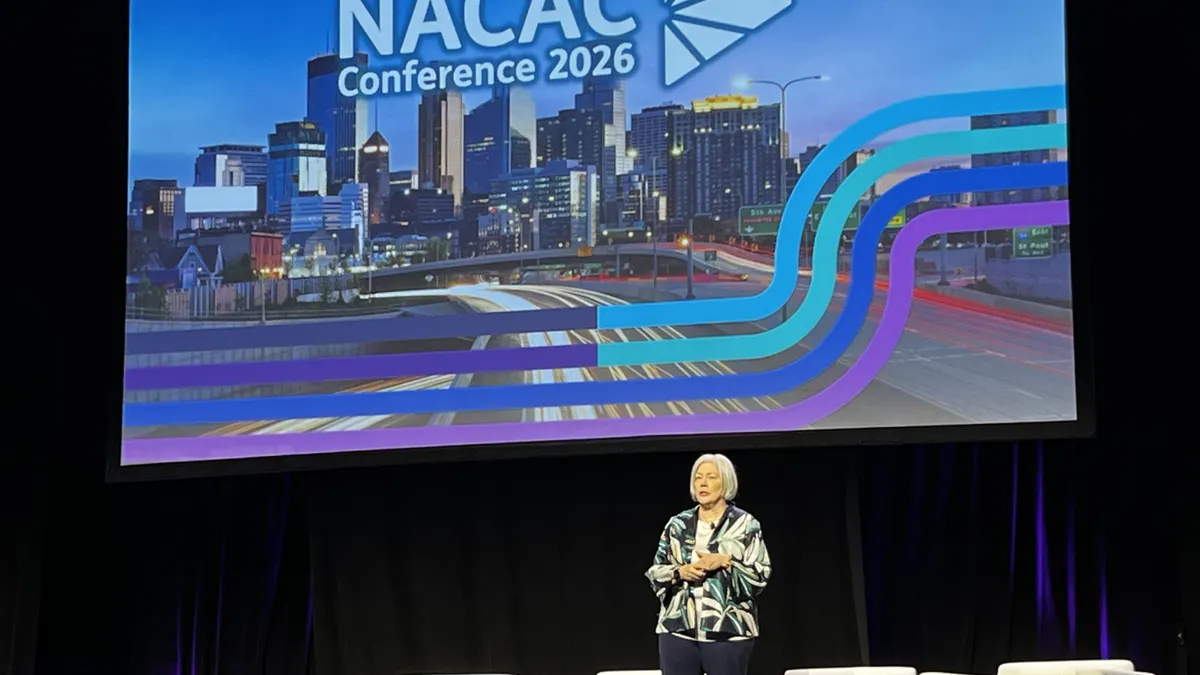
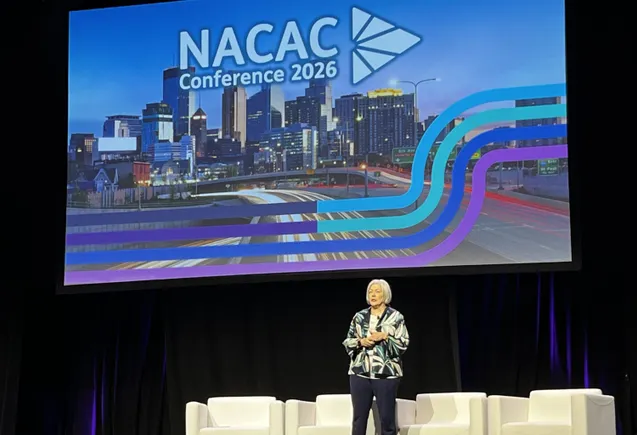
MINNEAPOLIS — The landscape of higher education admissions has undergone a seismic shift, moving from the traditional, paper-heavy processes of the early 2000s to a hyper-digital, legally complex environment in 2026. As college administrators, counselors, and enrollment managers gathered in Minneapolis last week for the annual National Association for College Admission Counseling (NACAC) conference, the mood was one of cautious urgency.
The three-day summit served as a microcosm of the challenges facing the sector: a shrinking demographic pipeline, the disruptive integration of generative artificial intelligence, and a regulatory environment increasingly hostile to legacy admissions practices. From keynote addresses by institutional leaders like George Washington University President Ellen Granberg to breakout sessions on international recruitment, the conference underscored that the "business as usual" approach to enrollment is no longer viable.
The Core Challenges: A New Era of Scrutiny
The 2026 admissions cycle arrives at a time of unprecedented pressure. Following a wave of high-profile federal investigations and shifting judicial interpretations regarding racial equity, admissions offices are operating under a microscope.
"We are no longer just evaluating candidates; we are defending the methodology of institutional access," one enrollment manager noted during a panel discussion. The primary tension lies in balancing the demand for diversity with the rigid constraints of current federal guidance. As institutions navigate the post-affirmative action landscape, they are finding that the "student pipeline"—the pool of prospective applicants—is not only changing in composition but also in its engagement with the admissions process itself.
Chronology: A Week of Discourse in Minneapolis
Day One: The Ethics of Automation
The conference opened with a sharp focus on the digital transformation of the application process. Artificial Intelligence, which was a speculative topic at the 2024 and 2025 gatherings, has now become a standard utility. The primary debate centered on the "authenticity gap": how can colleges differentiate between a student’s genuine voice and a polished, AI-generated essay?
Experts cautioned that banning AI is futile. Instead, the discourse moved toward "AI-resilient" evaluation methods. Some institutions are leaning back into proctored, short-form writing responses or increased reliance on personal interviews, effectively pivoting away from the traditional 650-word personal statement that has become the primary target for generative LLMs.
Day Two: Global Recruitment in a Volatile Climate
By the second day, the focus shifted to the international stage. Recruitment teams highlighted the volatility of federal immigration policy as a primary barrier to entry for international students. Discussions covered how universities are diversifying their recruitment efforts, moving away from over-reliance on single-country markets and toward emerging hubs in Southeast Asia and Africa.
Institutional leaders emphasized that international enrollment is no longer just about revenue; it is about maintaining a global perspective in classrooms that are increasingly isolated by domestic political friction.
Day Three: The Future of Supplemental Essays
The closing sessions addressed the administrative burden of the application itself. With the rise of "application inflation"—where students submit to 15, 20, or even 30 schools—colleges are drowning in volume. The discussion on whether to keep or nix supplemental essays was one of the most attended sessions, with experts split between the value of holistic assessment and the need for operational efficiency.
Supporting Data: Enrollment Shifts and Demographic Trends
The data presented at NACAC 2026 paints a clear picture: the "demographic cliff" is no longer a distant threat—it is the current reality.
- Application Volume: While the total number of applications remains high, the yield rate (the percentage of admitted students who actually enroll) has become increasingly unstable.
- AI Integration: A survey of attendees revealed that 68% of responding institutions now utilize AI-assisted tools for preliminary file review or to manage the influx of inquiries from prospective students.
- International Trends: Despite federal hurdles, international student enrollment has seen a 4% year-over-year increase, driven primarily by graduate-level interest in STEM fields.
The data suggests a bifurcation in the market. Highly selective institutions continue to see record-breaking applicant pools, while small-to-mid-sized private colleges are facing significant budgetary shortfalls due to declining enrollment, forcing them to become more aggressive in their marketing and financial aid strategies.

Official Responses: Institutional Leadership Perspectives
In her keynote address, George Washington University President Ellen Granberg articulated the balancing act required of modern university leaders. She argued that while technology can streamline operations, it cannot replace the human-centric mission of higher education.
"We must use tools to better understand our students, not to distance ourselves from them," Granberg noted. "The moment we lose the ability to see the individual behind the data point is the moment we fail our mandate as educators."
Other institutional leaders echoed this sentiment, emphasizing that the focus must remain on the student experience. Several university presidents also addressed the pressure from federal regulators, urging for "clarity and consistency" in how the Department of Justice and other oversight bodies interpret admissions policies, noting that vague guidelines are currently forcing institutions to be overly conservative in their diversity initiatives.
Implications: The Road Ahead
The implications of the discussions held in Minneapolis are far-reaching.
1. The Death of the "Standard" Application
The era of the "one-size-fits-all" application is effectively over. Expect to see a rise in personalized assessment tools. Colleges are likely to shift toward specific, localized assessments that are harder to replicate via AI, moving toward a "hybrid" model of digital submission and synchronous evaluation.
2. Legal Precaution as a Default Setting
Compliance is no longer a department; it is a mindset. Admissions offices will continue to expand their partnerships with legal counsel to ensure that every aspect of the recruitment and evaluation process can withstand federal scrutiny. This will likely lead to slower decision timelines for some institutions as they implement more robust vetting processes.

3. A Shift in Global Strategy
For institutions struggling with domestic enrollment declines, the international market is the only viable path to stability. We can expect to see an increase in satellite campuses, dual-degree programs, and localized recruitment offices as universities try to bypass the friction of visa policies by meeting students where they are.
4. The Human Element
Perhaps the most significant takeaway from NACAC 2026 is the persistent desire to maintain human contact. Despite the heavy focus on AI and data analytics, the most successful institutions were identified as those that still prioritized human-to-human engagement—whether through counselor outreach, virtual face-to-face sessions, or intentional transparency about the admissions process.
Conclusion
As the 2026 conference concluded, the consensus was clear: the admissions profession is undergoing its most radical transformation in decades. The tools of the trade are shifting, the legal environment is tightening, and the demographic ground is moving beneath our feet. However, the mission—to facilitate the transition of the next generation of scholars into higher education—remains as vital as ever.
The lessons of Minneapolis suggest that those who succeed in the coming years will not necessarily be the ones with the most advanced technology, but the ones who can most effectively navigate the tension between digital efficiency and the human necessity of the admissions journey. As we look toward the 2027 cycle, the industry is not just watching for trends; it is actively building a new foundation for the future of the American college experience.
