

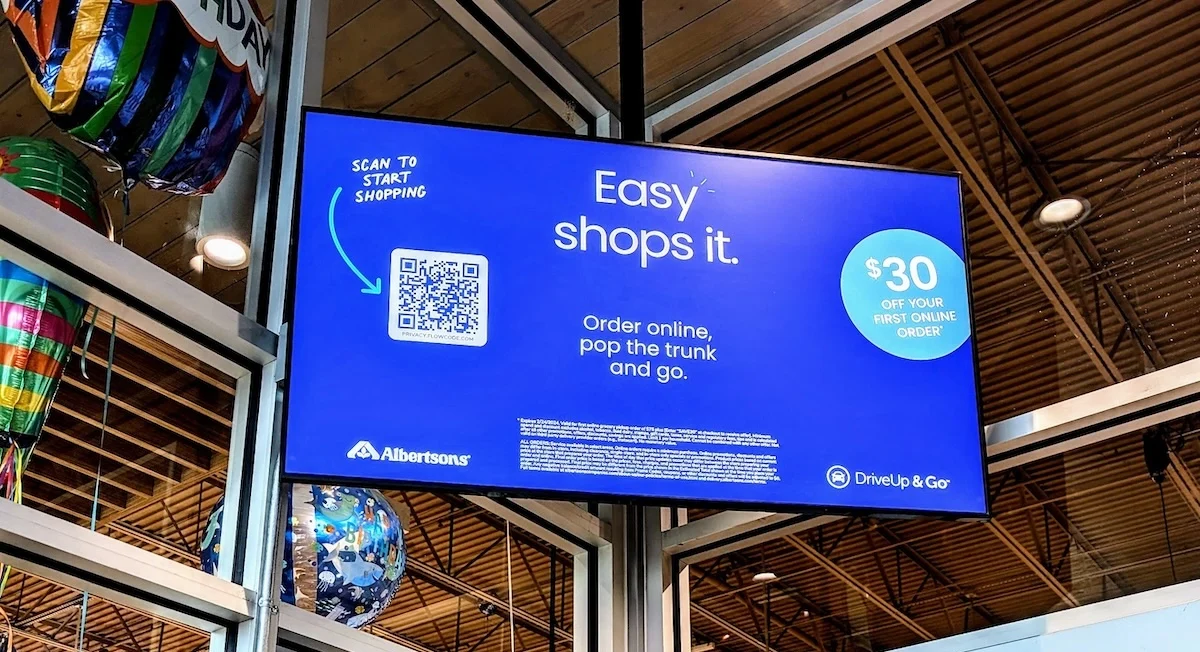
The grocery sector in 2026 has proven to be a crucible for even the most established retail giants. Buffeted by the relentless winds of inflation and a fundamental shift in consumer behavior, traditional supermarket chains are finding their once-secure foundations under siege. Among these, Albertsons—a titan with a legacy spanning decades—finds itself in the midst of a precarious existential crisis. Following a disappointing second-quarter earnings report that saw net income plummet and comparable sales shrink, the grocer is facing an urgent, albeit painful, reckoning.
The Financial Reality: A Quarter of Contraction
Albertsons’ latest fiscal performance paints a stark picture of a company struggling to find its footing. In the second quarter of 2026, the company reported a 0.8% decline in comparable sales year-over-year—a metric that typically signals stagnant growth and loss of market share. More concerning, however, was the bottom line: net income tumbled to $52 million, a precipitous drop from the $168.5 million reported in the same period a year prior.
The gravity of the situation was underscored by the company’s decision to pull its full-year financial guidance. For investors, this move is a clear signal that the executive team lacks visibility into future performance, effectively hitting the “reset” button on their outlook for the remainder of the year.
A Chronology of Conflict and Consolidation
To understand the current malaise, one must look at the recent history of the grocery giant. For years, Albertsons has operated as a sprawling, decentralized behemoth. With over 2,200 stores operating under 22 distinct banners—including regional powerhouses like Safeway, Jewel-Osco, ACME, and Tom Thumb—the company has suffered from a lack of operational cohesion.
The past 18 months have been particularly turbulent:
- 2024: The company’s planned merger with rival Kroger was formally blocked by federal regulators on antitrust grounds, leaving Albertsons to navigate a difficult, solitary path forward.
- Late 2024: Following the merger collapse, Albertsons filed suit against Kroger, alleging a failure to act in good faith to secure regulatory approval.
- Late 2025: The company initiated "ACI Edge," a comprehensive corporate restructuring effort designed to streamline management and reduce overhead.
- Fall 2026: In a bid to inject fresh strategic leadership, Albertsons appointed former eBay and Hewlett-Packard CEO Meg Whitman as executive chair.
The reorganization under ACI Edge saw the company collapse its 11 regional divisions into four simplified geographic zones—California, South, East, and West—while centralizing its “center store” merchandising. Despite these efforts, leadership remains unsatisfied with the pace of progress.
Official Responses: "Everything is on the Table"
During the Tuesday earnings call, the tone from the C-suite was notably somber. Meg Whitman, stepping into her new role as a strategic advisor to CEO Susan Morris, did not mince words regarding the company’s trajectory.
“Our performance has fallen short,” Whitman acknowledged. “Sales and earnings growth have not met our expectations.” She emphasized that the status quo is insufficient for the current competitive environment, adding, “Everything should be on the table as we figure out how Albertsons should be structured to better compete in the years ahead.”
CEO Susan Morris echoed this sentiment, noting that while the company is aggressively pursuing cost-reduction measures and working to improve product quality, the results have yet to materialize in the form of improved sales figures. When pressed on the performance of specific regional banners or the potential for divestitures, the leadership remained guarded, keeping their strategic cards close to their chests.
The Value Proposition Gap: Why Shoppers are Leaving
Analysts point to a fundamental disconnect between what Albertsons offers and what the modern, discerning consumer demands. Historically, Albertsons thrived as a “convenience-first” destination—the place a shopper stopped for a second trip after failing to find everything they needed at a primary retailer.
“They were never the sharpest price in the market,” observes Bryan Gildenberg, founder and CEO of Confluencer Commerce. “But they had good real estate and were good operators at sourcing products at a lower cost, which allowed them to maintain strong margins without needing to discount heavily.”
That model has been effectively dismantled by two factors:
- The Rise of the Omnichannel: Consumers no longer need a “second trip” to a physical store. If a primary shopping trip to a club retailer like Costco or a discount chain like Aldi misses a few items, those items are now easily procured through Amazon or Instacart.
- The Premium Value Shift: Retailers like Sprouts have successfully captured the “premium” segment with competitive pricing, while discounters like Aldi have elevated the shopping experience, offering excitement and inspiration that many Albertsons locations—often described by industry observers as “tired” or “stuck in the 1990s”—fail to match.
Neil Saunders, managing director at GlobalData Retail, suggests that the physical environment of many Albertsons stores is actively hindering growth. “In some, the shopping experience is dispiriting,” Saunders noted. “Albertsons needs to offer inspiration and excitement. Others are doing this, and Albertsons is not, so it feels behind.”
The Digital Dilemma
Albertsons has not ignored the digital shift. The company has invested heavily in e-commerce and retail media capabilities, and those efforts have seen some success, with digital sales up 11% year-over-year. However, as Gildenberg points out, the company has struggled to define its digital identity.
“They couldn’t figure out whether they wanted to be a true omnichannel operator or if they were content to simply outsource their logistics and customer interface to Instacart,” Gildenberg said. As the core business struggles, the high capital expenditure required to maintain a proprietary digital ecosystem becomes increasingly difficult to justify to shareholders.
Future Implications: The $8 Billion Question
The shadow of the failed Kroger merger looms large over every conversation regarding Albertsons’ future. Reports that the company is seeking at least $8 billion in damages from Kroger over the collapsed deal have added a layer of legal complexity to an already fraught business situation.
While a settlement could provide a significant infusion of cash, analysts warn that this should be viewed as a stopgap rather than a solution. “If Albertsons settles with Kroger, it may provide temporary relief,” says Saunders. “But that only addresses the cost side of the ledger. It doesn’t fix the store experience, the value proposition, or the brand loyalty issues. This lifeline cannot be relied upon as a savior.”
For Albertsons, the path forward likely requires a painful narrowing of focus. Whether that involves divesting its underperforming banners, undergoing a massive capital-intensive store refresh, or redefining its role in the lives of its customers, the time for incremental change has passed. As Whitman noted, the company must “move faster”—or risk becoming a relic of an era when the grocery business was defined by geography rather than innovation.
Stat of the Week
1 million: The number of robots that Amazon now has deployed in its warehouses, highlighting the widening chasm between traditional grocers and tech-integrated retail giants.
What We’ve Covered
- Albertsons’ Q2 2026 Earnings: A decline in comparable sales and a significant drop in net income.
- Leadership Pivot: Meg Whitman’s arrival and the push for a more aggressive, “everything on the table” restructuring.
- Competitive Pressures: The loss of the “secondary trip” market to e-commerce and the failure to compete with the price-to-quality ratio of rivals like Aldi and Sprouts.
- The Kroger Fallout: The ongoing $8 billion legal battle and the limited impact a settlement would have on long-term operational health.
