

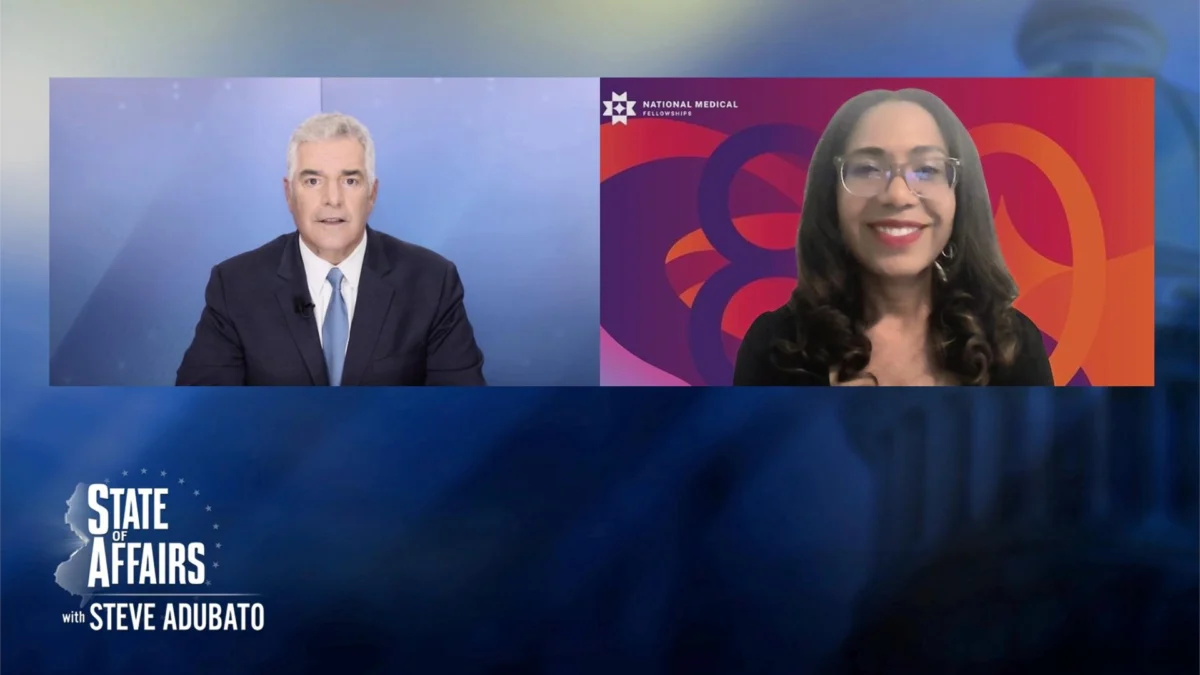
Newark, NJ – October 21, 2026 – The state of New Jersey is facing a growing crisis in its healthcare sector, characterized by a significant and worsening shortage of qualified medical professionals, particularly physicians. This critical issue, which has far-reaching implications for patient care, access to services, and the overall health and well-being of the Garden State, was the subject of an in-depth discussion hosted by Steve Adubato, a prominent figure in New Jersey’s public discourse.
In a recent segment, Adubato was joined by Michellene Davis, Esq., President & CEO of National Medical Fellowships (NMF), a leading organization dedicated to increasing the number of physicians from underrepresented backgrounds. Their conversation, which also featured a visual component through a video presentation, delved into the multifaceted nature of the healthcare workforce shortage and explored the crucial steps needed to cultivate the next generation of physicians in New Jersey.
The discussion underscored that this is not merely a statistical anomaly but a complex challenge with profound consequences for the state’s residents. From longer wait times for appointments and procedures to the potential for compromised quality of care in underserved communities, the impact of a strained healthcare workforce is palpable. The conversation aimed to illuminate the root causes of this deficit and to propose actionable strategies for addressing it.
The Looming Crisis: Unpacking the Healthcare Workforce Shortage in New Jersey
The healthcare workforce shortage in New Jersey is a multifaceted problem with deep historical roots and evolving contemporary pressures. It encompasses a deficit across various roles, including nurses, technicians, and allied health professionals, but the shortage of physicians, particularly those in primary care and specialized fields, presents a particularly acute challenge.
Several key factors contribute to this growing deficit:
- Aging Physician Population and Retirement: A significant portion of New Jersey’s current physician workforce is nearing retirement age. As experienced practitioners leave the profession, their departures create voids that are increasingly difficult to fill, especially in rural and underserved areas where recruitment is already challenging.
- Increasing Demand Driven by an Aging Population: Like many states, New Jersey is experiencing a demographic shift with a growing elderly population. This demographic trend naturally leads to an increased demand for healthcare services, placing further strain on an already stretched workforce. Chronic conditions, age-related illnesses, and the need for specialized geriatric care all contribute to this elevated demand.
- Burnout and Stress: The demanding nature of medical practice, exacerbated by administrative burdens, electronic health record complexities, and the emotional toll of patient care, has led to high rates of burnout among physicians. This burnout can drive early retirement, career changes, or reduced working hours, further diminishing the available physician pool.
- Geographic Disparities: Access to healthcare is not uniform across New Jersey. Rural and urban underserved communities often face the most significant physician shortages. These areas may struggle to attract and retain physicians due to factors such as lower reimbursement rates, limited professional opportunities, and a perceived lack of desirable amenities compared to more affluent regions.
- Specialty Imbalances: While there are shortages across the board, certain specialties are experiencing more acute deficits than others. Areas like primary care (family medicine, internal medicine, pediatrics), psychiatry, and certain surgical specialties are particularly affected. This imbalance can lead to longer wait times for critical consultations and treatments.
- Limited Residency and Training Slots: The availability of graduate medical education (GME) positions, such as residency and fellowship programs, plays a crucial role in training future physicians. If New Jersey does not have sufficient GME slots to accommodate the number of medical school graduates seeking training, it directly impacts the pipeline of physicians available to practice in the state.
- Financial Pressures: The cost of medical education is substantial, and the financial burden of student loan debt can influence physicians’ career choices. Physicians may opt for specialties or practice settings that offer higher earning potential to manage this debt, potentially exacerbating shortages in lower-reimbursement fields.
The conversation hosted by Steve Adubato, featuring Michellene Davis, Esq., provided a platform to not only acknowledge these challenges but also to begin strategizing solutions. The involvement of an organization like National Medical Fellowships highlights the importance of addressing the issue from a pipeline perspective, focusing on cultivating a diverse and robust future medical workforce.
The Future of Physician Training and Recruitment: A Strategic Imperative
The discussion emphasized that addressing New Jersey’s healthcare workforce shortage requires a forward-thinking approach focused on cultivating the next generation of physicians. This involves a multi-pronged strategy that begins early in the educational pipeline and extends through residency training and physician retention.
Nurturing the Pipeline: From Aspiring Students to Medical School
Michellene Davis, Esq., brought valuable insights from National Medical Fellowships, an organization that has been instrumental in supporting aspiring physicians from underrepresented backgrounds. Their work underscores the critical need to:
- Expand Access to Medical Education: Efforts must be made to ensure that talented students from all socioeconomic and racial backgrounds have the opportunity to pursue medical careers. This includes targeted outreach programs, mentorship initiatives, and financial aid support for pre-medical students.
- Promote STEM Education Early: Inspiring an interest in science, technology, engineering, and mathematics (STEM) from an early age is crucial for building a future healthcare workforce. Schools and communities need to collaborate to provide engaging STEM learning experiences that highlight the rewards of medical careers.
- Support Diversity in Medical Schools: A diverse physician workforce is essential for providing culturally competent and equitable care. Initiatives that encourage applications from historically underrepresented groups, coupled with supportive academic and social environments within medical schools, are vital. NMF’s commitment to this area is a testament to its importance.
Strengthening Graduate Medical Education (GME) in New Jersey
The availability and quality of residency and fellowship programs are paramount to ensuring that New Jersey has a sufficient number of trained physicians. Key considerations include:
- Increasing Residency Slots: Advocating for an increase in federal funding for GME positions, particularly in specialties facing critical shortages, is essential. New Jersey needs to work with federal agencies and hospital systems to expand training capacity within the state.
- Creating New Training Programs: Identifying areas of critical need and supporting the establishment of new residency and fellowship programs in New Jersey can help address specific specialty shortages. This may involve collaboration between academic medical centers, community hospitals, and relevant professional organizations.
- Incentivizing Primary Care Training: Programs that offer incentives, such as loan repayment assistance or stipends, for residents choosing primary care specialties can help bolster the numbers of family physicians, internists, and pediatricians.
- Leveraging Existing Strengths: New Jersey has excellent academic medical centers and hospitals. Maximizing the potential of these institutions to train physicians and retain them within the state after graduation is a strategic imperative.
Retaining Physicians: Creating a Sustainable Practice Environment
Beyond training, retaining physicians in New Jersey is equally critical. This involves creating an environment where physicians feel supported, valued, and have opportunities for professional growth.
- Addressing Burnout: Implementing strategies to combat physician burnout is paramount. This includes reducing administrative burdens, improving work-life balance, providing mental health support services, and fostering positive work environments.
- Competitive Compensation and Benefits: Ensuring that physicians in New Jersey receive competitive salaries and benefits packages, especially in underserved areas, is crucial for attracting and retaining talent.
- Professional Development and Leadership Opportunities: Providing opportunities for continuing education, research, and leadership roles within healthcare institutions can enhance physician satisfaction and commitment to the state.
- Support for Rural and Underserved Areas: Targeted incentives, such as loan forgiveness programs, housing assistance, and robust professional support networks, are needed to attract physicians to practice in rural and underserved communities.
The collaboration between media platforms like ROI-NJ, public figures like Steve Adubato, and organizations like National Medical Fellowships is vital for raising awareness and driving action on this critical issue. The visual component of the discussion, likely a video featuring the experts, serves to make these complex issues more accessible and engaging for a wider audience.
Supporting Data and Trends: The Numbers Behind the Shortage
While the provided content does not include specific statistical data, a comprehensive understanding of the healthcare workforce shortage necessitates examining relevant trends and projections. National and state-level reports consistently highlight the severity of the issue.
According to various studies and reports from organizations like the Association of American Medical Colleges (AAMC) and the New Jersey Department of Health, the projected physician shortage is significant and expected to worsen in the coming years. These reports often provide data on:
- Physician-to-Population Ratios: Comparing current physician-to-population ratios in New Jersey to national averages and historical trends can reveal areas of deficit. States with lower ratios often experience greater access challenges.
- Demographic Trends of the Physician Workforce: Data on the age, specialty distribution, and geographic distribution of physicians is crucial for understanding where shortages are most acute. The increasing average age of physicians and the concentration of specialists in urban areas are recurring themes.
- Projected Demand vs. Supply: Numerous studies project the future demand for physicians based on population growth, aging demographics, and advancements in medical technology. These projections are then compared against the anticipated supply of new physicians entering the workforce, revealing a widening gap.
- Burnout Rates and Physician Satisfaction: Surveys and studies on physician burnout provide quantitative data on the extent of this issue and its impact on workforce availability. High burnout rates correlate with a reduced willingness to practice or longer hours.
- Medical School Application and Graduation Rates: Tracking the number of applicants to medical schools and the number of graduates provides insight into the future physician pipeline. Factors influencing these numbers, such as tuition costs and the perceived attractiveness of the medical profession, are important considerations.
The visual element of the discussion, a video, likely incorporated some of these data points or at least alluded to the evidence supporting the claims made by the participants. A deeper dive into specific New Jersey-focused reports from organizations like the New Jersey Health Care Facilities Financing Authority (NJHFFA) or the New Jersey Hospital Association would provide granular data on the state’s unique challenges.
Official Responses and Industry Initiatives
Addressing a crisis of this magnitude requires coordinated efforts from government, healthcare institutions, educational bodies, and professional organizations. While the provided content doesn’t detail specific official responses, it’s reasonable to infer that various entities are engaged in addressing the healthcare workforce shortage.
Potential official responses and industry initiatives include:
- State Legislation and Policy: New Jersey lawmakers may consider legislation aimed at incentivizing physicians to practice in underserved areas, expanding medical school capacity, or supporting GME programs. This could include loan forgiveness programs, tax credits, or regulatory reforms.
- Hospital and Health System Strategies: Healthcare systems are actively engaged in recruitment and retention efforts. This includes offering competitive recruitment packages, investing in physician wellness programs, and creating more supportive work environments. They may also be expanding their own GME programs.
- Medical School and University Initiatives: New Jersey’s medical schools and universities are crucial in training future physicians. They are likely focused on curriculum development to prepare students for the evolving healthcare landscape, enhancing recruitment efforts to attract diverse students, and expanding research into workforce challenges.
- Professional Organizations: Organizations like the Medical Society of New Jersey and specialty-specific associations play a vital role in advocating for physician needs, providing professional development, and supporting policy initiatives that address workforce issues.
- Partnerships with Non-Profits: The involvement of organizations like National Medical Fellowships highlights the importance of partnerships with non-profits that focus on pipeline development, diversity, and access to medical education. These organizations often work directly with students and provide valuable mentorship and support.
The fact that this discussion is being hosted and broadcast suggests a recognition at a public and professional level that this issue requires sustained attention and collaborative action. The engagement of Michellene Davis, Esq., CEO of a national organization focused on physician diversity and access, indicates a commitment to addressing the shortage through a lens of equity and inclusion.
Broader Implications for New Jersey’s Future
The healthcare workforce shortage in New Jersey has profound and far-reaching implications that extend beyond the immediate challenges of patient access and care quality.
- Economic Impact: A robust healthcare sector is a significant economic driver. A shortage of physicians can hinder the growth of healthcare industries, impact medical tourism, and potentially lead to increased healthcare costs for businesses and individuals. Furthermore, the inability to attract and retain healthcare professionals can affect the state’s ability to attract other industries and talent.
- Public Health Outcomes: The long-term health of New Jersey’s population is directly linked to the availability of healthcare professionals. Persistent shortages can lead to delayed diagnoses, inadequate management of chronic conditions, and ultimately, poorer health outcomes for residents, particularly in vulnerable communities.
- Health Equity: The exacerbation of existing health disparities is a critical concern. Underserved communities, often already facing barriers to healthcare access, will be disproportionately affected by physician shortages. This can lead to a widening gap in health outcomes based on socioeconomic status, race, and geographic location.
- Innovation and Research: A thriving medical community, fueled by a strong physician workforce, is essential for driving medical innovation and research. Shortages can strain the capacity of academic medical centers to conduct groundbreaking research and adopt new technologies, potentially impacting New Jersey’s position as a leader in medical advancements.
- Quality of Life: Access to timely and quality healthcare is a fundamental component of the quality of life for any resident. A state grappling with significant physician shortages may see a decline in overall resident satisfaction and well-being.
The conversation between Steve Adubato and Michellene Davis, Esq., serves as a crucial call to action. It highlights the urgency of the situation and the need for a comprehensive, collaborative, and sustained effort to ensure that New Jersey has the physician workforce necessary to meet the healthcare needs of its residents today and in the future. The success of such efforts will depend on the commitment of policymakers, healthcare leaders, educational institutions, and the community at large to prioritize and invest in the health of the state’s medical professionals and, by extension, its people.
