

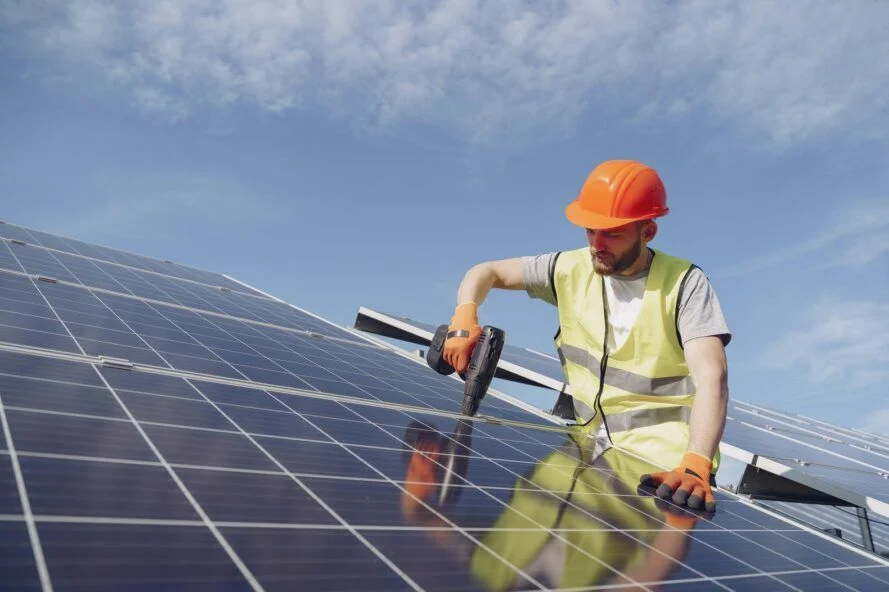
Solar energy has transcended its origins as a niche alternative technology to become a cornerstone of the global energy transition. According to the United Nations Economic Commission for Europe (UNECE), solar power currently stands as the world’s leading source of renewable energy, heralded for its ability to provide sustainable, decentralized electricity. As grid instability increases and energy costs fluctuate, homeowners and businesses alike are turning to photovoltaic (PV) systems to secure energy independence.
However, the rapid expansion of the solar market has created a "buyer beware" environment. While technological advancements have significantly improved the reliability and output of modern panels, the sheer volume of options available on digital marketplaces—such as Amazon—can be overwhelming. Investing in solar is a multi-decade commitment; choosing the wrong equipment can lead to premature degradation, safety risks, and wasted capital. This guide provides an exhaustive roadmap to selecting the right solar products for your unique needs.
Main Facts: Understanding the Investment
The core value proposition of solar energy is simple: pay upfront for decades of free electricity. A high-quality solar system can last 25 to 30 years, effectively insulating a homeowner from the volatility of utility-provided energy prices.
However, there is a fundamental truth in the solar industry: quality commands a premium. While "bargain" panels exist, they often utilize lower-grade silicon or subpar mounting materials that fail to withstand environmental stress. When selecting components, the objective is to balance the cost-per-watt with the long-term degradation rate of the panel. A system that saves you money in the short term but fails in year seven is a poor investment compared to a high-efficiency module that delivers consistent power for three decades.
Chronology of Solar Evolution
To understand why current solar technology is so effective, one must look at the industry’s trajectory:
- 1954: Bell Labs announces the invention of the first practical silicon solar cell, marking the birth of modern photovoltaics.
- 1970s–1980s: Solar technology enters the commercial market, primarily for remote applications like satellites and lighthouses, due to the high cost of production.
- 2000s: The "Efficiency Boom." The introduction of better manufacturing processes leads to the widespread adoption of monocrystalline cells, significantly dropping the cost per watt.
- 2010s: The rise of e-commerce platforms like Amazon democratizes access to solar kits, moving solar from a specialized trade-only purchase to a consumer-accessible product.
- 2020s: Smart-integrated systems and high-efficiency bifacial panels become the standard, allowing even small residential rooftops to generate significant power.
Supporting Data: Why Efficiency Matters
When evaluating solar products, you are essentially buying an "efficiency rating." Efficiency refers to how much of the sunlight hitting the panel is converted into usable electricity.

- Monocrystalline Panels: Typically boast efficiencies between 17% and 23%. They are crafted from a single crystal structure, providing a uniform, sleek appearance and superior performance in low-light conditions.
- Polycrystalline Panels: Usually fall between 15% and 17% efficiency. While they are more affordable, they require more physical space to generate the same amount of power as their monocrystalline counterparts.
Data Insight: If your roof space is limited, the "price-per-panel" is less important than the "power-per-square-foot." Opting for higher-efficiency monocrystalline panels often results in a smaller, more aesthetically pleasing, and more productive array.
Essential Criteria for Selection
Navigating a digital marketplace requires a systematic approach. Before adding equipment to your cart, ensure you have verified the following:
1. The Energy Audit
Before purchasing, calculate your monthly kilowatt-hour (kWh) usage. A solar kit that powers a shed will not suffice for a family home. Analyze your utility bills to determine your peak usage times. This will dictate whether you need a simple "grid-tied" system or a robust "off-grid" setup with battery storage (such as the popular EF EcoFlow systems).
2. Reputation and Warranty
Never purchase solar panels from unverified manufacturers. A solar warranty is only as good as the company backing it. Industry leaders like SunPower, LG, and BougeRV have established track records for honoring their 25-year performance guarantees. When browsing online, look for:
- Product Warranty: Covers manufacturing defects (typically 10–12 years).
- Performance Warranty: Guarantees the panel will produce at least 80–90% of its rated capacity after 25 years.
3. Safety and Certifications
Safety is non-negotiable. Ensure that any panel you purchase is certified by recognized bodies such as the Underwriters Laboratories (UL) or the International Electrotechnical Commission (IEC). These certifications confirm that the equipment has been tested for fire safety, wind resistance, and electrical integrity.
Official Responses and Industry Standards
Regulatory bodies and industry experts emphasize that the "DIY" aspect of solar has limitations. While buying components on Amazon is feasible, the installation—specifically the electrical tie-in to your home—should be handled or inspected by licensed professionals.

According to the National Electrical Code (NEC), improper wiring of solar arrays can lead to DC arcing and fire hazards. When you reach out to manufacturers or sellers on platforms like Amazon, look for companies that provide clear documentation and responsive customer service. If a seller cannot provide a technical datasheet or a clear warranty policy, it is a significant red flag.
Economic Implications: Incentives and Rebates
The cost of solar is rarely just the sticker price. Many governments offer:
- Federal Tax Credits: In the United States, the Investment Tax Credit (ITC) allows homeowners to deduct a significant percentage of their solar installation costs from their federal taxes.
- Net Metering: This allows you to "sell" excess energy generated by your panels back to the grid, effectively spinning your meter backward and lowering your monthly bill.
Always research local state-level incentives, as these can drastically shorten the "payback period"—the time it takes for your energy savings to cover the initial cost of the system.
The Path Forward: Final Considerations
As you prepare to make your purchase, consider the following checklist to ensure your investment is sound:
- Compatibility: If you are building a modular system, ensure your charge controller, inverter, and batteries are compatible with the voltage of your panels.
- Environment: Consider your local climate. If you live in an area with heavy snowfall or high wind, prioritize panels with reinforced frames and high-impact glass ratings.
- Customer Feedback: Use customer reviews as a qualitative filter. Look for mentions of "long-term performance" rather than just "ease of shipping."
- Customer Support: Test the manufacturer’s support line before you buy. Ask a technical question. If they are unresponsive before the sale, they will be unresponsive if you have a warranty claim later.
Conclusion
Transitioning to solar power is one of the most impactful decisions a homeowner can make for both their financial future and the health of the planet. By treating the purchase as a professional investment—prioritizing certifications, long-term warranties, and reputable manufacturing—you can ensure your system provides clean, reliable energy for decades to come.
The technology is ready, the incentives are in place, and the tools are available at your fingertips. The only remaining step is to conduct your due diligence, size your system correctly, and take the leap toward energy independence.
