

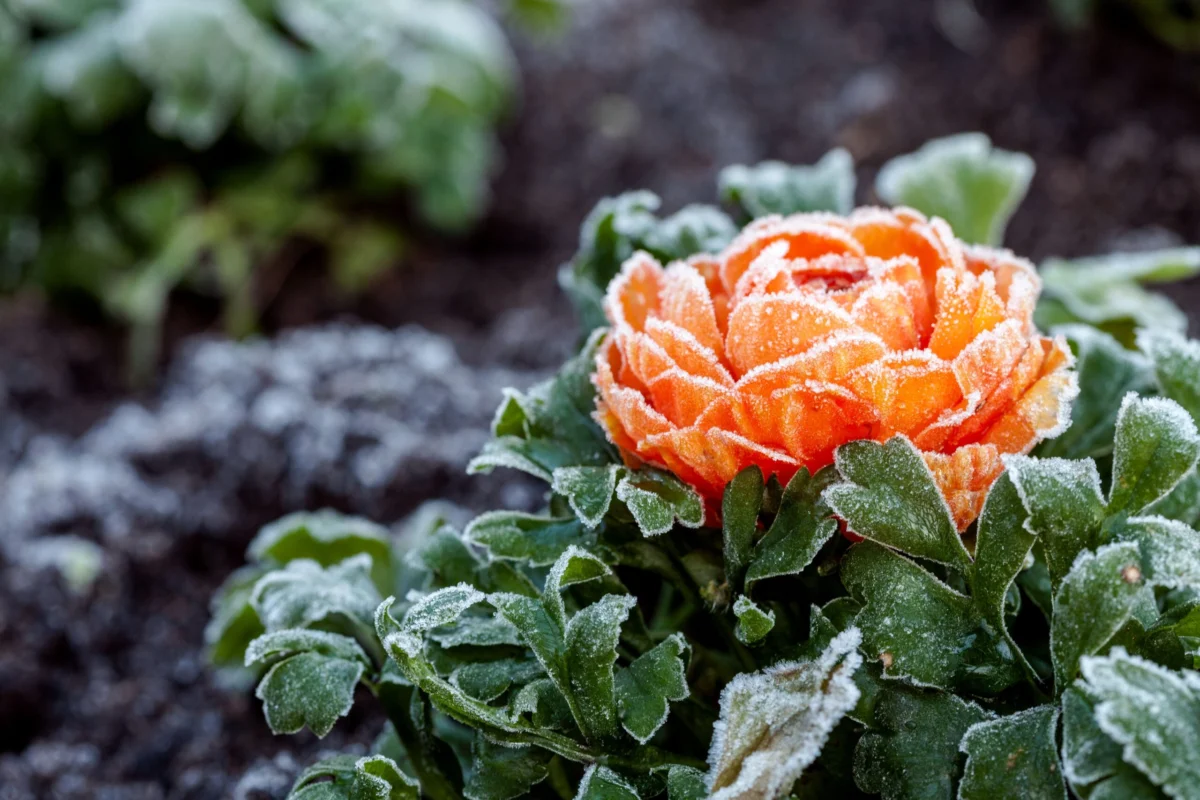
As the vibrant hues of autumn surrender to the encroaching chill, gardeners face a critical turning point. The transition from the growing season to the dormant months is not merely a time to hang up your trowel; it is a period of essential maintenance that dictates the vitality of your landscape when spring eventually returns. Preparing your outdoor space for frost, snow, and freezing temperatures is the difference between a thriving, lush garden in May and a landscape marred by dead patches and root damage.
Winterizing is a comprehensive process that goes beyond simple cleanup. It involves soil health, infrastructure protection, and the strategic defense of your most vulnerable botanical assets. By following a structured approach, you can ensure that your garden survives the winter slumber and emerges ready for a season of renewed growth.
The Foundation of Winter Care: Essential Tools and Materials
Before the first hard frost sets in, you must gather the necessary resources to protect your greenery. Having the right equipment ensures that you aren’t caught off guard when temperatures plummet.
Key items for your winter toolkit include:

- Protective Coverings: Burlap, horticultural fleece, and frost cloth are essential for shielding delicate shrubs and evergreens from desiccating winds.
- Cutting Tools: Invest in high-quality bypass pruners for delicate stems, and a sturdy lopper or pruning saw for larger, woody perennials and shrubs.
- Nutrient-Rich Amendments: A well-maintained compost pile or a supply of organic matter is vital for restoring soil health before the freeze.
- Mulch in Abundance: Perhaps the most critical component, mulch acts as an thermal blanket for the earth.
"One of the biggest things we do is mulch, and then mulch some more," says Christina Stembel, founder and CEO of Farmgirl Flowers. "We bring in what feels like an absurd amount of mulch every fall. It helps insulate roots, suppresses weeds, protects the soil through heavy precipitation, and eventually adds organic matter back into the ground."
The Professional Approach: A Strategic Chronology
Expert gardeners emphasize that the order of operations matters. If you apply mulch before clearing away diseased foliage, you are effectively sealing pathogens into your soil, leading to a host of problems in the spring.
Step 1: Initial Assessment
Before picking up a tool, walk your property. Dr. Amy Enfield, a specialist in plant and environmental sciences, suggests a thoughtful, systematic approach. "Note which plants are annuals that will not return, which are perennials you want to protect, where the soil looks tired, and which areas might benefit from a cover crop. This assessment keeps you from doing more work than necessary or missing something vital."
Step 2: The Great Cleanup
"Do not begin with applying mulch," cautions Jose Lopez, owner of Williams Landscaping Inc. "First, walk through your garden to pull up dead foliage—especially any that shows signs of disease. If you don’t clear away diseased debris, you are simply burying the problems of the previous growing season."

Crucially, any material suspected of harboring fungus or blight should be discarded in the trash, not added to your compost pile, to prevent the cycle of infection from continuing next year.
Step 3: Soil Amending
Once the raised beds are cleared, you have a window of opportunity before the ground freezes solid. Amending the soil with compost or manure in the fall allows organic matter to break down over the winter, integrating into the soil structure so it is ready to nourish new plants as soon as the frost thaws.
Step 4: Physical Protection
For marginally hardy perennials or broadleaf evergreens like rhododendrons and boxwoods, physical protection is non-negotiable. Wrapping plants in burlap provides a windbreak, protecting them from the "burn" caused by winter sun and wind. Always avoid plastic, which traps moisture and heat, creating a greenhouse effect that can lead to rot during mid-winter temperature fluctuations.
Protecting Infrastructure: Beyond the Plants
A garden is not just its plants; it is also the complex system of hoses, irrigation lines, and water features that keep it alive. Neglecting these systems can lead to catastrophic damage when water trapped in pipes freezes and expands.

The Irrigation Shutdown
- Isolate the Supply: Shut off the water source at the main connection point (usually in your basement or garage).
- Drainage: Remove all garden hoses, drain them completely, and store them in a climate-controlled area.
- Compressed Air: Use an air compressor (set to 80 PSI or lower) to blow out residual water from your sprinkler lines.
- Valve Management: Once cleared, leave external valves partially open to ensure any residual moisture has room to expand without bursting the metal or plastic fixtures.
Supporting Data: Why Winter Maintenance Matters
The biological necessity of winterization is rooted in the way plants and soil respond to temperature extremes. Frost heaving—the process where soil freezes and expands, pushing plants out of the ground—is a common threat in many climates. Mulch serves as a buffer against these rapid temperature swings, keeping the soil temperature more stable and preventing the root systems of sensitive perennials from being exposed to freezing air.
Furthermore, the choice of materials is supported by research. Breathable materials like burlap allow for air circulation, preventing the buildup of mold and fungal spores, while dense, moisture-trapping plastics are consistently discouraged by horticultural experts.
Implications for the Home Gardener
The shift toward a "do-it-yourself" winterization strategy has profound implications for the longevity of your landscape. By taking these steps, you are effectively extending the "shelf life" of your perennials and ensuring that your soil remains fertile year after year.
However, there is a nuance to the "clean-up" mentality. While removing diseased material is essential, there is a growing consensus among professional gardeners to leave certain things alone. "I’m trying to get better at not cleaning everything up just because it looks messy," Stembel notes. "There are seed heads and perennials that are better off being left alone. They feed birds and give beneficial insects places to overwinter."

Bringing the Growing Season Indoors
When the outdoors becomes inhospitable, the gardening impulse doesn’t have to vanish. The modern market for indoor growing technology has made it easier than ever to maintain a harvest year-round.
For those who crave fresh herbs or even flowers during the coldest months, hydroponic systems like the Gardyn Studio 2 or smaller countertop units like the LetPot offer a solution that bypasses the need for a traditional greenhouse. These systems automate the light, water, and nutrient cycles, allowing you to grow crops like basil, kale, or pansies right in your kitchen. This keeps the gardening spirit alive, providing a psychological boost during the gray, sunless weeks of deep winter.
Frequently Asked Questions (FAQ)
How do I make my own mulch?
Don’t bag your fallen leaves. Use a leaf shredder or a lawnmower to break them down into fine pieces. Shredded leaves are an excellent, free source of organic mulch that will decompose into nutrient-rich soil by spring.
When is the ideal time to plant spring bulbs?
Wait until the soil temperatures consistently hold between 55 and 60 degrees Fahrenheit. This usually falls about six weeks before the first hard frost. Planting in these conditions ensures the bulbs establish roots before the ground freezes, setting the stage for a burst of color when spring arrives.

Is winter rye a good addition to my garden?
Yes. If your vegetable beds are sitting bare, planting winter rye acts as a "cover crop." It prevents erosion, suppresses weeds, and its roots hold the soil structure together through the worst of the winter weather. Come spring, it can be easily cut back and turned into the soil as "green manure," adding valuable nitrogen and organic material back to the bed.
Conclusion
Winterizing your garden is a labor of love that pays dividends in the spring. By following a structured process—assessing, cleaning, amending, and protecting—you create a safe haven for your plants to endure the harsh conditions of winter. While the work may feel daunting on a cold, grey afternoon, the reward of seeing your garden awaken in spring, healthy and ready to bloom, is well worth the effort. Whether you are mulching your perennials, wrapping your evergreens, or setting up an indoor hydroponic system, every step you take in autumn is a promise to your future garden.
