

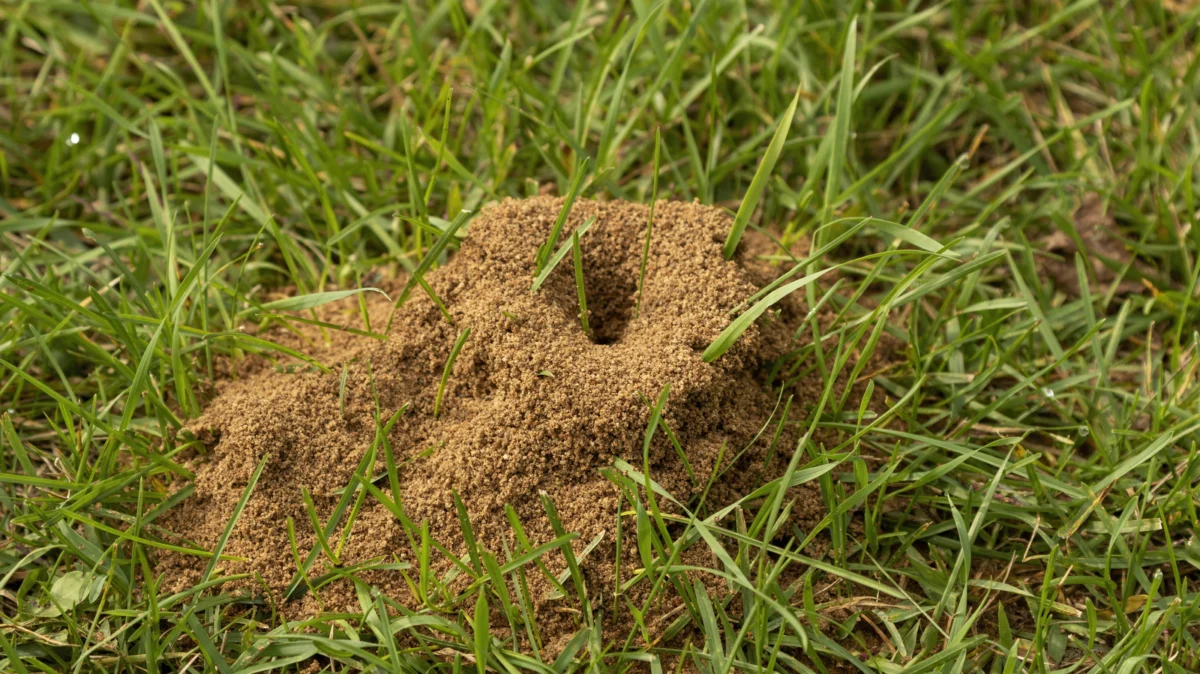
A pristine lawn is the pride of many homeowners, serving as a sanctuary for weekend relaxation, a playground for children, and a dedicated space for pets. However, the intrusion of ants—manifesting as unsightly dirt mounds and persistent trails leading toward the home—can quickly turn a backyard oasis into a site of frustration. Beyond the aesthetic blemish, large ant colonies can create uneven terrain and effectively smother grass, leading to patches of die-off that detract from your home’s curb appeal.
For many, the standard response is to reach for conventional chemical pesticides. Yet, in an era of heightened environmental awareness, more homeowners are seeking alternatives that balance efficacy with safety. If you are reluctant to introduce synthetic toxins into your ecosystem, particularly where children and pets roam, there is an increasingly popular, eco-friendly solution available at major retailers like The Home Depot: EcoSmart’s Natural Plant-Based Insect Killer Granules.
Main Facts: The Botanical Alternative
The core appeal of EcoSmart’s granular treatment lies in its departure from the harsh synthetic neurotoxins found in traditional pest control. Instead of relying on organophosphates or pyrethroids, this product leverages the natural defensive properties of essential oils.
The primary active ingredients in the formula are clove oil (2%) and thyme oil (0.6%), supplemented by wintergreen oil and a corn cob carrier. These botanicals act as a contact insecticide, specifically targeting the nervous systems of ants and other insects. The mechanism of action is fascinating: the essential oils interfere with octopamine receptors, which are unique to invertebrates. Because mammals do not possess these receptors, the product is marketed as being significantly safer for humans and household pets compared to conventional chemical alternatives.
Sold in 10-pound bags, the product is designed to treat up to 5,000 square feet, making it an accessible solution for standard residential lots. While priced competitively at roughly $30 per bag, the value proposition lies in the peace of mind it provides to families looking to mitigate environmental impact while maintaining a manicured lawn.
Chronology of Home Pest Management
The evolution of pest control has traveled a long, winding road. In the mid-20th century, the industry was dominated by heavy chemical interventions, such as DDT and chlordane, which were prized for their long-term residual effects. However, as the ecological consequences of these chemicals became clear, public sentiment shifted.
- 1970s-1990s: The rise of Integrated Pest Management (IPM) began to gain traction, emphasizing that chemical application should be a last resort rather than the primary strategy.
- Early 2000s: Consumers began demanding "green" labeling. This led to the proliferation of "minimum-risk" pesticides—products that utilize ingredients traditionally considered safe, such as peppermint, rosemary, and clove oils.
- 2020 to Present: The market has seen an explosion in the demand for botanical-based home and garden care. Products like EcoSmart have moved from niche organic boutiques to the shelves of mainstream big-box retailers, signaling a permanent shift in how average homeowners approach lawn maintenance.
Supporting Data: The Science of Plant-Based Defense
What distinguishes these granules from standard off-the-shelf options is the lack of "mysterious" chemicals. When you examine the ingredient list, you are reading a catalog of plant extracts. But how effective are they?
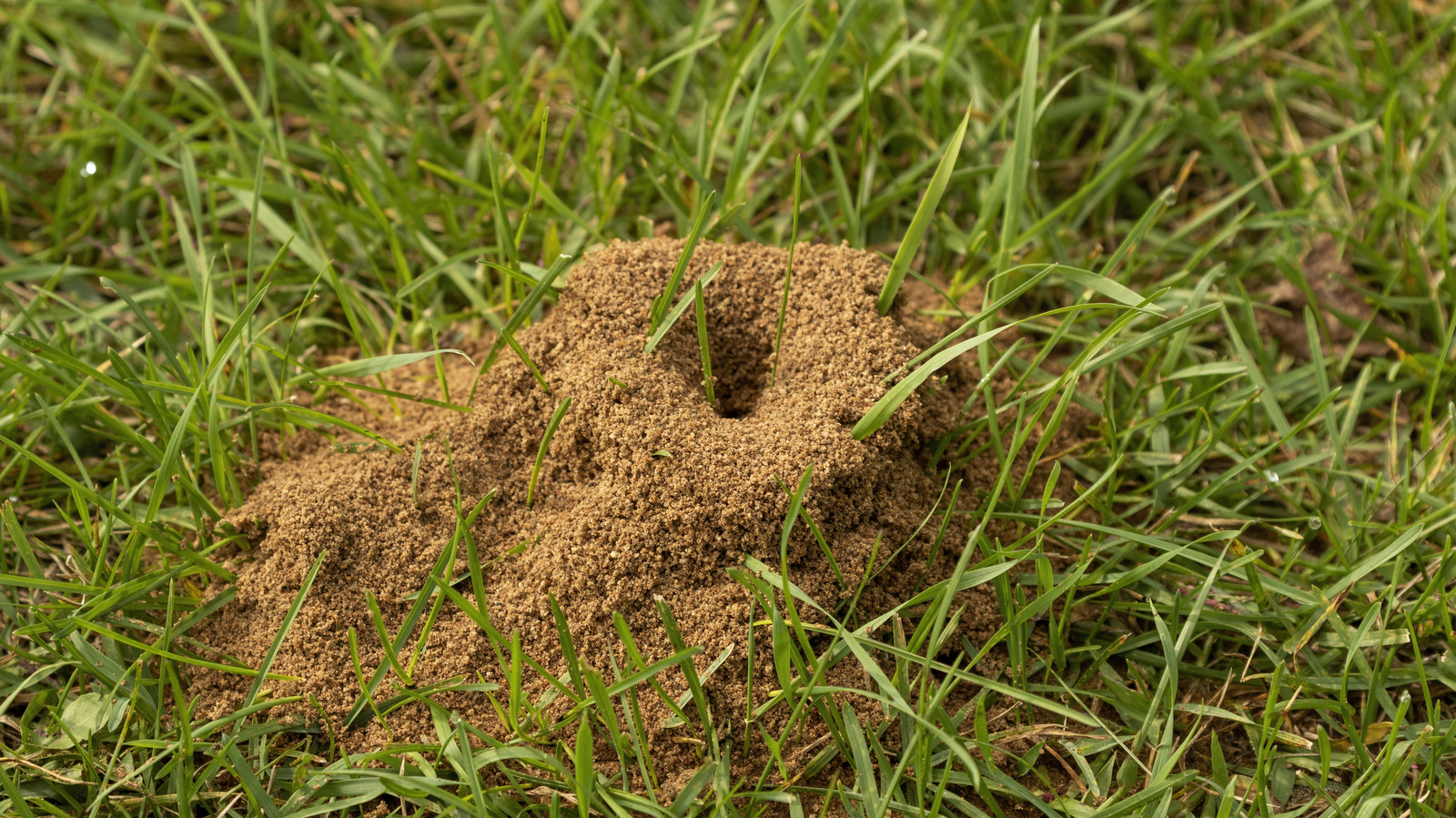
Botanical insecticides function primarily through rapid volatility and contact toxicity. The compounds in clove and thyme oils are highly effective at disrupting the insect’s ability to function. However, there is a trade-off: unlike long-lasting synthetic chemicals that may persist in the soil for months, botanical oils degrade relatively quickly when exposed to sunlight and water.
This rapid degradation is a double-edged sword. On one hand, it is excellent for soil health and ensures that your lawn does not become a chemical reservoir. On the other hand, it necessitates more frequent applications to maintain a perimeter against new colonies. For the homeowner, this means that while the product is safer, it requires a more vigilant and consistent approach to lawn care.
Official Responses and Regulatory Context
It is essential for consumers to understand the regulatory landscape regarding "minimum-risk" pesticides. The Environmental Protection Agency (EPA) maintains a specific classification for these products under the Federal Insecticide, Fungicide, and Rodenticide Act (FIFRA). Specifically, products that use certain essential oils are exempt from federal registration.
The EPA’s stance is clear: "Minimum-risk" does not equate to "non-toxic." It simply means the ingredients are on a list of substances determined to be low-risk to humans and the environment. Crucially, the EPA does not review these products for efficacy, nor does it conduct the rigorous safety testing required for synthetic pesticides. Consequently, the burden of efficacy lies with the manufacturer, and the burden of safety lies with the user.
"While these products are categorized as safer alternatives, they are still designed to kill," says Dr. Elena Vance, an entomologist specializing in urban pest management. "The safety claims made by manufacturers are contingent on the user following the label instructions precisely. Applying these products in ways not specified—such as using them indoors or failing to water them into the soil—negates the safety benefits."
Implications for the Modern Homeowner
The shift toward plant-based insect control has significant implications for how we define a "healthy" lawn. We are moving away from the idea that a lawn must be a sterile, insect-free zone and toward a model of coexistence where we manage pests without poisoning the local water table.
1. The Necessity of Application Accuracy
Because these granules rely on natural oils, they are sensitive to environmental conditions. If applied during a heatwave, the oils may evaporate before they reach the ant colonies. If applied during a heavy downpour, the granules may wash away into storm drains, losing their effectiveness. Homeowners must check the weather forecast and follow the watering instructions provided on the bag to ensure the oils penetrate the soil surface where ants reside.
2. Strategic Storage and Safety
Even though the active ingredients are plant-derived, they are not intended for human consumption or skin contact. The granules should be stored in a cool, dry place, far out of the reach of children. The "safe around pets and children" claim assumes that the product has been properly applied and incorporated into the soil. It is not an invitation to leave open bags in the garage or within the reach of curious toddlers.
3. Long-Term Lawn Health
By choosing botanical alternatives, homeowners are contributing to a healthier subterranean ecosystem. Traditional pesticides often kill beneficial organisms—such as earthworms and predatory beetles—that contribute to soil aeration and natural pest suppression. Plant-based oils are generally more selective, allowing the beneficial components of your lawn’s ecosystem to remain intact while targeting the nuisance populations.
Conclusion: A Balanced Approach
The quest for a bug-free lawn no longer requires a choice between a home that is overrun by ants and a yard saturated with synthetic chemicals. Eco-friendly options like EcoSmart’s granules represent a middle ground—a way to reclaim your outdoor space using the same defensive compounds that plants have evolved over millennia.
To successfully manage your lawn, treat the process as a routine rather than an emergency. By monitoring for ant activity, applying botanical treatments according to the package directions, and maintaining a healthy, aerated lawn, you can create an environment that is less hospitable to pests and more inviting for your family. Remember, the goal is not to eradicate every living thing in your backyard, but to manage the balance so that you can enjoy your home in comfort.
As the industry continues to innovate, we can expect even more sophisticated botanical solutions to emerge. Until then, stay informed, read the labels, and choose the path that best aligns with your family’s safety and your environmental values. With a little diligence and the right tools, you can indeed say goodbye to ants while saying hello to a greener, safer lawn.
