

In the heart of Bethesda, Maryland, where suburban density often restricts the traditional sprawling garden, one resident has redefined the parameters of horticulture. Christine, known to the gardening community as @the_blooming_deck, has successfully demonstrated that the lack of a backyard is no barrier to agricultural abundance. Through a meticulous combination of container gardening, vertical design, and a deep understanding of micro-climates, she has turned a standard two-level residential deck into a thriving, multi-layered ecosystem.
The Genesis of a High-Rise Oasis
The transformation of Christine’s outdoor space did not happen overnight; it was the result of a deliberate, multi-year evolution. What began as a modest interest in cultivating home-grown produce quickly expanded into a sophisticated, year-round retreat.
“My garden is a little oasis of beauty, food, and tranquility,” Christine explains. “It was created primarily in containers on my two-level deck. What began as a simple love of growing my own food has evolved into a welcoming outdoor retreat filled with vegetables, herbs, fruit trees, colorful flowers, and visiting wildlife.”
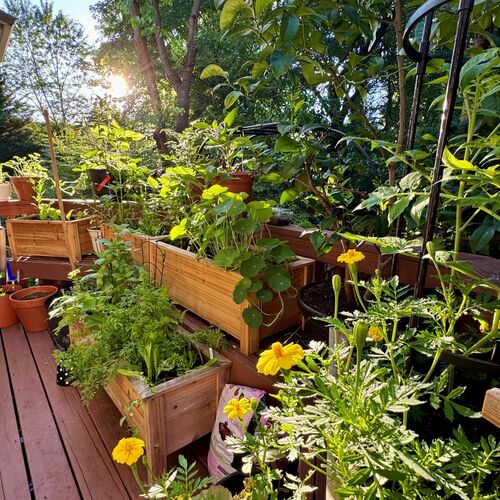
Her journey underscores a growing movement in the United States: the "urban homesteading" trend. As more Americans move into townhomes and apartments with limited soil access, the adoption of high-yield container gardening has surged. Christine’s garden serves as a case study for this movement, proving that with the right vision and tactical planning, small spaces can be just as productive as traditional garden plots.
A Chronology of Growth: From Pavement to Paradise
To understand the complexity of the "Blooming Deck," one must look at the progression of its development.
- Phase One (The Foundation): The initial focus was purely functional. Christine started with basic vegetable containers, utilizing sun-drenched areas of the deck to cultivate staples like tomatoes, peppers, and leafy greens. This period was characterized by trial and error, identifying which varieties thrived in the limited soil volume of a container versus a traditional garden bed.
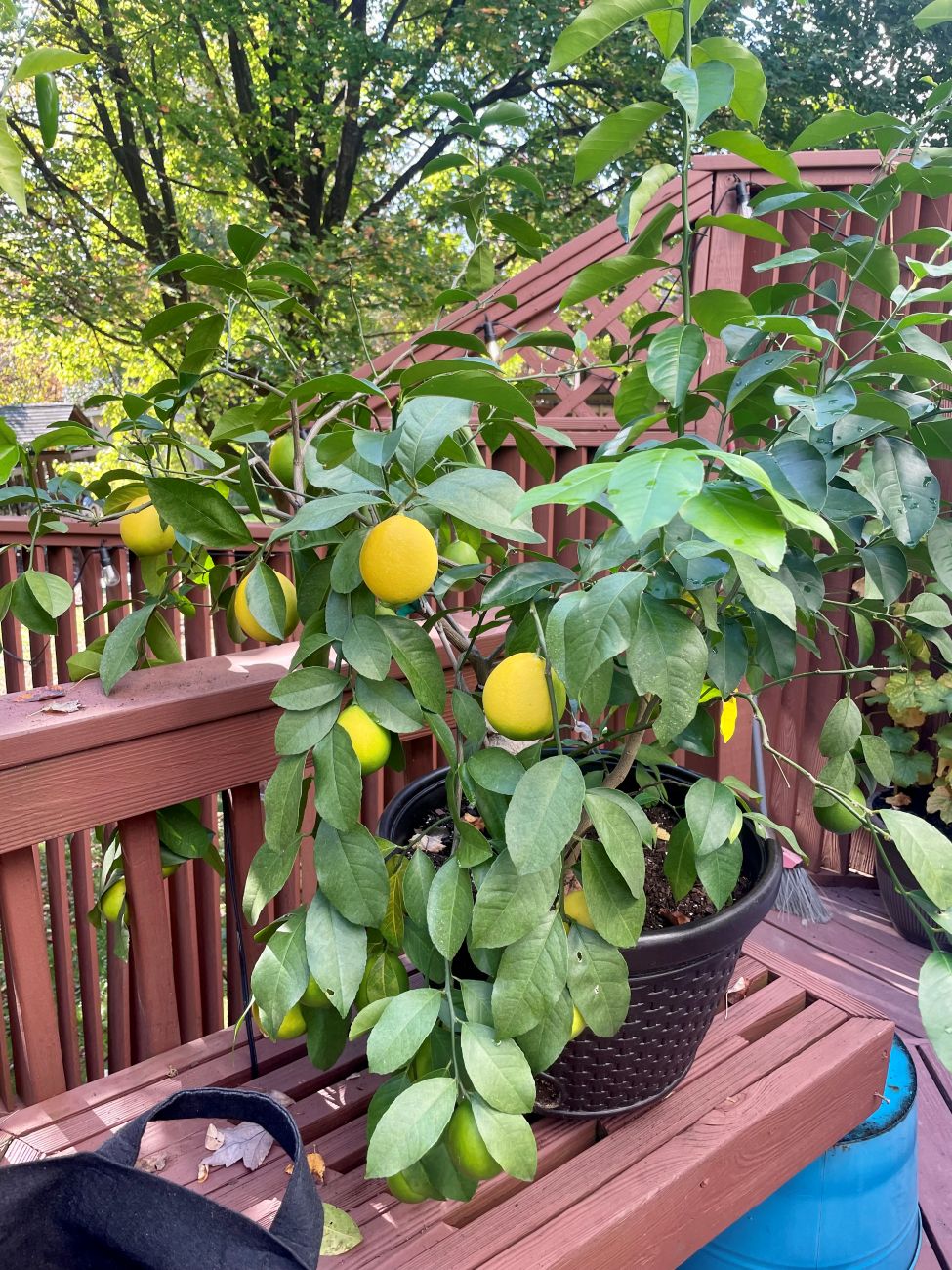
- Phase Two (Integration of Perennials): Once the vegetable rotation was stabilized, the focus shifted to longevity. Christine introduced fruit trees—most notably the Citrus × meyeri (Meyer lemon)—which require careful management in Zone 7b. By treating these trees as seasonal residents that can be moved to protect against Maryland’s frost, she expanded the deck’s yield beyond annual vegetables.
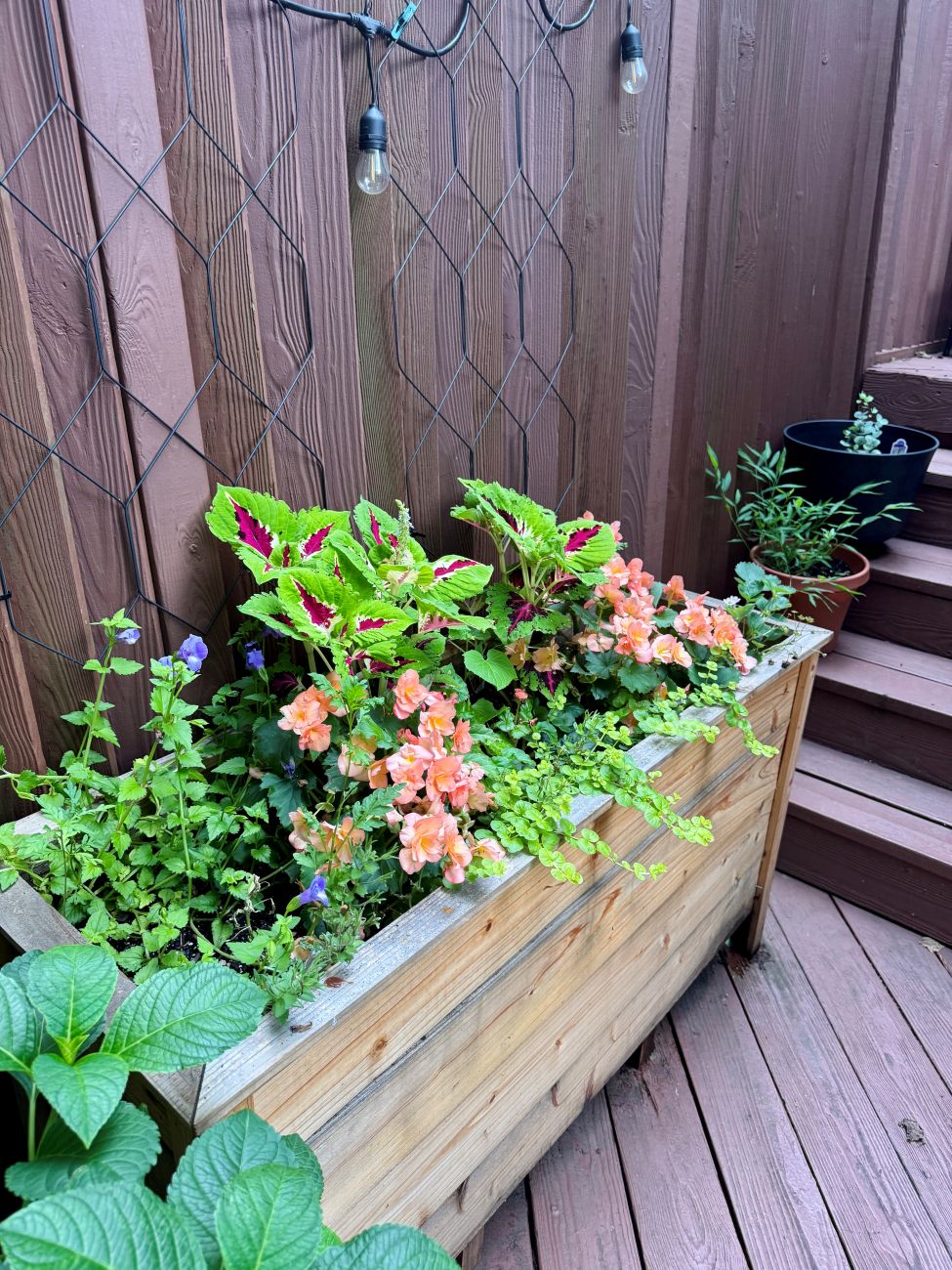
- Phase Three (Micro-Climate Optimization): The most recent phase involved the utilization of "dead zones." Rather than leaving shady corners barren, Christine integrated shade-loving foliage such as coleus, begonias, and various trailing greenery. This completed the aesthetic, turning the deck into a fully immersive, 360-degree green space.
Supporting Data: The Science of Container Success
The success of a deck garden relies heavily on the management of environmental variables. In a container setting, the gardener is the sole provider of nutrients, water, and structural support.
Sun Exposure and Photosynthetic Efficiency
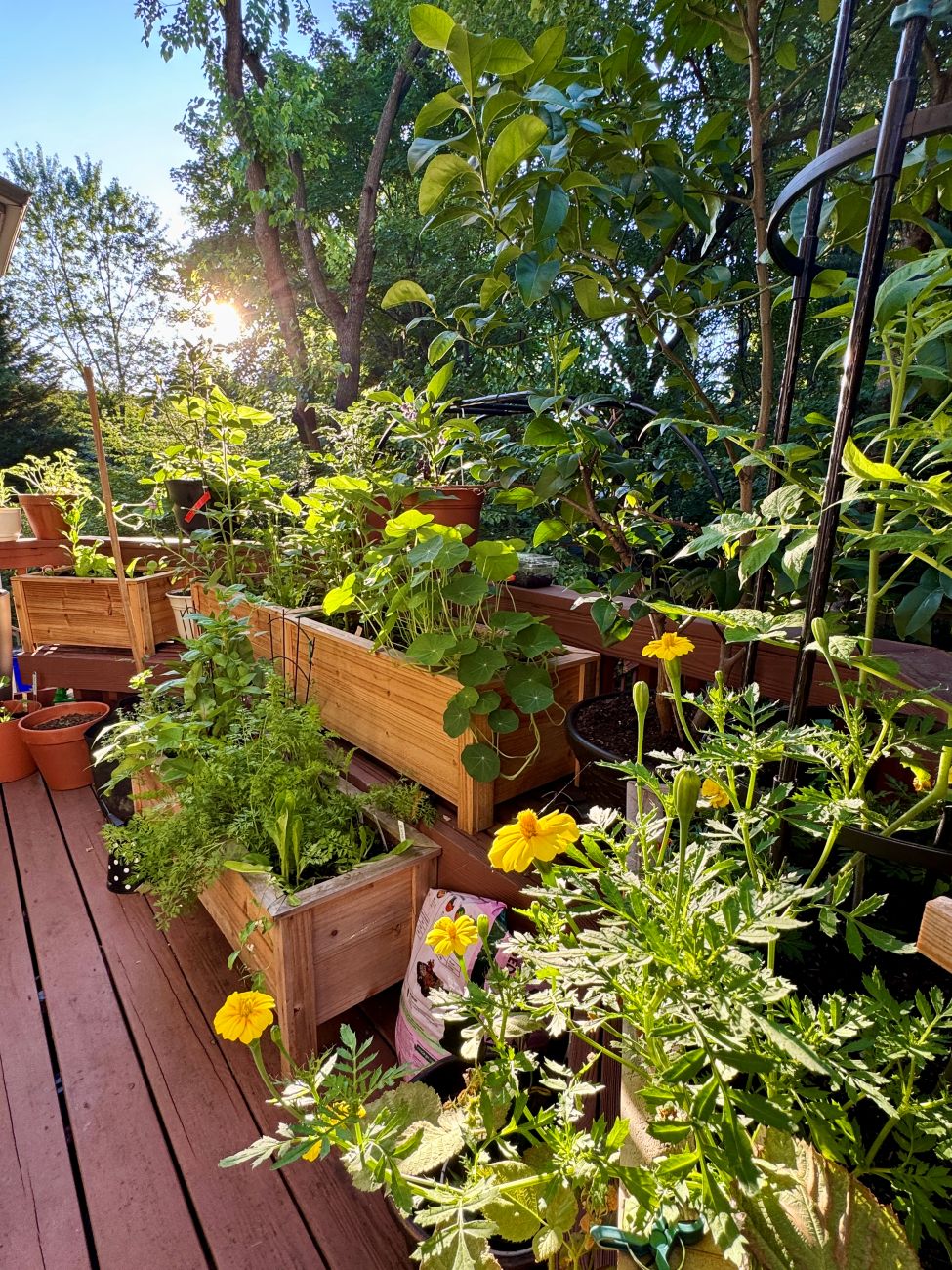
One of the key lessons from Christine’s project is the strategic mapping of sunlight. A two-level deck provides varied exposures throughout the day. By placing light-hungry crops like peppers in the upper-tier, full-sun zones and shade-tolerant species in the lower-tier, protected corners, she maximizes the photosynthetic potential of every square foot.
The Role of Container Selection
Containers are not merely decorative; they are the "soil" of the urban gardener. Proper drainage, volume-to-root ratios, and material thermal conductivity are critical. Christine’s use of wooden raised planters and specialized pots allows for a diverse root-zone environment, accommodating everything from shallow-rooted herbs to deep-rooted citrus trees.
Biodiversity in Small Spaces
Despite the lack of a traditional lawn, the garden acts as a magnet for local pollinators. The integration of seasonal flowers serves a dual purpose: it provides visual interest and creates a necessary habitat for bees, butterflies, and birds. This biological activity is a key indicator of a healthy, functioning ecosystem.
Official Perspectives: The Philosophy of "Post-Wild" Gardening
The concept of gardening in limited spaces has gained academic and professional traction. In the book Planting in a Post-Wild World, authors Thomas Rainer and Claudia West argue for a "new nature"—a hybrid of the wild and the cultivated that can thrive in our cities and suburbs.
Christine’s deck is a living embodiment of this philosophy. By designing plant communities that work together within containers, she creates a resilient landscape that requires less chemical intervention and provides more tangible output. Experts note that container gardening, when practiced with this level of detail, reduces the "heat island" effect of urban decks and provides psychological benefits that are increasingly being recognized by urban planners and health professionals alike.
Implications for the Future of Urban Agriculture
The implications of Christine’s Bethesda project are profound for the modern homeowner.
Accessibility and Equity
The barrier to entry for gardening is often cited as a lack of land. However, as housing markets become more constrained, the shift toward container gardening democratizes access to fresh, organic produce. It allows residents in high-density zones to participate in the food cycle, reducing the carbon footprint associated with grocery store produce transport.
The Psychological Impact
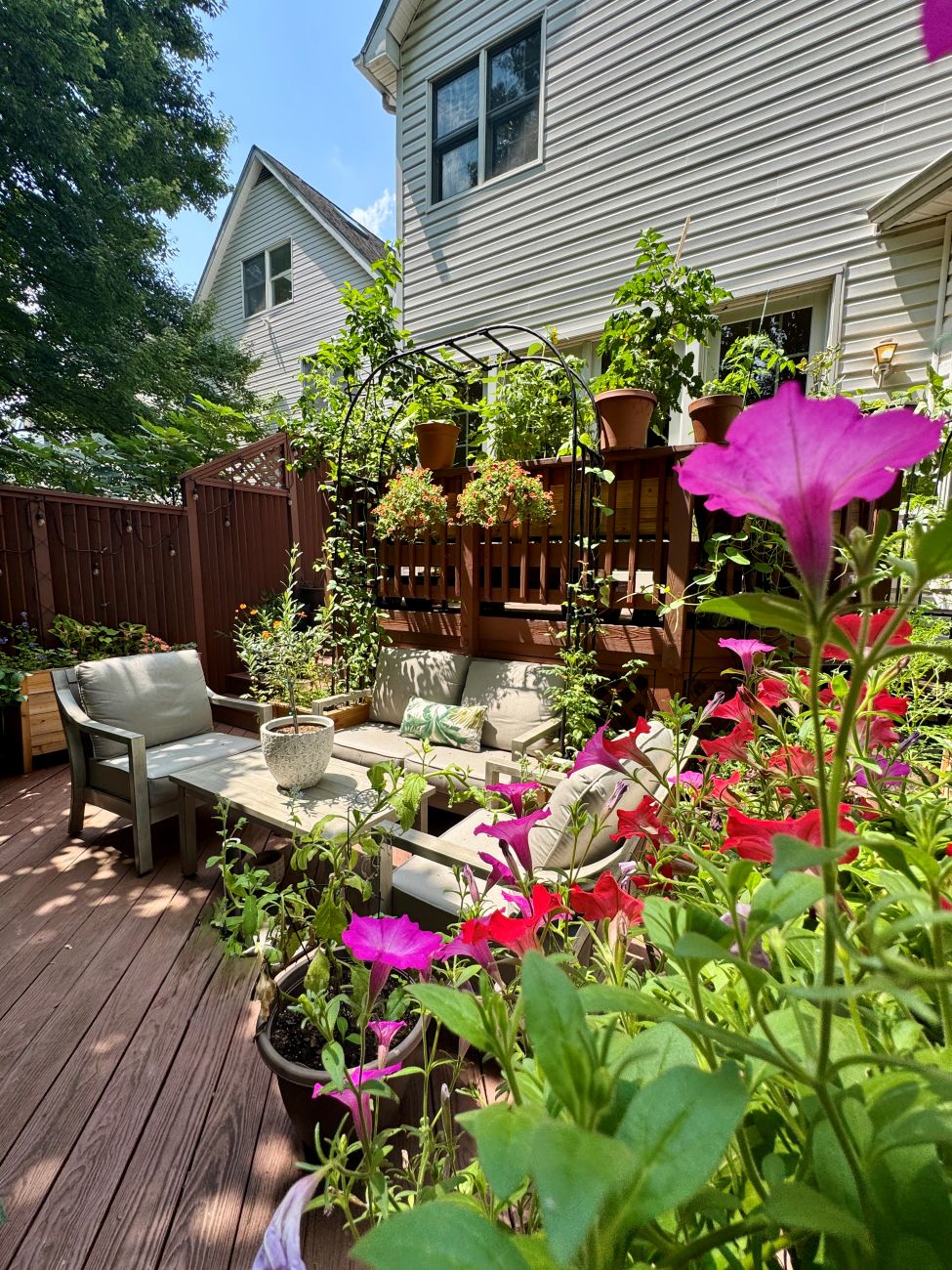
Studies consistently show that access to green spaces—even on a balcony or deck—improves mental health, reduces cortisol levels, and enhances cognitive function. For Christine, the deck is not just a place to grow food; it is a "seating area surrounded by lush plants, where I can enjoy my morning coffee, listen to the birds, and appreciate the changing seasons." This sanctuary effect is a vital component of urban wellness.
Scalability and Community Engagement
The community response to Christine’s deck—evident through her active social media presence—suggests a massive appetite for this type of lifestyle. The "Garden Photo of the Day" initiatives and similar platforms serve as digital forums where gardeners exchange tips on soil mixes, pest management, and cultivar selection. This digital infrastructure has turned a solitary hobby into a collaborative, global network of urban farmers.
Final Considerations: Equipping the Urban Gardener
For those inspired to replicate the "Blooming Deck" model, the market has responded with specialized tools designed for small-scale efficiency.
- Efficient Watering Systems: Utilizing round weeper soaker hoses, urban gardeners can ensure that water is delivered directly to the root zone, minimizing waste and evaporation. This is critical in container gardening, where soil dries out significantly faster than in-ground garden beds.
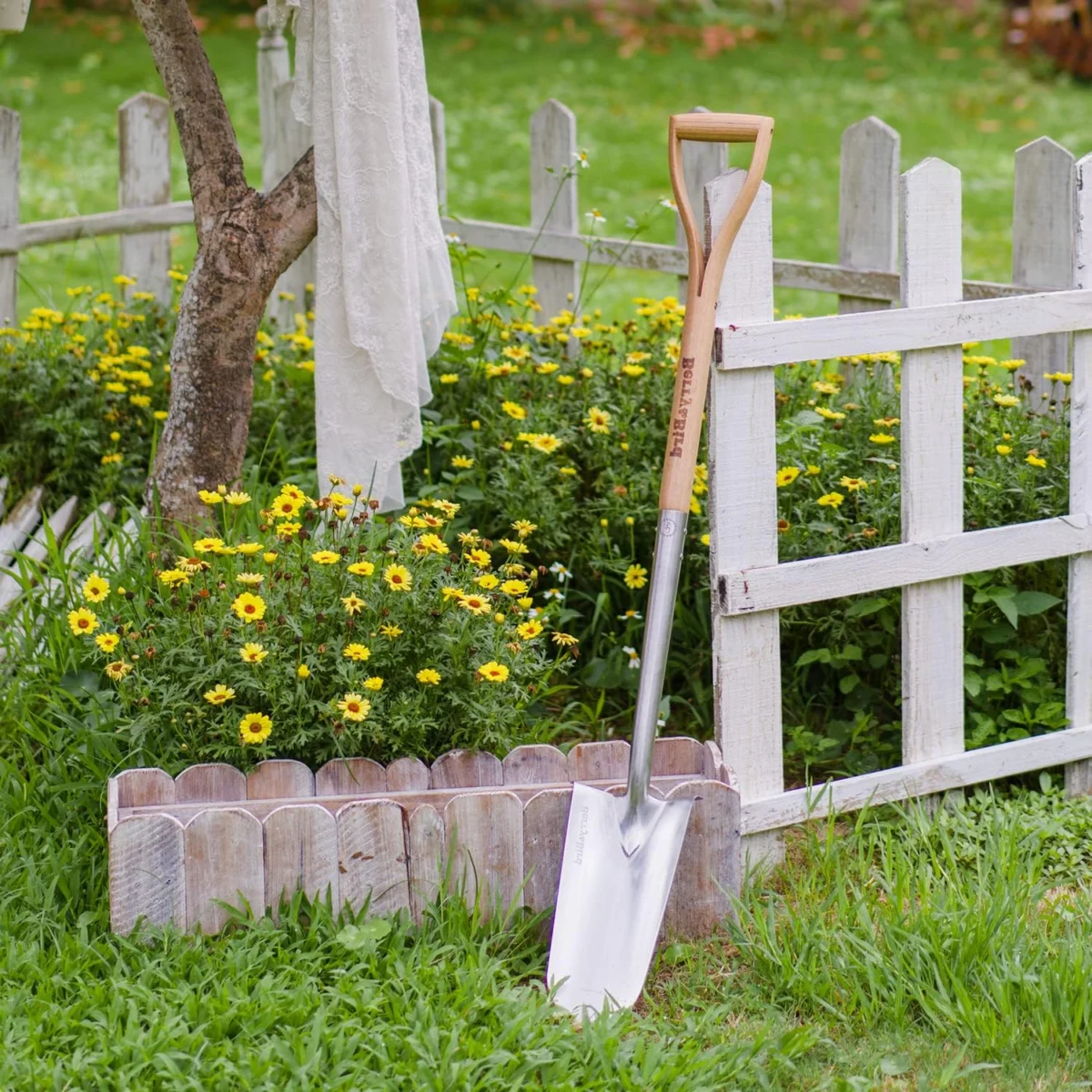
- Precision Tools: High-quality, ergonomic trenching shovels and hand tools are essential for working in confined spaces. The move toward stainless steel, long-lasting tools reflects a commitment to sustainability and high-performance gardening.
- Design and Education: As seen in the popularity of guides on "Designing Plant Communities for Resilient Landscapes," the modern gardener is moving away from haphazard planting toward informed, design-led cultivation.
Conclusion
Christine’s Bethesda garden is more than just a collection of pots on a deck; it is a profound statement on human agency and environmental stewardship. By embracing the limitations of her space rather than fighting them, she has created a template for the future of urban living. Whether you have an expansive backyard or a modest balcony, the lesson remains the same: with creativity, patience, and the right container, any space can be transformed into a place that nourishes both the body and the soul.
As we look toward a future where urban living continues to expand, the "Blooming Deck" model offers a roadmap for maintaining our connection to the earth, one container at a time. The garden is waiting—all you need is the vision to make it happen.
