

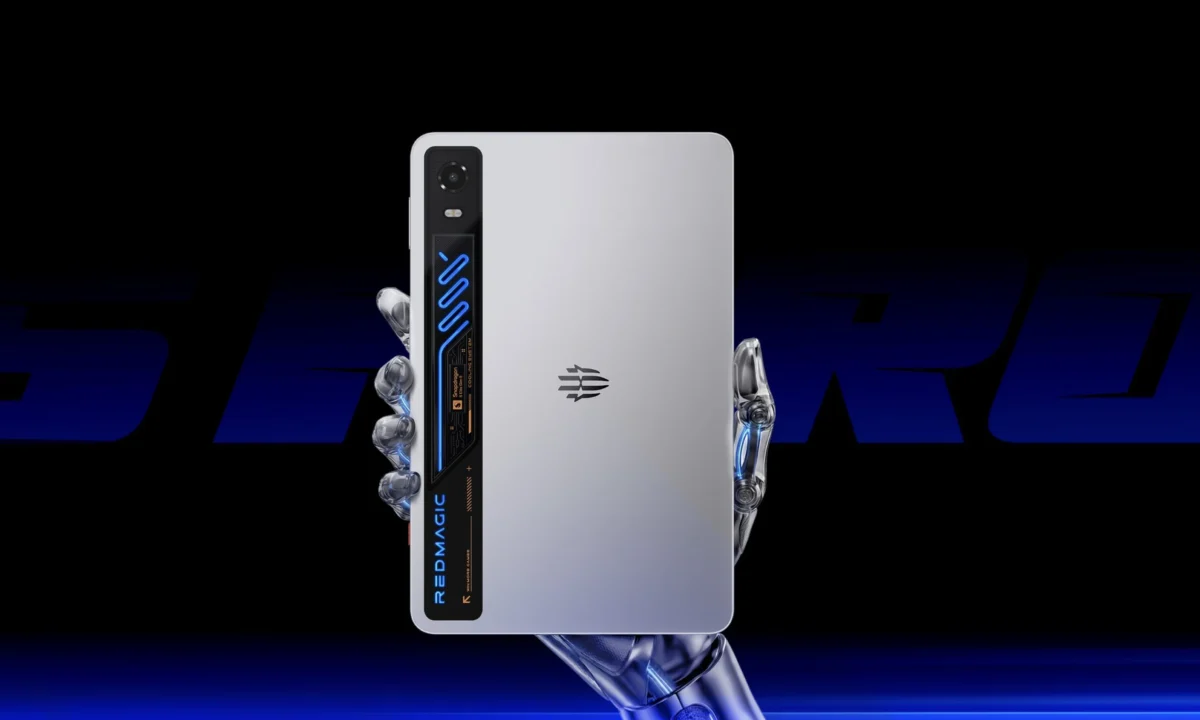
The landscape of mobile gaming is undergoing a significant shift. While the market has long been saturated with 11-inch and 13-inch slates that prioritize media consumption and productivity, Red Magic has identified a gap in the enthusiast space. The newly announced Red Magic Astra 2—formerly known in the Chinese market as the Gaming Tablet 5 Pro—is poised to challenge the dominance of the iPad mini, bringing high-end performance, active cooling, and enthusiast-grade display technology to the palm of your hand.
With a global launch scheduled for late August 2026, the Astra 2 is not just another tablet; it is a specialized tool engineered for mobile gamers who demand desktop-level thermal management and uncompromising frame rates.
Main Facts: The Anatomy of a Gaming Powerhouse
The Red Magic Astra 2 is built around a philosophy of "performance first." Unlike mainstream tablets that prioritize thinness at the cost of thermal throttling, the Astra 2 embraces a more functional, hardware-centric design.
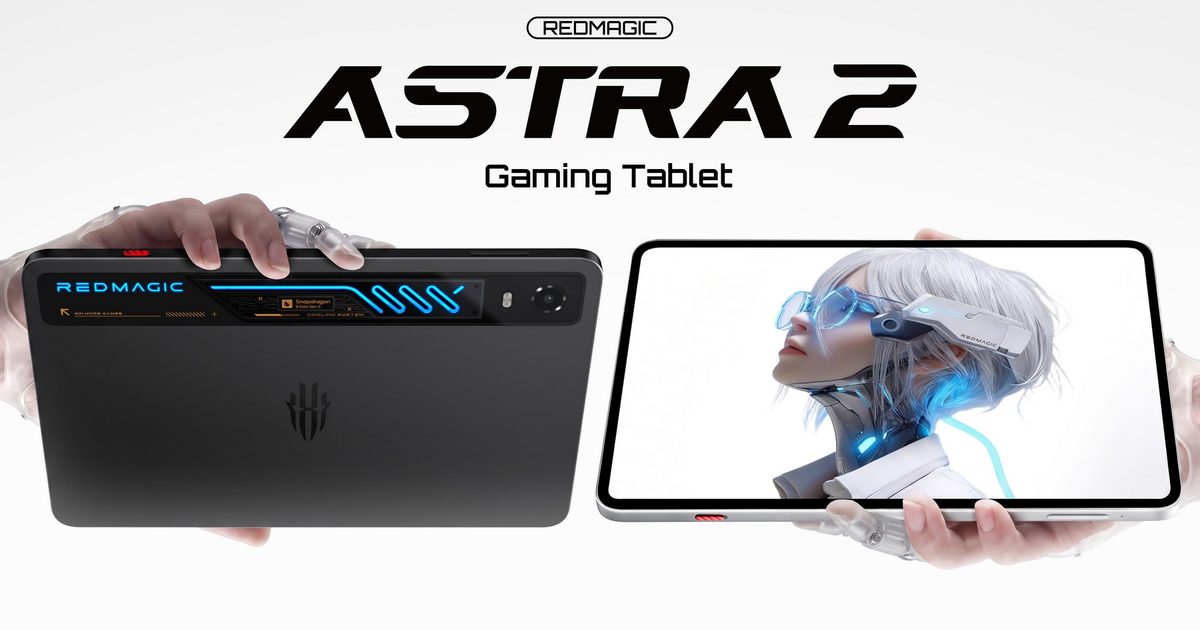
Display and Ergonomics
At the heart of the device is a 9.06-inch OLED panel. This size choice is deliberate; by mirroring the compact footprint of the iPad mini, Red Magic ensures that the device remains manageable during extended play sessions. However, where the Astra 2 leaves Apple’s offering in the dust is in sheer speed. The display boasts a 185Hz refresh rate and a staggering 2,000Hz touch-sampling rate. For competitive gamers playing titles like Genshin Impact, Call of Duty: Warzone Mobile, or Arena Breakout, this translates to near-instantaneous input response times, providing a tangible advantage in high-stakes encounters.
The Engine Room
Under the hood, the Astra 2 is powered by Qualcomm’s flagship Snapdragon 8 Elite Gen 5 processor. This silicon is augmented by Red Magic’s proprietary RedCore R4 gaming chip, which acts as a dedicated co-processor to handle game-specific tasks, such as frame interpolation and touch-input optimization.
Connectivity and Battery
The tablet is equipped with an 8,300mAh battery, designed to sustain high-load gaming for several hours. To ensure the device remains usable even while charging, Red Magic has implemented a dual-USB-C port configuration. This allows users to charge the device via one port while routing audio or peripherals through the other, preventing the uncomfortable "cable-in-palm" issue common with standard tablets.
Chronology: From Concept to Global Availability
The journey of the Astra 2 reflects Red Magic’s methodical approach to the global market.
- Q2 2026 (China Launch): The device debuted as the Red Magic Gaming Tablet 5 Pro. Local users were the first to experience the "AquaCore" cooling system, with immediate positive feedback regarding thermal stability.
- Early July 2026: Red Magic officially confirmed the global rebranding to "Astra 2," signaling a shift in marketing strategy to align with international gaming naming conventions.
- Mid-August 2026: The company will initiate its "Early Bird" voucher program, allowing loyal fans and early adopters to secure priority access to the first shipment batches.
- Late August 2026: The official global sale will commence through the Red Magic official website and select retail partners, marking the start of the Astra 2’s tenure in the international market.
Supporting Data: Why "Compact" Still Matters
Industry analysts have long debated the necessity of the "compact tablet" category. With smartphones pushing 6.9 inches and tablets pushing 13 inches, the 9-inch form factor sits in a "Goldilocks" zone.
Thermal Efficiency vs. Size
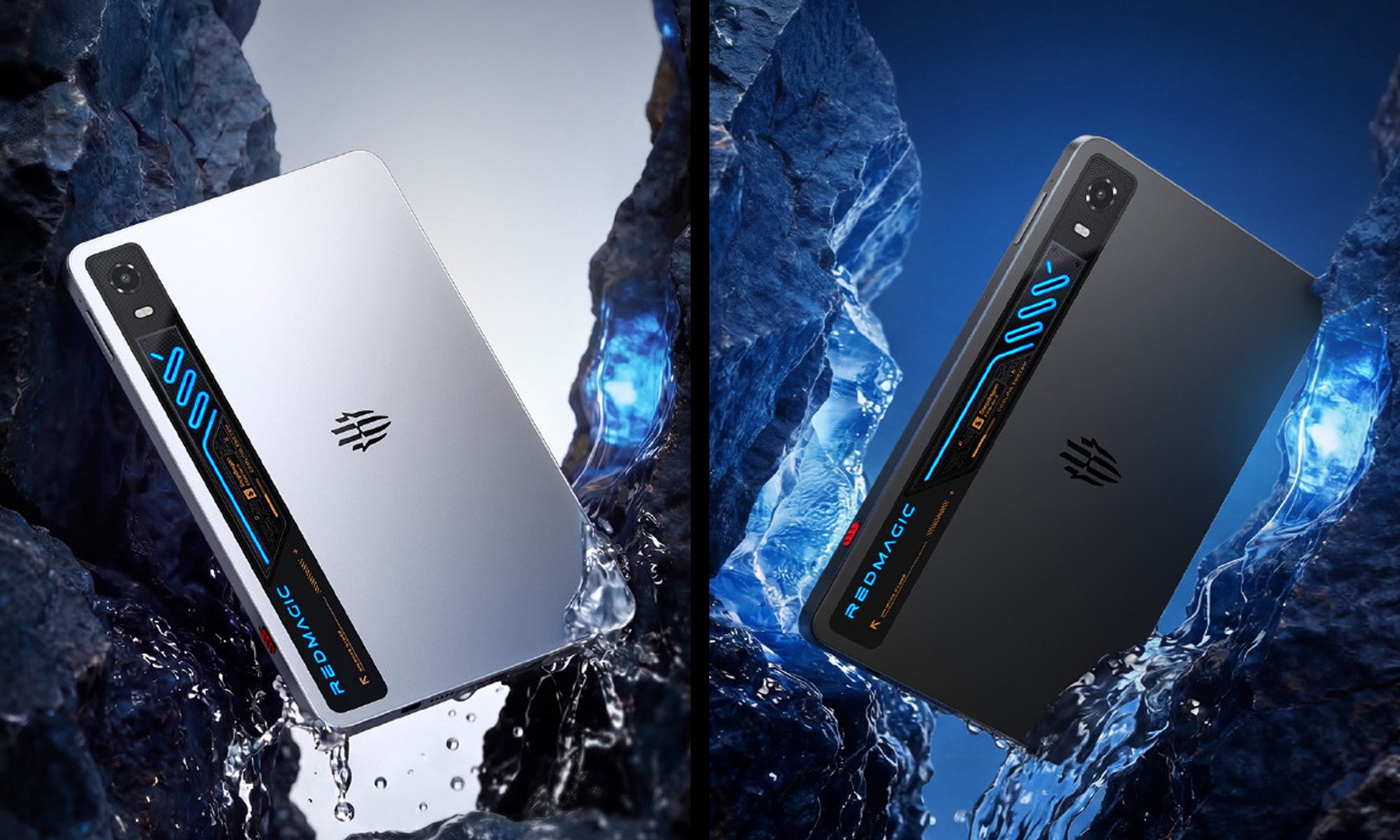
The primary challenge for any gaming device is heat. In a standard tablet, the lack of internal space usually forces the processor to throttle—down-clocking the CPU to prevent overheating. Red Magic’s "AquaCore Cooling System 2.0" disrupts this cycle. By utilizing a sophisticated architecture of liquid cooling, liquid metal thermal interface materials, and an oversized vapor chamber, the Astra 2 can maintain peak performance for longer durations than competitors twice its size.
The Competitive Pricing Strategy
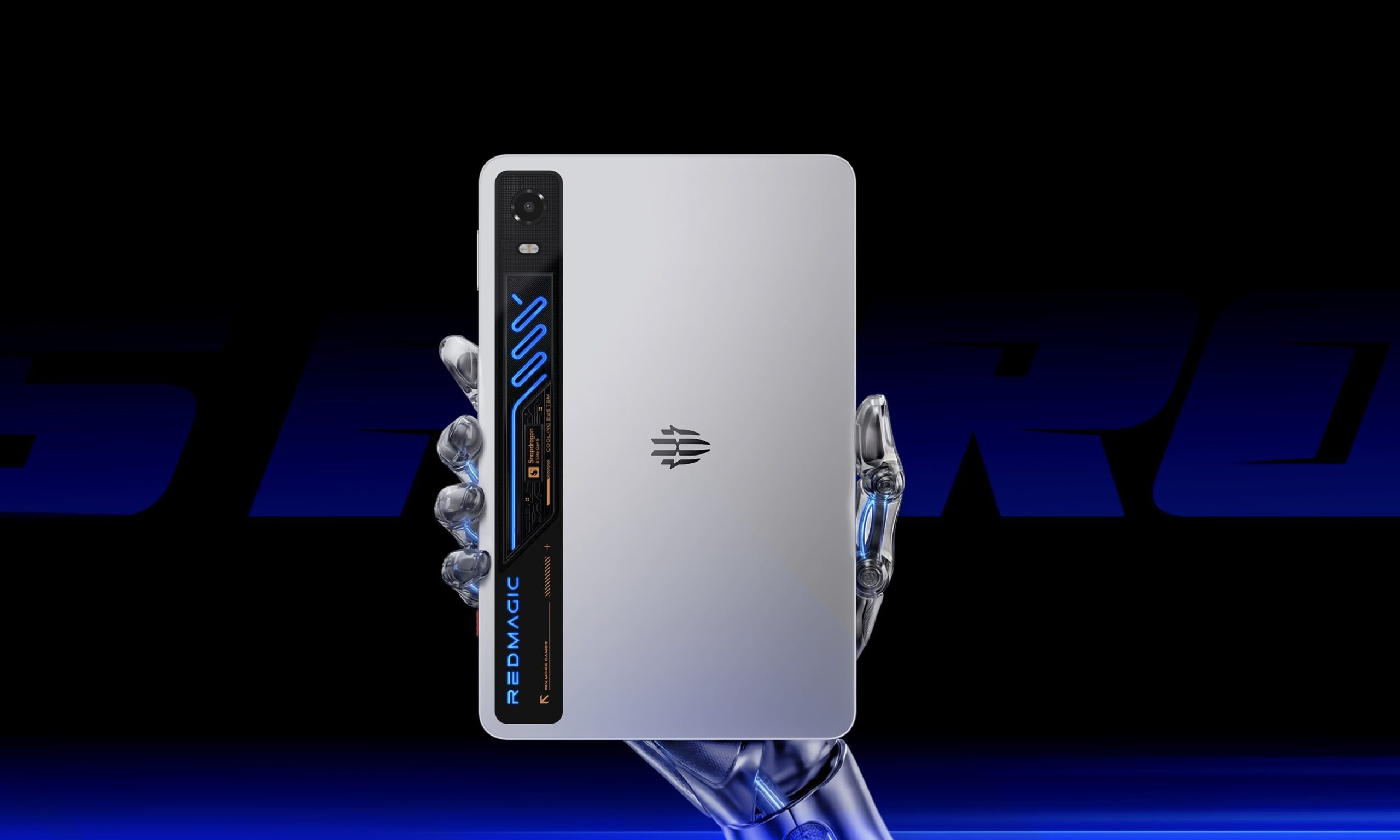
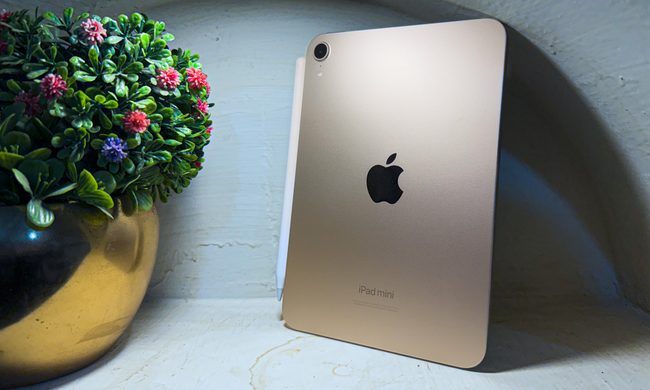
Starting at $699 (or €699), the Astra 2 is positioned as a premium but accessible device. While the current iPad mini starts at $599, the $100 price difference is quickly negated when considering the specifications. With 12GB of RAM and 256GB of storage as the base configuration, the Astra 2 offers a more "future-proof" hardware profile for heavy gaming than Apple’s current 60Hz offering.
Official Responses and Strategic Positioning
In a press briefing regarding the global rollout, Red Magic representatives emphasized that the Astra 2 is not intended for the casual user. "Our devices are built for those who know the difference between 60 frames per second and 185," the spokesperson stated.
By keeping the design language aggressive and the thermal management robust, Red Magic is successfully carving out a niche that traditional tech giants have ignored. While Apple focuses on productivity and the "Pro" experience for the iPad, Red Magic is doubling down on the "Gamer" identity. This creates a clear bifurcation in the market: if you want a tablet for school or drawing, you go with an iPad. If you want a mobile gaming console that fits in your hand, you go with the Astra 2.

Implications for the Tablet Market
The launch of the Astra 2 has wider implications for the industry at large:
1. The Death of the "60Hz" Standard
By pushing 185Hz in a tablet, Red Magic is putting immense pressure on competitors. As consumers become accustomed to high-refresh-rate displays on phones and PCs, a 60Hz tablet is increasingly viewed as an obsolete experience. If the rumored "OLED iPad mini" arrives with a 60Hz limit, the Astra 2 will likely become the go-to device for gamers who find the Apple ecosystem too restrictive for high-performance needs.
2. Thermal Management as a Feature
Red Magic has effectively marketed "thermal cooling" as a luxury feature. Similar to how gaming laptops are judged by their fans and heat pipes, the tablet market is shifting toward valuing active cooling. We expect to see future flagship tablets from other manufacturers (such as Samsung or ASUS) attempt to integrate more advanced vapor chamber technology to compete with the Astra 2’s thermal headroom.
3. The Rise of Gaming-Centric Software
The Astra 2 runs on Red Magic OS 11.5, based on Android 16. This software is not just a UI skin; it is a middleware layer that manages resource allocation. By stripping away background processes that typically plague Android tablets, Red Magic ensures that the Snapdragon 8 Elite Gen 5 is dedicated almost entirely to the game engine. This creates a "console-like" stability that has historically been the primary advantage of iOS.
Conclusion
The Red Magic Astra 2 represents a maturation of the mobile gaming hardware market. It acknowledges that gaming is no longer a "side hobby" for mobile users but a primary use case that demands dedicated, high-performance hardware.
By combining the portability of a compact tablet with the raw power of a high-end gaming rig, and wrapping it in a sophisticated, liquid-cooled chassis, Red Magic has created a compelling proposition for the global gaming community. Whether it will force Apple to finally upgrade the display technology of its smaller tablets remains to be seen, but one thing is certain: the bar for what constitutes a "gaming tablet" has been significantly raised.
As the August release window approaches, the eyes of the mobile gaming community will be fixed on whether the Astra 2 can live up to the high expectations set by its impressive specifications. For those tired of compromised frame rates and thermal throttling, the wait for a true handheld gaming powerhouse may finally be coming to an end.
