

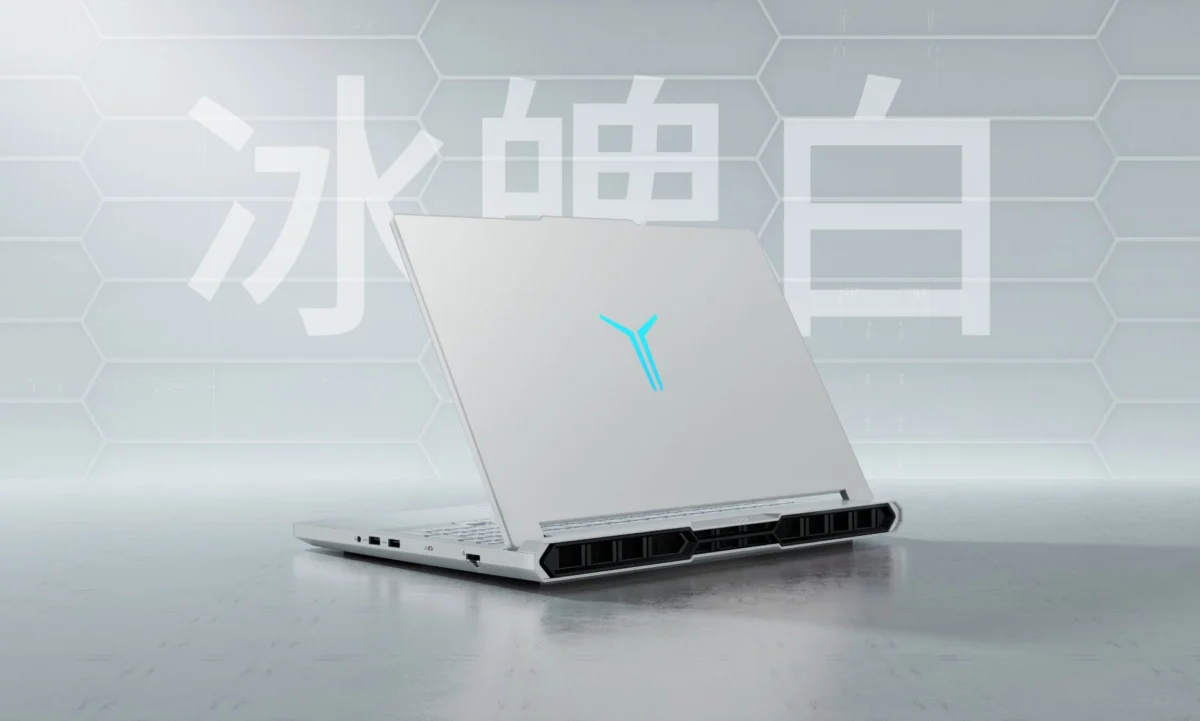
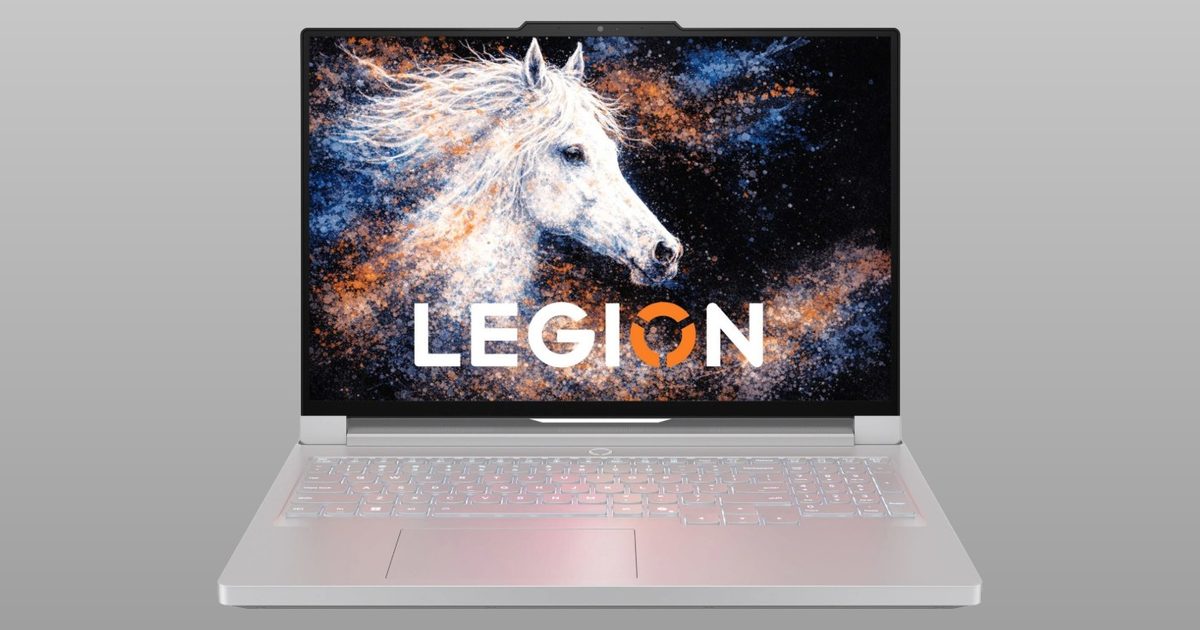
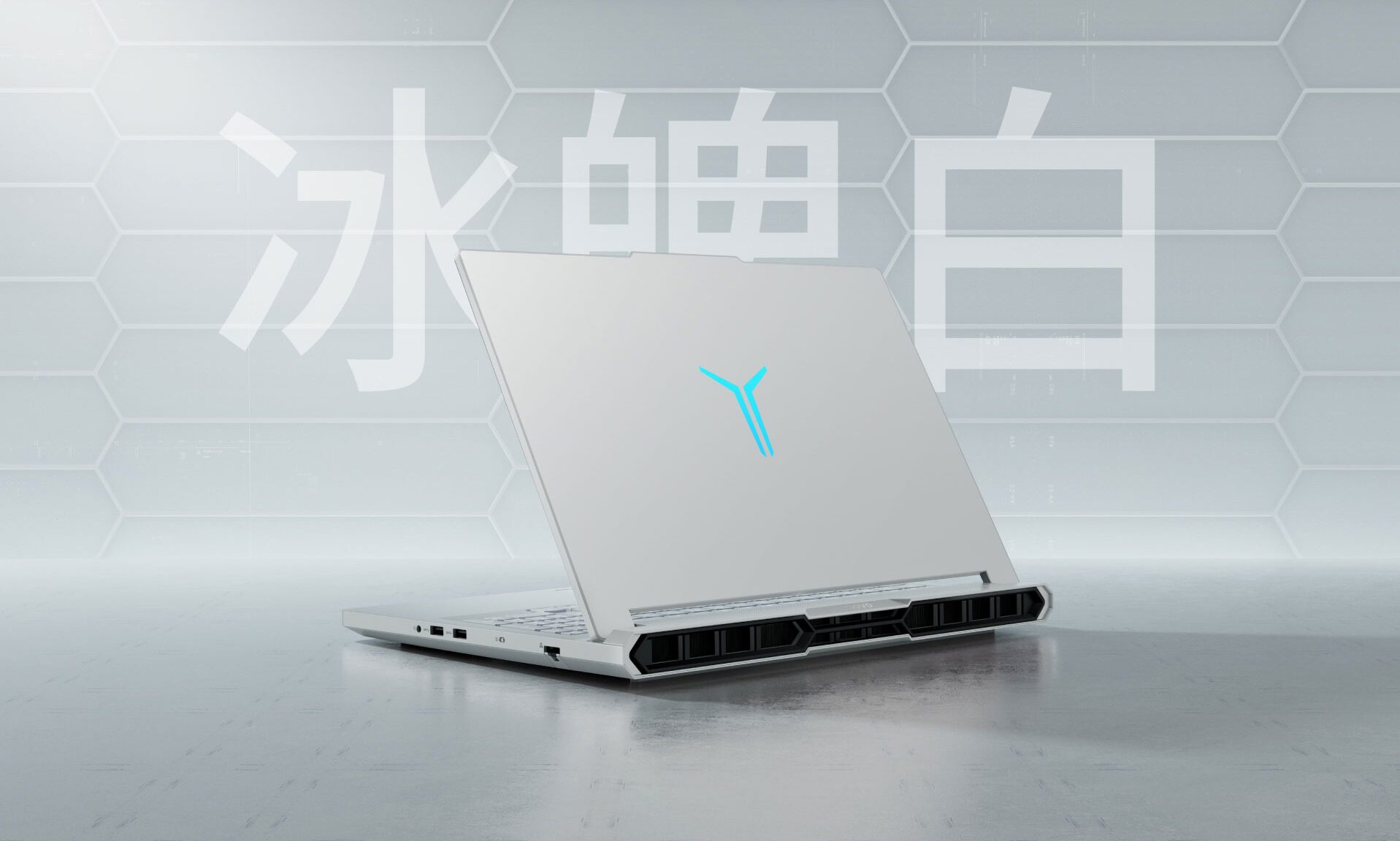
The display industry has long sought a "holy grail" of manufacturing: a process that maintains the breathtaking contrast and response times of OLED while slashing the prohibitive costs associated with traditional production. That vision has finally manifested in the form of a commercial gaming laptop. Lenovo, in collaboration with TCL CSOT, has officially unveiled the Legion R9000P, the world’s first laptop to feature an inkjet-printed OLED display.
This milestone marks a fundamental shift in display technology, transitioning from the vacuum-sealed, metal-mask-heavy processes that have defined the last decade of high-end monitors to a more efficient, additive manufacturing method. By bringing this technology to a high-performance gaming platform, Lenovo is not merely launching a new product; it is signaling the end of the experimental phase for inkjet-printed OLEDs.
The Core Innovation: Moving Beyond Vacuum Deposition
To understand the magnitude of this launch, one must first look at the limitations of current OLED production. Traditionally, organic light-emitting diode (OLED) panels are produced using a process called Fine Metal Mask (FMM) evaporation. This method involves depositing organic material onto a substrate inside a high-vacuum chamber. It is an incredibly precise, yet notoriously wasteful and expensive, process. The metal masks required to pattern the pixels are fragile and difficult to scale for larger substrates, contributing significantly to the high retail price of OLED laptops and televisions.
Inkjet-printed OLED technology, which TCL has been refining for years, replaces this cumbersome process with something akin to a high-precision desktop printer. Instead of evaporating material through a mask, the organic light-emitting materials are dissolved in a solvent and "printed" directly onto the display backplane in precise, controlled patterns.
This shift offers three primary advantages:
- Material Efficiency: Because the material is applied only where it is needed, there is significantly less waste compared to the indiscriminate coating used in evaporation.
- Manufacturing Scalability: By removing the reliance on large, complex metal masks, manufacturers can produce larger panels more easily, potentially lowering the barrier to entry for OLED adoption in mainstream consumer electronics.
- Improved Performance: TCL’s proprietary printing process allows for a more uniform layer of organic material, which the company claims contributes to better light efficiency and an extended lifespan for the panel’s subpixels.
A Chronology of the Breakthrough
The journey to the Lenovo Legion R9000P has been a multi-year effort defined by persistent prototyping and iterative refinement.
- 2022–2023: The Prototype Era: TCL CSOT began showing off prototype laptop panels at industry trade shows, demonstrating the viability of the inkjet-printing process. During this period, the company focused on addressing "mura" effects—uneven brightness or color artifacts that often plagued early printed panels.
- 2024: The Promise of Scale: At major tech summits in 2024, TCL publicly committed to a "comprehensive breakthrough," shifting their focus from R&D prototypes to supply chain readiness. It was during this time that rumors of a partnership with a major OEM began to circulate.
- 2025: Integration Challenges: The technical hurdle of moving from a test bench to a high-refresh-rate gaming laptop proved significant. Integrating the printed panel into a chassis that could handle the thermal output of modern mobile GPUs required extensive recalibration of the display driver ICs (Integrated Circuits).
- July 2026: Commercial Debut: Lenovo officially announced the Legion R9000P, featuring the 16-inch inkjet-printed OLED panel. This launch represents the first time the technology has successfully cleared the rigorous quality control standards required for a mass-market gaming product.
Technical Specifications and Display Quality
The display on the new Legion R9000P is not merely a proof of concept; it is designed to compete with the best panels on the market. It boasts a 240Hz refresh rate, a spec that was once considered impossible for early printed OLED prototypes.
Perhaps the most significant improvement for the end-user is the pixel structure. Many current laptop OLEDs utilize a "diamond" or triangular subpixel arrangement, which can cause color fringing—a subtle, rainbow-like blur—around sharp, high-contrast edges like text. The new inkjet-printed panel from TCL utilizes a standard RGB stripe layout. This arrangement significantly improves text clarity and overall sharpness, making the laptop just as suitable for professional design and productivity work as it is for high-frame-rate competitive gaming.
Furthermore, the panel covers over 99% of the DCI-P3 color gamut, ensuring color accuracy that meets the demands of creative professionals. By combining the deep blacks and infinite contrast ratios of OLED with the sharpness of an RGB stripe, Lenovo has created a display that addresses the most common complaints regarding OLED monitors.

Industry Perspectives: The Official Stance
TCL CSOT has been vocal about the strategic importance of this launch. In recent press statements, the company framed this as a "democratization of premium visual experiences." By reducing the manufacturing cost by an estimated 20%, TCL believes they can push OLED technology into the mid-range laptop market, where LCDs currently dominate.
Lenovo, for its part, has positioned the R9000P as the pinnacle of their gaming lineup. By choosing this display for the Legion Pro 5-class chassis, they are signaling that inkjet-printed OLED is not a budget-tier alternative, but a high-performance choice. While the company has remained tight-lipped regarding specific processor and GPU pairings, the historical context of the R9000P line suggests a top-tier configuration—likely incorporating the latest generation of AMD Ryzen or Intel Core processors paired with an NVIDIA RTX 5080 or equivalent.
Implications for the Future of Computing
The successful implementation of this technology has profound implications for the wider tech ecosystem.
The Death of the LCD Dominance?
For decades, the laptop industry has relied on various iterations of LCD technology (IPS, VA, TN) to balance cost and performance. If inkjet-printed OLEDs can achieve price parity with high-end mini-LED panels, the incentive for manufacturers to stick with LCDs diminishes rapidly. We may be entering a period where OLED becomes the baseline for premium gaming and professional laptops, rather than a luxury upgrade.
Impact on Gaming and Media Consumption
For gamers, the transition to 240Hz printed OLEDs is a game-changer. The instantaneous response times of OLED panels, combined with the motion clarity provided by the 240Hz refresh rate, minimize ghosting and motion blur to a degree that traditional LCDs struggle to match, regardless of their refresh rate.
Supply Chain Shifts
The move to inkjet printing could fundamentally alter the competitive landscape for display manufacturers. Companies that have invested heavily in traditional FMM evaporation equipment may find themselves at a disadvantage if the industry shifts toward the more efficient, lower-cost printing methods championed by TCL and their partners. This will likely force a wave of consolidation and retooling across the display supply chain in the coming years.

Looking Ahead: What’s Next?
While the Lenovo Legion R9000P is the current headline, the real test will be in the longevity and long-term reliability of these panels in the wild. Gaming laptops are subjected to extreme thermal cycles, and the organic materials in OLEDs are sensitive to heat. How these inkjet-printed layers hold up after 2,000 or 5,000 hours of gaming will determine if this technology can truly supplant the status quo.
Lenovo has yet to announce international availability or pricing for the R9000P, but industry analysts expect a staggered rollout, with domestic Chinese markets seeing the first units before a global release under the "Legion Pro" branding.
As we stand at the threshold of this transition, it is clear that the "printed display" is no longer a futuristic pipe dream. It is a tangible, high-performance reality. For the average user, this means better screens, sharper text, and more vibrant colors are on the horizon, potentially at a price point that doesn’t require a professional-grade budget. The era of the inkjet-printed display has begun, and the display industry will never be the same.
