

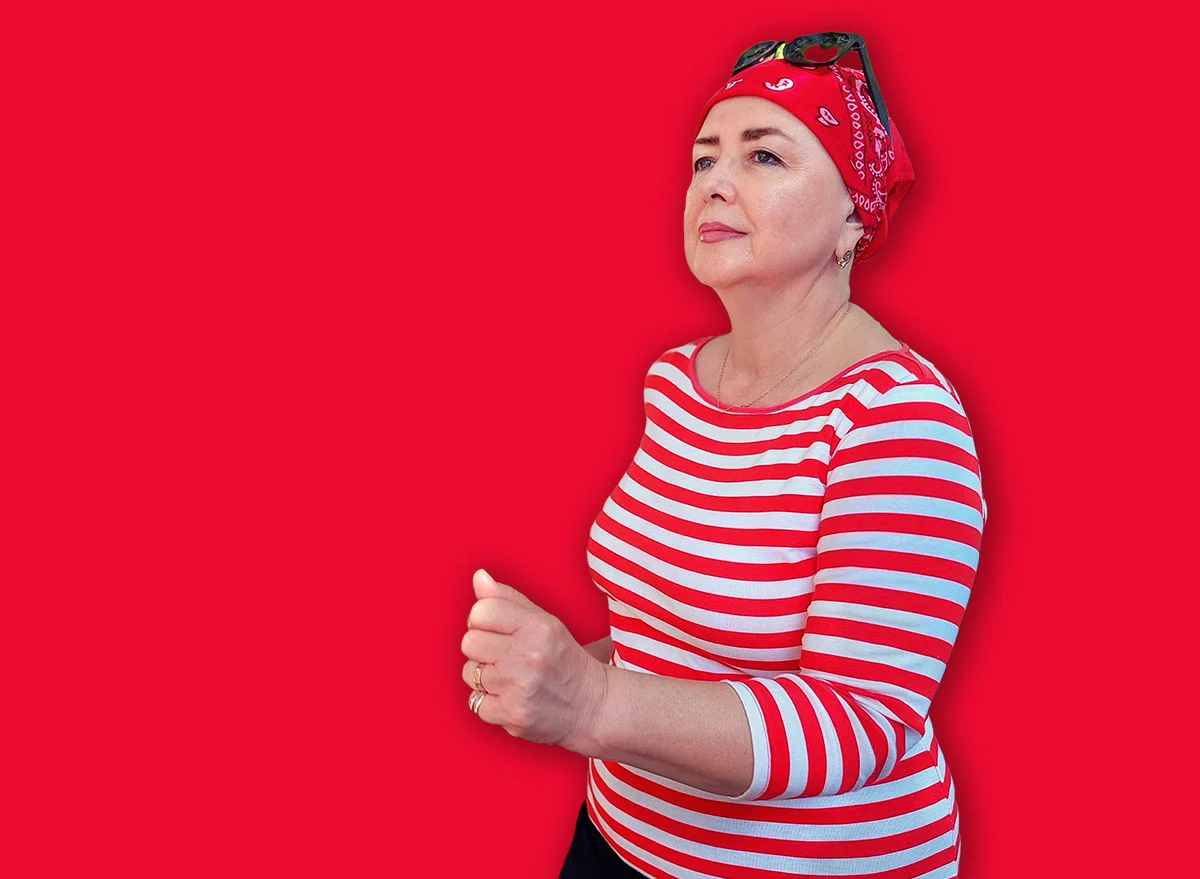
If you have noticed that your walking pace has slowed down as you’ve entered your golden years, you are certainly not alone. Many older adults find themselves subconsciously shortening their stride or walking with increased caution. While this is a natural physiological adaptation—as the body prioritizes stability and injury prevention—it does not have to be your permanent new normal.
According to experts, restoring a brisk, confident gait is not just about moving faster; it is about reclaiming independence, functional mobility, and long-term health. We spoke with Ryan Read, a certified fitness trainer based in Laguna Niguel, California, to discuss how targeted, at-home exercises can help individuals over 65 reclaim their walking speed and confidence.
The Physiology of the Slowdown: Why We Lose Pace
As we age, the body undergoes several changes that directly impact our mobility. A decline in muscle mass (sarcopenia), a reduction in explosive power, and changes in proprioception—the body’s ability to perceive its position in space—all contribute to a more conservative walking style.
“Home exercises are a game-changer because they address the root causes of why a person slows down,” explains Ryan Read. “When you get older, the loss of leg strength, balance, and power makes every step feel more cautious. Simply walking on a treadmill at a low intensity often isn’t enough to challenge the muscles in the specific ways needed to restore speed.”
To improve walking pace, one must move beyond steady-state cardio and incorporate movements that challenge coordination and strength simultaneously.
Main Facts: The Connection Between Strength and Gait
Research consistently shows that gait speed is a reliable indicator of overall longevity and health status in older populations. A faster walking speed is associated with better cardiovascular health, stronger cognitive function, and a reduced risk of falls.
The five exercises recommended by Read are designed to target the kinetic chain—the interconnected system of joints and muscles required for locomotion. By improving the power output of the glutes, quadriceps, and calves, and enhancing the stability of the core, older adults can effectively "re-teach" their bodies to handle higher speeds without the fear of losing balance.
The 5-Move Protocol: A Detailed Breakdown
To see meaningful results, these movements should be performed with focus and consistency. Always ensure your environment is safe, and consult with your physician before beginning any new exercise regimen.
1. Chair Sit-to-Stands
The foundation of functional independence is the ability to rise from a seated position. This movement replicates the power needed to push off the ground during the gait cycle.
- The Benefit: It builds immense strength in the quadriceps and glutes.
- How to perform: Place a sturdy chair against a wall. Sit at the edge of the seat, feet hip-width apart. Lean slightly forward, engage your core, and stand up using your legs—avoid using your hands if possible. Slowly lower yourself back down with control.
2. Standing Calf Raises
Your calves act as the "second heart" and the primary propellant for your stride. Weak calves often lead to a "shuffling" walk.
- The Benefit: Enhances push-off power, allowing for a longer, more efficient stride.
- How to perform: Stand behind a counter or a sturdy chair for support. Rise up onto the balls of your feet, hold for a second at the top, and lower your heels back to the floor. Focus on a slow, controlled movement rather than bouncing.
3. Step-Ups
Step-ups are one of the most effective ways to improve single-leg stability, which is exactly what happens every time you take a step while walking.
- The Benefit: Improves balance and builds unilateral leg strength.
- How to perform: Use a low, stable step or platform. Place one foot firmly on the step, press through your heel to lift your body up, and then step back down. Alternate legs to ensure even development.
4. Standing March
This movement mimics the mechanics of walking while isolating the hip flexors and core, forcing the body to balance on one leg repeatedly.
- The Benefit: Strengthens the hip flexors, which are essential for clearing the ground during the swing phase of a step.
- How to perform: Stand tall with a chair nearby for support. Lift one knee toward your chest as high as is comfortable, then lower it and switch to the other leg. Keep your torso upright throughout the movement.
5. Side Steps
Walking isn’t just about moving forward; it requires lateral stability to manage weight shifts and prevent falls.
- The Benefit: Strengthens the abductors (outer hips), which are critical for stabilizing the pelvis.
- How to perform: Stand with your knees slightly bent. Take a wide step to the right, followed by your left foot. Repeat for a set distance, then switch directions.
Supporting Data and Evidence
Clinical studies in gerontology have long supported the use of resistance training as a primary intervention for mobility issues. A study published in the Journal of the American Geriatrics Society noted that combined strength and balance training programs lead to significant improvements in walking velocity compared to walking programs alone.
The rationale is clear: when the muscles are stronger, the brain receives more confident signals from the limbs, reducing the "hesitation" that occurs during the gait cycle. By increasing the power generated in each step, the individual naturally increases their pace without feeling as though they are losing control.
Chronology of Progress: What to Expect
Implementing these exercises requires patience. If you are starting from a sedentary baseline, the progress typically follows this trajectory:
- Weeks 1–2 (The Adaptation Phase): Focus on form. Do not rush. Your primary goal is to perform each movement with full range of motion. You may feel mild muscle soreness; this is normal as your muscles adapt to the new stimuli.
- Weeks 3–6 (The Strengthening Phase): You will notice that rising from chairs feels easier and that your posture during daily walks has improved. This is when you can gradually increase repetitions or decrease your reliance on support.
- Weeks 7 and Beyond (The Performance Phase): Your body has become more efficient at generating force. You will likely find that your natural walking speed has increased, and you feel more stable on uneven surfaces or during longer walks.
Implications for Long-Term Health
The implications of improving your walking speed extend far beyond the sidewalk. For those over 65, maintaining a brisk pace is a potent tool for metabolic health. Increased intensity during walks promotes better insulin sensitivity, improved circulation, and bone density maintenance.
Furthermore, the psychological impact of feeling "fast" and stable cannot be overstated. Fear of falling is a major deterrent to an active lifestyle. By systematically building the strength required to walk quickly, you are not just exercising; you are building a defense against the sedentary habits that can lead to frailty.
Official Recommendations
Health organizations, including the CDC and the American Heart Association, emphasize that for older adults, "movement is medicine." However, the quality of that movement matters. Ryan Read’s approach aligns with current best practices: emphasizing resistance training to protect joints and enhance functional output.
If you are just starting, remember that consistency beats intensity. Even 15 minutes of these exercises three times a week can create a noticeable difference. As always, prioritize safety: use sturdy furniture for support, ensure your footwear provides adequate traction, and listen to your body. If a movement causes sharp pain, stop and consult with a physical therapist who can provide modifications.
Reclaiming your walking speed is a journey of small, deliberate steps. By strengthening the foundation of your movement, you are choosing to remain active, mobile, and independent for years to come.
