

For many individuals over the age of 55, the treadmill has long been considered the gold standard for weight management. While the treadmill is an undeniably effective tool for cardiovascular conditioning, endurance building, and general calorie expenditure, it often falls short when it comes to a common fitness goal: the reduction of "love handles."
The misconception that sustained walking or jogging can "spot-reduce" fat from the midsection is one of the most persistent myths in the fitness industry. The reality, however, is that your body determines where it sheds fat based on genetics and hormonal factors, not on where you happen to be moving. To truly reshape the waistline, one must pivot from a cardio-only mindset toward a more nuanced approach that prioritizes core stabilization and oblique development.
We spoke with James Bickerstaff, CPT, a certified personal trainer at OriGym, to understand how those in their golden years can optimize their physiology to firm their midsection without spending hours in a gym.
The Science of Midsection Fat and Aging
As we transition past the age of 55, the physiological landscape of our bodies shifts. Research indicates that muscle mass naturally declines—a process known as sarcopenia—and our metabolism often slows in tandem. This makes the preservation of lean muscle tissue more critical than ever, not just for aesthetics, but for metabolic health and structural integrity.
When you focus solely on aerobic activity, you may inadvertently neglect the muscle groups responsible for "tightening" the waist. The obliques, which run along the sides of the abdomen, act as a natural corset for your torso. By strengthening these muscles, you create a firmer, more toned foundation that remains visible as the body sheds excess adipose tissue through a combination of activity and nutrition.
"The best way to trim love handles is to increase your physical activity level while doing exercises that specifically target your core and obliques," Bickerstaff explains. "Building and maintaining strength in those muscles is what creates the firm, defined look of a waistline as your body sheds fat. After 55, core strength becomes essential, as muscle naturally becomes harder to hold onto with age."
The Strategic Shift: Why Bodyweight Training Wins
One of the primary barriers to fitness after 55 is the perceived necessity of complex gym equipment. Bickerstaff emphasizes that high-intensity, low-impact bodyweight movements can be just as effective—if not more so—than heavy resistance training for those looking to firm up the midsection safely.
"The good news is that you don’t need a gym membership or fancy equipment to trim love handles," says Bickerstaff. "The following five moves target your obliques, core, and surrounding muscles using nothing but your own body weight. You can do them daily, anytime, and anywhere."
1. Standing Cross-Body Knee Drives: The Dynamic Burner
The Standing Cross-Body Knee Drive is a foundational movement that bridges the gap between cardio and strength. It requires coordination and balance, two skills that are vital to maintain as we age.
The Mechanics of the Move
This exercise forces the obliques to contract forcefully as you pull the knee toward the opposite elbow. By performing this in a standing position, you eliminate the need for floor-based mobility if you have knee or hip sensitivities.
- How to execute: Stand with your feet shoulder-width apart. Place your hands behind your head with elbows wide. Lift your right knee toward your chest while simultaneously rotating your torso to bring your left elbow toward that knee. Return to the starting position and repeat on the opposite side.
- Why it works: "These are a great low-impact exercise for challenging your obliques and core," Bickerstaff notes. "The rotational movements strengthen the muscles around your waist, while the alternating motion elevates your heart rate, contributing to a higher caloric burn."
2. Bodyweight Squats: The Full-Body Foundation
While squats are primarily viewed as a leg exercise, they are secretly one of the most effective tools for core activation. When you perform a squat, your entire midsection must engage to keep your spine neutral and your torso upright.
Building Metabolic Power
Because the quadriceps, glutes, and hamstrings are the largest muscle groups in the body, training them requires significant energy. This high energy demand helps facilitate a systemic fat-burning environment.
- How to execute: Keep your feet hip-width apart. Lower your hips back and down as if sitting into an invisible chair, keeping your chest lifted and weight in your heels. Drive through the heels to return to a standing position.
- Expert Insight: "Squats recruit large muscles in the legs and glutes, making them an efficient full-body exercise," says Bickerstaff. "They help maintain lower-body strength as we age, which is essential for overall functionality and independence."
3. Standing Side Crunches: Direct Oblique Isolation
If you want to target the "love handles" specifically, the standing side crunch is your most efficient tool. It mimics the motion of a traditional floor crunch but allows for a greater range of motion and puts less strain on the lower back.
The Anatomy of the Waist
The obliques are responsible for the lateral flexion of the spine. By standing, you use gravity to provide the necessary resistance to work these muscles throughout the entire range of motion.
- How to execute: Stand tall with your feet shoulder-width apart. Place one hand behind your head and the other at your side. Lean your torso to the side, sliding your hand down your leg, then engage your oblique to pull yourself back to an upright position.
- Why it works: "Targeting your obliques creates a firmer midsection and improves overall core stability," Bickerstaff explains. "It is a targeted way to engage the muscles that are often ignored during standard cardio sessions."
4. Mountain Climbers: The High-Intensity Finisher
Mountain climbers represent the pinnacle of "functional intensity." By shifting from a standing position to a plank-based position, you are forced to stabilize your entire torso against the pull of gravity.
Maximizing Time Efficiency
For those who feel they don’t have time for a two-hour workout, mountain climbers provide a "bang for your buck" solution. They combine the engagement of a plank with the cardiovascular demands of a sprint.
- How to execute: Start in a high-plank position (top of a pushup). Bring one knee toward your chest, then quickly switch legs in a running motion. Keep your hips steady and avoid bouncing.
- The Benefit: "Mountain climbers engage the abdominals, shoulders, and legs while quickly raising the heart rate," says Bickerstaff. "It’s a time-efficient way to boost intensity without needing to log miles on a treadmill."
5. The Side Plank: The Ultimate Core Stabilizer
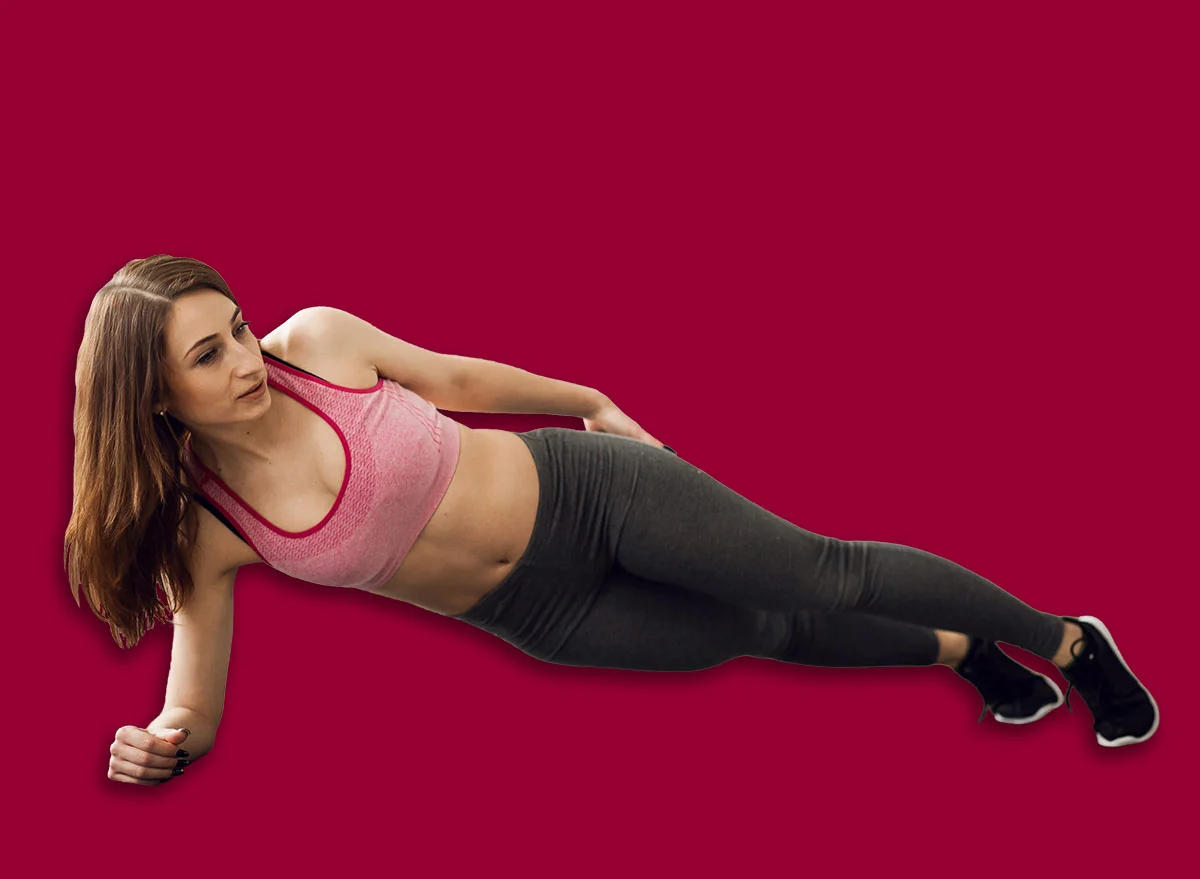
The side plank is the gold standard for oblique endurance. Unlike dynamic movements, the side plank requires the muscles to maintain constant, isometric tension.
Posture and Stability
As we age, posture often begins to suffer due to core weakness. The side plank forces the deep stabilizing muscles of the core to work in unison to keep the hips elevated.
- How to execute: Lie on your side with your elbow directly beneath your shoulder. Lift your hips off the ground until your body forms a straight line from head to heels. Hold for 30 to 45 seconds.
- The Expert Verdict: "Side planks build strength around the waist because the obliques have to work continuously," Bickerstaff emphasizes. "They also improve deeper core stability, which supports better posture and makes everyday movements feel more controlled."
Implications for Long-Term Health
The shift toward these five movements represents a broader movement in geriatric fitness: the move away from "burnout" cardio and toward "functional longevity." By prioritizing movements that build strength, improve balance, and engage the core, individuals over 55 can achieve a more defined waistline while simultaneously protecting their joints and increasing their metabolic resilience.
It is important to remember that fitness is a marathon, not a sprint. Consistency—performing these movements with proper form—will yield far greater results than an occasional, high-intensity workout. Before beginning any new exercise regimen, ensure you are cleared by your primary care physician, especially if you have existing lower back or joint conditions.
By integrating these targeted exercises into your daily routine, you are not just working to reduce love handles—you are investing in a stronger, more capable version of yourself for years to come.
