

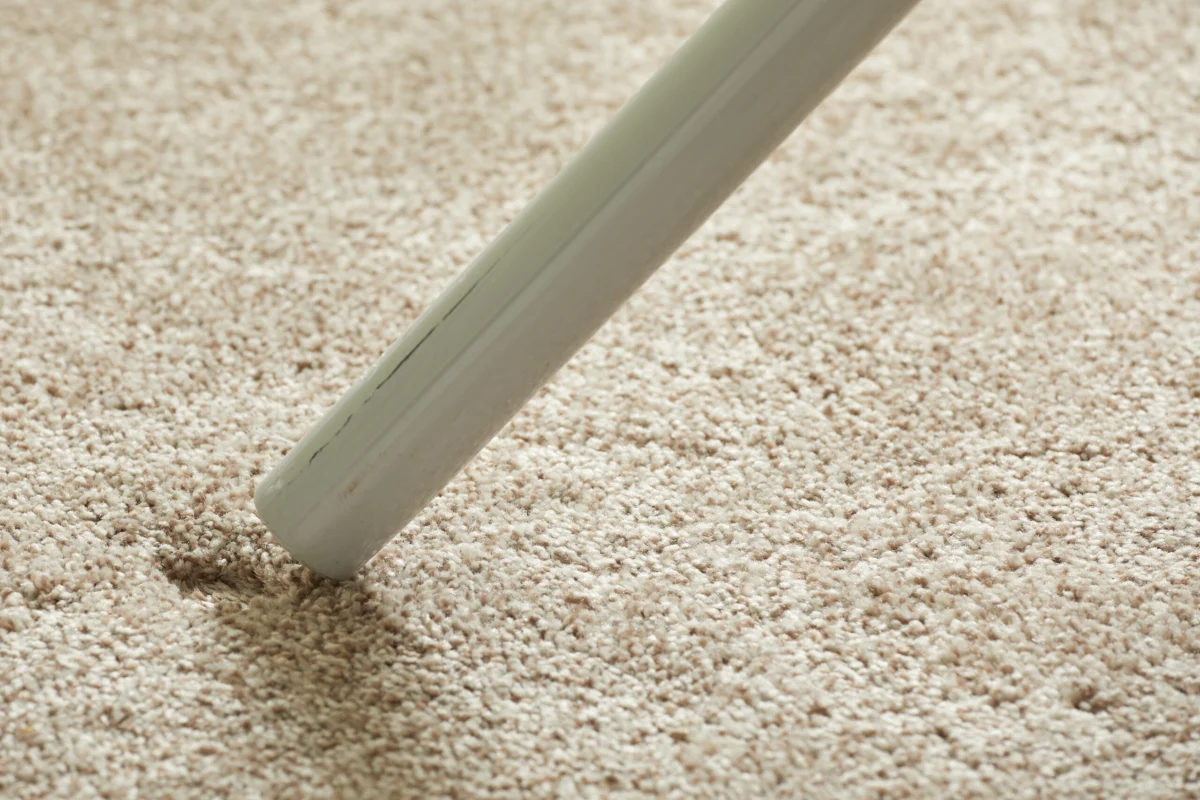
The aesthetic integrity of a home is often found in the details. A perfectly curated living space can be undermined in an instant by the sight of deep, unsightly divots left behind by heavy furniture. Whether you are preparing your home for a high-stakes gathering, staging a property for sale, or simply looking to refresh your interior design, those stubborn indentations—often referred to as "carpet memory"—can be a source of significant frustration.
While these depressions are a natural consequence of gravity and pressure, they are not necessarily permanent. With the right techniques and a basic understanding of fiber restoration, homeowners can often reverse years of compression without the need for expensive professional intervention.
The Science of Carpet Compression: Why Dents Happen
To understand how to remove a dent, one must first understand how a carpet is constructed. Most modern residential carpeting is composed of synthetic fibers—such as nylon, polyester, or olefin—or natural fibers like wool. These fibers are tufted into a primary backing and secured with a secondary backing.
When a heavy object, such as a grand piano, a solid oak bookshelf, or a sectional sofa, sits in the same position for an extended duration, it exerts constant downward pressure. This force collapses the pile, crushing the fibers into a flattened state. Over time, the carpet loses its ability to "spring back" because the individual fibers have been permanently bent or "set" in that compressed position. The goal of any removal method is to introduce enough heat and moisture to relax the fibers, allowing them to regain their original vertical orientation.
Chronology of Restoration: A Step-by-Step Approach
If you have discovered an unsightly divot, do not panic. Most cases can be resolved using common household items. Below is the chronological order of operations recommended for the best results.
1. The Ice Cube Method: The Gentle Initiation
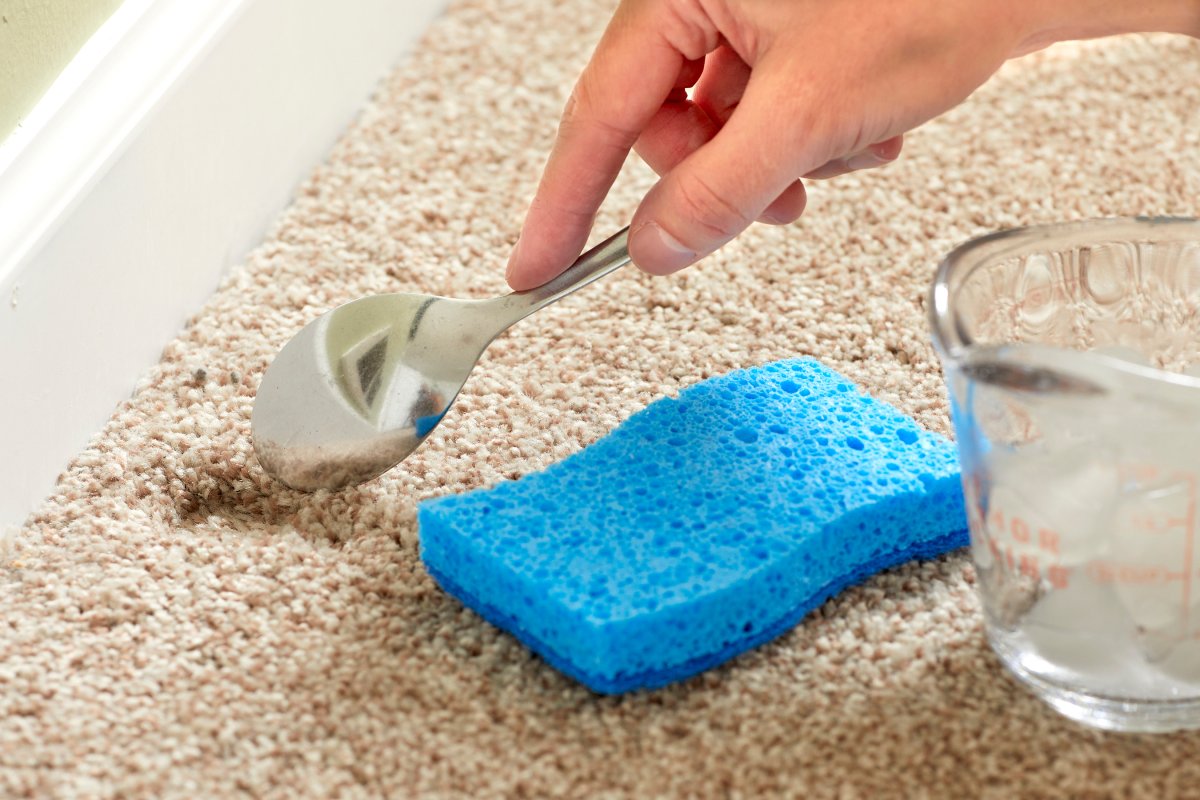
The simplest and often most effective way to start is by utilizing ice. This method is ideal because the slow melting process provides a controlled amount of moisture to the compressed fibers without saturating the subfloor.
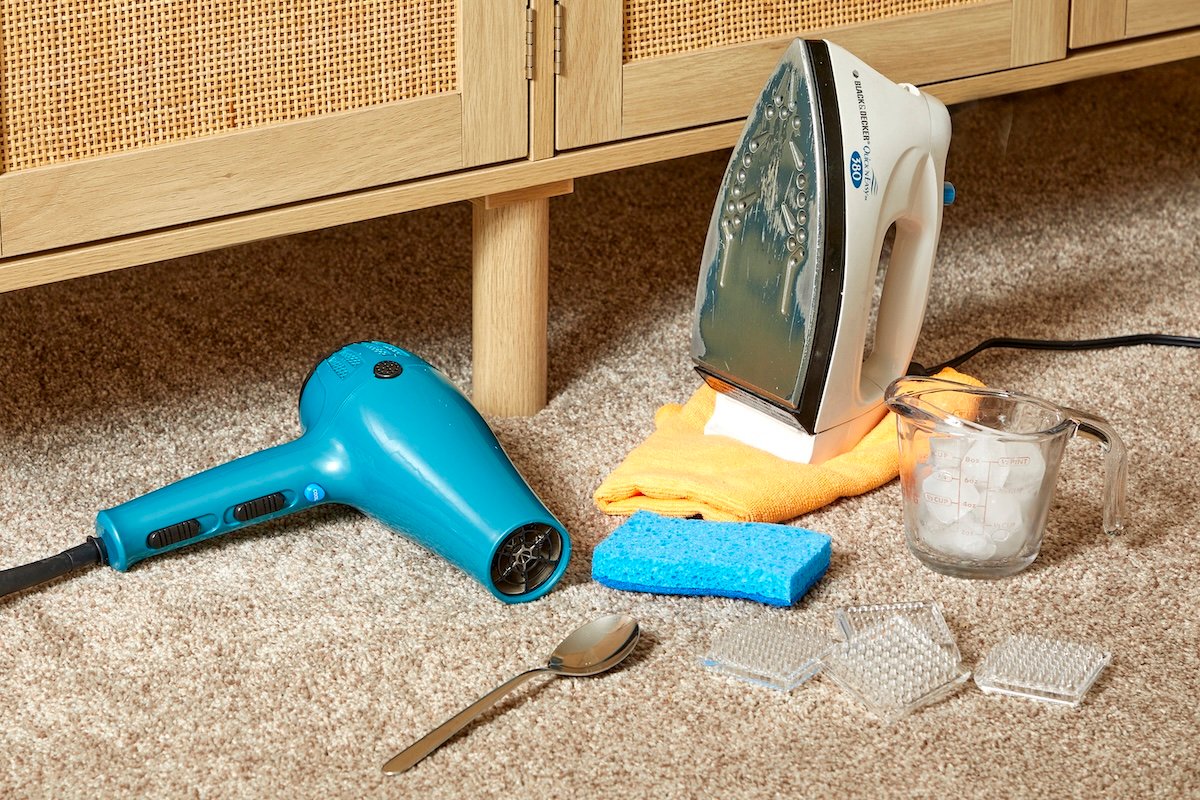
- Placement: Place an ice cube directly into the center of the dent. For larger areas, space out several cubes.
- The Wait: Allow the ice to melt completely. This can take several hours depending on the ambient temperature of your home.
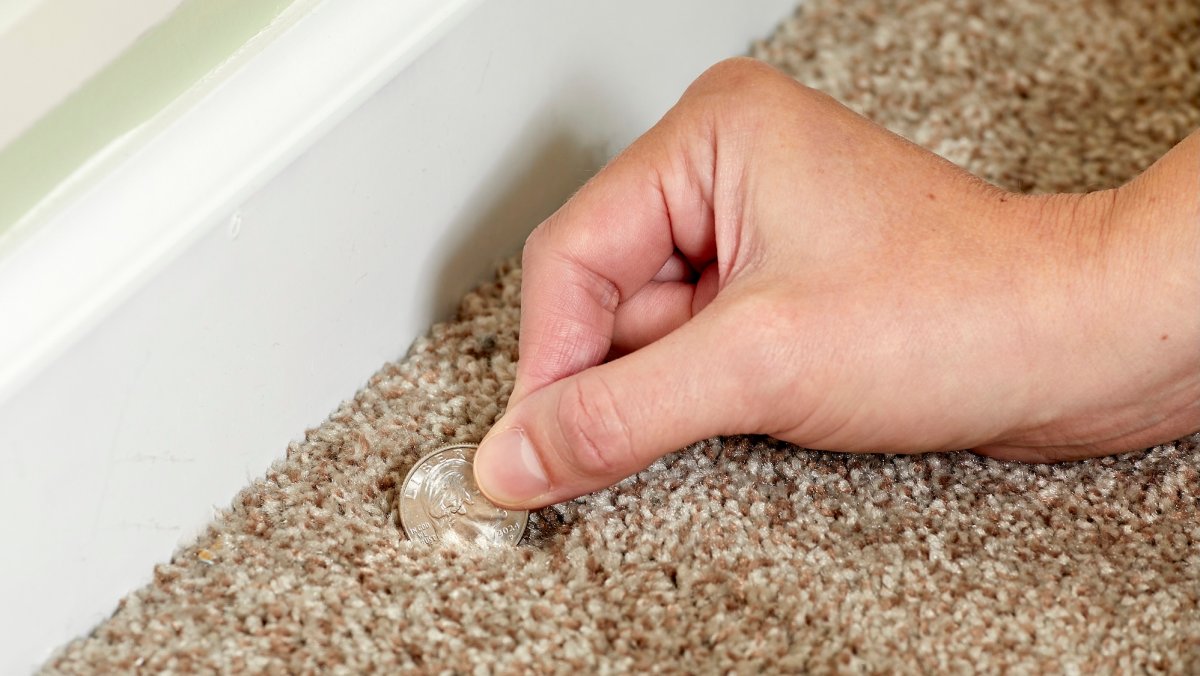
- The Fluff: Once the ice has melted and the area is damp, use the edge of a coin or a spoon to gently "lift" or rake the fibers back into an upright position.
- Drying: Allow the area to air dry naturally.
2. The Vacuum Technique: Restoring Airflow
If the dent is relatively shallow, the power of your vacuum cleaner may be all that is required. Regular vacuuming is essential for maintenance, but when used specifically for dents, it helps break up the matted fibers.
- Preparation: Remove all furniture from the area.
- The Attachment: Use a crevice tool or an upholstery brush attachment to focus the suction power directly on the affected spot.
- The Motion: Move the nozzle in multiple directions—back and forth, side to side—to encourage the fibers to stand up. The agitation caused by the brush, combined with the suction, often releases the "memory" of the fiber.
3. The Blow Dryer Method: Applying Controlled Heat
For slightly more resilient dents, adding a bit of heat can accelerate the relaxation of the fibers.
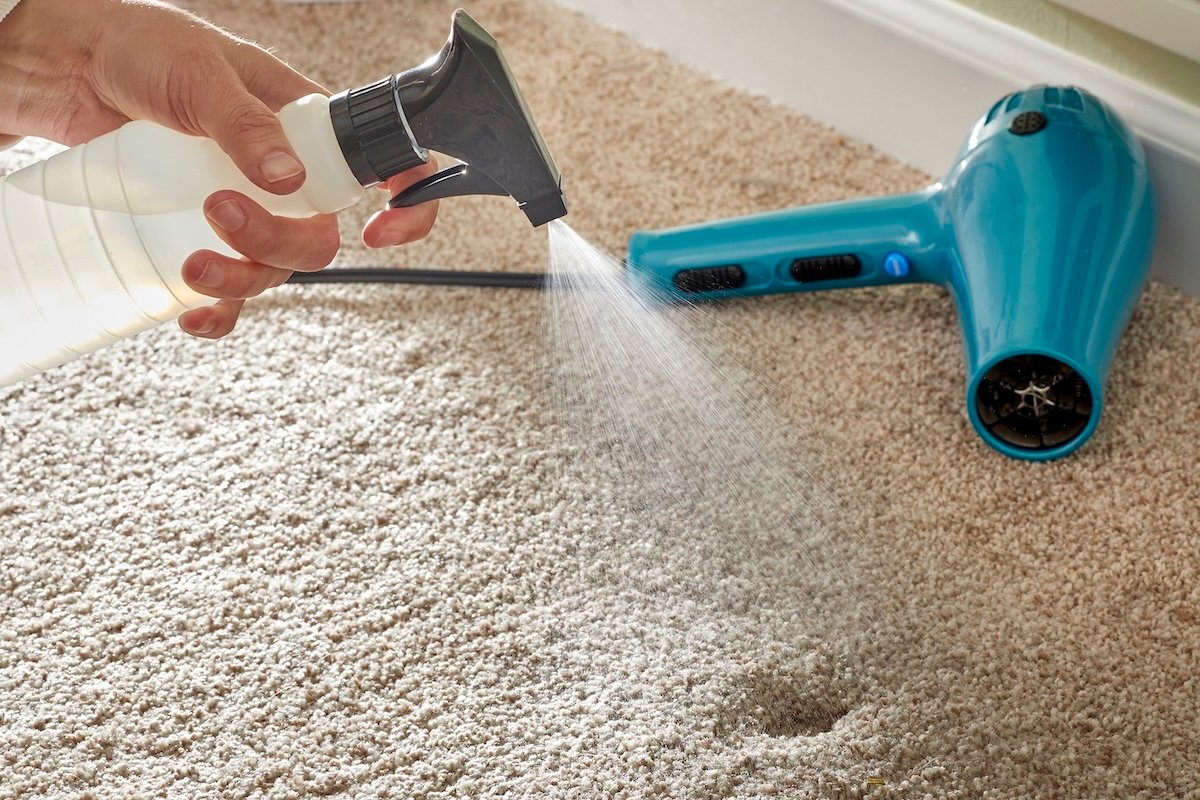
- Moisture: Lightly mist the area with a spray bottle filled with plain water. Do not soak the carpet; you only want the fibers to be damp.
- Heat Application: Set your hair dryer to a medium-heat setting. Hold the dryer roughly 4 to 6 inches away from the carpet, moving it constantly to prevent burning the synthetic material.
- Manual Agitation: As you apply the heat, use your fingers or a carpet rake to continuously fluff the fibers until they feel warm and springy.
4. The Iron and Towel Method: The Professional Standard
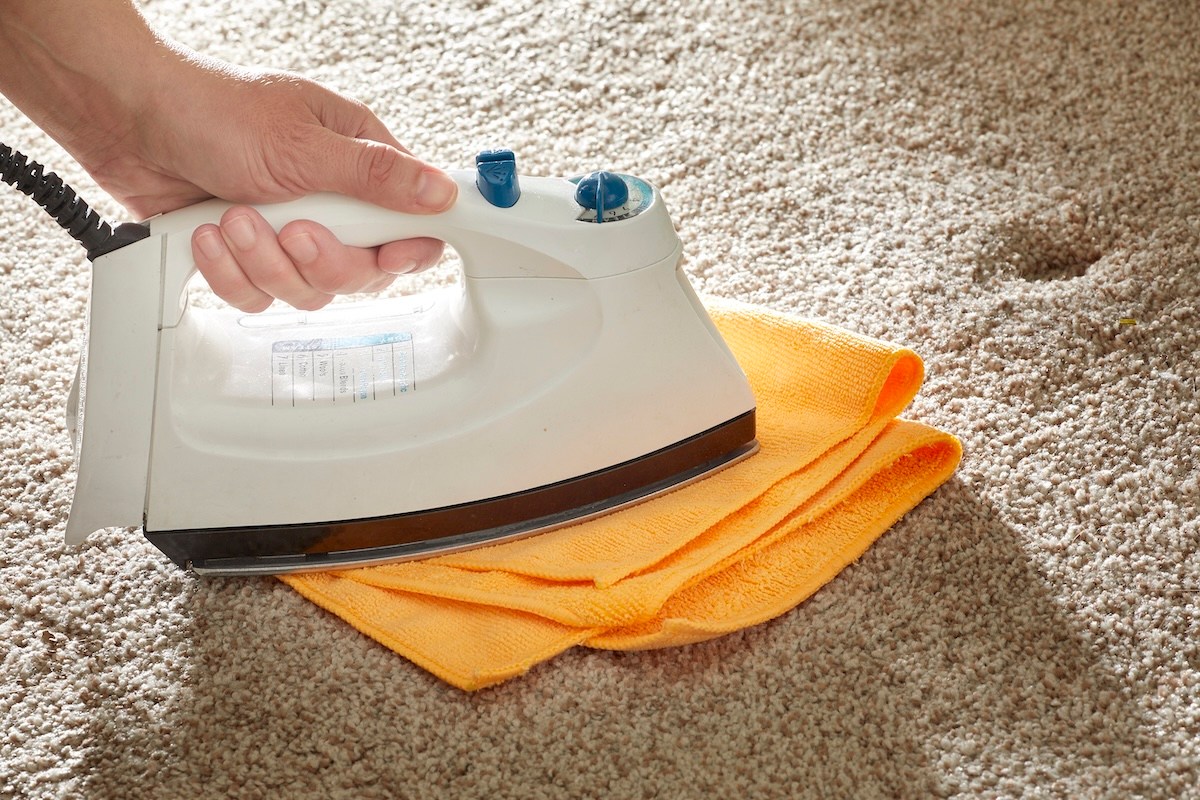
When other methods fail, the steam from an iron is the most powerful tool in your arsenal. Because direct heat can melt synthetic fibers (particularly polyester), this must be done with extreme caution.
- The Barrier: Place a clean, damp white towel or a cotton cloth over the dented area.
- Steaming: Set your iron to the steam setting. Place the iron on top of the damp towel and hold it there for 30 to 60 seconds. Do not press down hard; let the steam do the work.
- Lifting: Remove the towel and immediately use a spoon or your fingers to lift the fibers while they are still warm and pliable.
Supporting Data: Fiber Resilience and Recovery
The success of these methods depends largely on the material of the carpet. According to industry experts, wool carpets offer the highest level of natural resilience. Wool fibers possess a natural crimp and a protein structure that allows them to recover from compression more easily than synthetic counterparts.
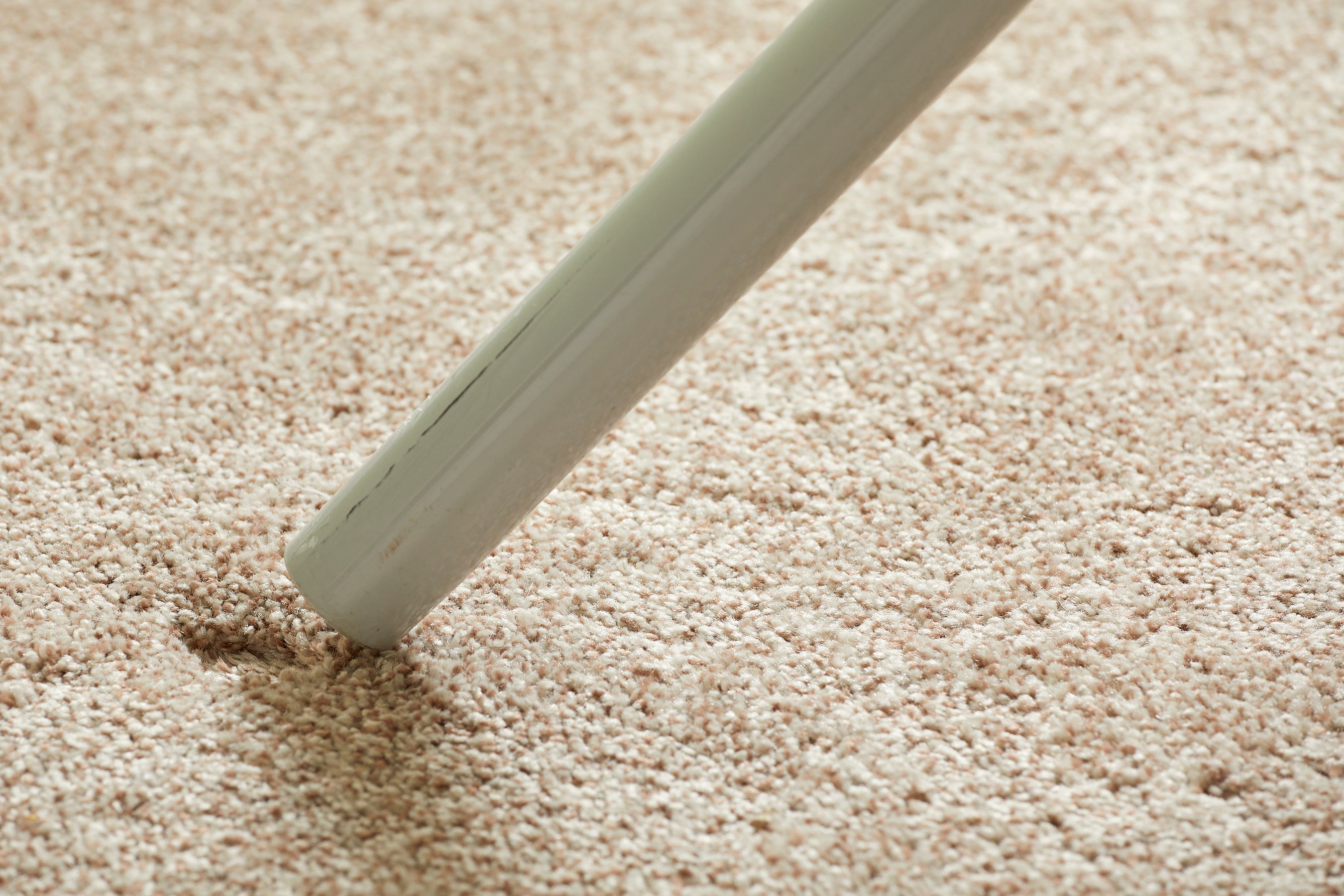
Conversely, polyester carpets are known for their softness and stain resistance, but they are generally less resilient. If a heavy piece of furniture has sat on a polyester rug for several years, the fibers may have undergone permanent structural deformation, meaning that while these methods will improve the appearance, they may not result in a "like-new" finish.
Expert Perspectives: Advice from the Field
Kristopher Ayoub, General Manager of Ayoub N&H, a respected carpet cleaning and repair firm, emphasizes that prevention is the most effective form of maintenance. "Many people wait until they are moving out or redecorating to address the dents," says Ayoub. "But the secret to longevity is regular intervention."
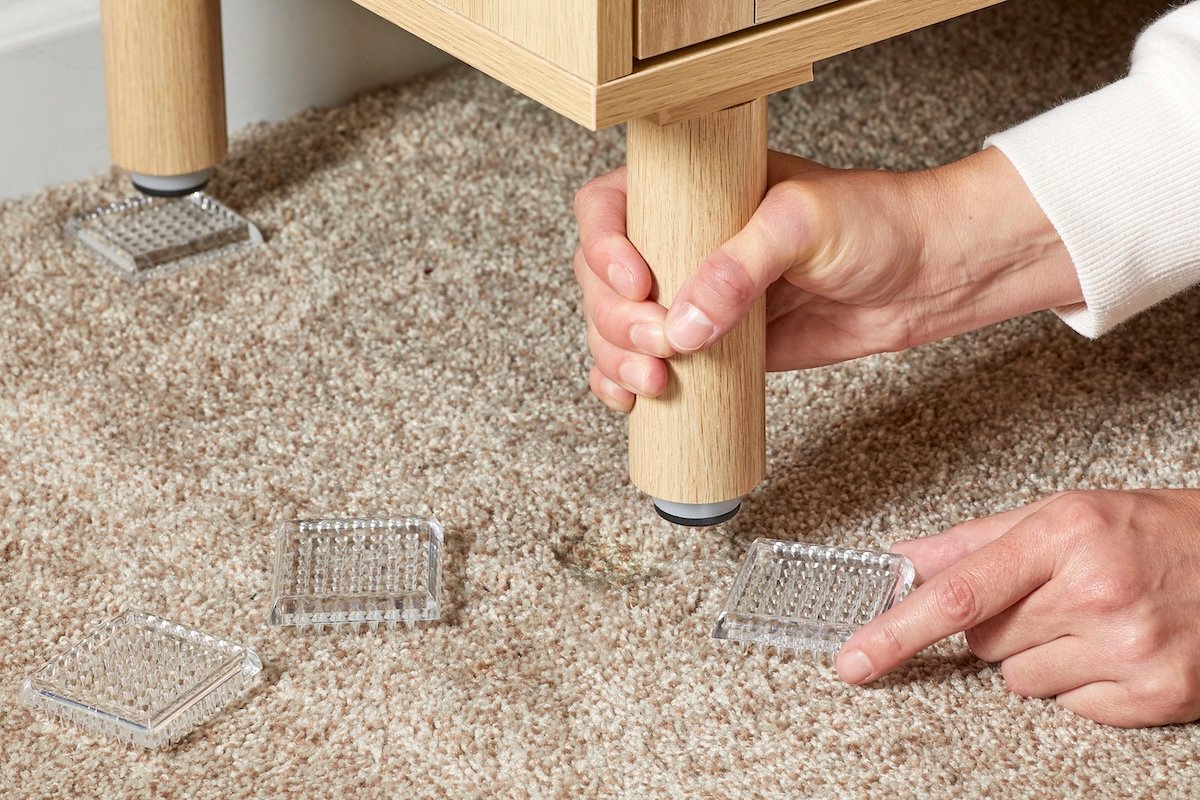
Ayoub notes that furniture leg protectors are not just for hardwood floors. "Using wide-base floor protectors distributes the weight of a heavy piece of furniture across a larger surface area. Instead of that weight being concentrated on a one-inch leg, it’s spread across three or four inches, which prevents the carpet pile from being crushed to the backing."
Furthermore, Ayoub recommends a "furniture rotation" schedule. "Moving your heavy pieces even just an inch or two every few months prevents the fibers from setting in a permanent position. It’s a simple habit that adds years to the life of your flooring."
Implications: When to Call the Professionals
Despite your best efforts, there are times when the damage is too deep for home remedies. If you have attempted to steam and fluff the area and notice no improvement after a few days, the issue may be a physical breakdown of the carpet backing rather than just a surface dent.
Signs You Need Professional Help:
- Threadbare Appearance: If the fibers look frayed or missing entirely, the carpet is likely worn down to the backing.
- Persistent Odors or Stains: If the dent is accompanied by deep-set stains or a musty smell, the backing may be damaged, which can lead to mold or mildew growth.
- Advanced Age: Most residential carpets have a lifespan of 10 to 15 years. If your carpet is reaching this milestone, it may be time to consider a professional cleaning or total replacement.
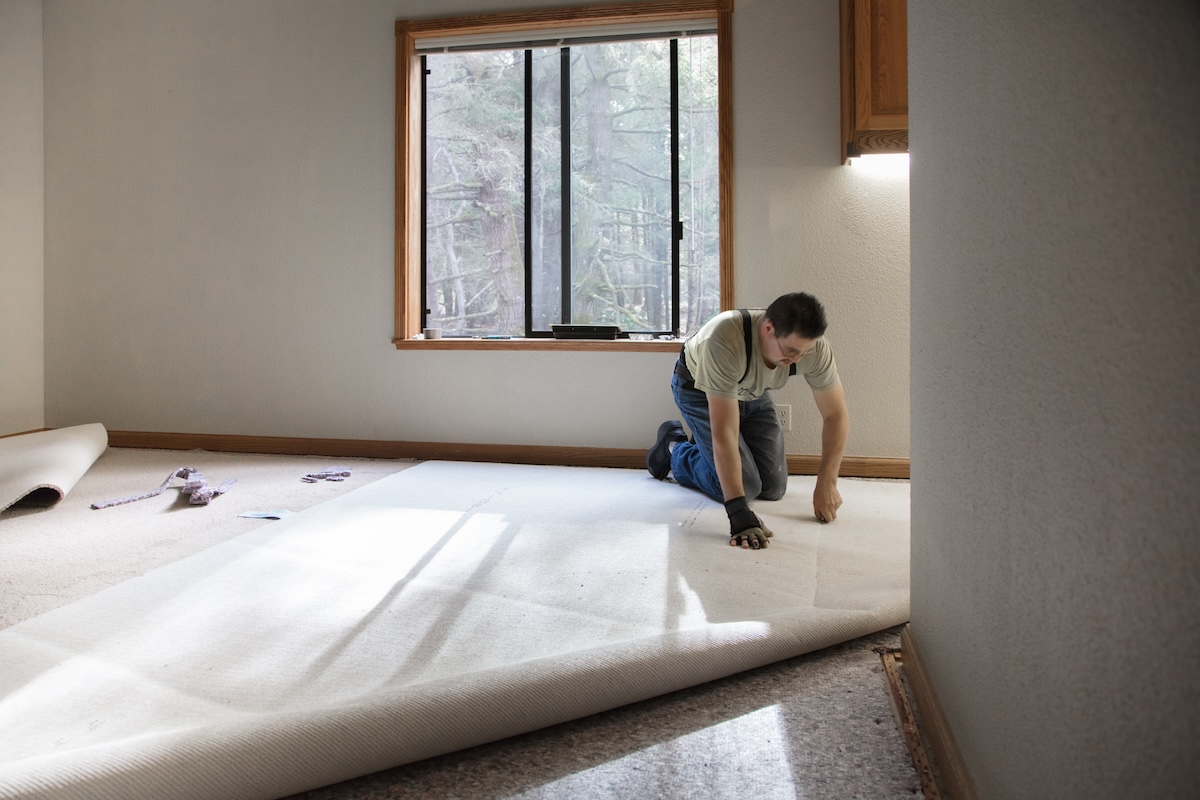
If the damage is localized to a small area, a professional carpet technician can perform a "patch repair." This involves cutting out the damaged section and replacing it with a scrap piece of carpet (often taken from a closet or under a bed) using a specialized seam tape. This is a cost-effective alternative to replacing the entire room’s flooring.
Conclusion: Maintaining Your Investment
Carpet is a significant investment in your home’s comfort and visual appeal. While dents are an inevitable side effect of living in a furnished home, they do not have to be a permanent mark on your flooring. By integrating regular vacuuming, proactive furniture placement, and the strategic use of heat and moisture, you can maintain the "new carpet" look for years to come.
If you find yourself facing deep, stubborn divots, start with the least invasive methods—vacuuming and ice—before graduating to steam. With a little patience and the right technique, you can restore the bounce to your floors and ensure your home remains a welcoming space for family and guests alike.
