

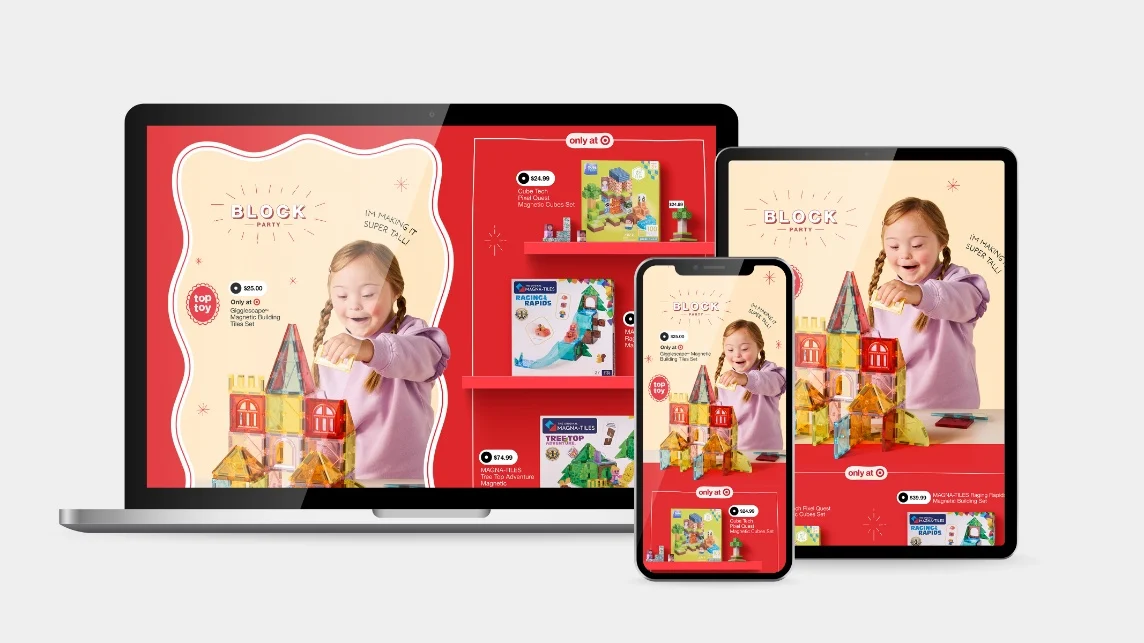
Minneapolis, MN – [Date of Publication] – As the critical holiday shopping season rapidly approaches, retail giant Target has unveiled its ambitious new interactive Holiday Kids Catalog, signaling a significant escalation in its digital engagement strategies. Launched on Monday, the catalog aims to transform the traditional toy browsing experience into a dynamic, discovery-driven platform, complete with video content, personalized wish lists, and an innovative feature that digitizes handwritten requests. This move positions Target to capture a larger share of the burgeoning holiday e-commerce market, directly challenging its primary competitor, Amazon, which also rolled out its annual holiday gift book on the same day.
Target’s latest offering is more than just a digital brochure; it’s a carefully curated shoppable content experience designed to inspire and simplify gift-giving for families. Available across Target.com and the retailer’s mobile application, the catalog showcases nearly 500 toys, games, and gifts, distinct from Target’s established, curated toy lists. This strategic push into interactive digital content underscores Target’s commitment to enhancing its online presence and leveraging technology to connect with consumers during the most crucial retail period of the year.
A New Era of Toy Discovery: Target’s Interactive Catalog
Target is not merely presenting products; it’s building an engaging narrative around them. The new Holiday Kids Catalog is engineered to function as a vibrant content hub rather than a static product grid. Shoppers are invited to immerse themselves in a world of play, where they can watch detailed toy demonstrations, review user-generated video content, and seamlessly add desired items to their shopping carts or wish lists. This interactive approach is designed to foster a sense of discovery and excitement, mirroring the joy of unboxing and exploring new toys.
A cornerstone of this innovative experience is the ability for users to create and share wish lists. These digital collections can be easily distributed among family members and friends, streamlining the gift-giving process and ensuring that recipients receive items they truly desire. This social sharing aspect is particularly relevant in today’s connected consumer landscape, where recommendations and shared experiences play a significant role in purchasing decisions.
Further enhancing the user experience, Target has introduced a groundbreaking list scanner feature. This tool empowers shoppers to convert handwritten wish lists, whether created from the physical catalog or generated independently, into digital shopping lists within the Target app. This bridges the gap between traditional wish-list creation and the convenience of online shopping, catering to a diverse range of consumer preferences. Each page of the physical catalog also features a unique QR code, providing an immediate and direct link to its corresponding digital counterpart, ensuring a fluid transition between print and online engagement.
Cassandra Jones, Senior Vice President of Fun101 at Target, emphasized the catalog’s user-centric design. "This year’s digital experience helps families discover toys together, create and share wish lists, and find gifts they’ll be excited about all season long," Jones stated. This sentiment highlights Target’s focus on creating a holistic, family-oriented holiday shopping journey.
The Fierce Holiday Battleground: Target vs. Amazon
The timing of Target’s catalog launch is no coincidence. On October 5th, the same day Target announced its new initiative, Amazon simultaneously released its own highly anticipated Holiday Kids Gift Book. Now in its ninth year, Amazon’s offering boasts over 600 toys and gifts, an original illustrated story, and interactive family activity pages, reflecting its established presence in the holiday gift guide market.
The competitive landscape between these two retail titans is characterized by distinct technological approaches. While Target is leaning into an app-native, social-sharing, and creator-content driven model, Amazon is leveraging its powerful Alexa ecosystem. Amazon’s Holiday Kids Gift Book integrates with Alexa for a unique "choose-your-own-adventure" audio experience in partnership with Readyland. This allows children to interact with the book’s characters, the "Forest Friends," through any Alexa-enabled device, offering an immersive storytelling and discovery element.
Amazon’s strategy also incorporates robust AI shopping tools. Their curated list of top toys is developed by in-house toy experts, complemented by AI shopping functionalities. "Alexa for Shopping" enables parents to receive personalized gift recommendations by simply asking for gifts for a specific age or interest, with Alexa posing follow-up questions to refine suggestions based on hobbies and preferences. Furthermore, Amazon Lens allows shoppers to scan products they encounter in physical stores or on social media, instantly finding them on Amazon.
These differing strategies underscore the evolving nature of e-commerce, where personalization, interactive content, and seamless integration with smart home technology are becoming paramount. Target’s focus on community and shareable wish lists contrasts with Amazon’s emphasis on voice-activated experiences and AI-driven personalization.
Target’s E-commerce Momentum: A Foundation for Holiday Success
Target’s investment in its digital capabilities is supported by a strong track record of e-commerce growth. The company ranks a respectable No. 5 in Digital Commerce 360’s Top 1000 Database, which ranks North America’s largest online retailers by annual e-commerce sales. This position signifies a substantial and well-established online retail operation.
In its fiscal second quarter of 2026, Target’s online sales saw an impressive 8.7% year-over-year increase, significantly outpacing its total comparable sales growth of 3.8%. This online growth was particularly fueled by same-day delivery services, which experienced over 25% growth during the quarter. Target fulfilled approximately 30% more same- and next-day units compared to the previous year, demonstrating an enhanced capacity and customer preference for rapid fulfillment.
Overall, Target’s total net sales in Q2 increased by 5.3% to $26.7 billion. While this figure was bolstered by nearly $1 billion in tariff refunds recognized as a reduction in cost of sales, the underlying operational growth remains robust. The company’s "Fun101" category, which encompasses toys, sporting goods, and entertainment, was the strongest performer in Q2, reporting double-digit comparable sales growth. This makes the toy segment a particularly promising area for Target as it heads into the critical holiday season.
Furthermore, Target’s presence in the emerging field of AI commerce is also notable. The retailer holds the No. 54 position in Digital Commerce 360’s AI Commerce Rankings, indicating a forward-thinking approach to integrating artificial intelligence into its retail operations. While not as high as its general e-commerce ranking, this position suggests ongoing development and implementation of AI-driven strategies that could further enhance customer experiences and operational efficiencies.
Implications for the Holiday Season and Beyond
Target’s interactive Holiday Kids Catalog represents a strategic maneuver to not only capture a larger share of the holiday toy market but also to solidify its position as a digital retail leader. By blending engaging content with user-friendly features like the list scanner, Target aims to make holiday shopping more enjoyable and less stressful for families. The emphasis on social sharing and wish list functionality taps into the collective nature of holiday gift-giving, fostering a sense of community around the brand.
The direct competition with Amazon’s established Holiday Kids Gift Book highlights the intense rivalry between the two retailers. Amazon’s integration with Alexa and its sophisticated AI tools present a formidable challenge, offering a personalized and technologically advanced shopping experience. However, Target’s app-centric, discovery-driven approach may appeal to a segment of consumers seeking a more visually engaging and socially connected way to shop for toys.
The success of Target’s initiative will likely depend on its ability to drive app adoption and engagement with the catalog’s interactive features. The strong performance of its Fun101 category in the recent quarter provides a positive outlook, suggesting existing consumer interest in its toy offerings. The retailer’s continued investment in same-day fulfillment also plays a crucial role, addressing consumer demand for speed and convenience, especially during the busy holiday period.
Looking ahead, the innovations introduced in this holiday catalog could set new standards for how retailers engage with consumers in the toy and gifting sectors. The trend towards shoppable content, personalized recommendations, and seamless integration across physical and digital channels is expected to continue shaping the e-commerce landscape. Target’s bold move with its interactive catalog demonstrates its commitment to staying at the forefront of these evolving consumer expectations and technological advancements, positioning itself for sustained growth in the competitive retail environment.
