

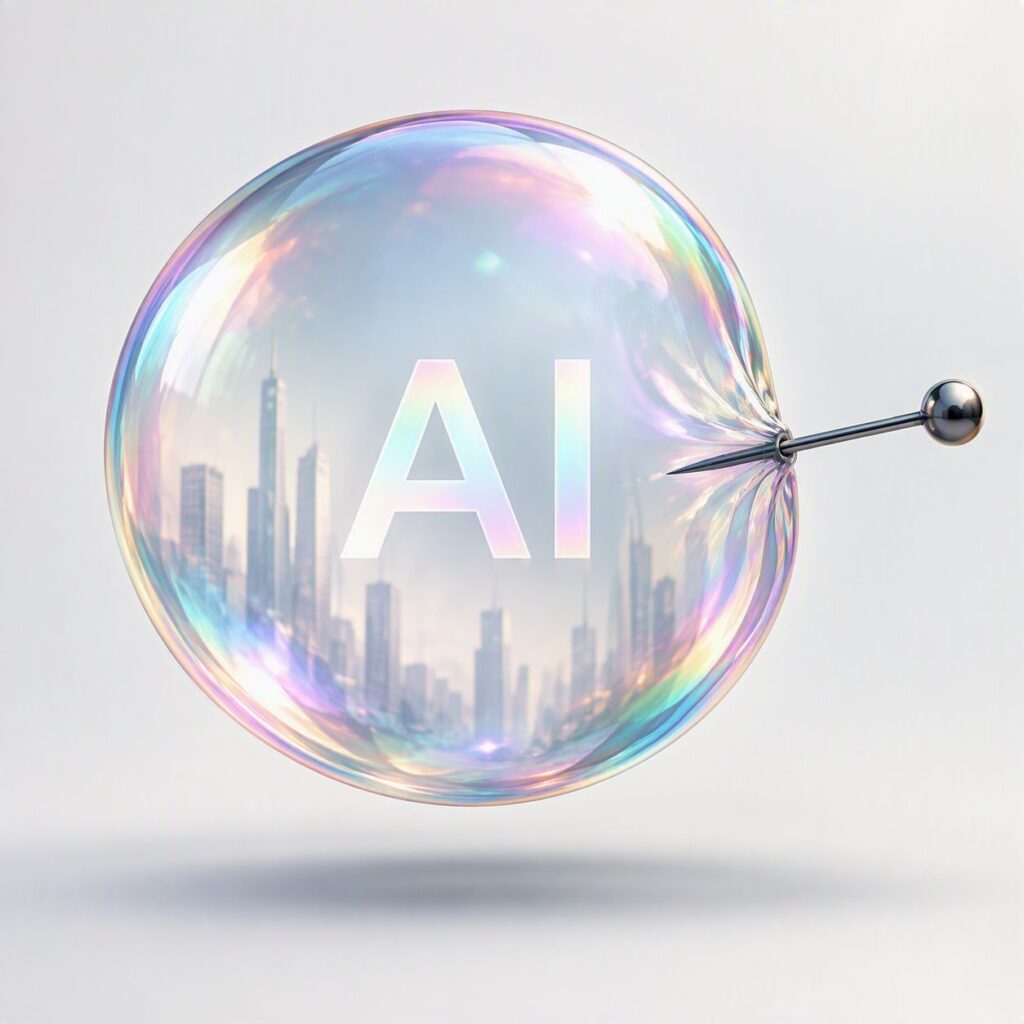
The global financial landscape in 2026 is defined by a singular, overwhelming narrative: the Artificial Intelligence boom. As equity markets reach unprecedented heights, a familiar chorus of anxiety has begun to resonate among retail investors and institutional analysts alike. The prevailing question—is this a sustainable technological revolution or a speculative bubble destined to trigger a catastrophic market correction?—has become the primary driver of modern financial discourse.
While the echoes of the early 2000s dot-com crash serve as a grim reminder of what happens when market euphoria outpaces fundamental value, history suggests that the relationship between investor fear and actual economic outcomes is far more complex than simple binary projections of “boom” or “bust.”

The Anatomy of Modern Market Anxiety
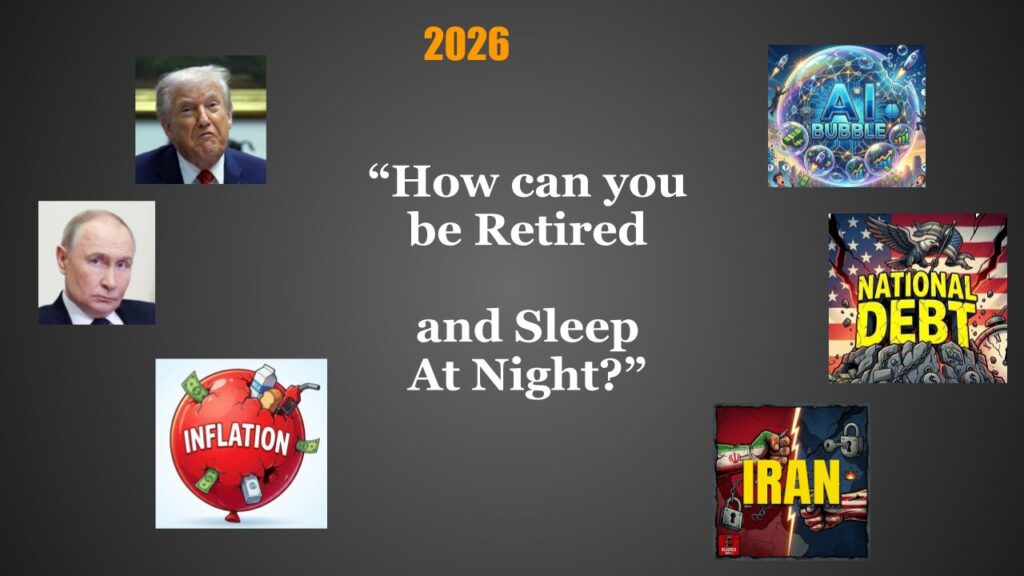
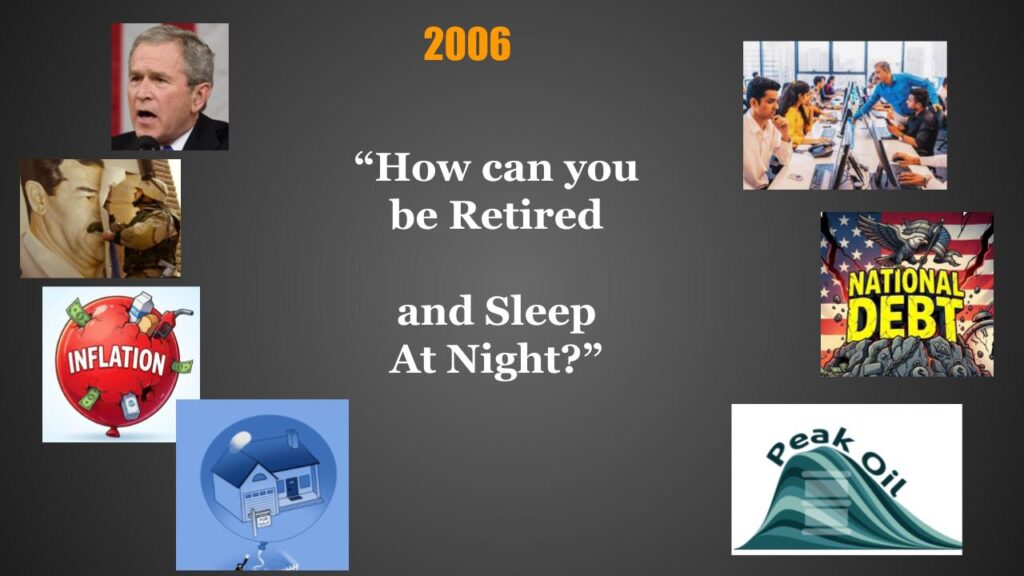
To understand the current sentiment, one must look at the historical context of financial crises. The concerns surrounding AI today mirror the existential dread of 2006, a year defined by the looming shadow of the subprime mortgage crisis. Investors then were terrified of outsourcing, peak oil, and global geopolitical instability. Yet, looking back at the past two decades, the trajectory of the global economy has been one of remarkable, albeit choppy, progress.
The core of the current panic stems from the perception that AI is “too much, too fast.” Skeptics argue that the valuations of major technology firms are decoupled from reality, sustained only by the momentum of a generational gold rush. However, this perspective often overlooks the distinction between a financial correction and a societal collapse.
Chronology of a Cycle: From 2006 to 2026
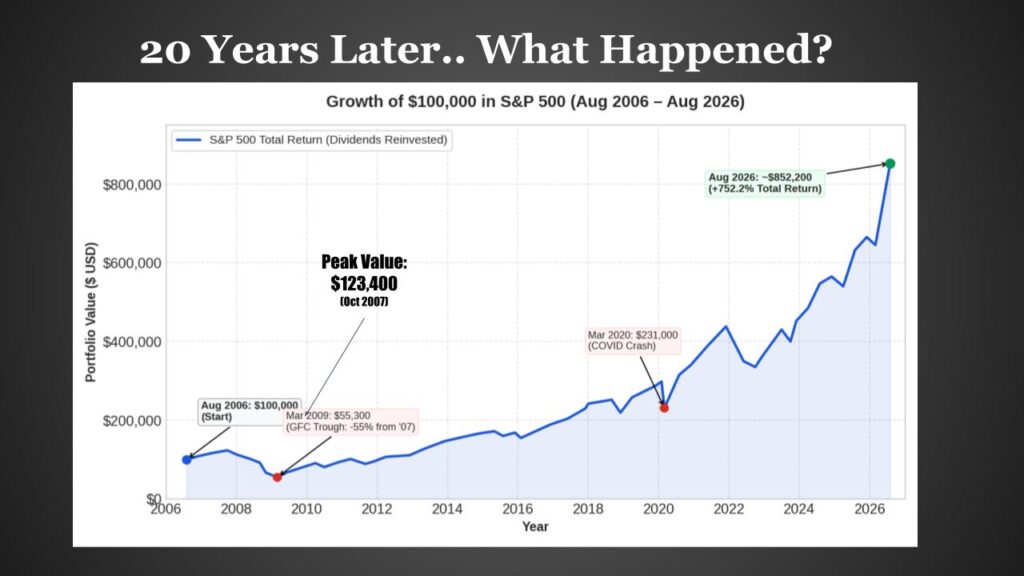
The trajectory of the last twenty years provides a masterclass in market resilience. In 2006, the world was preoccupied with the Iraq War, the threat of terrorism, and an overleveraged housing market. When the Great Financial Crisis hit in 2008, it was indeed the most severe economic contraction since the Great Depression. Many believed it marked the end of an era of prosperity.
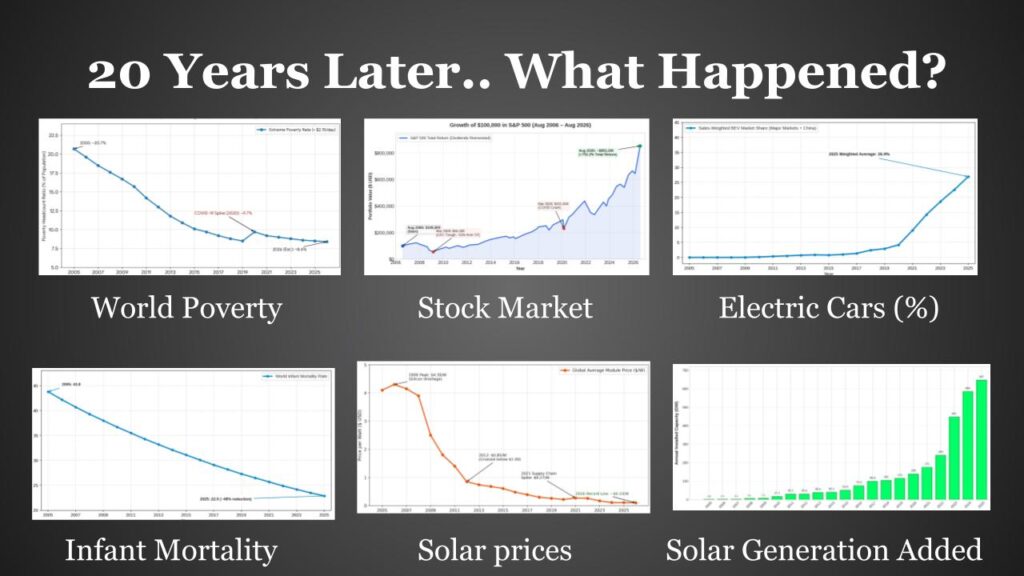
Yet, consider the outcome: a hypothetical $100,000 investment in a broad market index in 2006 would have ballooned to over $850,000 by 2026, despite the volatility of the 2008 crash and the 2020 pandemic-induced downturn. This growth was not a fluke; it was a reflection of the inherent adaptability of global capital markets.

Furthermore, the "doomsday" predictions of 2006 regarding energy and poverty have largely been debunked by innovation. Solar energy capacity has seen exponential growth, becoming cheaper and more efficient, while the adoption of electric vehicles has moved from a fringe novelty to a dominant market force. Global poverty rates have halved, and infant mortality has plummeted. The takeaway is clear: while the headlines were screaming of an impending apocalypse, the reality was a period of profound technological and human advancement.
The Foundation of Prosperity: Productivity vs. Finance
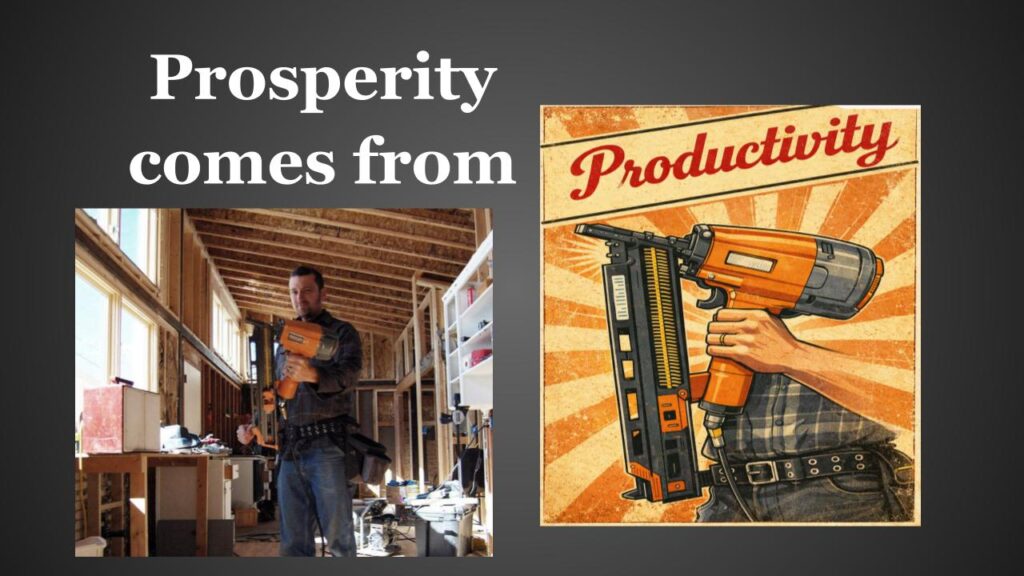
The most significant fallacy held by contemporary "fear-mongers" is the belief that prosperity is generated by the stock market. In reality, the stock market is merely a ledger, a tracking mechanism for value. Real prosperity is a product of human productivity.
When we strip away the noise of high-frequency trading and algorithmic price movements, we find the true engine of the economy: people working, inventing, and solving problems. The concept of an "economy" is itself a human invention. Should the current financial system experience a severe correction due to an AI-driven bubble, the fundamental human capacity to work, innovate, and rebuild remains untouched.
As noted by financial analysts and observers of the early 2000s, the "dot-com" bust was painful, but it laid the infrastructure for the modern digital economy. Similarly, even if an AI market bubble were to pop, the technological gains—the "cognitive nail guns" that increase human output—would persist. This is the distinction between a market valuation and an economic reality.
The Psychology of Fear: A Built-In Defect
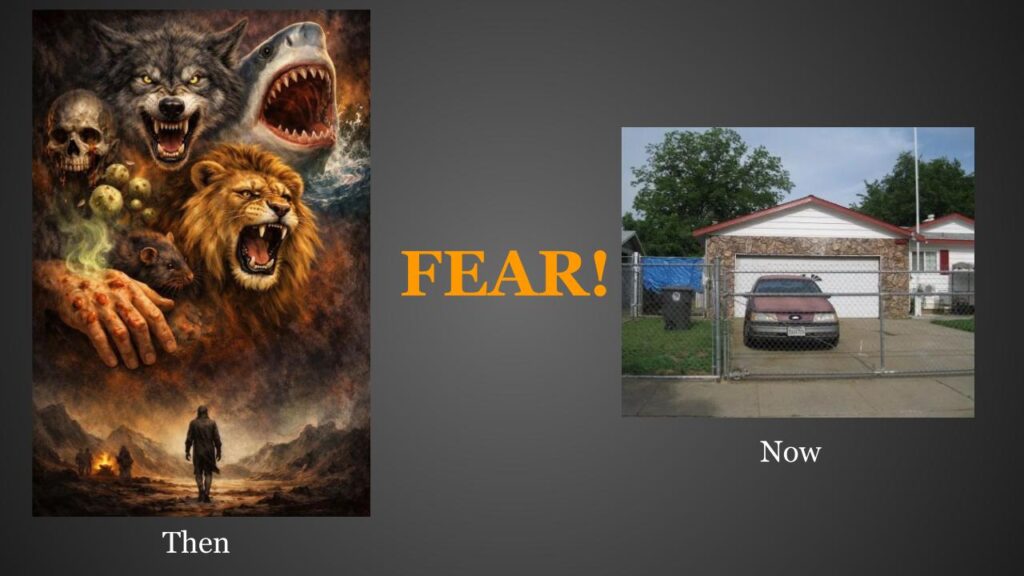
Why do we remain paralyzed by fear even when historical data suggests long-term optimism is the more rational stance? The answer lies in human evolutionary biology. We are, by design, "Danger Detection Machines."
Evolution favored ancestors who were hyper-vigilant. In the modern era, where acute threats like predators have been mitigated, our brains continue to scan for danger. We have simply shifted our focus to "modern" threats: inflation, national debt, political polarization, and the potential for technological obsolescence.
This leads to a phenomenon known as "goalpost shifting." Once a person reaches a level of financial security, the fear does not vanish; it migrates to new anxieties, such as tax strategies, inheritance, or the minutiae of homeowner associations. This is not a logical reaction to the environment; it is a psychological artifact of our history.
Implications: Managing Risk and Perception
For the individual investor, the implication of the current AI boom is not that one should blindly ignore the risks, but rather that one should reframe the concept of risk itself. The most dangerous risk is not a market crash; it is the inaction caused by paralyzing fear.
1. Understanding Personal History
Often, an individual’s fear of market volatility is rooted in childhood experiences or familial "scarcity mentalities." Recognizing that your fear may be a reflection of past trauma rather than present economic reality is the first step toward rational decision-making.
2. Action as a Cure
Action is the antidote to fear. By engaging with technology—learning how AI works, experimenting with its applications, and understanding its limitations—the unknown becomes familiar. This builds resilience, or what some call "Badassity." A person who understands their tools is far less likely to be intimidated by them.
3. Curation of the Mental Diet
The modern news cycle is designed to capitalize on the human "danger detection" bias. It provides a curated stream of the most alarming stories of the day. To achieve true perspective, one must drastically reduce consumption of sensationalist media. Replacing news-scrolling with deep-dive learning and direct action—such as focusing on personal health, community relationships, and productive work—yields a much higher return on investment for one’s mental health.
Everything is an Experiment
The most productive way to approach the AI era is to view it as a series of experiments. Whether it is an individual career shift, a new investment strategy, or the adoption of new software, every decision is a data point.
The AI industry is currently in its "Wild West" phase. It will undoubtedly displace workers, just as the industrial revolution and the internet did before it. However, it will also lower the cost of services, create entirely new industries, and allow for massive gains in human efficiency. The challenge for the individual is to remain on the side of the equation that benefits from this shift—by owning the technology (via equity investments) and by utilizing the technology to increase one’s own output.
Conclusion: Looking Beyond the Fear
Ultimately, the fear surrounding the AI bubble is a choice. We can allow ourselves to be consumed by the "what-ifs" of market volatility, or we can choose to view this technological shift as an opportunity for unprecedented growth and personal development.
As the adage goes, everything you want in life lies on the other side of fear. If you were not afraid to pursue your goals, you would likely already possess them. In the context of the AI revolution, this means moving past the dread of the bubble and focusing on the tangible productivity gains that this technology provides. Prosperity is not found in the ticker tape of the stock market; it is found in the ability to adapt, the commitment to learn, and the courage to act in the face of an uncertain future.
The market will continue to be choppy. The numbers will continue to fluctuate. But as history has shown, those who focus on their own productivity and maintain an optimistic, action-oriented philosophy will not only survive the next bubble—they will likely thrive in the world that follows it.
